❌

Vue lecture

Il y a de nouveaux articles disponibles, cliquez pour rafraîchir la page.

Free Things to Do in Rome

The best free attractions and experiences in Rome

Rome is one of the few major cities where a lot of the best things are free. Caravaggio paintings hang in churches you can walk into, state museums open their doors for free on the first Sunday of every month and the Vatican Museums on the last, and the views from the Janiculum and the Pincio cost nothing at all.

Here are 18 free things to do in Rome, including what has changed recently.

Admiring Caravaggio’s masterpieces

The top free things to do in Rome

Caravaggio, one of Italy’s greatest painters, lived and worked in Rome in the late 16th and early 17th century. He became widely known for his exceptional use of light, and unsettling realism, and also gained a notorious reputation for his tumultuous private life. So tumultuous in fact, that he’s said to have fled Rome after killing a man during a brawl!

Today one can admire many of his masterpieces in churches, with free admission, all across the Eternal City-this is definitely one of the best free things to do in Rome.

One of the must-see churches is the church of San Luigi dei Francesi near Piazza Navona, featuring his famous paintings of St. Matthew: The Calling of St. Matthew, The Martyrdom of St. Matthew and St. Matthew and the Angel.

Not far from this church, is the church of Sant’Agostino, where you can find his Madonna del Loreto.

His Crucifixion of Saint Peter and the Conversion of St Paul you’ll find inside the Basilica of  Santa Maria del Popolo, in the square of the same name.

Read more about Caravaggio in Rome


Taking a peek through the Knights of Malta keyhole

The top free things to do in Rome

Perched on top of the lesser known, but no less impressive, Aventine hill is the keyhole of the Knights of Malta. It’s one of the city’s most enchanting off-the-beaten track sights and can be visited any time of the day, for free. The reason for trudging up a hill and peering through a keyhole might seem obscure to some, but once you’ve glimpsed the view, it makes complete sense. The keyhole is perfectly aligned with trimmed hedges, which then leads the eye to the perfectly framed St. Peter’s Dome. Once there, don’t miss a visit to the enchanting Orange Garden.

Read more about Rome’s Aventine Neighbourhood


Free museums on the first Sunday of the month

The top free things to do in Rome

One of the best free things to do in Rome is visiting one of the city’s museums on the first Sunday of the month. Running since July 2014, Domenica al museo, or Sunday at the museum, offers free admission every first Sunday of the month, all year round, to Italy’s state-owned museums, galleries, archaeological sites, monumental parks and gardens.

In Rome, these include the Pantheon, the Roman Forum and the Colosseum, the Borghese Gallery (booking required) and Caracalla’s baths. It can get incredibly busy on these first Sundays, so head out early to avoid the crowds, and check whether the sights you’d like to visit require an online reservation or work on a first-come, first-served basis.

For more information and a full list of the places you can visit for free, head over to the Ministry of Culture website.


Enjoy a free classical concert every Sunday at one of the largest palaces in the world

The top free things to do in Rome

The Palazzo del Quirinale, or Quirinal Palace, hosts a free classical music concert in its Paolina chapel every Sunday at 12pm. Booking is mandatory. You can either book online, or phone their call centre. The only cost is the €2.50 charged for making the reservation. For more information you can visit the Quirinal Palace website.

Read more about The Grand Palaces Of Rome


Admire the Colossus of Constantine

Colossus of Constantine

A full-scale recreation of the colossal statue of Constantine is on display (for free!) in the garden of Villa Caffarelli at the Capitoline Museums. Built in the early 4th century, only a few marble fragments of the original remain, but experts have reconstructed it to its exact size, an impressive 13 meters tall. Painted to match its original look, the statue offers a glimpse into ancient Rome’s grandeur.

Read more about The Colossus of Constantine


Go on a free, guided walking tour of Rome

The top free things to do in Rome

Without a guide we can sometimes miss a lot of the stories behind the places we visit, but paying for one isn’t always possible, especially if you’re traveling on a tight budget. Luckily there are a few tour companies, like Rome Free Walking Tour, Guru Walk and Free Tour Rome that offer free Rome walking tours.

Some companies ask only that you tip your guide, and others ask that you make a reservation online. For more information head over to their websites.

Visit St. Peter’s Basilica

The top free things to do in Rome

Visiting the largest church in Christendom is a must-see for anyone visiting Rome. Entering the impressive basilica is free, but the lines to get into St. Peter’s can sometimes be just as impressive as the basilica itself, so make sure you get there early.

The Basilica is open every day from 7am, with closing times that vary by season. Also make sure that you’re dressed appropriately. Men and women’s shoulders and knees should be covered; otherwise you’ll be turned away at the door, no matter how long you’ve been waiting.

Although visiting the basilica is free, the dome and treasury museum have entrance fees. Click here to buy your tickets for St.Peter’s Dome

Book a Vatican Museums Tour


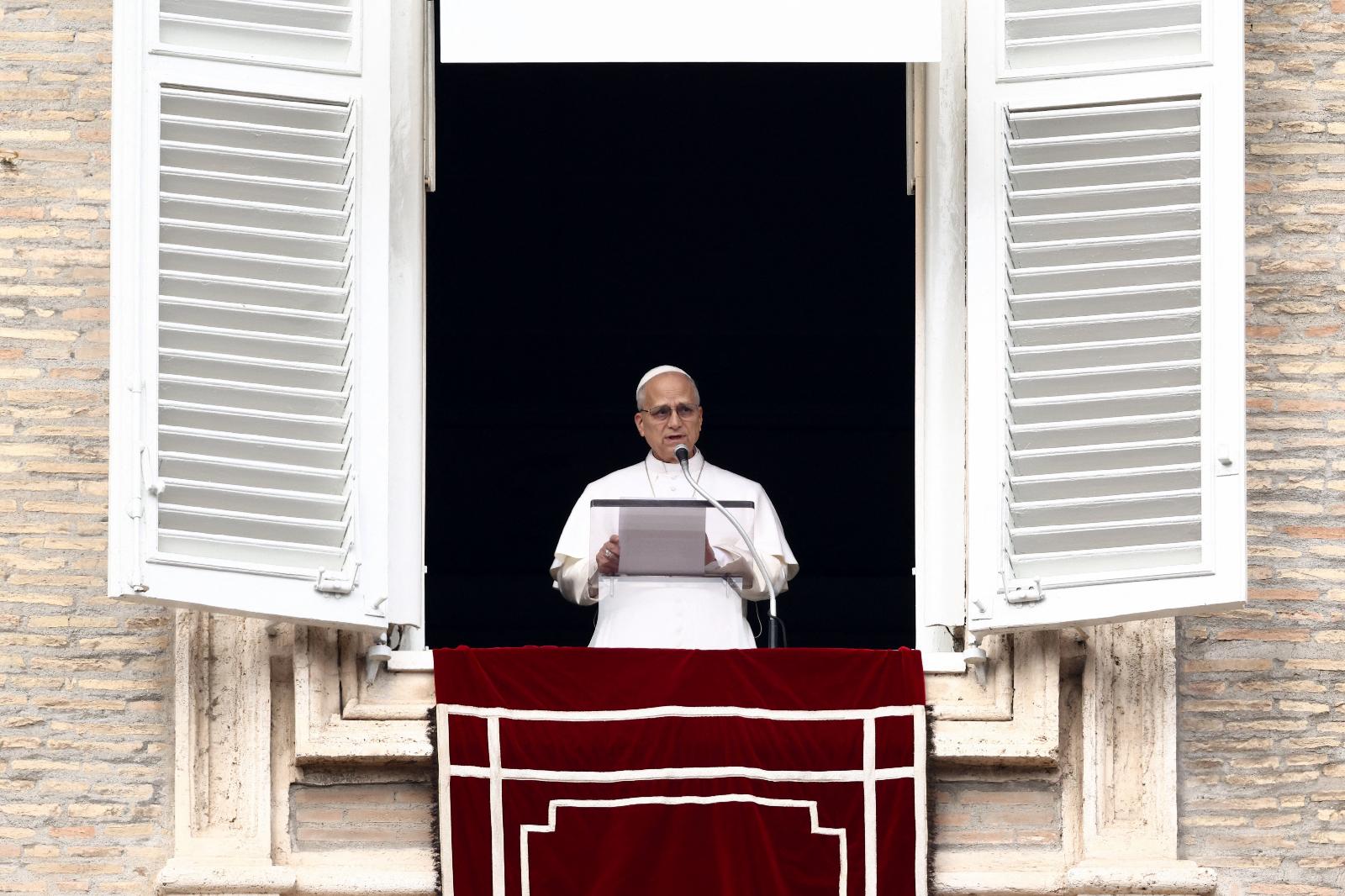
See the Pope at the Papal Audience or Sunday Angelus
pope leo XIV angelus

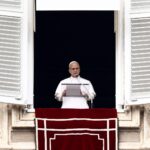
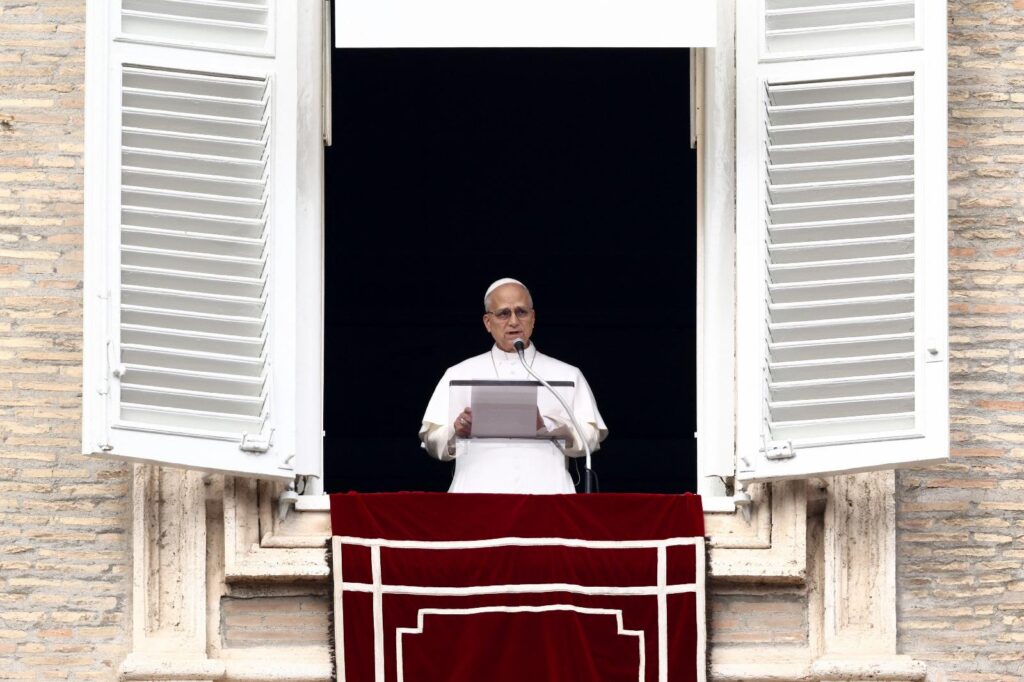
Seeing the Pope in person doesn’t cost a thing. Every Wednesday at 10am, Pope Leo XIV holds the General Audience in St. Peter’s Square or, in colder months, in the Paul VI Audience Hall. The ceremony usually opens with a ride through the crowd in the Popemobile, followed by a short catechesis and a blessing. Tickets are free, but you need to request them in advance from the Prefecture of the Papal Household.

If you’d rather skip the paperwork, go on Sunday. At noon the Pope leads the Angelus from the window of the Apostolic Palace overlooking St. Peter’s Square, with a short prayer and blessing. No ticket is required: just go through security and join the crowd.

There are no audiences in July, when the Pope spends part of the summer in Castel Gandolfo. For dates, ticket requests and tips for the day, read our guide on how to see the Pope in Rome.


Vatican Museums are free on the last Sunday of the month

Top Free Things to do and see in Rome

Explore one of the most important sites in the world, the Vatican Museums, which feature incredible art collections, including masterpieces of inestimable historical and artistic value: undoubtedly one of the most famous museums in the world. On the last Sunday of each month the Vatican Museums are free of charge, it may be necessary to wait at the entrance during this special opening as it is not possible to book online. The opening hours are from 9am to 2pm, last admission at 12:30 pm: visit the official website of the Vatican Museums for more information.

Read more about The Vatican Museums


Take a street art walking tour throughout Rome neighbourhoods

Street art has become an important phenomenon all over the world, and Rome is no exception. Walking in almost every district of the city you can admire a series of murals and graffiti created by a series of artists, some even internationally renowned. Discover the thousand identities of the many different neighborhoods of the city: Garbatella, San Basilio, Quadraro, San Lorenzo, Pigneto: a real open-air museum, with no entrance fee!

Read more about Street Art in Rome


See the Trevi Fountain

Guide to Rome's Centro Storico Neighbourhood

The Trevi Fountain is the most famous fountain in the world, attracting over 10 million visitors a year. This extraordinary Baroque fountain is an ensemble of mythical figures and wild horses occupying the entire side of Palazzo Poli. When visiting the Fontana di Trevi, it’s tradition to toss a coin over your shoulder to ensure your return to the Eternal City.

The fountain is still free to admire from Piazza di Trevi at any time. Since 2 February 2026, however, close-up access to the basin (“catino”) costs €2 for tourists and non-residents, daily from 9am to 10pm, while residents, children up to 5 and people with disabilities enter for free. Read more here.


Enjoying a picnic or a bike ride along the Parco degli Acquedotti and Ancient Appian Way

parco degli acquedotti

Just outside the city center is one of Rome’s most famous parks – the Parco degli Acquedotti. Far away from the hustle and bustle of the city you’ll find a park with pathways filled with streams, pine trees, and ancient aqueducts. The park is a great historical site and an excellent location for  running and cycling. Plus, entry is free! And just a short bike ride from the park you’ll find the Ancient Appian Way – one of the most famous ancient roman roads. Along Via Appia Antica you’ll encounter numerous monuments, milestones, basilicas and tombs. During ancient Roman times, the road was essential in transporting troops down Brindisi’s port in southeast Italy.  

The park is open from sunrise to sunset, where the sun rays lay over the massive aqueducts, framed by pine trees. If instead of visiting the Ancient Appian Way and Parco degli Acquedotti on your own you’d rather visit them with a group or with a guide, we recommend you reserve a guided bike ride tour here or a golf cart tour on the Appia Antica.


Get a stunning panoramic view from the Pincio terrace

terrazza del pincio

Rome is well-known for its remarkable history and architecture. And the Pincio Terrace in Villa Borghese is the perfect spot to view Rome from the top. From the terrace you can admire the view of beautiful Piazza del Popolo, the dome of St. Peter’s Basilica and much more. The Pincio terrace sits right above Piazza del Popolo, at the end of Via del Corso, and is open to the visitors every day, at all times. The best time to come is at sunset.


Exploring the architectural and artistic masterpieces of the hundreds of churches in Rome

basilica-di-san-giovanni-in-laterano-roma

Visiting the many churches in Rome is a must for anyone. Did you know that Rome is home to more than 900 churches (including some of the oldest in the world)? So there’s no doubt the Eternal City is the most interesting place on Earth when it comes to visiting basilicas, cathedrals and churches. But it’s not just the religious aspect that draws millions of people to visit churches in Rome – each one is unique and boasts architectural or artistic masterpieces, some are even the burial site of some true greats. Among the most beautiful churches to visit there’s the Basilica of Santa Maria in Trastevere – the oldest church in Rome dedicated to the Virgin Mary – featuring six golden mosaics by Pietro Cavallini; the glorious church of Sant’Ignazio di Loyola in Campo Marzio with frescoes by Andrea Pozzo; and the Basilica di San Pietro in Vincoli (Saint Peter in Chains) home to the relic of Saint Peter’s chains when he was imprisoned in Jerusalem and Michelangelo’s Moses.


Enjoy a stroll or bike ride along the Tiber River

Free things to do in Rome

The city of Rome has the Tiber River to thank for making it into the developed area it is today–this vital resource is said to be where the city truly began. Today you can enjoy a peaceful walk or scenic bike ride along the water. The bike trail starts from the Basilica of San Paolo fuori le Mura and extends all the way to the Stadio Olimpico, covering a total distance of nearly 10 km along the banks of the Tiber River. The path traverses some of the city’s most popular areas, yet it remains below street level, away from traffic and intersections.


Pay tribute to the former Jewish Ghetto

free things to do in Rome
Photo by Daniele Dorelly flickr.com/photos/danmagma/

In 1555 the Catholic Church chose to revoke all rights of Italy’s large Jewish population and have them confined to this area in Rome. This was just one of many mandates that allowed the Church to establish more control over the Jewish population. In this ghetto people were not allowed to carry out any kind of trade or own any land. Despite the circumstances, the population persisted and survived. Today the Synagogue and the Jewish Museum are some of the most popular tourist attractions as it represents the perseverance and fortitude of an oppressed population.

This destination is of course meaningful in a historical and religious sense, but that is not all it has to offer its visitors. The area is considered one of the most beautiful neighborhoods of Rome and offers an excellent culinary experience from the many restaurants throughout the area.

Read more about Rome’s Jewish Ghetto


Take in the views from the Janiculum Hill

 free things to do in Rome
Photo by Daniele Dorelly flickr.com/photos/danmagma/

Taking in the stunning views of the capital is definitely one of the best free things to do in Rome. The Janiculum Hill (or Gianicolo) consists of two large avenues that offer gorgeous scenes of the city of Rome. The two paths are lined with beautiful trees and border Villa Aurelia. They merge into one path in the Piazzale Garibaldi that descends down toward the church of Sant’Onofrio. 

The Janiculum Promenade offers views of historic Rome that you cannot get anywhere else. Walking along this path you will also encounter 84 statues of the notable Garibaldi soldiers, the equestrian statue of Garibaldi, the equestrian monument of Anita Garibaldi, and the Lighthouse donated by a community of Italians in Argentina. If you reach the Belvedere del Gianicolo at 12:00pm you can experience a tradition that has been held since 1904, in which three soldiers will load a blank howitzer and fire the cannon shot. 


Visit one of Rome’s free museums
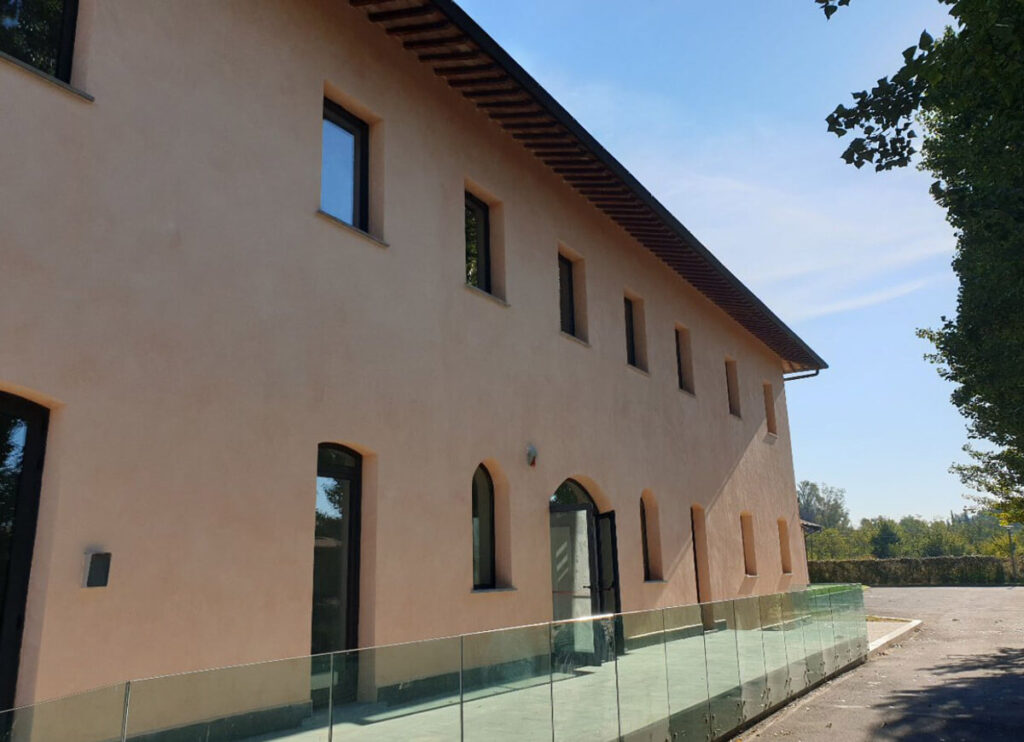
vaccheria-rome

Not every museum in Rome comes with a ticket. A handful of city-run museums are free for everyone, such as the Museum of the Walls inside Porta San Sebastiano and the Museum of the Roman Republic on the Janiculum, while in EUR La Vaccheria, a former dairy farm, hosts contemporary art shows with free entry. Near the Trevi Fountain, the Accademia di San Luca also opens its gallery for free.

Since February 2026, residents of Rome and its metropolitan area get free entry all year round to city-run sites such as the Capitoline Museums and the Ara Pacis, while some previously free museums, including Villa di Massenzio and the Carlo Bilotti Museum, now charge non-residents. Here’s what changed in 2026.

Read more about Rome’s Free Museums

The post Free Things to Do in Rome appeared first on Romeing.

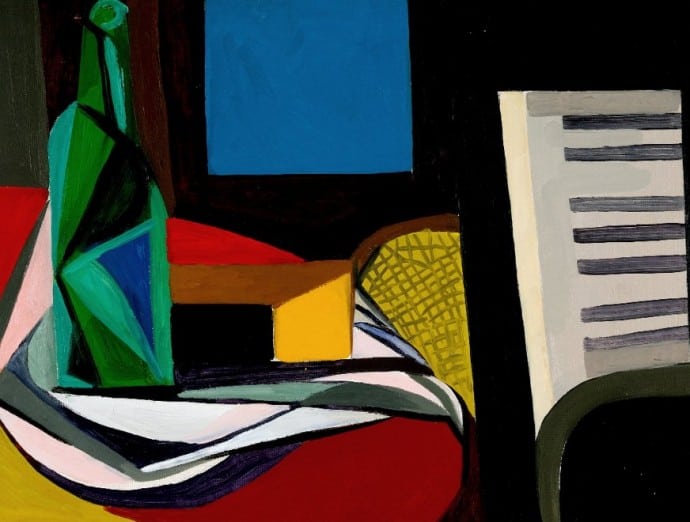
A Roma il Museo Storico della Fanteria ospita, fino al 25 gennaio 2026, Picasso – Il linguaggio delle idee.

Must-Sees in Prati: What to See Around Rome’s Elegant Neighborhood

What to See in Prati, Rome: The Best Places to Visit

Prati is often associated with elegant streets, shopping, and its proximity to the Vatican, but the neighborhood offers much more than its polished first impression suggests. With its wide avenues, Art Nouveau details, local markets, monumental squares and riverside views, this district is one of Rome’s most pleasant areas to explore on foot.

The best way to discover Prati is to start around Piazza Cavour and the riverside, continue along Via Cola di Rienzo, then move toward the Vatican side for Mercato Trionfale and the Passeggiata del Gelsomino. Along the way, make sure to leave time for a coffee, aperitivo or lunch, as this is one of the best neighbourhoods in Rome for experiencing the city at a slower, more local pace.

From hidden churches and historic markets to panoramic walks and postcard-perfect bridges, here are the must-sees around Prati.

Via Cola di Rienzo

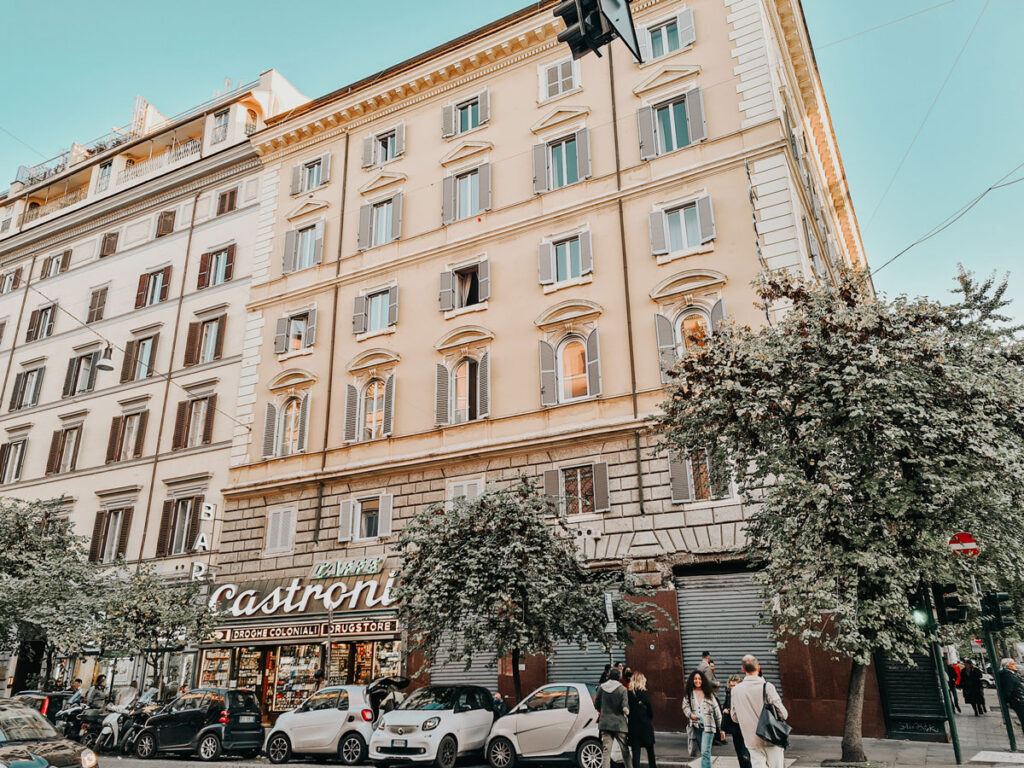
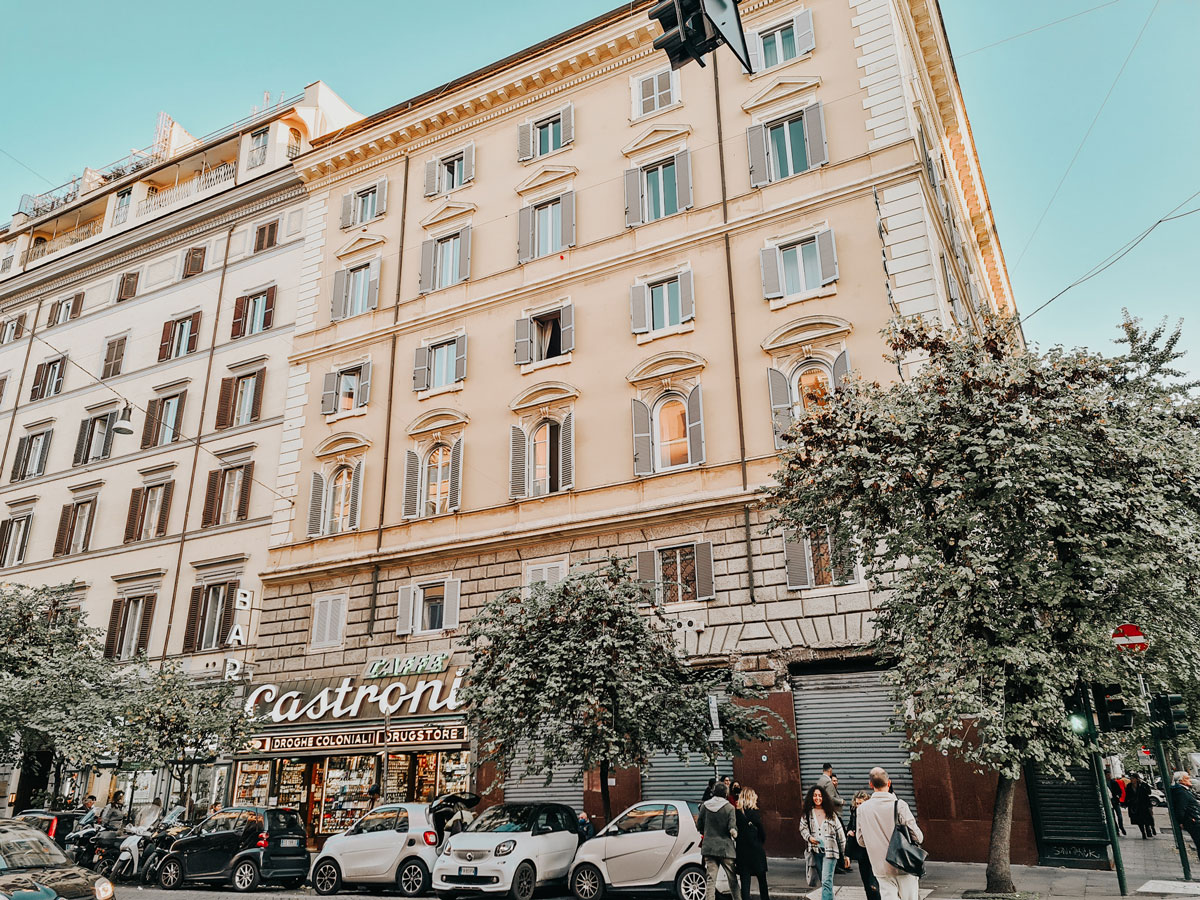
Castroni-Cola-di-Rienzo

Via Cola di Rienzo is Prati’s main shopping street and one of the best alternatives to the busier Via del Corso. Wide, elegant and easy to walk, it is lined with well-known fashion and lifestyle brands, Italian boutiques, cafés and restaurants. It is also one of the best places to understand the neighbourhood’s everyday rhythm: refined, local, and less chaotic than the historic centre.


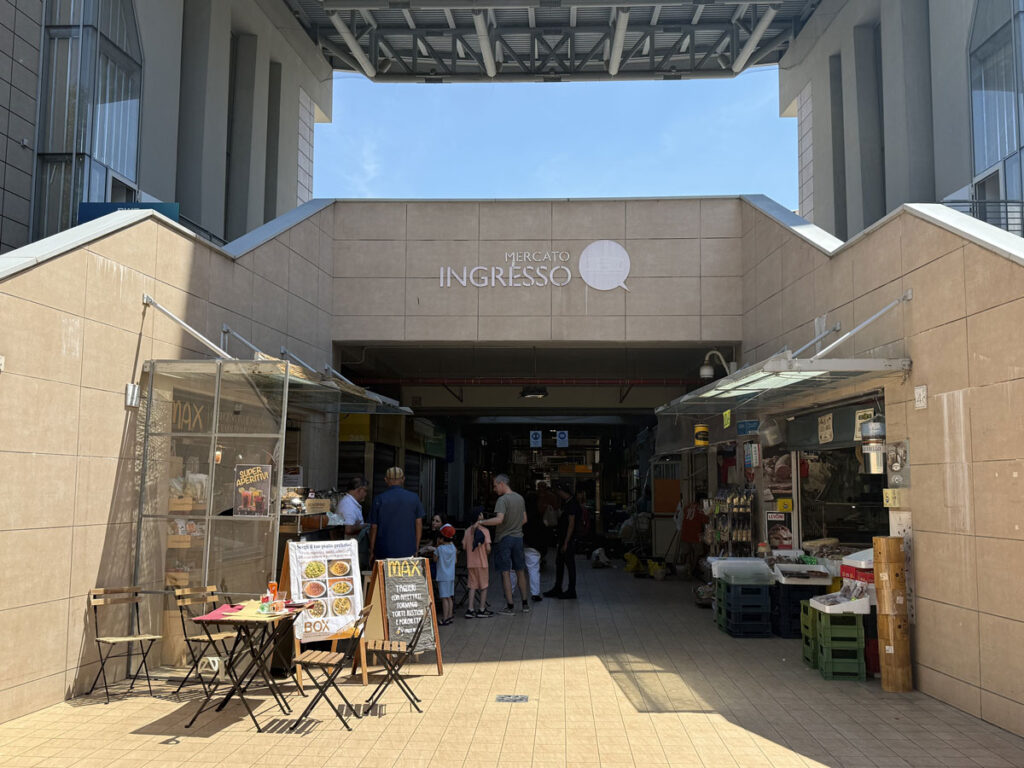
Mercato Trionfale

Via Andrea Doria, 41

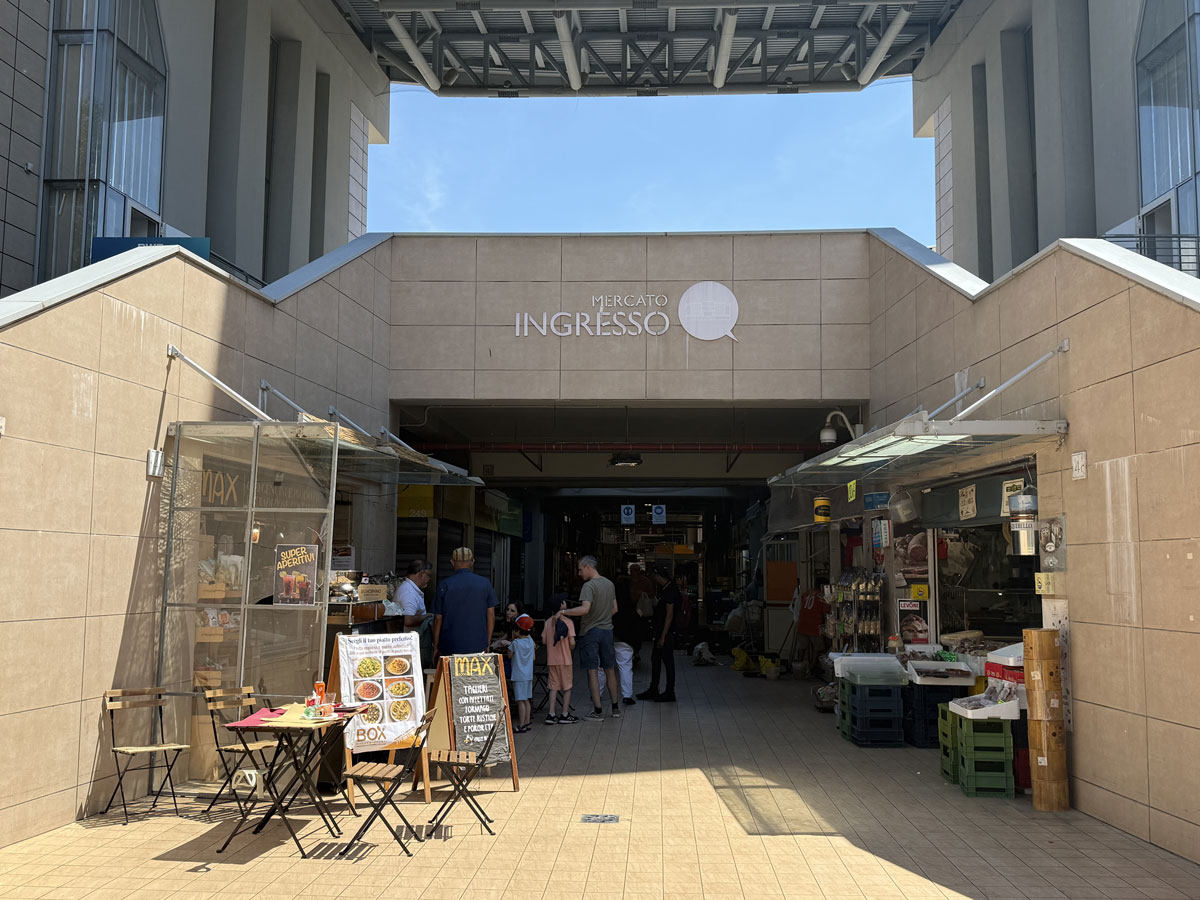
mercato-trionfale

A short walk north from the Vatican Museums, Mercato Trionfale is one of Rome’s largest and most authentic food markets. With hundreds of stalls selling fruit, vegetables, cheese, meat, fish, fresh pasta and Roman specialties, it is the perfect place to see local life in action. Go in the morning, when the market is at its liveliest, and take your time wandering between the stalls.


Chiesa del Sacro Cuore del Suffragio

Lungotevere Prati

Chiesa del Sacro Cuore del Suffragio

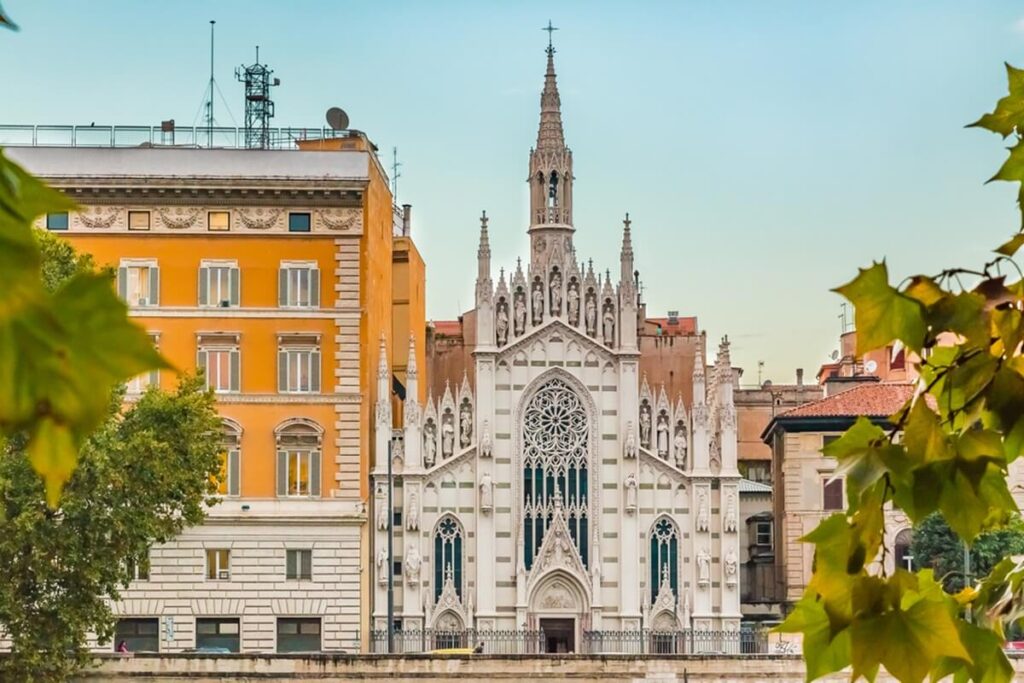
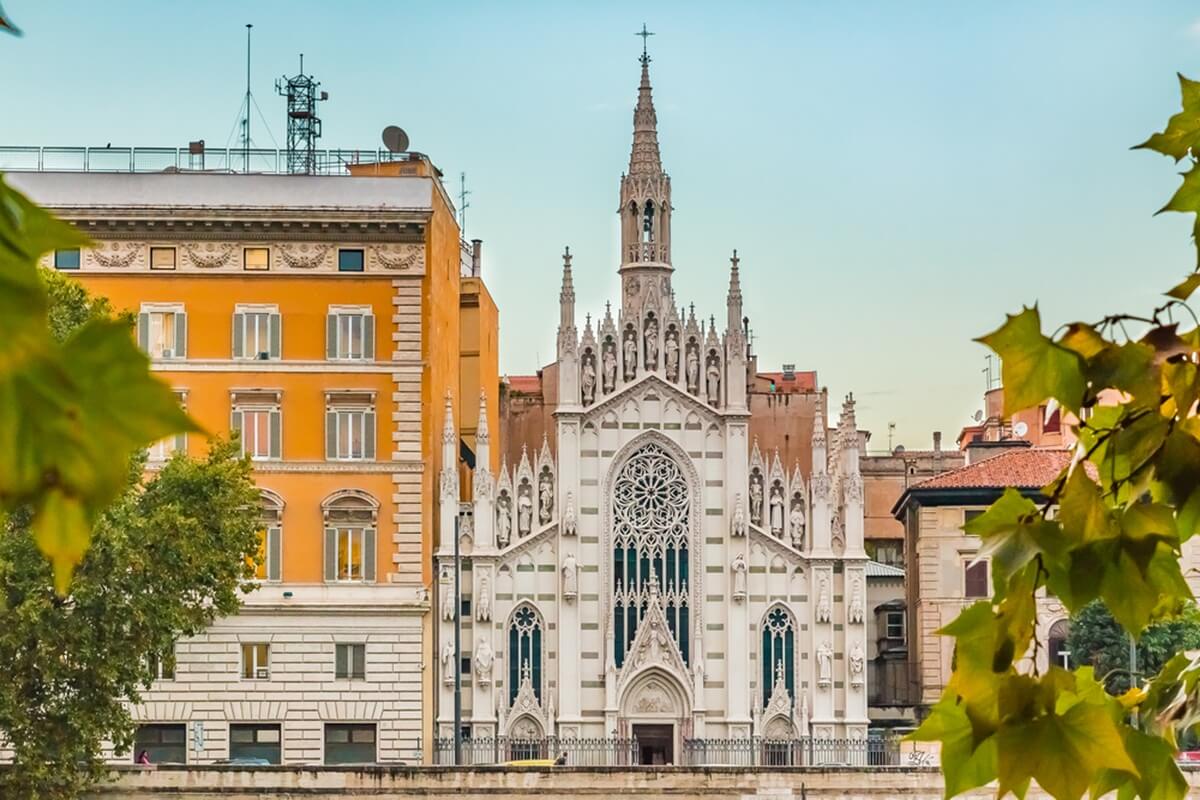
Facing the Tiber, the Chiesa del Sacro Cuore del Suffragio is one of Prati’s most curious landmarks. With its white, neo-Gothic façade, it bears striking resemblance to the Duomo di Milano, giving it the nickname of Rome’s “little Milan Cathedral”. In addition to its grand columns and vast chapel, inside the church is also home to the small Museum of the Souls of Purgatory, a peculiar and little-known collection that adds to the church’s mysterious charm.


Castel Sant’Angelo

Lungotevere Castello, 50

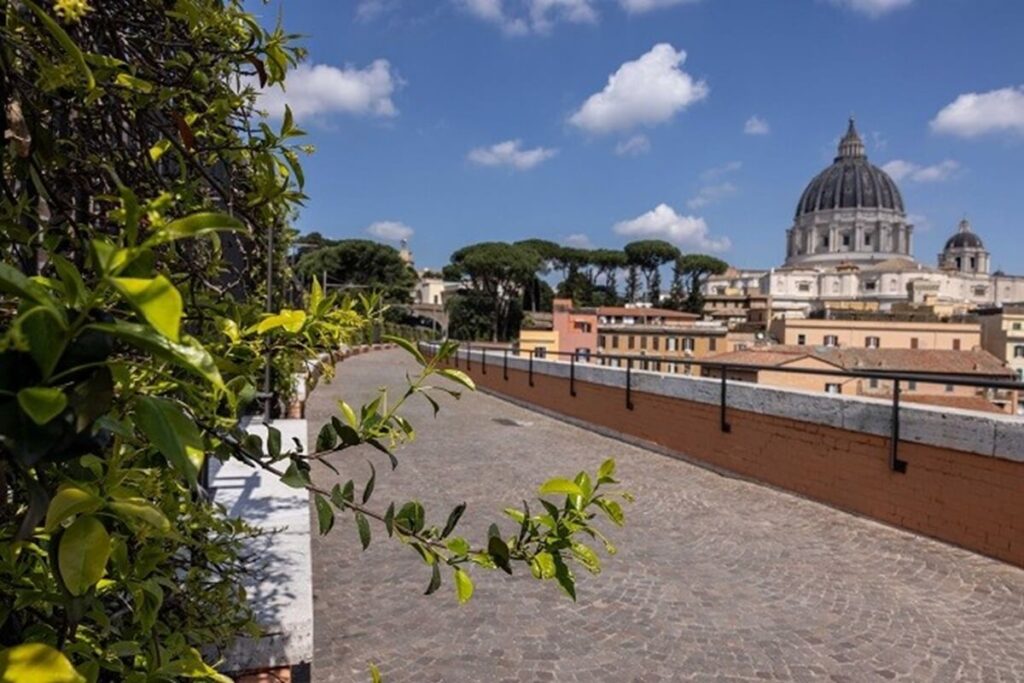
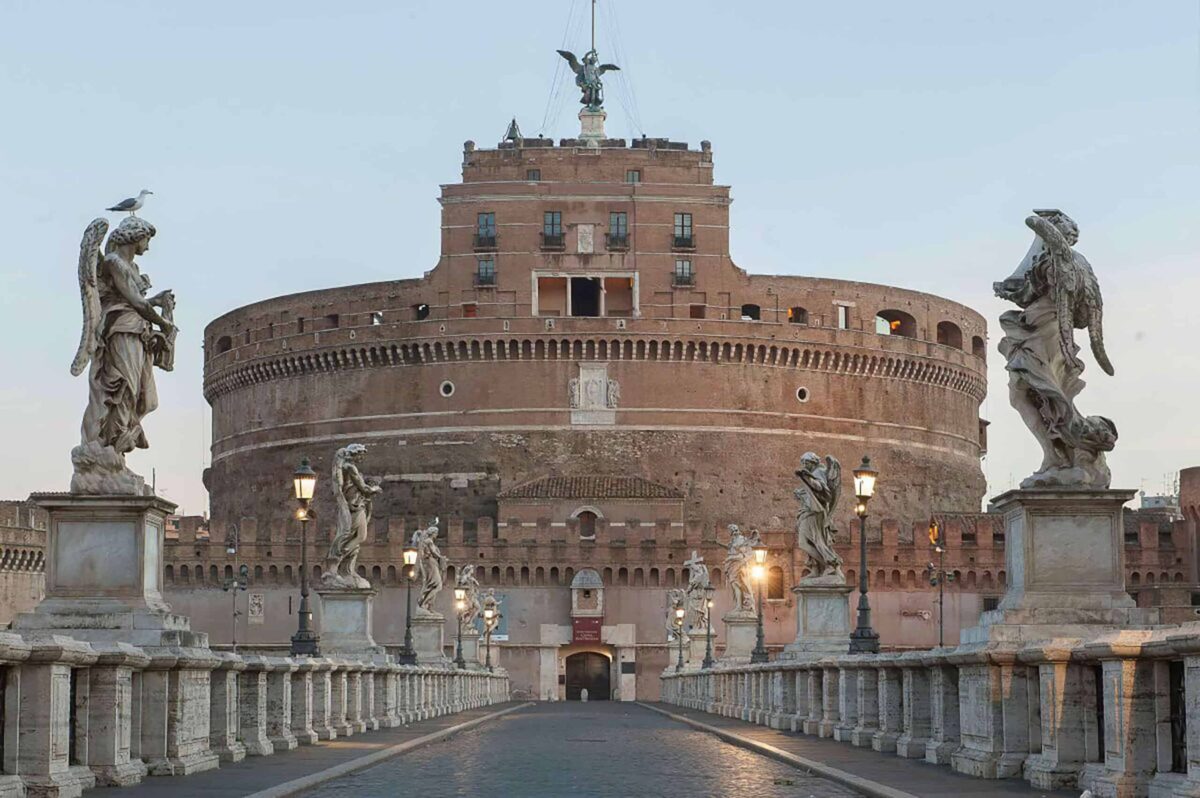
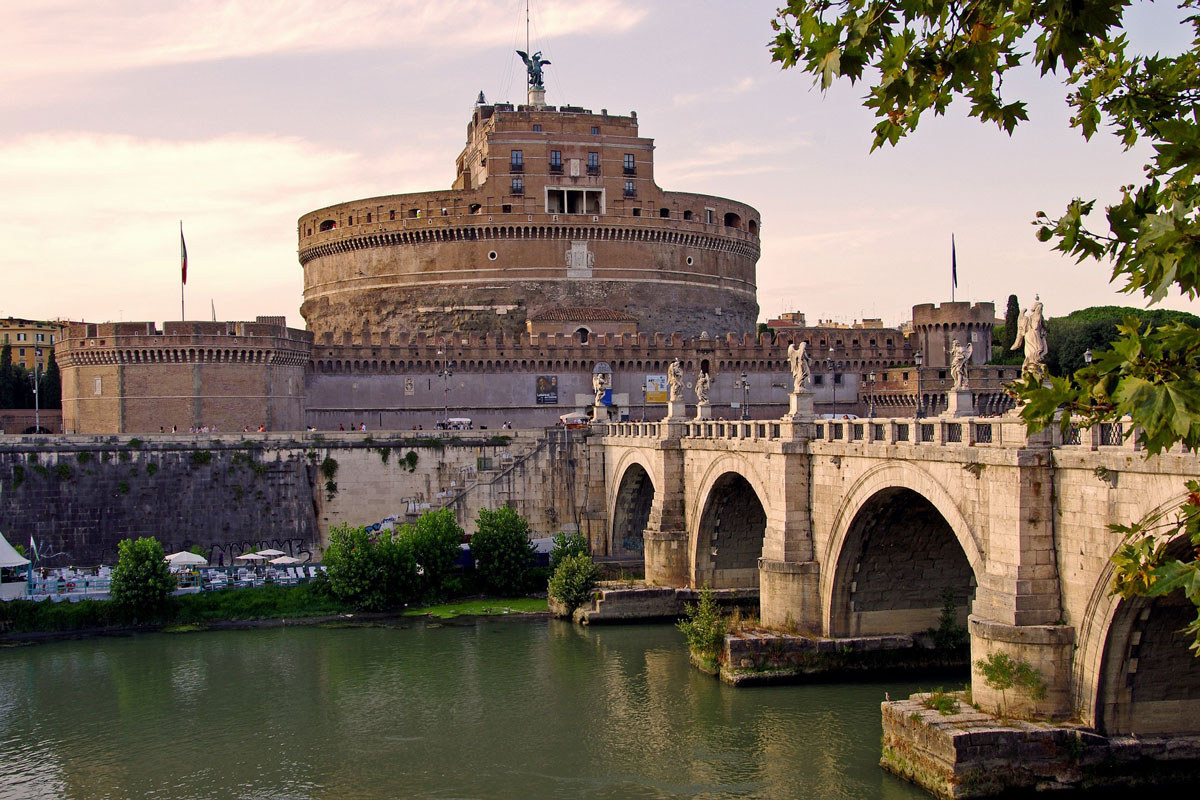
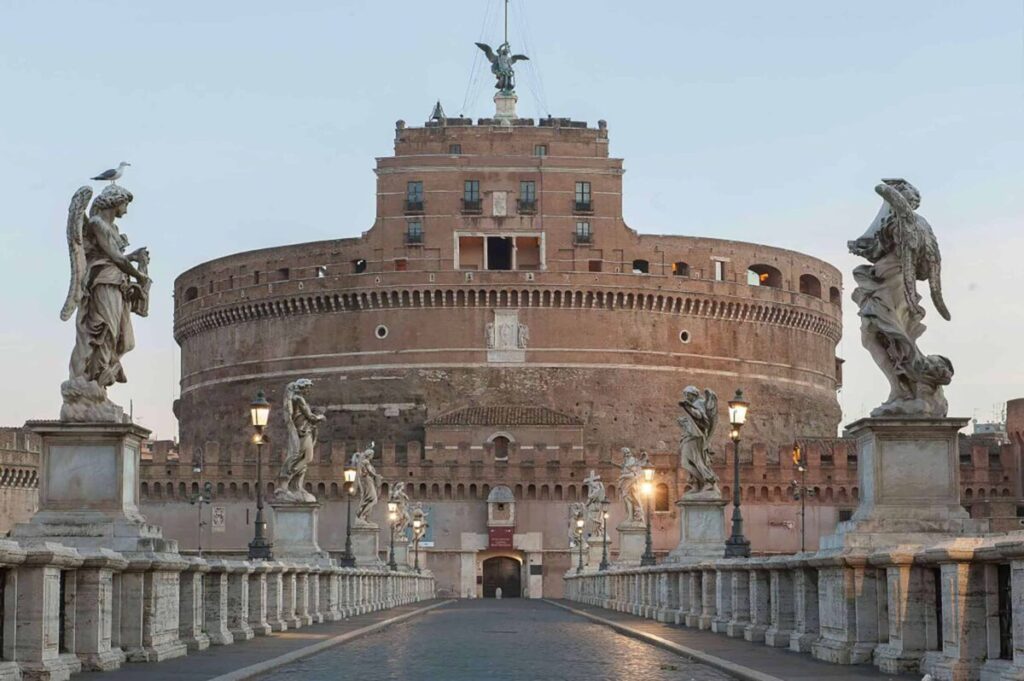
Technically just outside Prati, Castel Sant’Angelo is impossible to leave out. Originally built as Emperor Hadrian’s mausoleum, it later became a fortress, papal residence and prison. Today, it is one of Rome’s most fascinating monuments, with panoramic terraces offering beautiful views over the Tiber, St. Peter’s Basilica and the rooftops of the city. Go early in the morning to skip the crowds, or go an hour and a half before closing at 18:00 to see the sun begin to set over the city. 


Ponte Sant’Angelo

ponte-santangelo

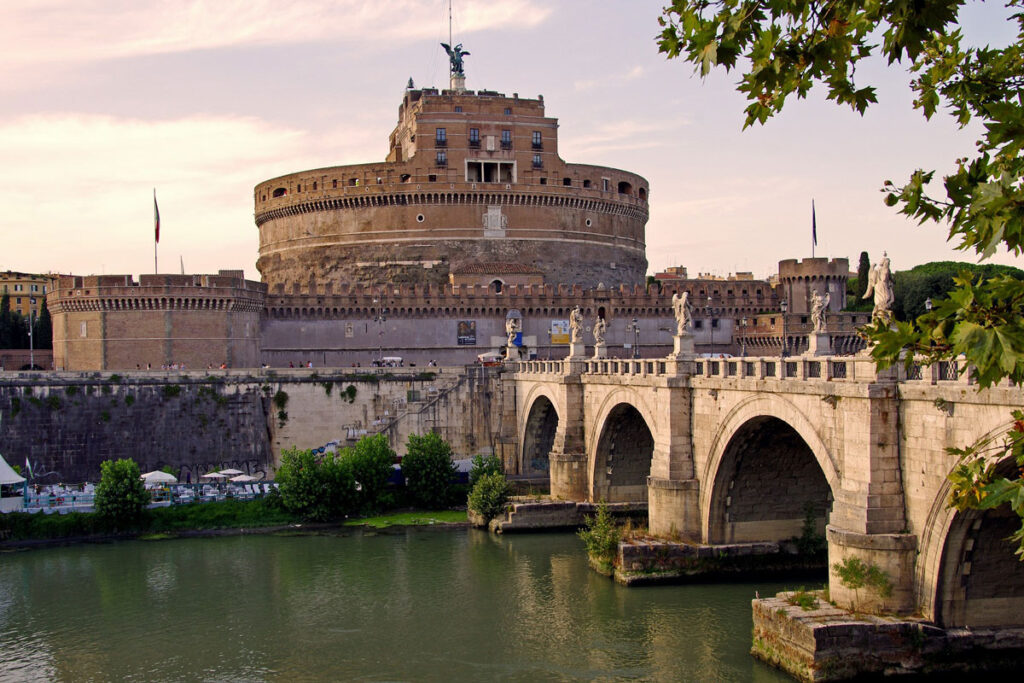
Leading directly to Castel Sant’Angelo, Ponte Sant’Angelo is one of the most scenic bridges in Rome. Lined with angel statues designed by Bernini and his workshop, it is especially beautiful at sunset, when the light falls over the river and the dome of St. Peter’s appears in the background. It is one of the best photo spots between Prati and the historic centre.


Piazza Cavour

Piazza-Cavour

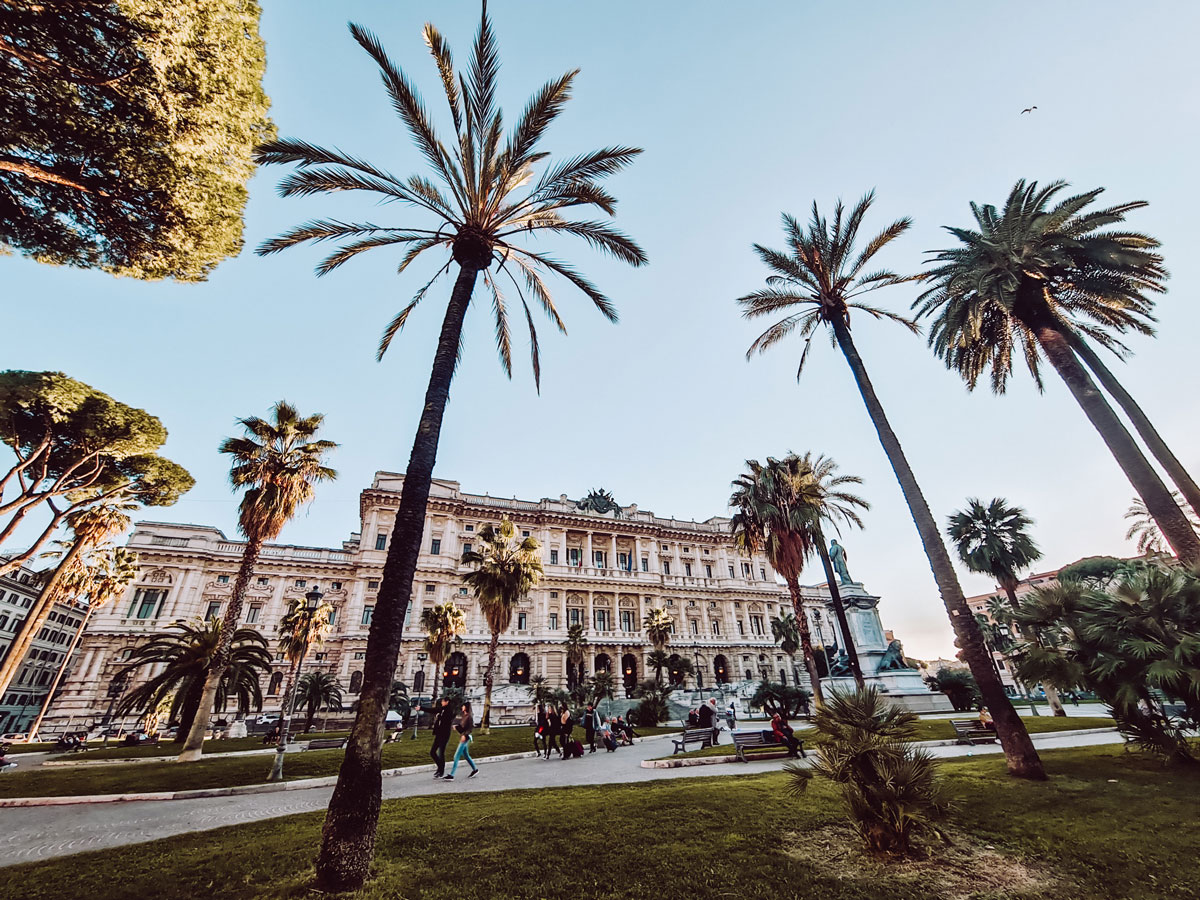
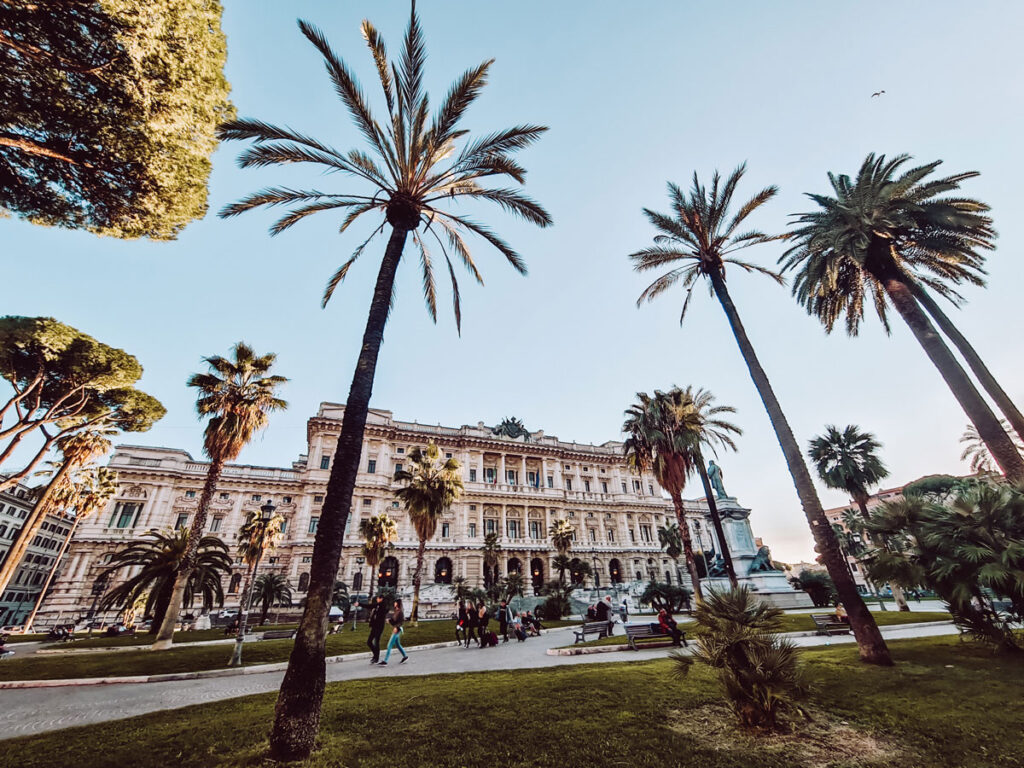
At the heart of Prati’s institutional side, near Sant’Angelo, Piazza Cavour is dominated by the monumental Palazzo di Giustizia, known by Romans as the “Palazzaccio”. The square itself is spacious and elegant, with gardens, cafés and a more local atmosphere than many of Rome’s central piazzas. It is a good starting point for exploring both Prati and the riverside.


Chiesa di San Gioacchino in Prati

Via Pompeo Magno, 25

Chiesa-di-San-Gioacchino-in-Prati

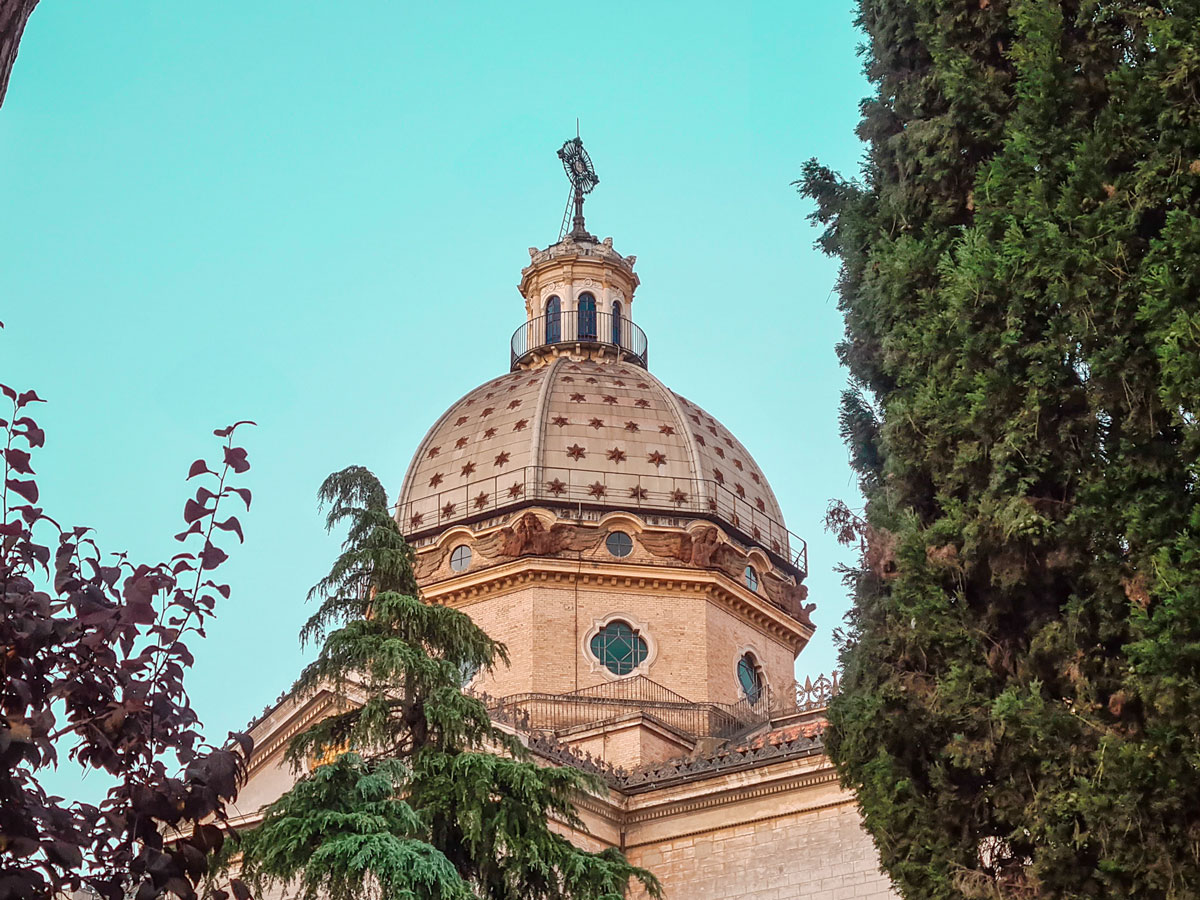
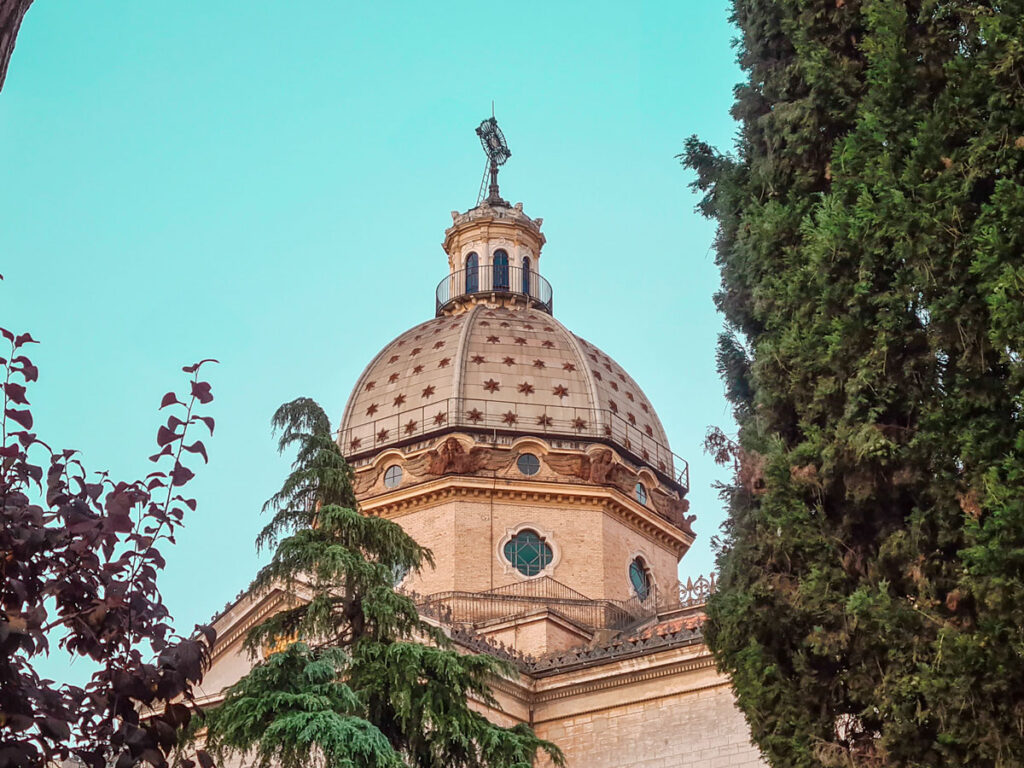
Often overlooked, the Chiesa di San Gioacchino in Prati is one of the neighbourhood’s most distinctive churches. Built at the end of the 19th century, it stands out for its large dome and richly decorated interior. It is worth stepping inside if you are nearby, especially for those interested in lesser-known religious architecture in Rome.


Passeggiata del Gelsomino

St. Peter’s Station / Via della Stazione Vaticana

passeggiatadelgelsomino

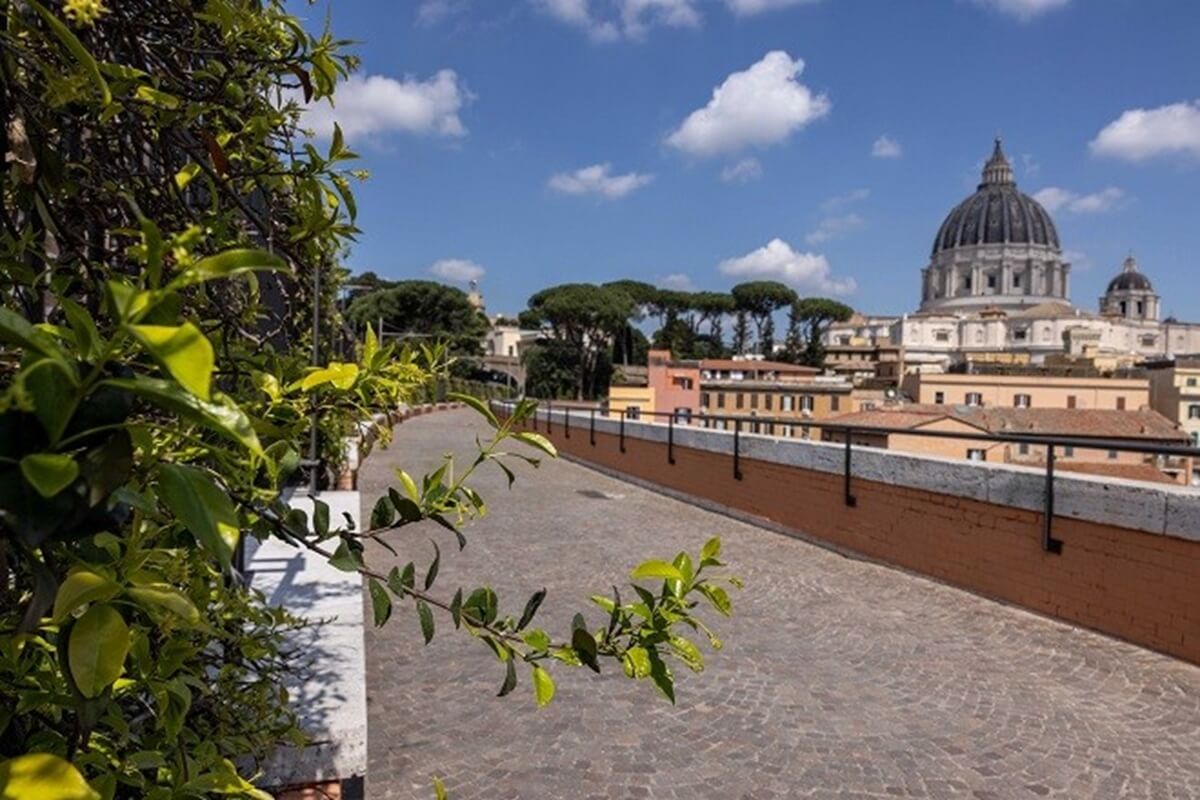
One of the area’s most surprising walks, the Passeggiata del Gelsomino follows a former railway path near the Vatican. Quiet and scenic, it offers unique views of St. Peter’s dome from a different perspective. It is a short but memorable detour, especially if you want to escape the crowds and discover a more hidden corner of the city.

INSPIRATION
10 places to discover off the beaten path in Rome


Like this? Now read:

  The best restaurants in Prati

  The best bars in Prati

  Rome’s Prati district

The post Must-Sees in Prati: What to See Around Rome’s Elegant Neighborhood appeared first on Romeing.
Palazzo da Mosto

Palazzo da Mosto is an imposing fifteenth-century palace overlooking Via Mari and Via Dante.

Historical Notes

Palazzo da Mosto was built between 1488 and 1495 by order of Francesco da Mosto, ducal farmer, responsible for tax collection for the Este family. The palace stood in a secluded part of the city, away from the commercial streets, in the San Pietro district. This area of ​​the city had been designated, since the 13th century, as a convent for the Mendicant religious orders. The palace was not far from the Hospital of Santa Maria Nuova, built in 1374, and the Carmelite convents of Corpus Domini and San Marco.

[show_more more= “Leggi tutto” less=”Riduci”]

After some transformations in the seventeenth century and the purchase by the governor Giovan Battista de Mari in 1750, in the second half of the nineteenth century, the complex was used as a nursery school, at the behest of Pietro Manodori, president of the Monte di Pietà.

[/show_more]

The Architecture

Today, Palazzo da Mosto overlooks Via Mari and Via Dante, joining a series of houses on the southern side and the 20th-century building known as “delle Ancelle” to the north. The façade and side feature a sequence of rectangular windows on two floors, with terracotta frames still visible on the north side. The building is crowned by a cornice with a terracotta frieze featuring a vine scroll, originally painted, shields with male heads, and the da Mosto family coat of arms.


Particolare del fregio con clipei con teste virili
Particolare del fregio con i clipei con teste virili.

The entrance to the building is provided by an arched door, with smooth jambs, strip cornices and capitals decorated with dentils, ovals and half daisies.

[show_more more= “Leggi tutto” less=”Riduci”]

At the northeast corner of the building, beneath the terminal frieze, a sandstone lion with outstretched paw and a heraldic plaque was inserted, but it was destroyed during an air raid in 1944.

Entering the building, the entrance hall, covered with cross vaults, leads to a courtyard with a shrine originally painted with an architectural perspective.

The counterfaçade leads to the double loggia with a grand staircase leading to the piano nobile.

[/show_more]

The Interior

The Four Ground Floor Rooms

In the four connecting rooms on the ground floor, you can admire a long decorative cycle with mythological themes. In the first room, you can recognize Vulcan in his workshop, Venus with Cupid, Pomona, the Roman goddess of fruit, with a sickle in her hand, Pan with his bagpipe, Silvanus, god of the forests and the countryside, and Vertumnus, who presides over the ripening of fruit.

In the second room, the frieze continues with representations of Apollo on the sun chariot, perhaps heading towards Python, the dragon-serpent who protected the oracle of Delphi, and a she-bear surrounded by stars, recalling the myth of Callisto and the Great Bear. Then, Jupiter, Mercury in flight, and the long narrative of the myth of Proserpina.

In the third room, the frieze depicts knights, a battle between Christians and Ottomans, warships, a military camp, ox-drawn carts, sheep, and, finally, a crouching woman cooking with a rotisserie.

There are no surviving documents regarding the decorative cycle on the ground floor of Palazzo da Mosto. Critics believe it dates back to the 16th century, suggesting the artist was Giovanni Giarola.

The main floor

The large reception hall and the rooms flanking the north side retain precious coffered ceilings, with heraldic coats of arms and decorations from the late Middle Ages and early Renaissance. In one of the northern rooms, the coffered ceiling bears the date 1495.

Aquila simbolo di San Giovanni nel soffitto ligneo
Lion symbol of St. John in the wooden ceiling.
L'uomo nimbato simbolo di San Matteo nel soffitto ligneo di una delle stanze del piano nobile. 
The haloed man symbol of Saint Matthew in the wooden ceiling.
Il toro simbolo di San Luca nel soffitto ligneo di una delle stanze del piano nobile. 
The bull symbol of Saint Luke in the wooden ceiling.
L'aquila simbolo di San Giovanni nel soffitto di una delle stanze del piano nobile. 
The eagle, symbol of Saint John, on the wooden ceiling.
[show_more more= “Leggi tutto” less=”Riduci”]

At the end of the 17th century, the palace underwent a series of renovations, including the elimination of the 15th-century loggia, replaced by the monumental hall overlooking the courtyard, and the introduction of late Baroque-style painted decorations.

The monumental staircase, also in Baroque style, dates back to the 18th century.

Palazzo da Mosto
Scalone monumentale
[/show_more]

Today Palazzo da Mosto is a cultural and exhibition space available to the city.

Palazzo Magnani

Palazzo Magnani stands on one of the most majestic streets in the heart of the city, Corso Garibaldi.

Historical Notes

The first records of Palazzo Magnani date back to 1608, when documents attest to its ownership by the Becchi family.

In the corner of the palace, between Corso Garibaldi and Via Vicedomini, is an admirable two-faced Janus, dated 1576 and attributed to Prospero Sogari, an artist from Reggio Emilia known as Clemente.


Giano bifronte
Two-faced Janus
[show_more more= “Leggi tutto” less=”Riduci”]

At the beginning of the 18th century, the palace passed into the hands of the Chioffi family, who undertook major restoration work. Beginning in 1841, work was carried out on the façade and the vaulted entrance hall. The monumental staircase leading to the piano nobile also dates back to the 19th century.

In the entrance hall, the Chioffi family coat of arms can be seen on the vault and on the wrought-iron gate. The first room on the ground floor also features the initials of the founder, Giuseppe Chioffi, G.C. After a series of changes of ownership, in 1917, the palace was sold to the Magnani family, later becoming the city residence of Luigi Magnani, a renowned art collector, musicologist, and man of culture. In 1988, the palace was sold to the Province of Reggio Emilia.

[/show_more]

Architecture

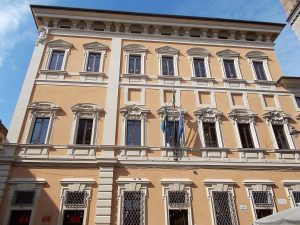
The façade of Palazzo Magnani features an elegant neoclassical design, with a sequence of ashlars, two rows of windows, and an imposing cornice with a frieze. Above the large door, you can admire the stone balcony with carved figures and bas-reliefs.

[show_more more= “Leggi tutto” less=”Riduci”]

The complex extends over approximately 3,000 square meters, including the main building, the noble palace, and the stables. The building to the north of the palace features two courtyards.


Cortile di Palazzo Magnani

Inside the noble palace, the grand staircase, with stone steps and late-19th-century decoration, leads to a large gallery supported by stucco-decorated corbels. The decorative features on the main floor are exquisite. The entrance loggia features floral motifs with cherubs, and two views are depicted above the doors. One depicts the castle of Castelnovo Sotto, the Chioffi family’s hometown.

Among the various rooms, the dining room, the Sala à manger, is certainly worth admiring, with its frescoed ceiling depicting the god Bacchus amidst a display of game, cabbages, and pumpkins.

[/show_more]
Sala del palazzo nobiliare
Hall of the noble palace

Palazzo Magnani, home of the Palazzo Magnani Foundation, is today a vibrant cultural center and venue for major exhibitions. The Foundation promotes and disseminates the visual arts, organizes cultural events and initiatives, and enhances the local area.

Palazzo Magnani Foundation Reggio Emilia website: https://palazzomagnani.it


Palazzo Fontanelli Sacrati

Palazzo Fontanelli Sacrati is located at Via Emilia San Pietro, 27, in Reggio Emilia.

Historical Notes

The origins of Palazzo Fontanelli Sacrati date back to the late 15th century, a period of great urban transformation for Reggio Emilia. In 1492, the brothers Giovanni, Andrea, and Jacopo Fontanelli, members of one of the city’s most prominent families, decided to unify and reorganize the properties they owned along Via Emilia San Pietro, incorporating pre-existing buildings purchased in 1451 by the Da Correggio family. This operation reflected the taste and custom of the time, when noble families sought to give monumental form to their prestige through the creation of coherent and spectacular residences, capable of affirming their dynastic and social identity.

[show_more more=”Read more” less=”Read less”]

The Fontanelli house, which changed owners and purposes several times over the centuries, has also entered the legendary tradition of Reggio Emilia. According to local lore, Lucrezia Borgia stayed in the palace during some of her trips to Reggio, an event that contributed to the building aura of Renaissance charm and is still remembered on the palace’s official website.

Over time, the building underwent modifications and expansions, until, between 1928 and 1929, it underwent extensive restoration and restoration. This work, conducted according to the aesthetic criteria of the time, aimed to recover the original Renaissance image, but ended up partially altering the building’s authentic appearance. The facade and central courtyard were redesigned, while the original window ornaments were removed and placed in the portico, where they are still visible today as evidence of the building’s earliest phases.

The palace, despite having passed through different eras and functions, still retains its original layout and the memory of its historical stratifications, representing a significant example of an Emilian noble residence between the late Gothic and Renaissance periods.

[/show_more]

Architecture

The current façade is the result of 20th-century renovations; in the internal courtyard, Renaissance columns are re-adjacent to the left side and a crenellated wall painted with the coats of arms of Reggio Emilia families associated with the Fontanelli family.

[show_more more=”Read more” less=”Read less”]

The building features a blend of late Gothic and Renaissance elements. The portico is distinguished by columns with foliate capitals and Gothic-style corbels, while the main floor features mullioned windows and a more classicist portal, decorated with motifs alluding to ancient celebrations of arms.

[/show_more]

Interior

The complex originally developed around three courtyards and incorporated the current Casa Borzagni-Cremonesi, recognizable by its 16th-century Ionic capitals.

Palazzo Fontanelli Anceschi, internal courtyard.


[show_more more= “Leggi tutto” less=”Riduci”]

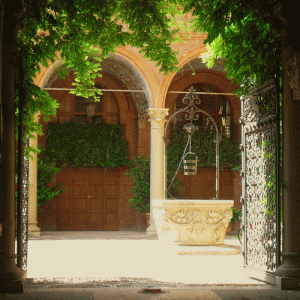
In the main courtyard, stand out the ancient wellhead made of Verona marble; the lantern and wrought-iron gate by Reggio Emilia artist Giuseppe Bagni; and a coffered loggia with a halved upper section.

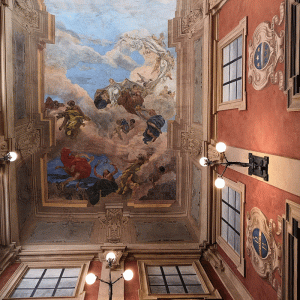
Inside, the main staircase features a ceiling decorated with a 19th-century painting depicting “Aurora on the Chariot,” with cherubs and vegetal scrolls.
Under the portico, the original stone ornaments from the façade are now on display, testifying to the building’s historical phases and serving as public features.

[/show_more]

Palazzo Ducale, Palazzo Salvador Allende

The Ducal Palace, now Palazzo Salvador Allende, is located at Corso Giuseppe Garibaldi, 55-59, in Reggio Emilia.

Historical Notes

The Palazzo Ducale overlooks the heart of Reggio Emilia’s historic center, along the elegant Corso Garibaldi. The building stands opposite the monumental Basilica of the Blessed Virgin of Ghiara, in an area once characterized by the Convent of San Pietro Martire and a cluster of medieval buildings.


[show_more more=”Read more” less=”Read less”]

The palace is one of the urban elements that best illustrates the city transition from a medieval and religious structure to the modern form of the Renaissance and late-18th-century city. The palace assumed its current form at the end of the 18th century: in 1783, by decree of Duke Francesco III d’Este, it was decided to demolish the monastery of San Pietro Martire and build a new Palazzo di Governo for the city. The project was entrusted to architect Pietro Armani. By 1786, the building was substantially complete and soon after began its institutional function. Subsequently, in 1814, the city offered it to Duke Francesco IV of Habsburg-Este as his residence in Reggio. During the 19th and 20th centuries, the building was used as public offices (Prefecture, Province) and underwent various external and internal renovations, eventually incorporating pre-existing structures such as the Oratory of Santa Liberata

[/show_more]

Architecture

The building features a sober and imposing neoclassical facade that extends along Corso Garibaldi. The large volume was conceived as a palace of representation and government: three internal courtyards, a complex series of rooms spanning multiple floors, and a layout that emphasizes solemnity but also clarity of architectural axes

[show_more more=”Read more” less=”Read less”]

In 1911, work was carried out that modified the interior and exterior layout, including the incorporation of the Oratory of Santa Liberata into the main body of the palace. The facade, the rhythm of the windows, and the regularity of the decorative elements reflect the style and proportion of public buildings in the late 18th century, when neoclassical taste was also taking hold in ducal residences

[/show_more]

Interior

After crossing the entrance and past the courtyards, the interior of the Palace features state rooms with impressive painted and tempera decorations. Of particular note are the decorations by Vincenzo Carnevali and Prospero Minghetti, who worked on some rooms on the main floor. 

[show_more more= “Leggi tutto” less=”Riduci”]

Inside the Palace, the state apartment features four allegorical scenes: Venus and Cupid, Music, Spring, and Psyche, created by Domenico Marchelli (1763-1832). Other rooms retain Carnevali’s decorations.

These spaces are not simply rooms: they are stages for the ducal representation, intended for ceremonies, audiences, and meetings with the city and administrators. The pictorial, allegorical, and mythological decorations emphasize the symbolic function of power: beauty serves to confer authority and communicate an ideal of enlightened governance.

Interiorly, the spatial distribution favors a succession of rooms with passages leading from the state staircase to the halls, connected to the offices and command rooms. The three internal courtyards also act as a filter between the external city spaces and the centrality of the residence

[/show_more]

Palazzo Busetti

Palazzo Busetti is located in the heart of Reggio Emilia, in Via Emilia, 1a.

Historical Notes

Located in the heart of the historic center, overlooking Piazza del Monte, the palace was born from the ambition of a wealthy 17th-century family, the Busetti counts. Construction began at the behest of Ferdinando Busetti in 1657 and was completed in 1674. Upon the death of his heirs in 1699, the estate passed to a charitable foundation. In the same year, the Episcopal Seminary was built, followed by the Jesuit college, along with a small theater, a church, and a large porticoed courtyard

[show_more more= “Leggi tutto” less=”Riduci”]

Between 1752 and 1783, the building also housed the University of Reggio, where Lazzaro Spallanzani taught. In the 20th century, the building underwent a redevelopment: in 1921, the famous Busetti restaurant and café, the printing press for the newspaper L’Italia Centrale, and the Banca Commerciale Italiana were installed there; between 1939 and the 1950s, the theater, church, and former convent were demolished or repurposed for public offices.

After a long period of neglect, a scientific restoration in the 2000s returned the complex to the city, now divided into the Galleria del Monte on the ground floor, and tertiary functions and residences on the upper floors.

A key event accompanied the redevelopment work: in 2014, excavations uncovered a stretch of Roman road that connected Regium Lepidi to Brixellum.

[/show_more]

The Architecture

The design is attributed to Bartolomeo Avanzini, an artist also active on the Palazzo Ducale in Modena, with Gian Lorenzo Bernini initially involved in the conceptual design phase. The architectural language of Palazzo Busetti is intended to be that of a Roman-style residence: a late-Renaissance/Baroque facade out of scale with the surrounding fabric, a rich decorative repertoire of shells, garlands, masks, and volutes, framing the openings and creating a play of contrasts between smooth and curved surfaces and between light and shadow.

[show_more more= “Leggi tutto” less=”Riduci”]

At the corner of Via Crispi, the Busetti counts coat of arms and the large wrought-iron lantern designed in the early twentieth century by Cirillo Manicardi stand out. The historic plan by Domenico Marchelli (1827) documents the large internal porticoed void, later altered and partially reinterpreted by contemporary interventions.

[/show_more]
Palazzo Busseti, façade

The Interior

The interior reflects the monumentality of the building exterior. The ground floor retains high vaults with stucco decorations and medallions framing paintings by Francesco Viacavi, a student of Luca Ferrari, known as ‘da Reggio’.

[show_more more= “Leggi tutto” less=”Riduci”]

In the early 20th century, Alfonso Govi ​​created additional frescoes. The interior portals are accented by imposing plaster frames, while the walls feature pastel shades and, in some cases, damask motifs. The floors feature alternating polychrome marble inlays room by room and, on the first floor, Venetian terrazzo. Today, the lower floors are accessible during the opening hours of the Galleria del Monte, which occupies the commercial section of the complex.

[/show_more]


Palazzo Ancini

Palazzo Ancini Palazzo Ancini is located in the heart of Reggio Emilia, in via Farini 1. 

Historical notes

Palazzo Ancini is located in the heart of Reggio Emilia, on Via Farini, and is one of the most elegant noble residences in the historic center. Its origins date back to the 16th century, when the building belonged to the Ruggieri family. Over the following centuries, it changed hands several times: to the Pegoletti family in 1659, to the Sormani Counts in 1766, and finally to the Ancini Counts in 1821, from whom it took its current name. Upon the death of Count Giovanni Ancini in 1887, the palace was donated to the Congregazione di Carità, marking the transition from private use to a public function that continues to define its history today.

[show_more more=”Read more” less=”Read less”]

Between 1924 and 1930, the building underwent a major restoration and aesthetic redesign by professor and architect Luigi Bertolini. At a time when eclectic historical tastes intertwined with the civic needs of the modern city, Bertolini reinterpreted the façade in a Mannerist and Baroque style, giving the building the solemn and decorative appearance that still distinguishes it today. The building thus became a symbol of continuity between the aristocratic memory of Reggio Emilia and the new bourgeois and institutional identity of the twentieth century.


Palazzo Ancini, ca. 1920. Panizzi Library Photo Archive

[/show_more]

Architecture

The main façade, overlooking Via Farini, expresses the restraint and elegance of a Renaissance composition enriched by twentieth-century additions. 

[show_more more=”Read more” less=”Read less”]

The lower part of the building retains its original use as commercial spaces, while the upper floors maintain their noble layout with a balanced rhythm of openings and cornices. At the rear and on the Via Don Minzoni side, the 20th-century renovation incorporates similar architectural motifs, blending the various construction phases into a coherent whole.

Passing through the portal, one enters two internal courtyards, separated by a double Ionic colonnade that recalls the classical purity of the late Renaissance. The first courtyard, known as the Courtyard of Honor, is embellished with blind arches, trompe-l’oeil decorations, and infilled windows that simulate openings and reliefs, in a refined illusionistic play of solids and voids.

[/show_more]

Interiors

The main staircase leads to the piano nobile, where the palace’s most representative aspect unfolds. The eighteenth-century staircase retains later pictorial decorations: in 1920, the Reggio Emilia artist Anselmo Govi ​​painted a large frescoed ceiling dedicated to Charity, in homage to the building’s new purpose as the headquarters of the charitable Congregation.

Palazzo Ancini, dettaglio del soffitto


[show_more more= “Leggi tutto” less=”Riduci”]

The upper rooms retain evidence of the rich 18th-century decoration: niches above doorways with allegorical sculptures, stucco, and ornamental frames that interact with more modern elements. In some southeast rooms, polychrome wooden beams and geometric-patterned decorations dating back to the 16th century are visible, revealing the residence’s centuries-old stratification.

Overall, Palazzo Ancini combines the restraint of a Renaissance palace with Baroque and Neo-Mannerist ornamental taste, conveying a coherent and vibrant image of Reggio’s architectural history. Today, it houses municipal offices and public functions, but it continues to be perceived as a symbolic place in the city: a palimpsest of memories, art, and civilization that narrates, through its stones, the continuity of urban life between past and present.

[/show_more]

Palazzo Franchetti

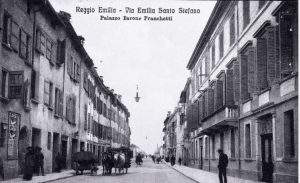
Palazzo Franchetti overlooks Via Emilia S. Stefano, at number 33, with a secondary entrance on Via Raimondo Franchetti.

Historical notes

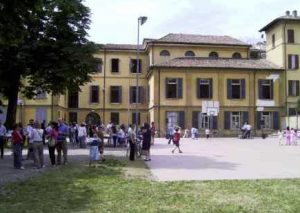
Palazzo Franchetti is an elegant noble residence along Via Emilia, in a refined urban setting, it today houses the “A. Manzoni” Middle School. The building reflects the late 19th-century taste, with a sober yet dignified façade.

Read more

The palace was purchased in 1885 by Baron Raimondo Franchetti, a member of one of the most influential families of the 19th-century Italian Jewish bourgeoisie. After his death, the building passed to his nephews Raimondo and Guido, sons of Alberto Franchetti. In 1921, the palace was sold to the Municipality of Reggio Emilia, which divided up the surrounding park and converted the building into a school, now home to the “A. Manzoni” Lower Secondary School.


Palazzo Franchetti, Scuola "A. Manzoni"
Palazzo Franchetti, today, “A. Manzoni” School

Read less

The Architecture

The palace, spread over four floors and composed of fifty-nine rooms, is an example of late Baroque architecture with neoclassical influences. During the renovation, approximately 200 workers were employed, many of whom were artisans from Venice, who contributed to the creation of valuable interior decorations.


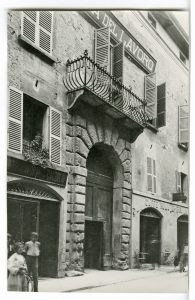
Palazzo Barone Franchetti,  Emilia Santo Stefano Street, photo from the 20th century.

The Palace interior

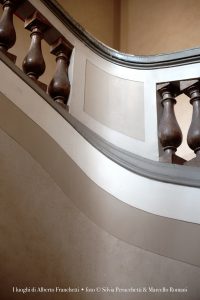
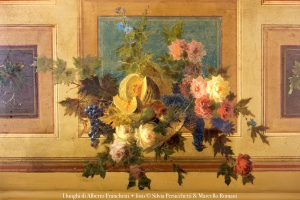
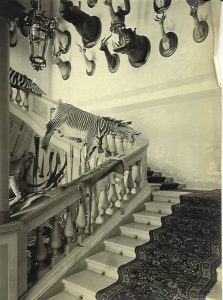
Inside, the palace retains original decorative elements, including frescoes, gilded stucco, carved wood paneling, and marble floors. The monumental staircase, with a wrought-iron balustrade, connects the main floors and is one of the most significant architectural elements of the building.

Leggi tutto

Guido Tirelli created the Grand Hall in an eclectic style, with stucco, molding, and paintings in Art Nouveau style by the artist Giuseppe Tirelli.

Palazzo Franchetti, detail of the staircase


In 1925, the new owner, Eugenio Terrachini, called Guido Tirelli back to complete the project that had been interrupted by the outbreak of the First World War.

Riduci

The collection

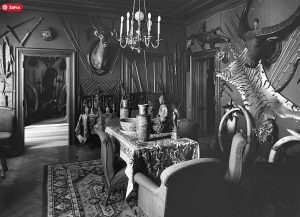
Baron Raimondo Franchetti Jr. (1889–1935), a well-known explorer and collector, enriched the palace with numerous objects collected during his travels in Africa and Asia. 

Palazzo Franchetti, interno con collezioni
Palazzo Franchetti, interior with collections

Leggi tutto

Among the collections were hunting trophies, ethnographic objects, weapons, clothing and musical instruments from regions such as Malaysia, Vietnam, Java, Borneo, Celebes and New Guinea. In 1911, returning from an adventurous journey, he donated a significant part of these finds to the Chierici Museum in Reggio Emilia. Many of these objects are currently preserved at the Civic Museums of Reggio Emilia, particularly in the ethnography and zoology sections.


Palazzo Franchetti, interno con collezioni
Palazzo Franchetti, interior with collections.

Many of these objects are currently preserved at the Civic Museums of Reggio Emilia, particularly in the ethnography and zoology sections.

Riduci

Spalletti Trivelli Palace

Palazzo Spalletti Trivelli is located in Via Emilia San Pietro, on the corner of Via San Nicolò.

Listen to the audio

This elegant palace was built in the late 15th century on a site where a tavern called Osteria del Cavalletto is known to have stood since 1415. In 1685, the palace belonged to Count Paolo Bossi, who then sold the property to the brothers Fabrizio and Orazio Guicciardi, two silk entrepreneurs who needed to boost the family’s prestige in order to obtain a noble title. The façade, divided into three levels, was designed by the architect Giovanni Maria Ferraroni (1662-1755) and was built in the mid-18th century. A series of major works to adapt the palace to the Neoclassical style started in 1830, the year when the building was acquired by Count Gianbattista Spalletti Trivelli. The renovation works were carried out by the engineer Pietro Marchelli (1806-1874) and the painter Prospero Minghetti (1786-1853), both of whom taught at the School of Fine Arts of Reggio Emilia.
Palazzo Spalletti Trivelli became public property in the late 17th century, and after 1940 became the headquarters of Credem bank. The Palace houses important collections of masterpieces of Emilian art from the 16th to the 18th century, as well as oriental and contemporary art, alongside archaeological finds exhibited in the basement where we can see the archaeological remains of the forum of the ancient Roman city of Regium Lepidi.

[See image gallery at visitareggio.it]
❌