After a major restoration, the underground gallery and the great exedra are open to the public on a trial basis, with guided tours for small groups
On the Oppian Hill, a short walk from the Colosseum, the underground gallery and the great exedra of Trajan’s Baths can be visited again. The restoration was completed in September 2026, and since then the site has been open to the public on a trial basis, with guided tours for small groups only.
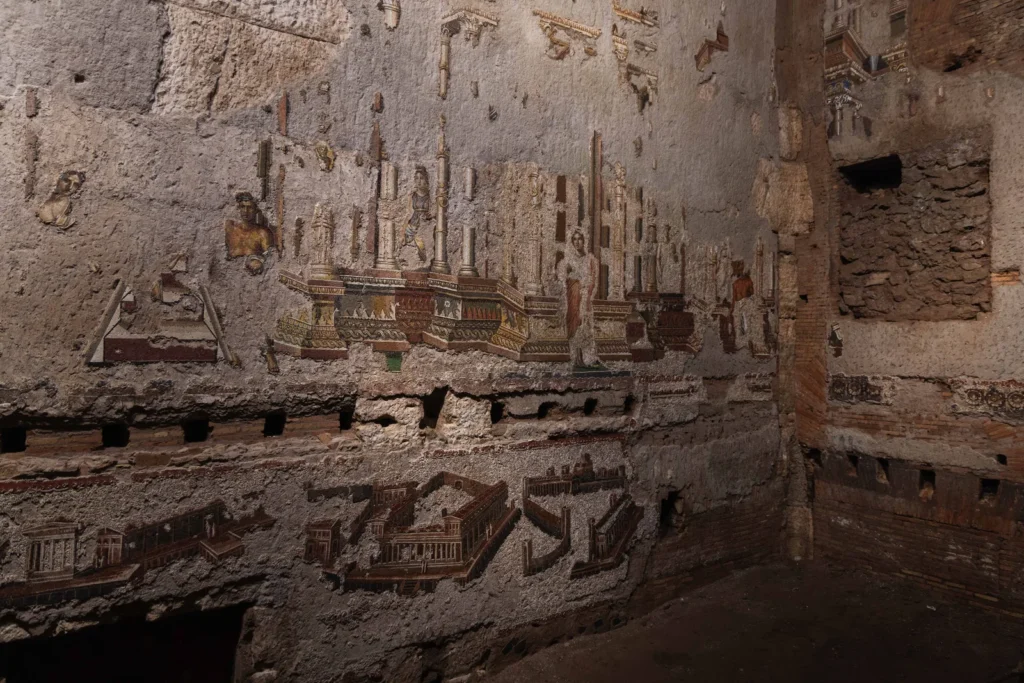
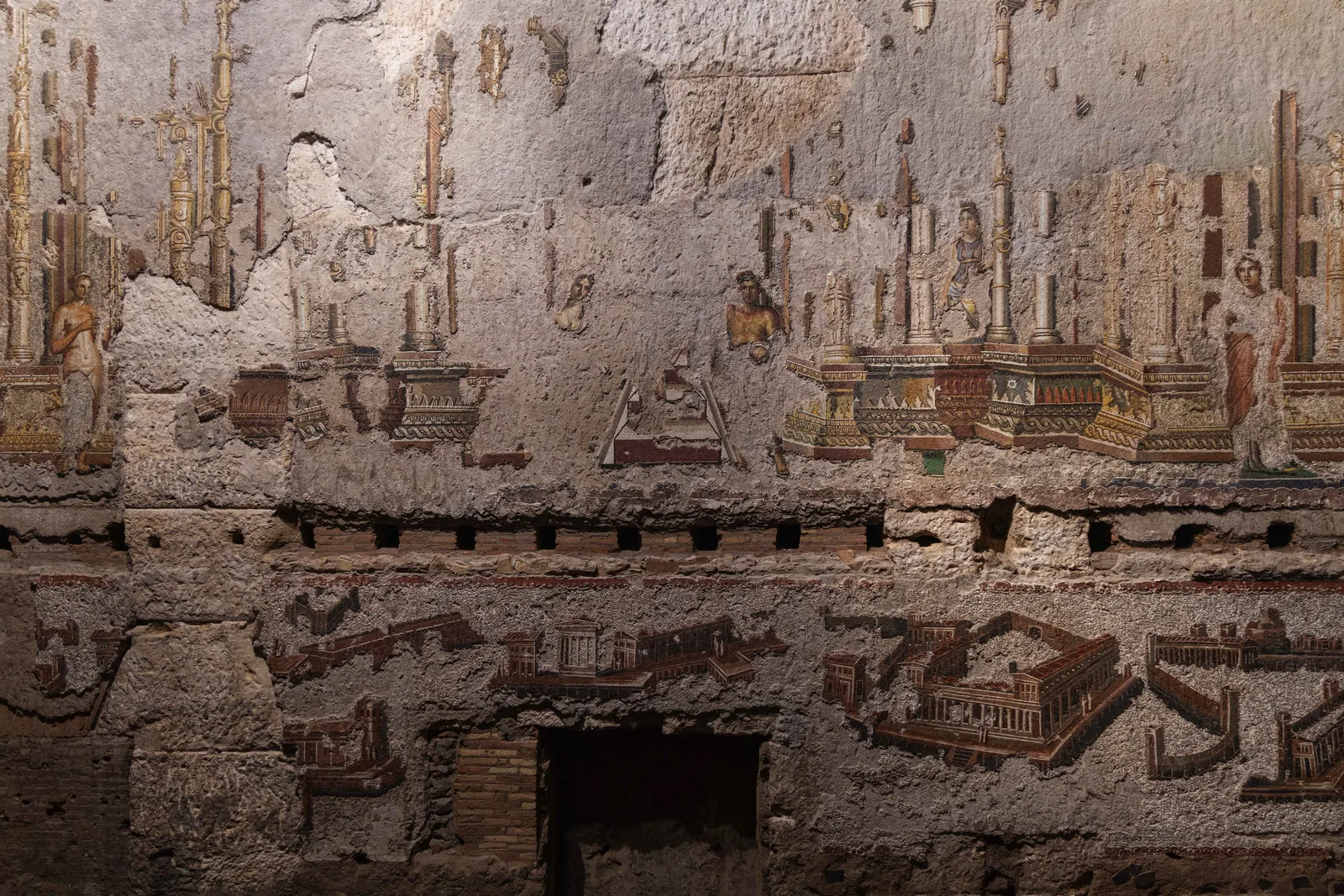
We went down beneath the park to see two works that until recently were accessible almost exclusively to scholars: the Painted City and the Great Mosaic.
A vast complex built over the Domus Aurea
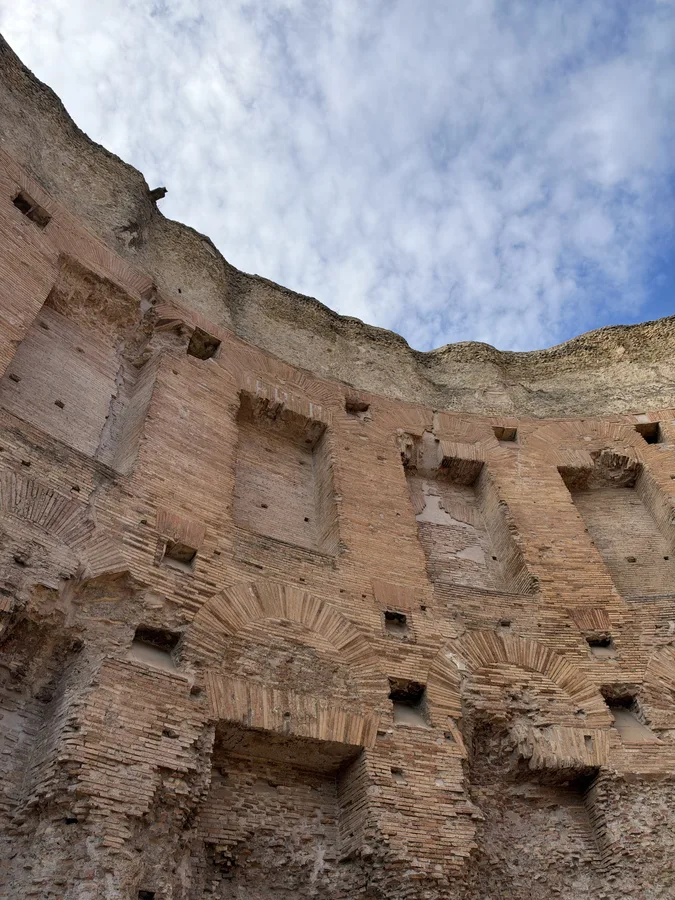
Trajan’s Baths were designed by Apollodorus of Damascus, the emperor’s leading architect, and inaugurated on June 22, 109 AD. They covered about 60,000 square meters on a large terrace of the Oppian Hill and incorporated older structures, including rooms of Nero’s Domus Aurea. They were more than public baths: around the bathing complex stretched a large green area lined with porticoes, used for sports, leisure and culture.
The southwestern exedra, a semicircular structure about 30 meters across, shows this clearly. According to the most widely accepted theory, it housed a large public library on two levels. The niches along the wall, still clearly visible, would have held the books, while the stepped seating was used by people attending readings and public gatherings. Standing there, it’s easy to picture it full of people.
The Painted City
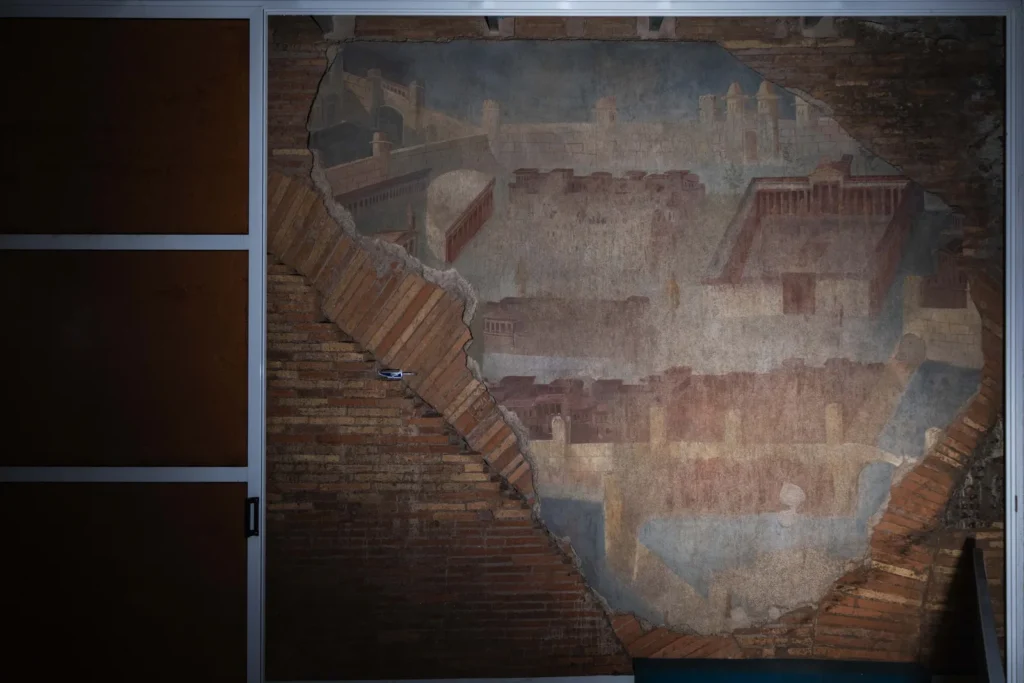
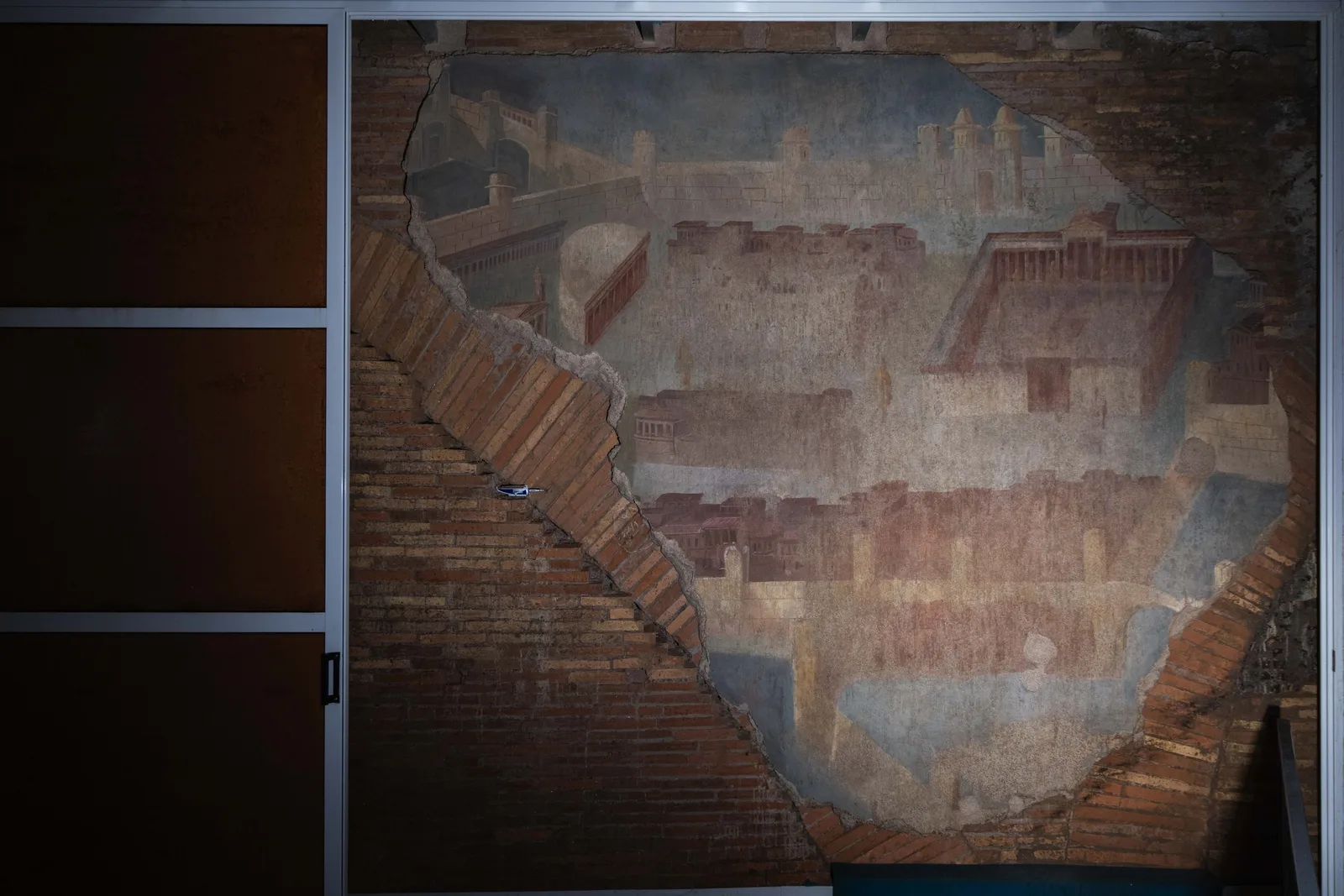
Below the exedra runs the gallery that once supported the portico. This is where you find the Painted City, a fresco of about 10 square meters showing a city from above, enclosed by walls and towers, with buildings drawn in perspective. It is older than the baths: it belonged to an earlier building and dates to the 1st century AD, in the Neronian or Flavian period. When Trajan built his complex, that wall ended up buried in the foundations, which is why it survived.
For years scholars tried to identify the city it depicts, without reaching a definite answer. The most likely theory today is that it is an ideal city rather than a real place. That makes it even more intriguing: more than a view, it shows how a Roman painter imagined the perfect city. Most Roman frescoes we know depict myths, gardens or painted architecture, while an urban scene like this one is extremely rare.
The Great Mosaic of the Muse and the Philosopher
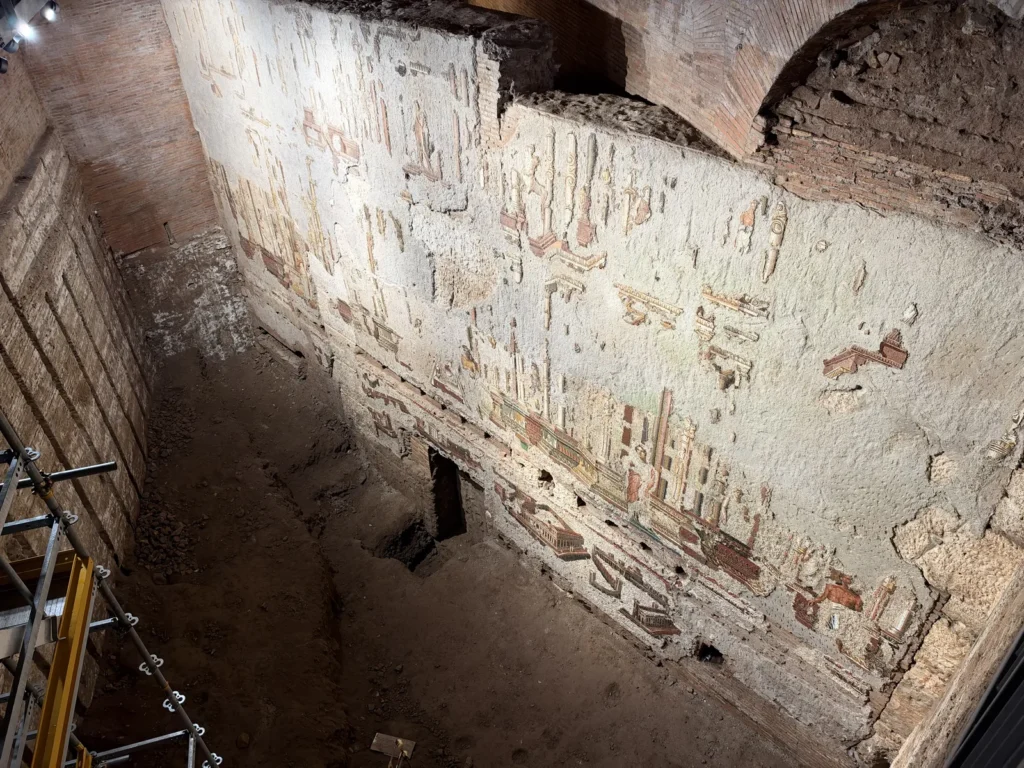
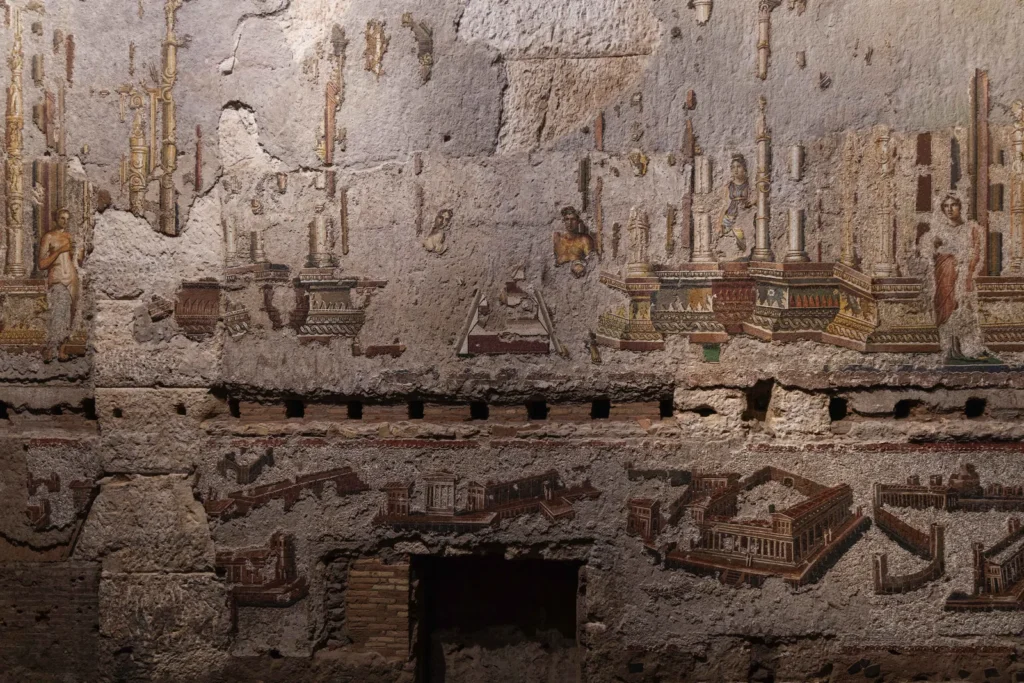
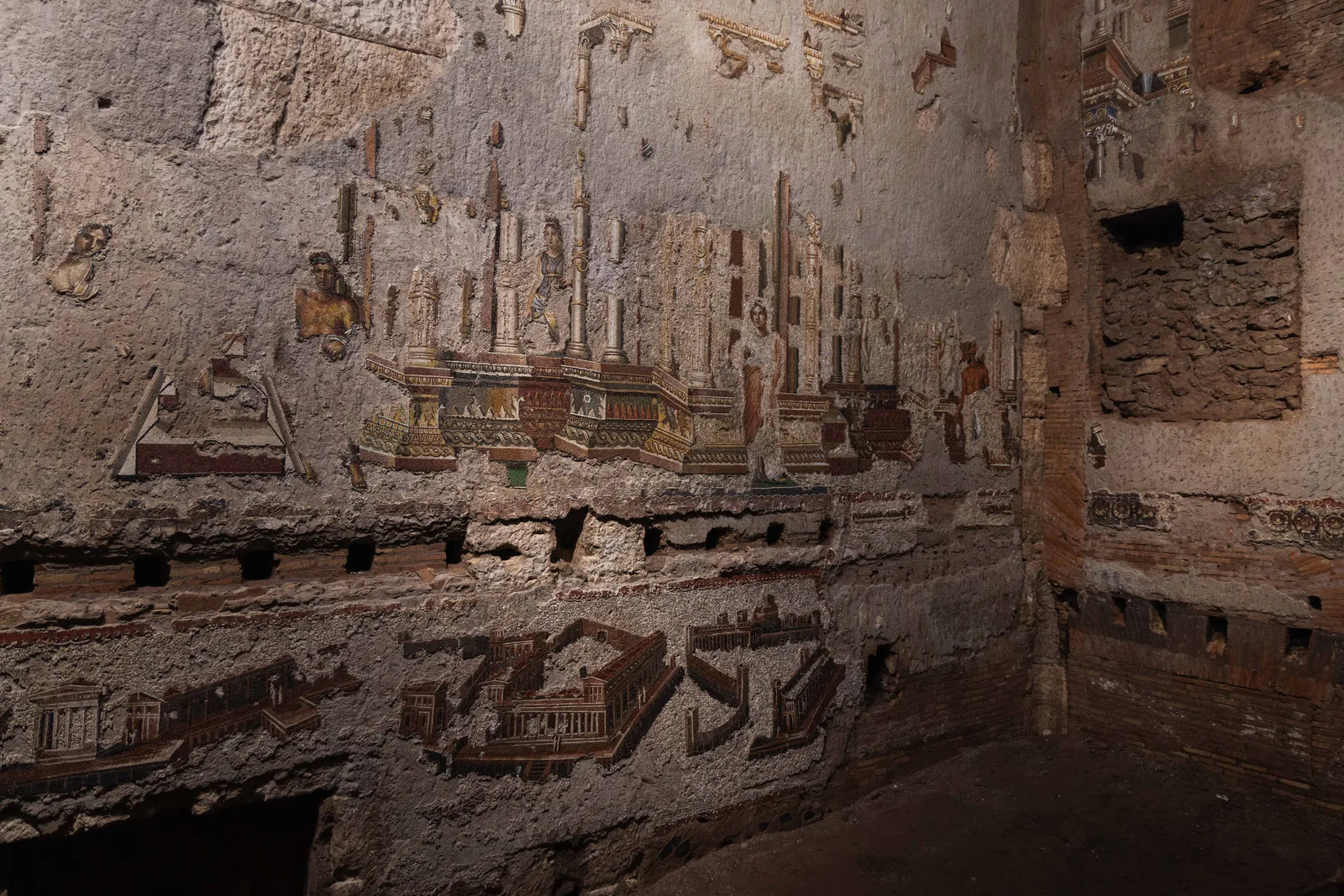
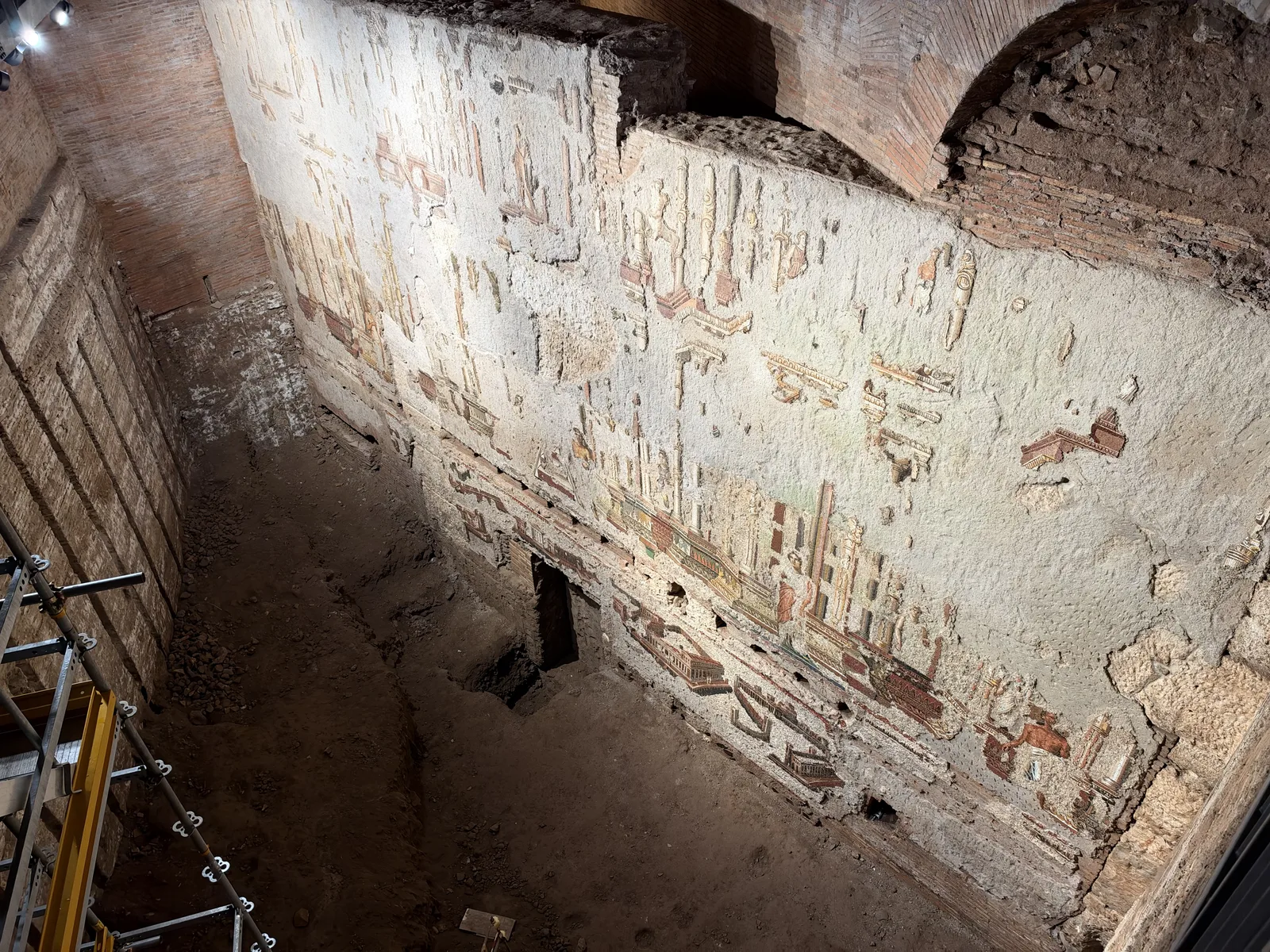
A little further on is the Great Mosaic, which Rome’s mayor Roberto Gualtieri described at the inauguration as the largest wall mosaic from ancient Rome ever discovered. You only grasp its size in person: the decorated wall is about 16 meters wide. The mosaic adorned a large hall facing a nymphaeum and depicts a scaenae frons, the monumental facade of a theater stage, divided into two tiers with statues and figures. Among them is the scene that gives the mosaic its popular name, the Muse and the Philosopher.
The mosaic is viewed from a walkway built during the works, which crosses the hall from above and connects the two parts of the gallery. What stands out, beyond the scale, is the quality of the workmanship: even from there you can make out the shading of the faces, the folds of the clothing and the architectural details, all made with tiny tesserae. It’s the kind of precision you would expect from a luxury floor, not from a wall several meters high.
The latest discoveries
Excavations carried out during the project brought new findings to light. Below the Great Mosaic, another decorated band emerged, showing a harbor town with buildings that probably faced the sea, in the style of the so-called maritime villas. Even lower down, archaeologists found the remains of a facing made of large marble slabs and, in the center of the wall, a marble-clad niche about 2.2 meters high. These finds show that the walls of the hall must have reached about 12 meters in height.
The route also includes a triangular room displaying the fistulae, the lead pipes that once carried water to the baths.
Above the gallery: the exedra and the garden
After the underground section, you head back outside and move on to the exedra. The garden has been redesigned with new paths, a new lawn, viewpoints and lighting designed to highlight the archaeological remains as well. At the foot of the exedra, a new cavea with tiered seating has been built. In the future, this space will be able to host concerts, readings and talks, becoming once again a place where people gather, just as it was almost 2,000 years ago.
The trial opening
The site is open to the public on a trial basis, only on certain days, so that the Capitoline Superintendence can monitor how the presence of visitors affects the conservation of such delicate works. Visits began on Saturday, September 12, 2026, and take place Friday through Sunday. The schedule may change during the trial phase, so check the available dates when you book.
Practical information
Where: Via del Monte Oppio, at the corner of Via delle Terme di Tito
When: Friday through Sunday, six tours a day at 10 am, 11 am, 12 pm, 1 pm, 2 pm and 3 pm
Group size: up to 15 people per tour
Tours: guided, free of charge, in Italian only
Booking: recommended, online or through the 060608 call center
Rome’s International Fair of Modern and Contemporary Art
From November 20 to 22, Roma Arte in Nuvola returns for its sixth edition at Fuksas’s Nuvola in Rome’s EUR District. The fair brings together around 140 Italian and international galleries, with works ranging from painting and sculpture to photography.
Created and directed by Alessandro Nicosia, with artistic direction by Adriana Polveroni, this year’s edition adds a new section, Approdo Roma, curated by Pier Paolo Pancotto, and for the first time extends beyond the Nuvola with an exhibition in the city center.
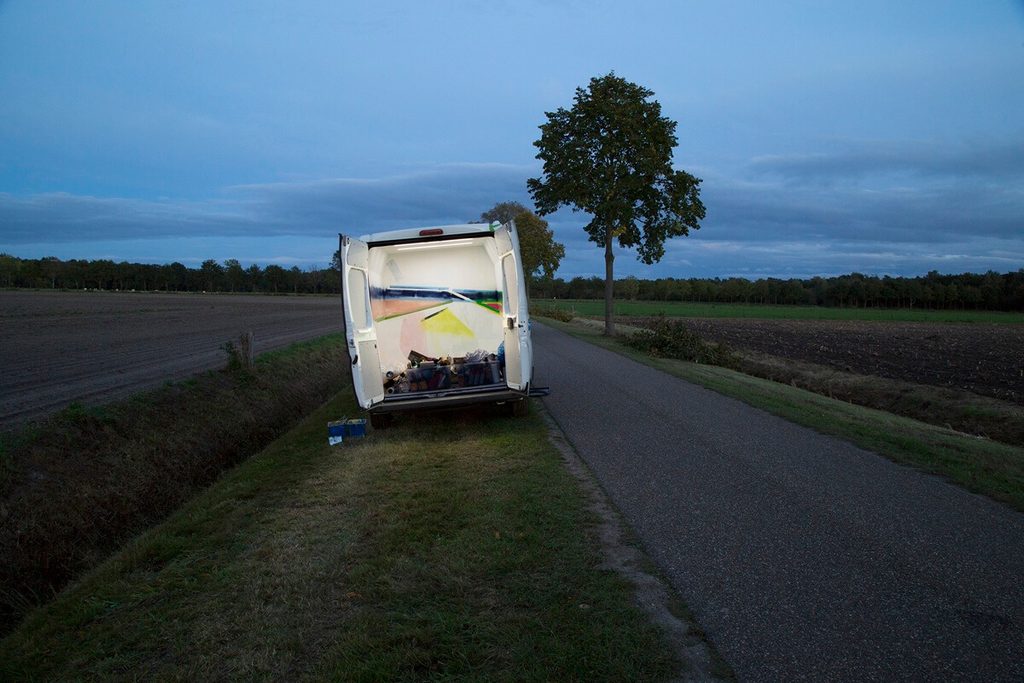
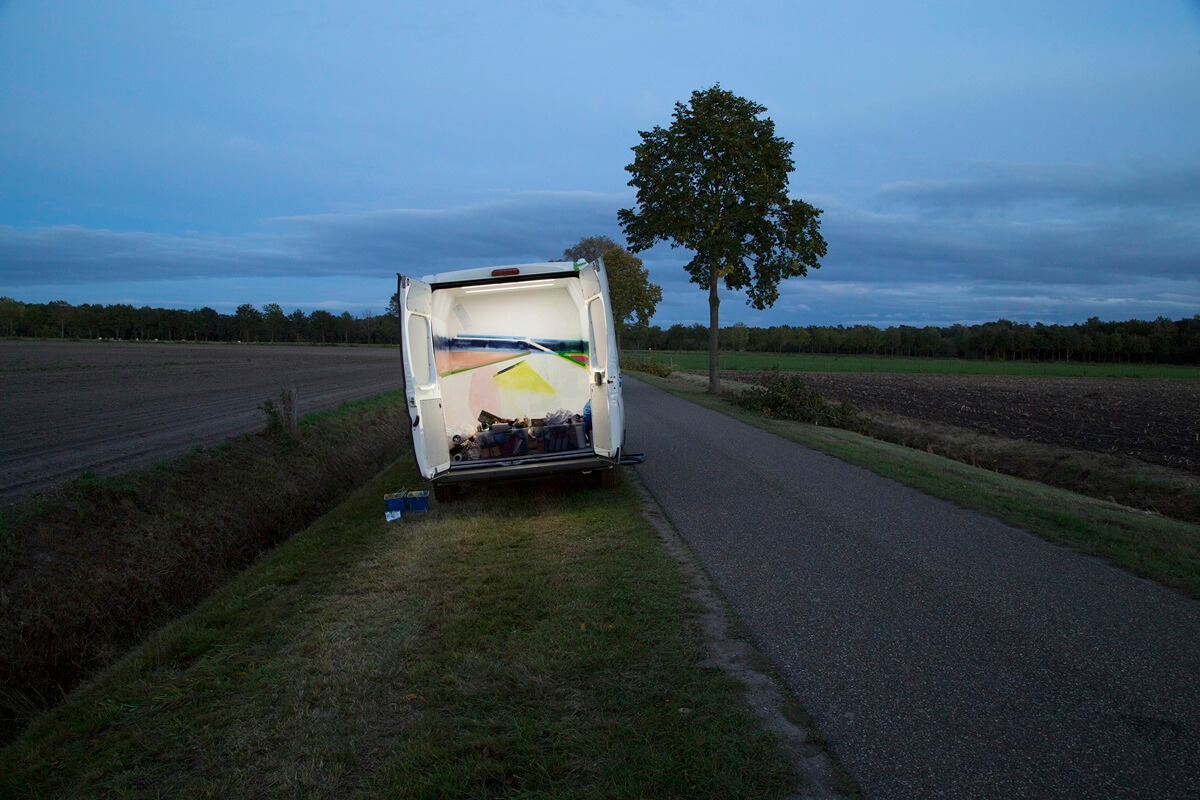
Heike Gallmeier, mobile art space, Reiseprojekt Outlines, 2020 Courtesy the artist and Guest Country Germany
Germany is this year’s guest country, marking the 75th anniversary of the resumption of diplomatic relations with Italy. Its group show, Journey to Italy. Nostalgia for Italy, curated by Gregor Jansen and Julia Apitzsch, looks at the artistic exchange between the two countries through the eyes of eight artists, including Candida Höfer and Thomas Struth. Lombardy is the guest region, with a selection of Olympic and Paralympic posters by painters under 40, created with Triennale Milano and the Milano Cortina 2026 Foundation.
Among the exhibitions and special projects, we highlight:
Cagli è anche scultore: masks and portraits in cardboard and metal by Corrado Cagli, made between 1959 and 1967, marking 50 years since the artist’s death.
Giorgio de Chirico: a retrospective by Tornabuoni Arte on the artist’s bond with Rome, his home from 1944, with works from the early 1900s to the 1970s.
Untitled: a tribute to Japanese sculptor Hidetoshi Nagasawa, with monumental works in marble, lead, wood and bronze in the Nuvola foyer.
Eco domestiche: contemporary works by artists such as Enzo Cucchi, Nico Vascellari and Eva Marisaldi, placed among the furnishings of the Casa Museo Mario Praz.
Museums and institutions: the Ministry of Culture, the National Gallery of Modern and Contemporary Art, with two works by Marinella Senatore, and MAXXI, with two works by Thomas Ruff.
The program also includes talks moderated by Adriana Polveroni, live performances and four awards for artists and galleries.
Heike Gallmeier, mobile art space, Reiseprojekt Outlines, 2020
Courtesy l’artista e Paese Ospite – Germania, Mostra Italienreise. Sehnsucht / Viaggio in Italia. Nostalgia dell‘Italia
Lo sguardo tedesco sull’Italia nell’arte contemporanea
From Frascati’s vineyards to farmhouse lunches and wine weekends in Lazio, these are places worth leaving the city for.
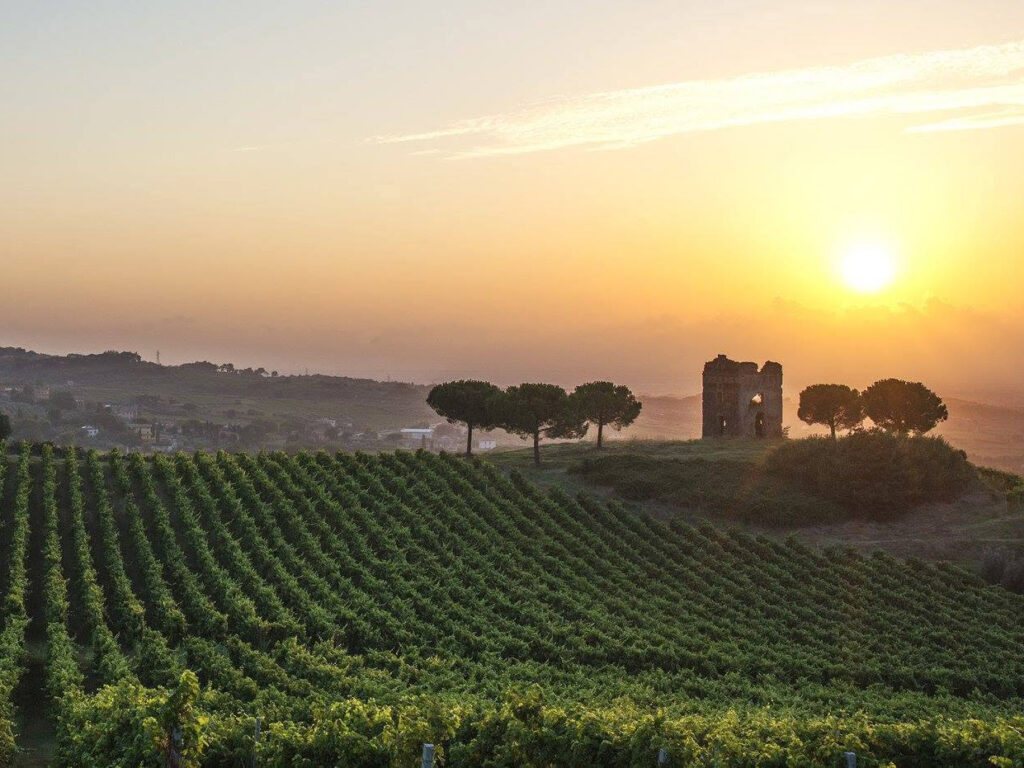
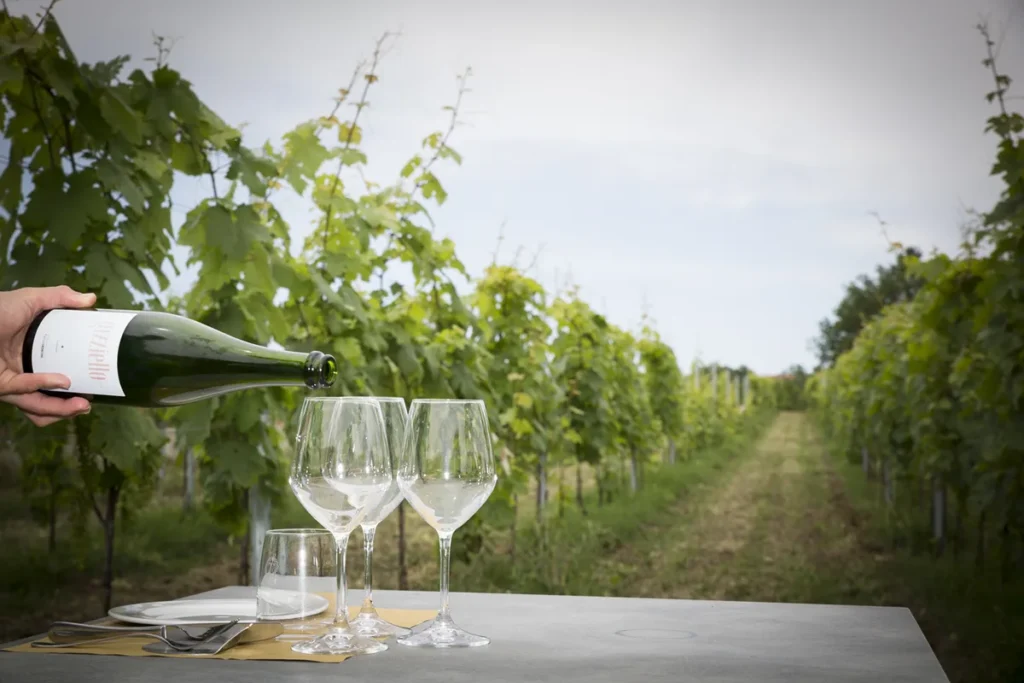
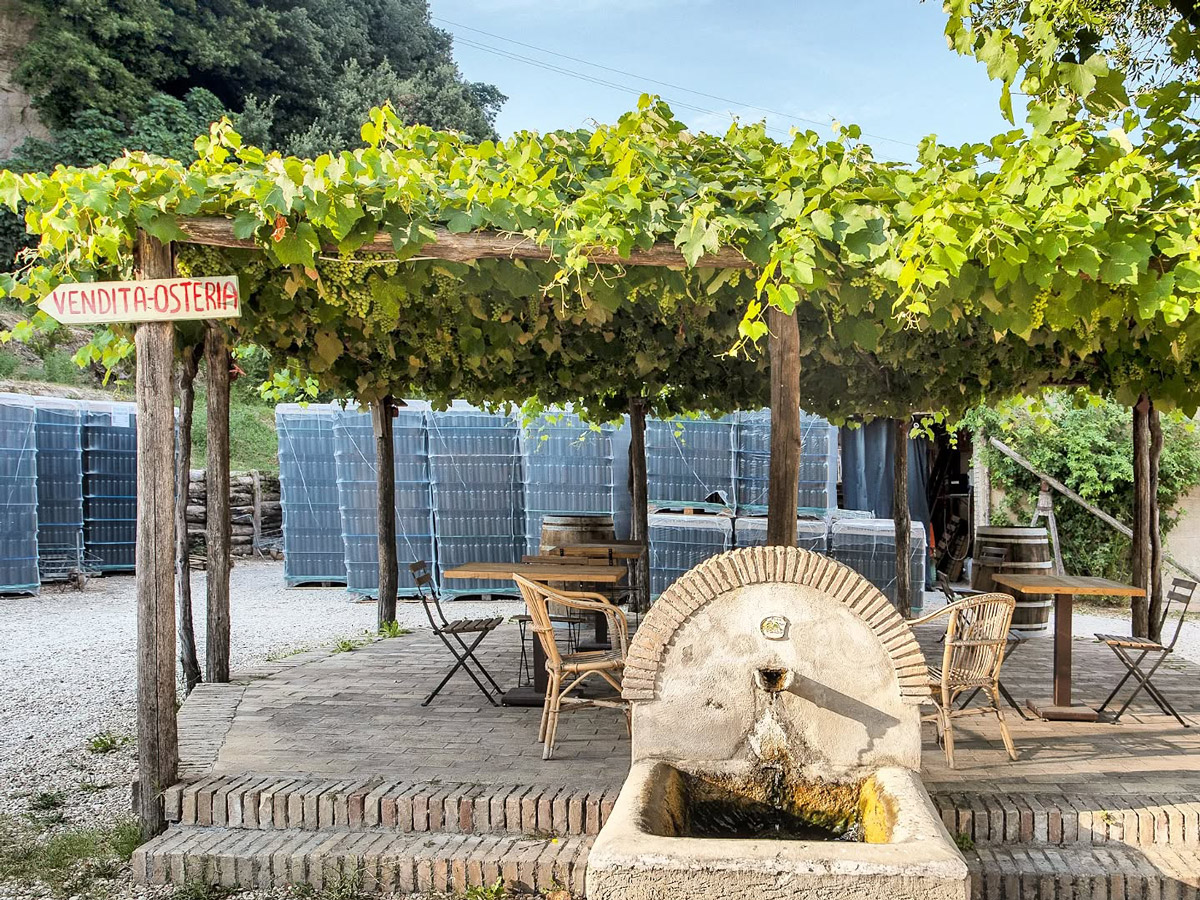
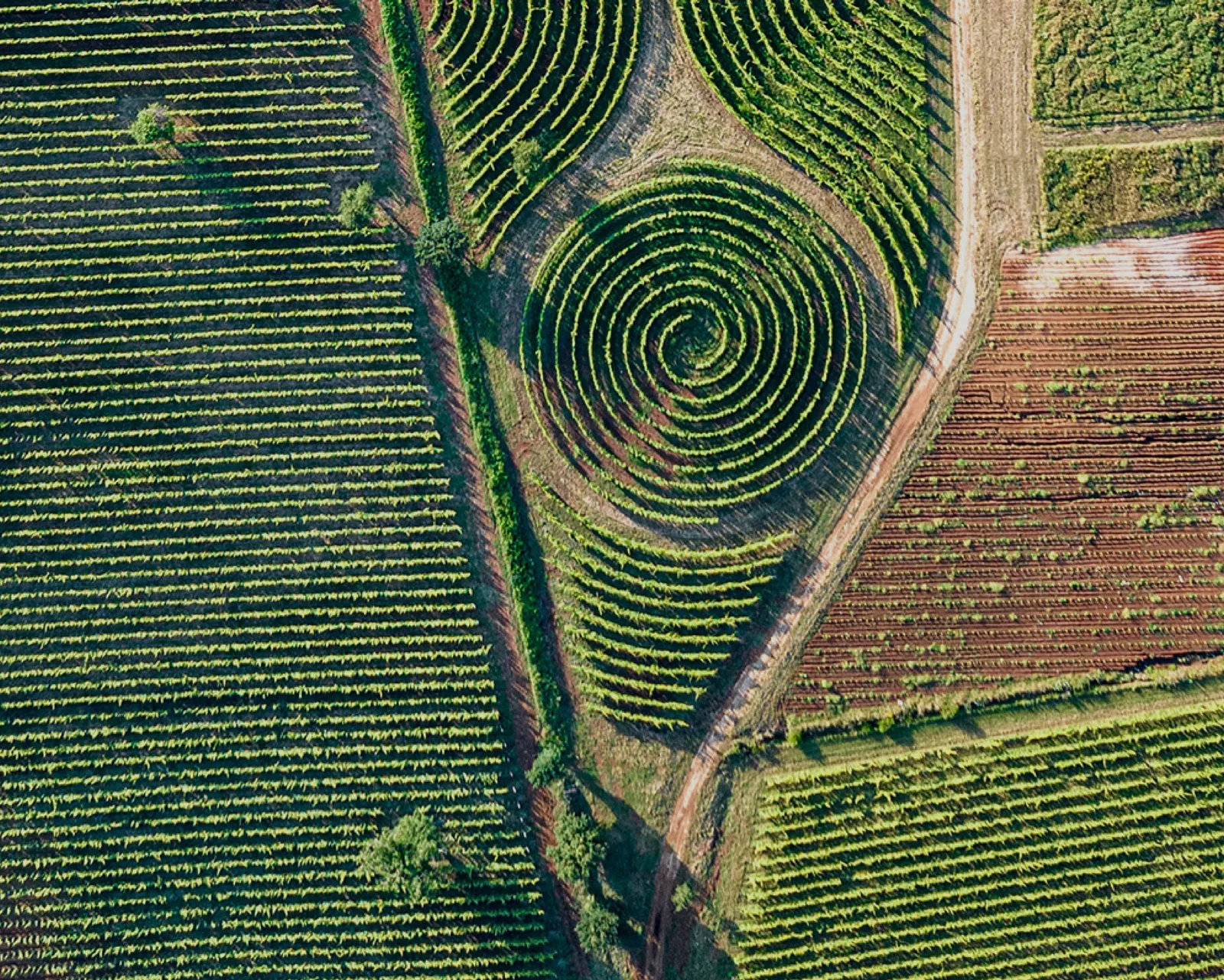
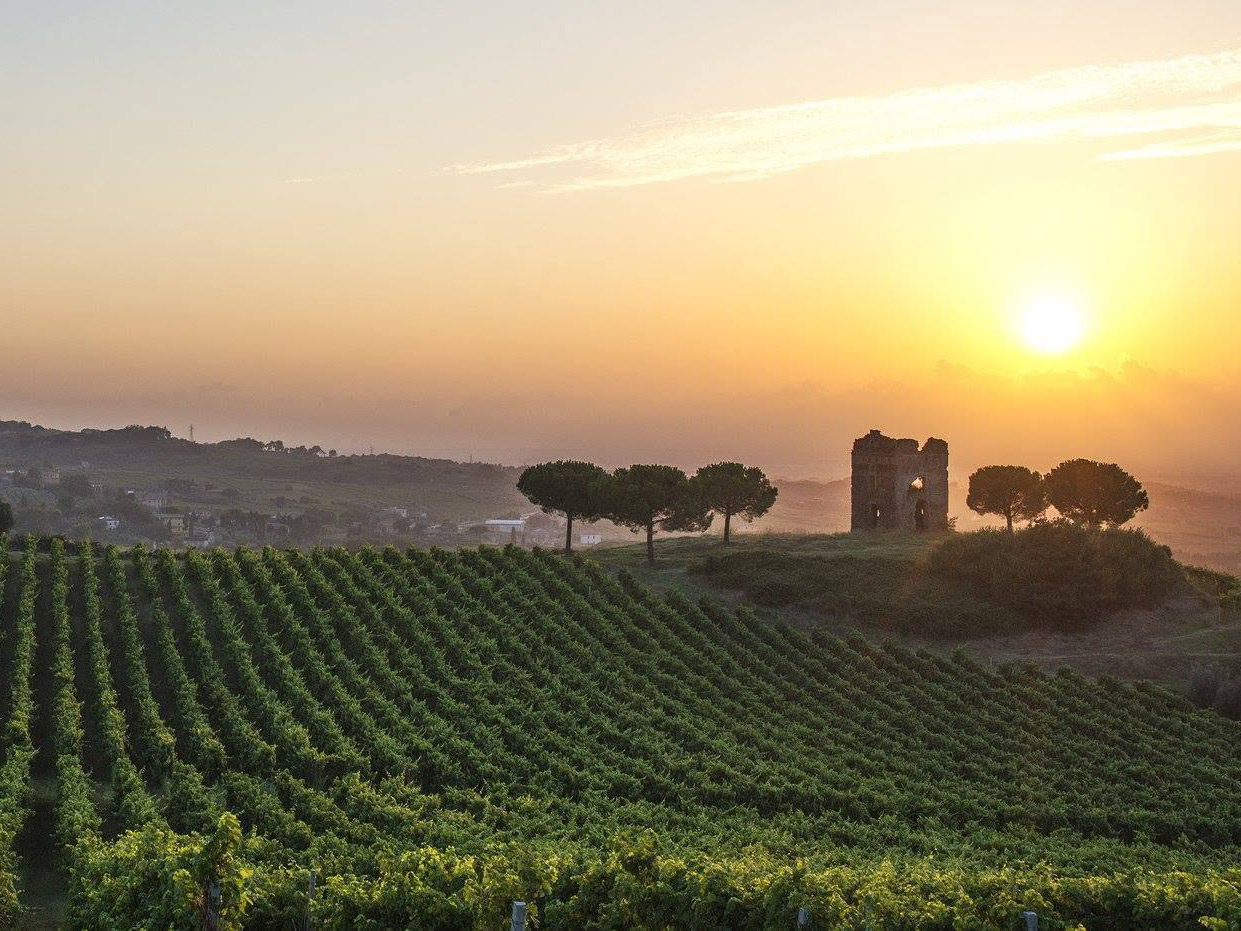
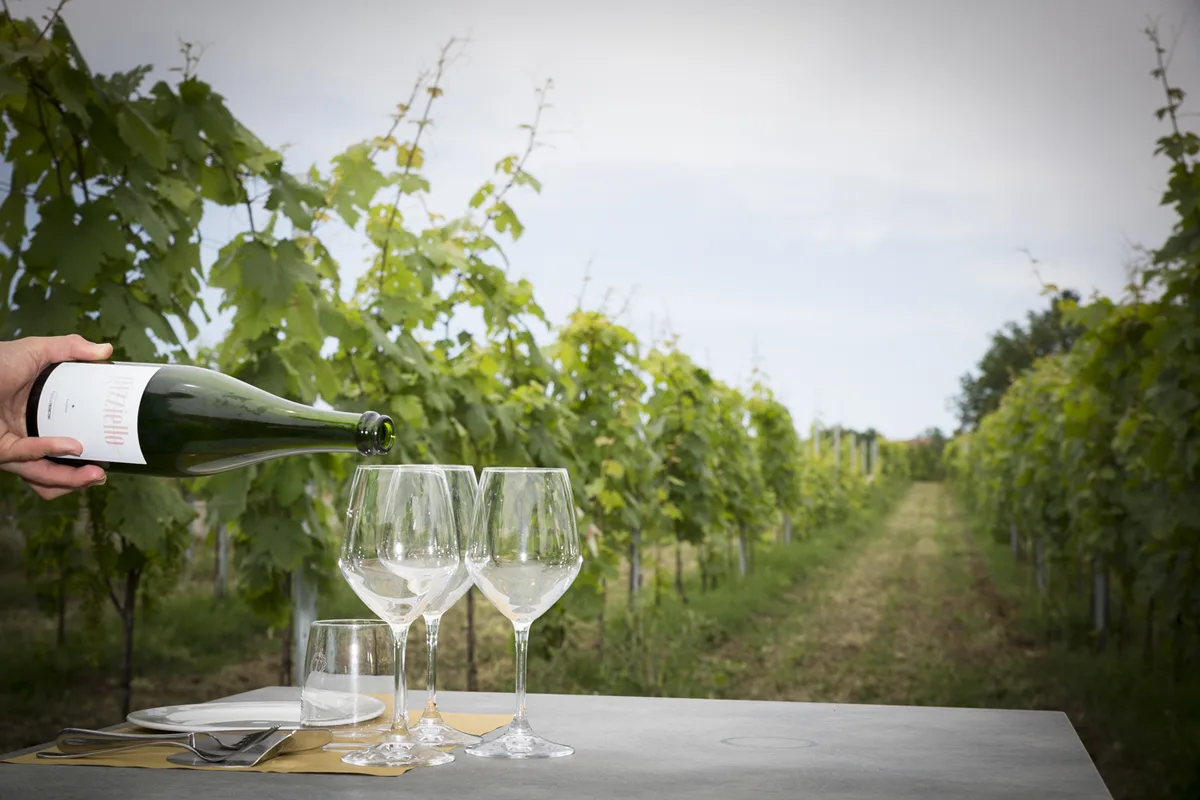
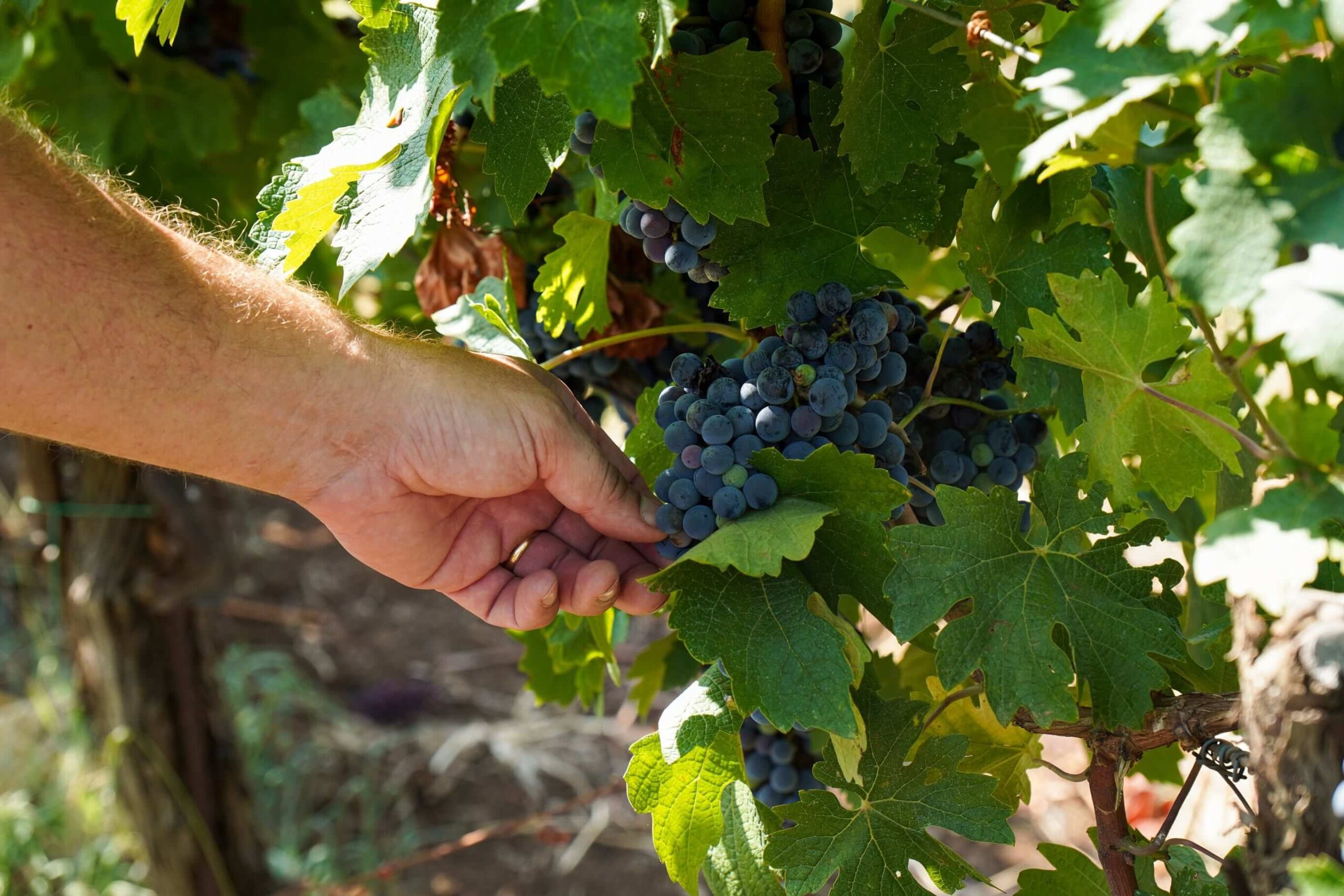
A glass of Frascati tastes different when the vineyards are in front of you. Beyond Rome, wine tasting can mean a family cellar carved into tufa, bread and olive oil shared around a table, or a farmhouse room with nowhere else to be that evening.
These 13 wineries and countryside stays offer different ways to explore Lazio’s wines. Start with Frascati and the Castelli Romani for a first outing, look towards Cori for Bellone and Nero Buono, or make a longer break of Arce, Piglio and Tuscia. Some visits centre on the cellar; others leave plenty of room for lunch, a spa or a night among the vines.
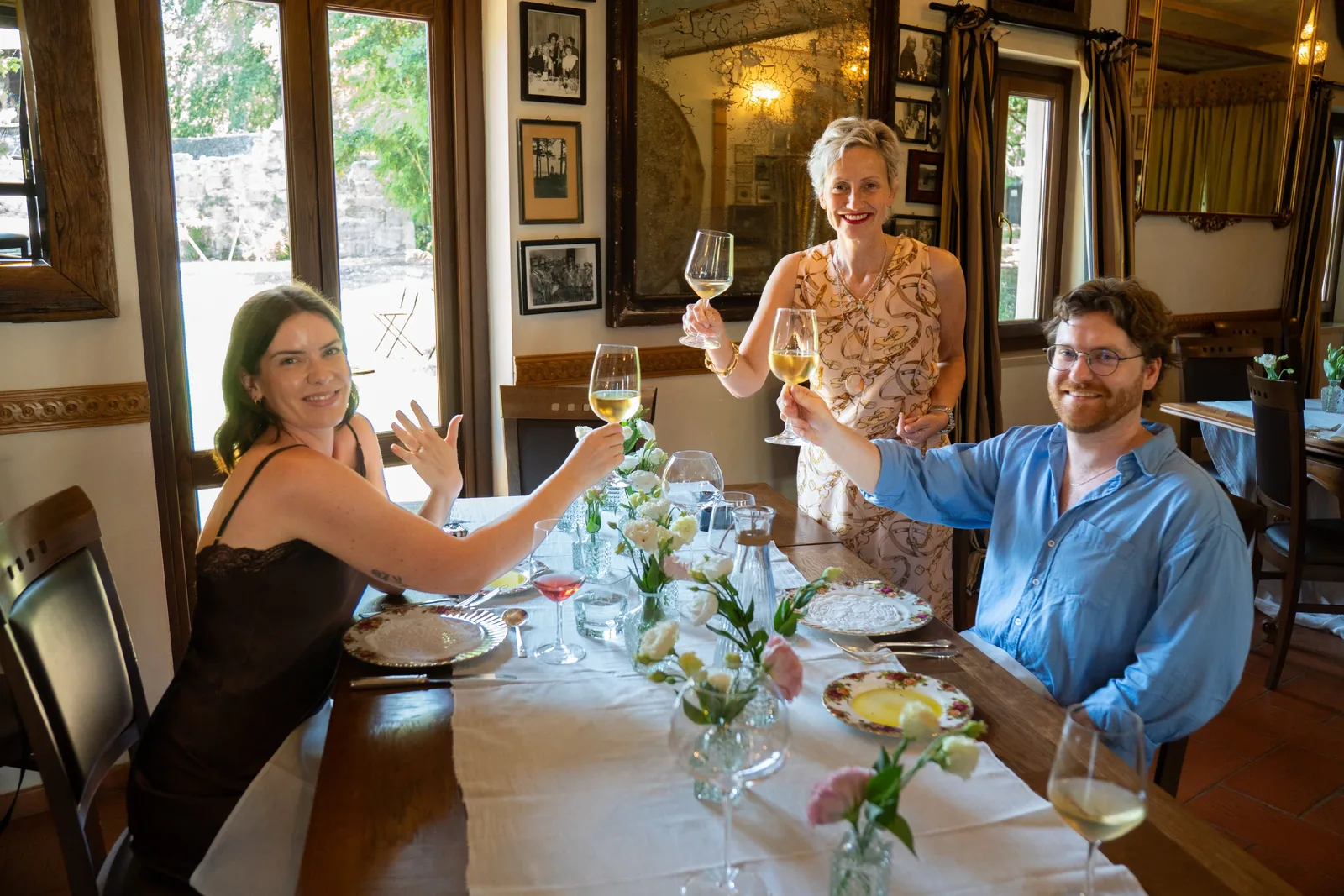
For an easy first visit, this private vineyard and wine tasting experience in Frascati includes transport from Rome. A sommelier leads the visit to a family-run estate making wine since 1712, with a choice of a tasting with local specialties or a four-course lunch with wine pairings.
Wineries near Rome for a day trip
Cantina del Tufaio in Zagarolo
A cave carved into the tufa gives Cantina del Tufaio its name and much of its character. Here, the story of the Loreti family unfolds between the farmhouse, the vines and the underground cellar, where Claudio Loreti began experimenting with traditional-method sparkling wine in 1994. Today the Tufaio Pas Dosé still ages in the cave, at a steady temperature, deep below the vineyards.
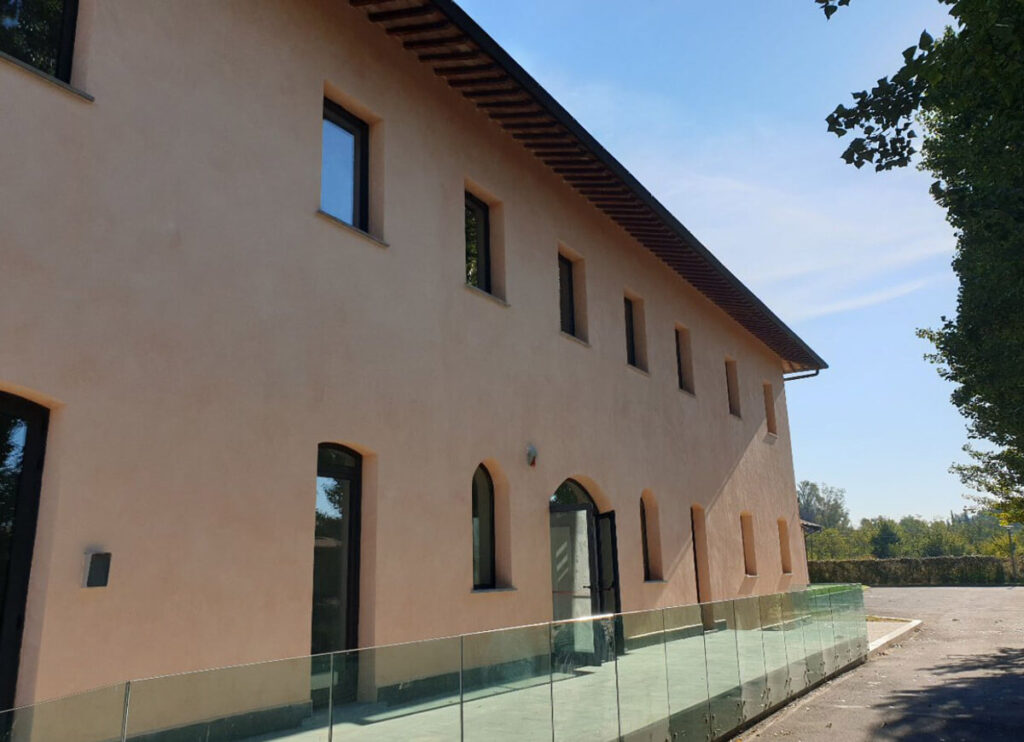
Tastings and experiences with the winemaker can be booked directly on the estate’s website. And this year there’s a new reason to stay longer: the family has opened accommodation inside its 19th-century farmhouse, surrounded by the vineyards.
Zagarolo (Province of Rome), about 40 minutes’ drive from Rome. Go for: Family winery, tufa cellar and sparkling wine. cantinadeltufaio.it
Cantine Santa Benedetta in Monte Porzio Catone
Olive oil deserves a place beside the wine at Santa Benedetta. In the hills around Frascati, the estate brings the two together through private tastings in a setting of vineyards and historic farmhouses. The appeal is an unhurried visit, with time to ask questions and follow the flavours at the table.
Choose a wine-and-oil tasting for a focused introduction, or make lunch the centre of the outing. Cooking classes offer another way to get involved.
Monte Porzio Catone (Province of Rome), about 40 minutes’ drive from Rome. Go for: Private tastings, olive oil, lunch and cooking classes. santabenedetta.it
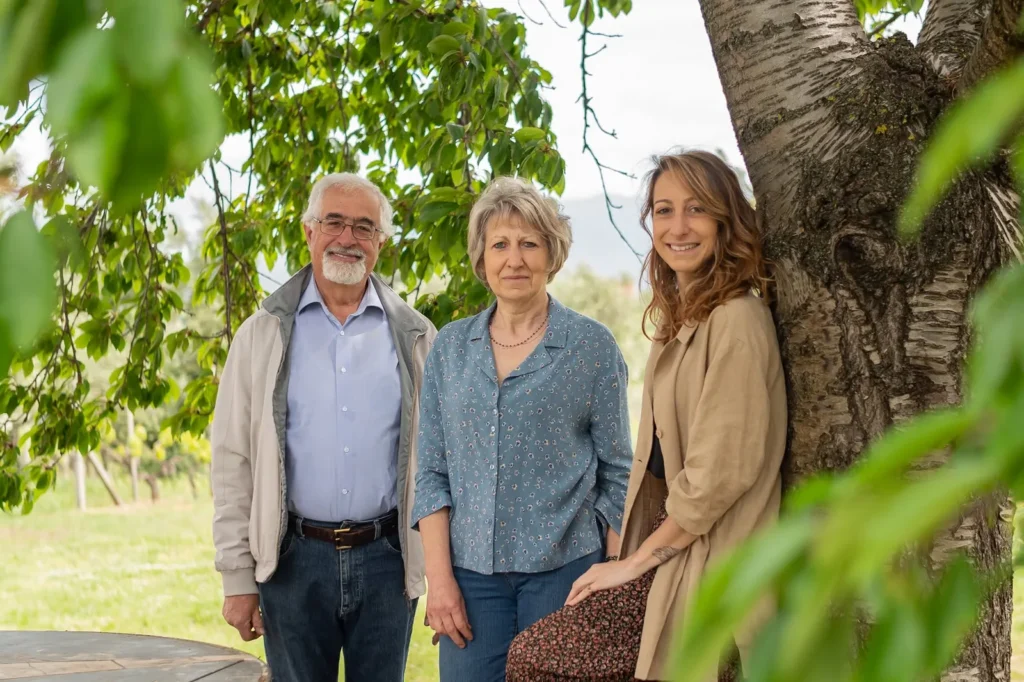
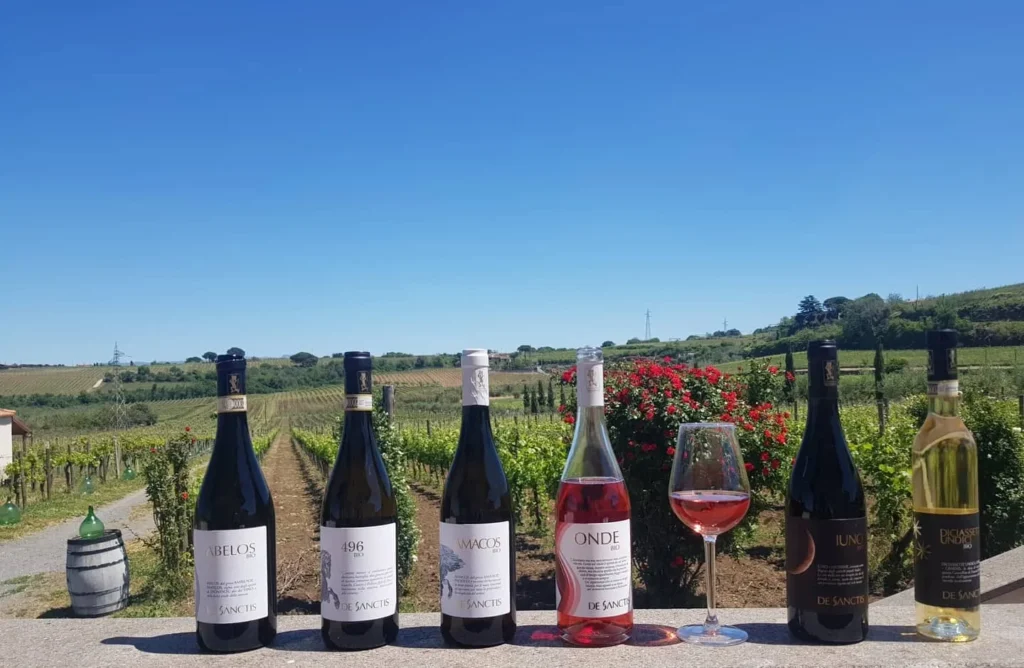
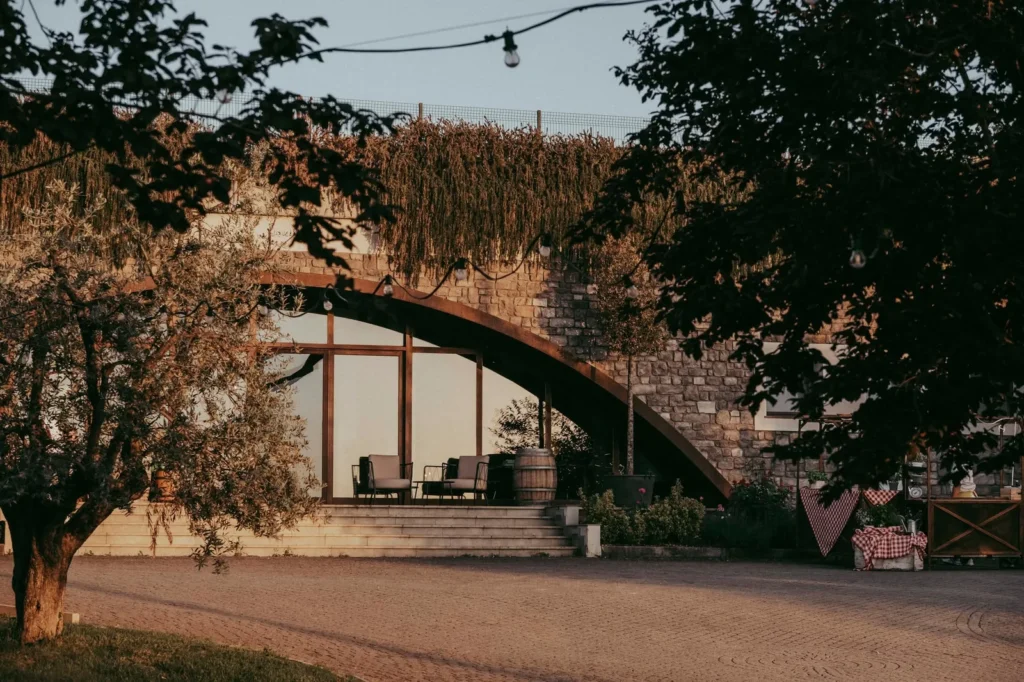
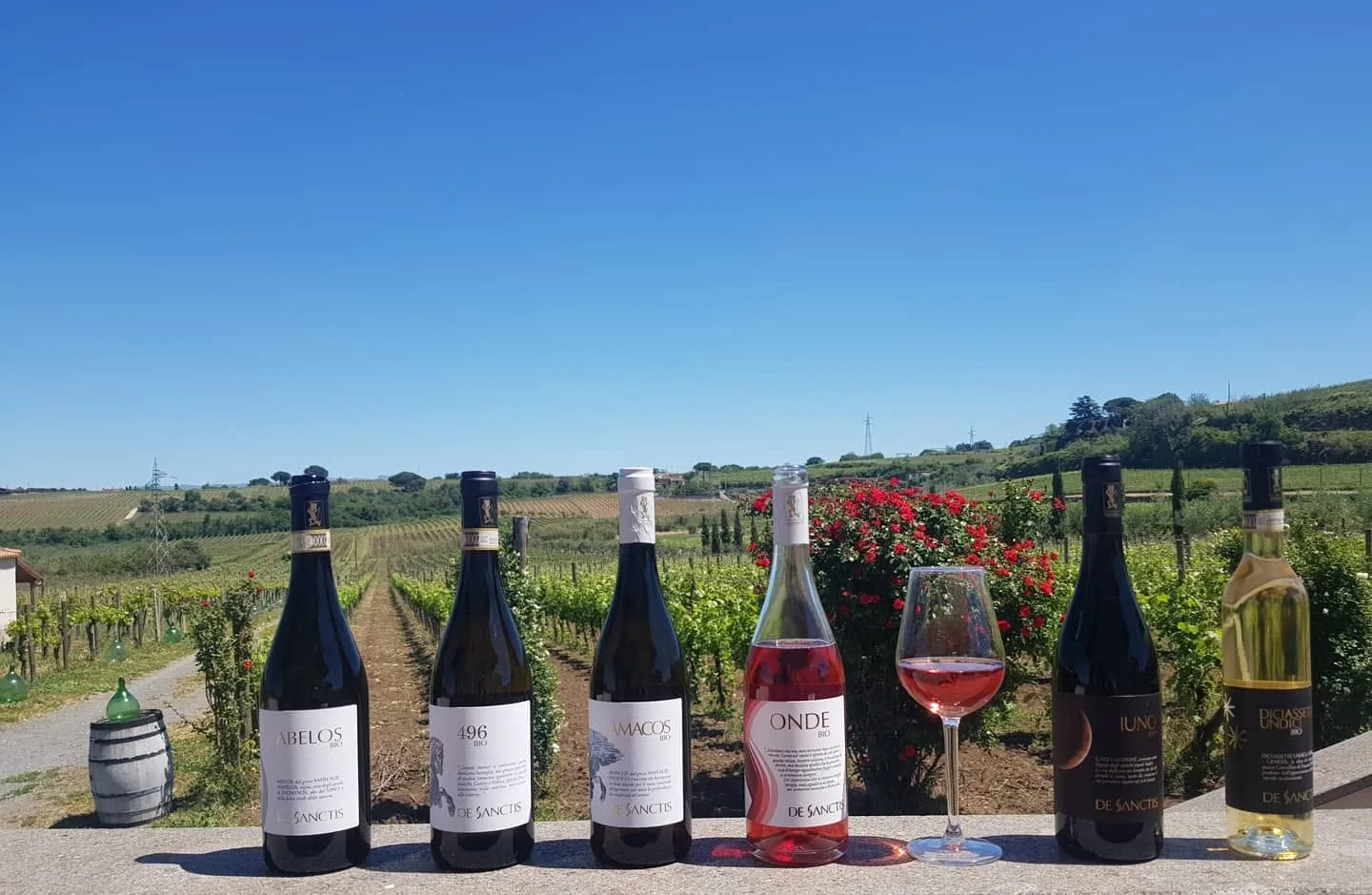
Azienda Biologica De Sanctis in Frascati
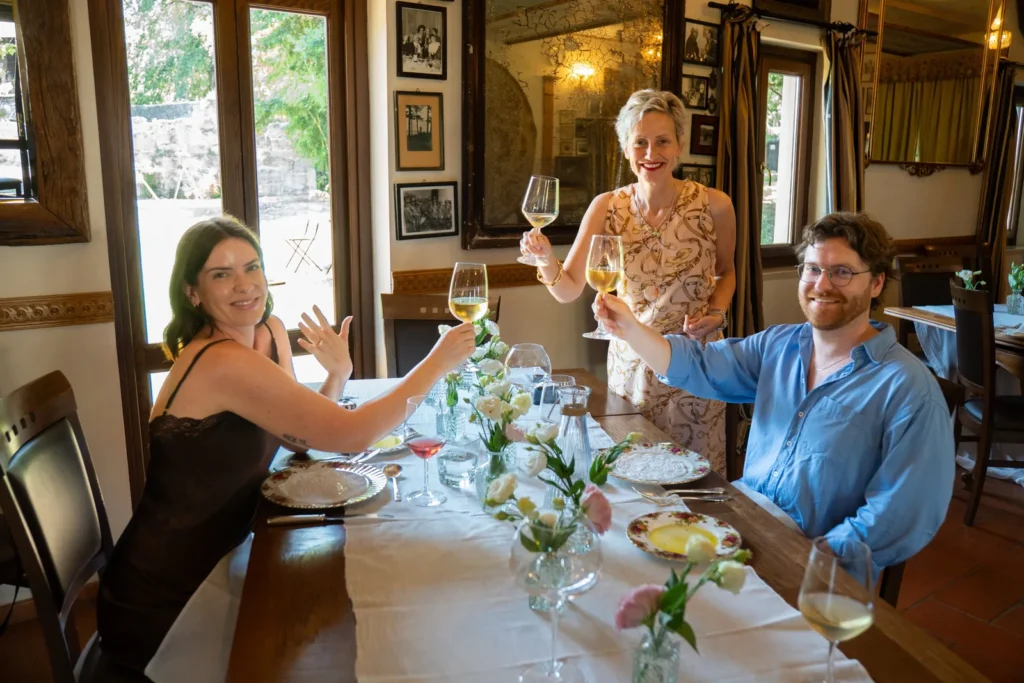
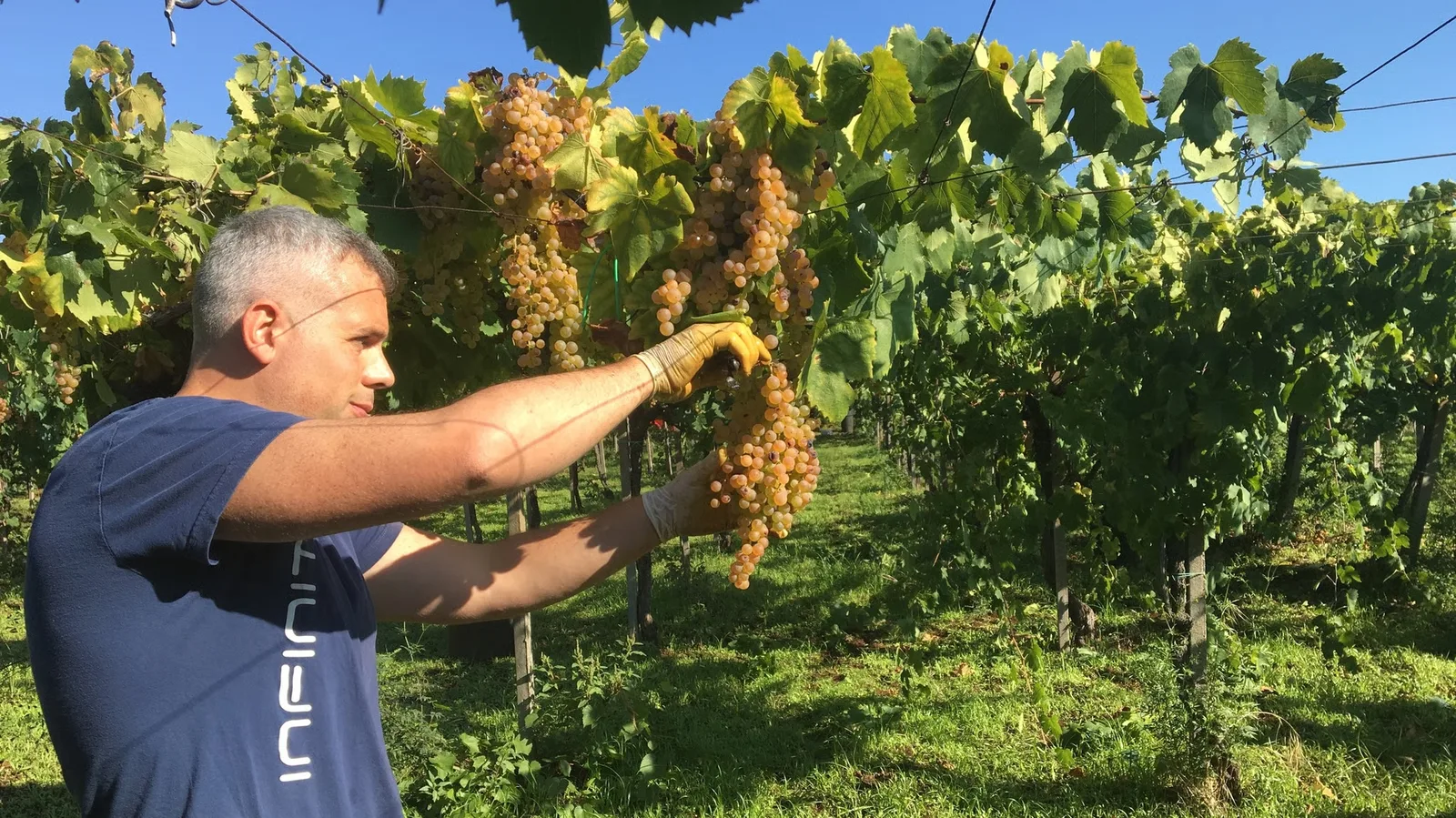
A walk among the vines is a good way to begin at De Sanctis, an organic estate in Frascati’s volcanic countryside. The Essenza experience follows the grapes from vineyard to winery and barrel cellar before a guided tasting of four wines. The Plus version adds a platter of local produce: a simple way to give the visit a little more time at the table.
For something more exploratory, Vini d’Annata compares two wines across three vintages. Tasting how the same wine changes with age offers a different perspective from working through a long list of labels. The estate also lists a cottage stay among the vines for anyone tempted to make a night of it.
Frascati (Province of Rome), about 40 minutes’ drive from Rome. Go for: Organic wines, vineyard walks and vintage comparisons. frascati-wine.it
Merumalia in Frascati
Rome remains in view at Merumalia, but the vineyards make the city feel pleasantly distant. A vineyard and cellar visit introduces the estate’s wines and olive oil, with local food alongside the tasting.
Food-and-wine experiences include options with lunch or dinner, while farmhouse apartments overlook Rome and the surrounding vineyards. That flexibility makes Merumalia worth considering for both a first Frascati tasting and a countryside stay. Choose the meal option when booking if you want the visit to continue at the table.
Frascati (Province of Rome), about 40 minutes’ drive from Rome. Go for: Vineyard views, tastings, meals and farmhouse apartments. merumalia.it
Cantina Costantini in Genzano di Roma
Come hungry to Costantini: the bread, olive oil and preserves are part of the attraction. A visit to the historic cellar leads into a guided tasting, where the family’s wines meet Pane di Genzano, cured meats and cheeses. Cooked grape must and house-made preserves bring a distinctive sweet-and-savoury element to the pairings.
The Classic tasting introduces three wines in about an hour; Superior extends the visit to four wines and around 90 minutes. It is a good fit for readers drawn as much to the food of the Castelli Romani as to its vineyards.
Genzano di Roma (Province of Rome), about an hour’s drive from Rome. Go for: Historic cellar and generous local food pairings. cantinacostantini.it
Cantina Castello di Torre in Pietra near Fiumicino
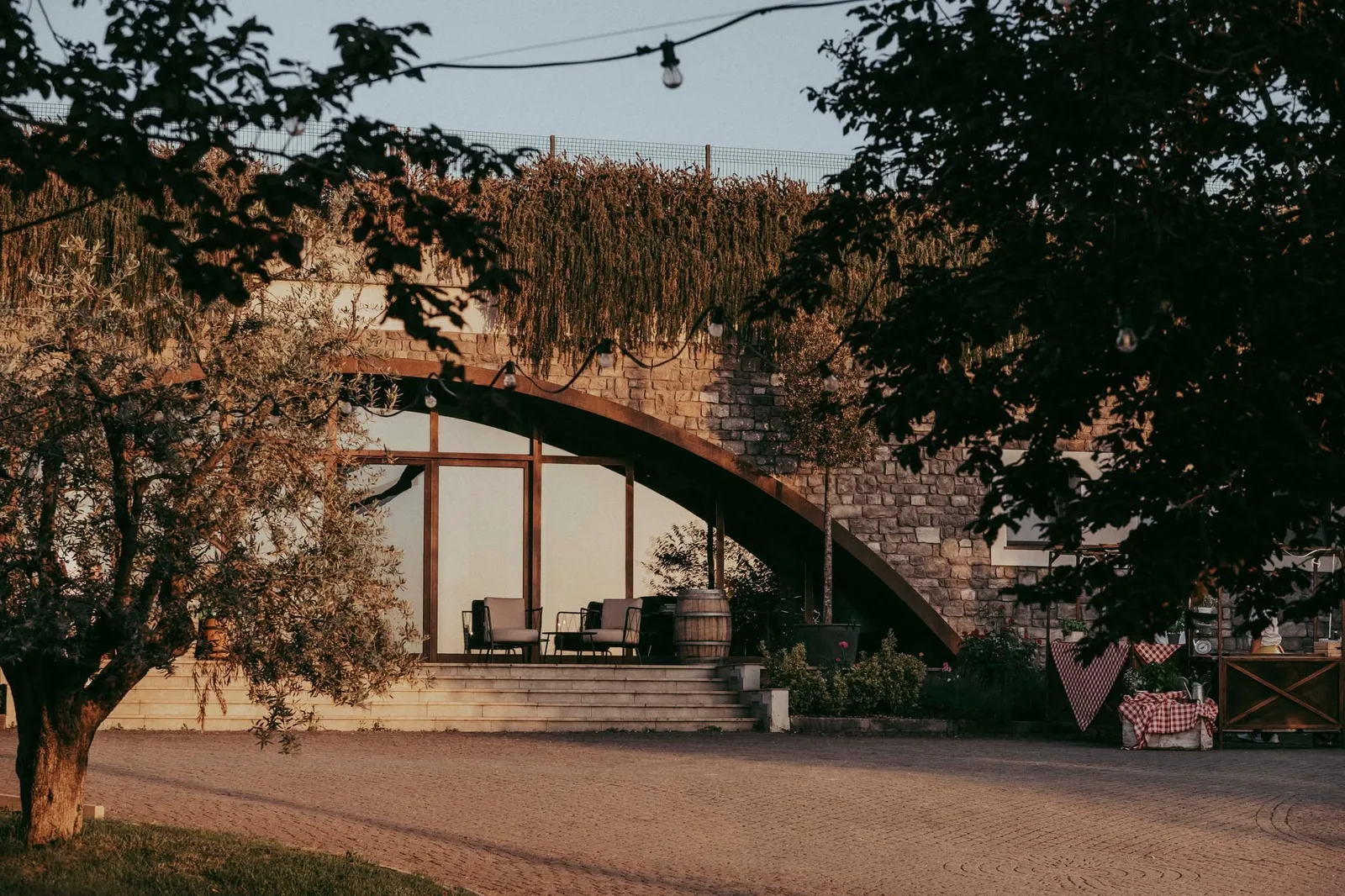
Just a short drive from the Lazio coast, the medieval village of Torre in Pietra gathers around the tower that gives the estate its name. Its cellar, carved into the tufa hill behind the castle, was already making wine in the 1500s, and the vineyards, cooled by the sea breeze, have been farmed organically since the early 2000s.
A cellar tour leads into a tasting of three wines with a platter of local products, or into a longer visit that ends with lunch at the Osteria dell’Elefante, set in the historic cellar and serving traditional Lazio cooking. The range runs from Malvasia Puntinata and Cesanese to Fiano and Vermentino, a good way to explore Lazio’s native and coastal grapes in one sitting.
Torrimpietra, Fiumicino (Province of Rome), about 40 minutes’ drive from Rome. Go for: Organic wines, a historic tufa cellar and tastings with local food. castelloditorreinpietra.com
Marco Carpineti in Cori
Cori’s native grapes, white Bellone and red Nero Buono, have put the town on the wine lover’s map, and Marco Carpineti, among the first organic producers in the area, is a natural place to discover them. The Etere programme combines a vineyard walk, a guided cellar visit and three wines served with local products, with the countryside very much part of the experience. For a longer outing, the tasting can be paired with horseback riding in the Lepini hills, a terracotta workshop ending at the Temple of Hercules, a canoe trip on the Cavata river or a zipline flight from Rocca Massima.
Cori (Province of Latina), about 1 hour 10 minutes’ drive from Rome. Go for: Local grape varieties and tastings combined with countryside activities. carpinetiterrae.com
Casale del Giglio in Le Ferriere
Five wines make a lively introduction to Casale del Giglio, where the range moves between local and international grapes. After an estate visit, with the remains of ancient Satricum among the vines, a sommelier guides the tasting through white, rosé and red wines. Bellone, Petit Manseng and Cesanese offer contrasting flavours, while the estate’s best-known red, Mater Matuta, takes its name from the goddess whose temple stood nearby. The visit lasts around 90 minutes and usually takes place with other guests. It suits curious drinkers who enjoy comparing styles without needing specialist knowledge, and sheep’s-milk cheese and salami ground the tasting in the food of the region.
Le Ferriere (Province of Latina), about 1 hour’s drive from Rome. Go for: Sommelier-led estate visit and five-wine tasting. casaledelgiglio.it
Principe Pallavicini in Colonna
For another perspective on Frascati, head towards Colonna and Principe Pallavicini, a family in the wine business since 1670. The range spans Frascati whites, Cesanese and other reds, a good reason to look beyond the image of Rome’s wine country as white-wine territory alone. Tastings take place at Le Marmorelle, the largest estate, where the ancient Claudian aqueduct runs beneath vineyards and centuries-old olive groves. Visits are by appointment through the estate’s contact form, and the meeting point is confirmed when you book.
Le Marmorelle, near Colonna (Province of Rome), about 55 minutes’ drive from Rome. Go for: Frascati whites, Cesanese and a historic estate above an ancient aqueduct. principepallavicini.com
Wine weekends and countryside stays in Lazio
Cincinnato Wine Resort in Cori
At Cincinnato, the journey home can wait until after breakfast. A nineteenth-century farmhouse brings rooms, a restaurant and the wines of Cori into one stay, with vineyards around the property. Bellone and Nero Buono are the varieties to get to know here.
The Classic tasting pairs three wines with bruschettine, cheeses and cured meats. Longer experiences add vineyard and barrel-cellar visits, with food prepared by the chef. Book a room and dinner alongside the tasting for a relaxed wine break with fewer moving parts. Cori itself gives you somewhere to explore before returning to the farmhouse.
Cori (Province of Latina), about 1 hour 10 minutes’ drive from Rome. Go for: Farmhouse rooms, restaurant and guided wine experiences. cincinnato.it
Palazzo Tronconi in Arce
Lecinaro, Pampanaro and Maturano may be unfamiliar names when you reach Arce. Discovering them is part of the pleasure at Palazzo Tronconi, whose biodynamic approach brings local varieties into focus. A cellar tour and three wines with local cheeses and cured meats offer an accessible introduction.
Lunch or dinner at the osteria makes a natural extension, while the B&B invites a longer visit to this corner of southern Lazio. The rooms are in Arce’s historic centre, separate from the winery and restaurant. Plan the journey between the two, then enjoy the chance to discover both the town and the wines at an easier pace.
Arce (Province of Frosinone), about 1 hour 30 minutes’ drive from Rome. Go for: Unfamiliar local grapes, osteria meals and a historic-centre B&B. palazzotronconi.com
Il Podere di Marfisa in Farnese
Wine, a restaurant, rooms and a spa make Il Podere di Marfisa a tempting place to settle in. In Farnese, in northern Lazio’s Tuscia countryside, the family relais hosts tastings of Terre di Marfisa wines, accompanied by its bread and Eleiva olive oil.
Choose a seated tasting for a gentle introduction, or the vineyard-and-cellar route to spend more time with the landscape behind the wines. The Premium tasting includes four wines; other formats bring food from Osteria Unicorno into the experience. Farnese lies farther from Rome than the Castelli Romani, making this a strong candidate for an overnight escape. Book spa access and restaurant meals alongside your room.
Farnese (Province of Viterbo), about 2 hours’ drive from Rome. Go for: Wine tastings, countryside accommodation, restaurant and spa. ilpoderedimarfisa.it
Al Piglio Maison de Charme in Piglio
Six suites with their own entrance, set among olive trees and vineyards, give Al Piglio an intimate, unhurried feel. The estate lies in the hills of the Cesanese del Piglio DOCG, the grape’s historic home, and its guided tasting pours four wines, including its own Cesanese and a Nebbiolo from the family’s estate in Piedmont.
Dinner at the Terra restaurant and time in the wellness area complete the stay. From spring to late summer there’s an outdoor pool and jacuzzi, while in the cooler months the olive grove hosts an outdoor spa with hot tubs and a barrel sauna. Book your suite, dinner and tasting together for a slow weekend in wine country.
Piglio (Province of Frosinone), about 1 hour 10 minutes’ drive from Rome. Go for: Cesanese tastings, a countryside stay, dining and wellness. alpiglio.com
Planning a wine tasting trip from Rome
Frascati is the easiest wine town to reach without a car: Trenitalia lists a journey of around 30 minutes from Roma Termini. The vineyards are spread through the surrounding countryside, though, so arrange the final transfer with the estate before setting off. Cori, Arce, Piglio and Farnese are best reached by car or with a driver, and if everyone in your group plans to taste, a driver is the safer choice.
Book tastings in advance and mention your preferred language and any dietary needs. Check what is included: a food pairing is not always a full lunch, and a room does not always include tastings or spa access.
Short on time? You can taste Italian wine without leaving the city. This wine tasting in Rome with six Italian wines takes place in an enoteca near Campo de’ Fiori, where a sommelier pairs sparkling, white, rosé and red wines from across Italy with cured meats and cheeses.
Private Countryside Vineyard Tour & Wine Tasting with Pick-Up from Rome
A private tour of a Frascati family winery, making wine since 1712, with transport from Rome included. Choose a wine tasting with local specialties or a four-course lunch paired with the estate’s wines.
Where should I go for a first wine tasting near Rome?
Frascati is a good starting point. De Sanctis combines organic vineyards with guided tastings; Merumalia adds countryside views and overnight options. Santa Benedetta, in nearby Monte Porzio Catone, suits a private visit built around wine, olive oil and lunch.
Cincinnato, Merumalia, Il Podere di Marfisa and Al Piglio combine accommodation with wine experiences, and Cantina del Tufaio has recently opened rooms in its 19th-century farmhouse. De Sanctis lists a vineyard cottage, while Palazzo Tronconi’s B&B is in Arce’s historic centre, separate from the winery.
Are English-language wine tastings available?
Several producers offer them, including Marco Carpineti, Cincinnato and Palazzo Tronconi. Request English for your specific date when booking; at Palazzo Tronconi, the English-language wine tour is priced separately.
Rome is one of the few major cities where a lot of the best things are free. Caravaggio paintings hang in churches you can walk into, state museums open their doors for free on the first Sunday of every month and the Vatican Museums on the last, and the views from the Janiculum and the Pincio cost nothing at all.
Here are 18 free things to do in Rome, including what has changed recently.
Admiring Caravaggio’s masterpieces
Caravaggio, one of Italy’s greatest painters, lived and worked in Rome in the late 16th and early 17th century. He became widely known for his exceptional use of light, and unsettling realism, and also gained a notorious reputation for his tumultuous private life. So tumultuous in fact, that he’s said to have fled Rome after killing a man during a brawl!
Today one can admire many of his masterpieces in churches, with free admission, all across the Eternal City-this is definitely one of the best free things to do in Rome.
One of the must-see churches is the church of San Luigi dei Francesi near Piazza Navona, featuring his famous paintings of St. Matthew: The Calling of St. Matthew, The Martyrdom of St. Matthew and St. Matthew and the Angel.
Not far from this church, is the church of Sant’Agostino, where you can find his Madonna del Loreto.
His Crucifixion of Saint Peter and the Conversion of St Paul you’ll find inside the Basilica of Santa Maria del Popolo, in the square of the same name.
Taking a peek through the Knights of Malta keyhole
Perched on top of the lesser known, but no less impressive, Aventine hill is the keyhole of the Knights of Malta. It’s one of the city’s most enchanting off-the-beaten track sights and can be visited any time of the day, for free. The reason for trudging up a hill and peering through a keyhole might seem obscure to some, but once you’ve glimpsed the view, it makes complete sense. The keyhole is perfectly aligned with trimmed hedges, which then leads the eye to the perfectly framed St. Peter’s Dome. Once there, don’t miss a visit to the enchanting Orange Garden.
One of the best free things to do in Rome is visiting one of the city’s museums on the first Sunday of the month. Running since July 2014, Domenica al museo, or Sunday at the museum, offers free admission every first Sunday of the month, all year round, to Italy’s state-owned museums, galleries, archaeological sites, monumental parks and gardens.
In Rome, these include the Pantheon, the Roman Forum and the Colosseum, the Borghese Gallery (booking required) and Caracalla’s baths. It can get incredibly busy on these first Sundays, so head out early to avoid the crowds, and check whether the sights you’d like to visit require an online reservation or work on a first-come, first-served basis.
For more information and a full list of the places you can visit for free, head over to the Ministry of Culture website.
Enjoy a free classical concert every Sunday at one of the largest palaces in the world
The Palazzo del Quirinale, or Quirinal Palace, hosts a free classical music concert in its Paolina chapel every Sunday at 12pm. Booking is mandatory. You can either book online, or phone their call centre. The only cost is the €2.50 charged for making the reservation. For more information you can visit the Quirinal Palace website.
A full-scale recreation of the colossal statue of Constantine is on display (for free!) in the garden of Villa Caffarelli at the Capitoline Museums. Built in the early 4th century, only a few marble fragments of the original remain, but experts have reconstructed it to its exact size, an impressive 13 meters tall. Painted to match its original look, the statue offers a glimpse into ancient Rome’s grandeur.
Without a guide we can sometimes miss a lot of the stories behind the places we visit, but paying for one isn’t always possible, especially if you’re traveling on a tight budget. Luckily there are a few tour companies, like Rome Free Walking Tour, Guru Walk and Free Tour Rome that offer free Rome walking tours.
Some companies ask only that you tip your guide, and others ask that you make a reservation online. For more information head over to their websites.
Visiting the largest church in Christendom is a must-see for anyone visiting Rome. Entering the impressive basilica is free, but the lines to get into St. Peter’s can sometimes be just as impressive as the basilica itself, so make sure you get there early.
The Basilica is open every day from 7am, with closing times that vary by season. Also make sure that you’re dressed appropriately. Men and women’s shoulders and knees should be covered; otherwise you’ll be turned away at the door, no matter how long you’ve been waiting.
See the Pope at the Papal Audience or Sunday Angelus
Seeing the Pope in person doesn’t cost a thing. Every Wednesday at 10am, Pope Leo XIV holds the General Audience in St. Peter’s Square or, in colder months, in the Paul VI Audience Hall. The ceremony usually opens with a ride through the crowd in the Popemobile, followed by a short catechesis and a blessing. Tickets are free, but you need to request them in advance from the Prefecture of the Papal Household.
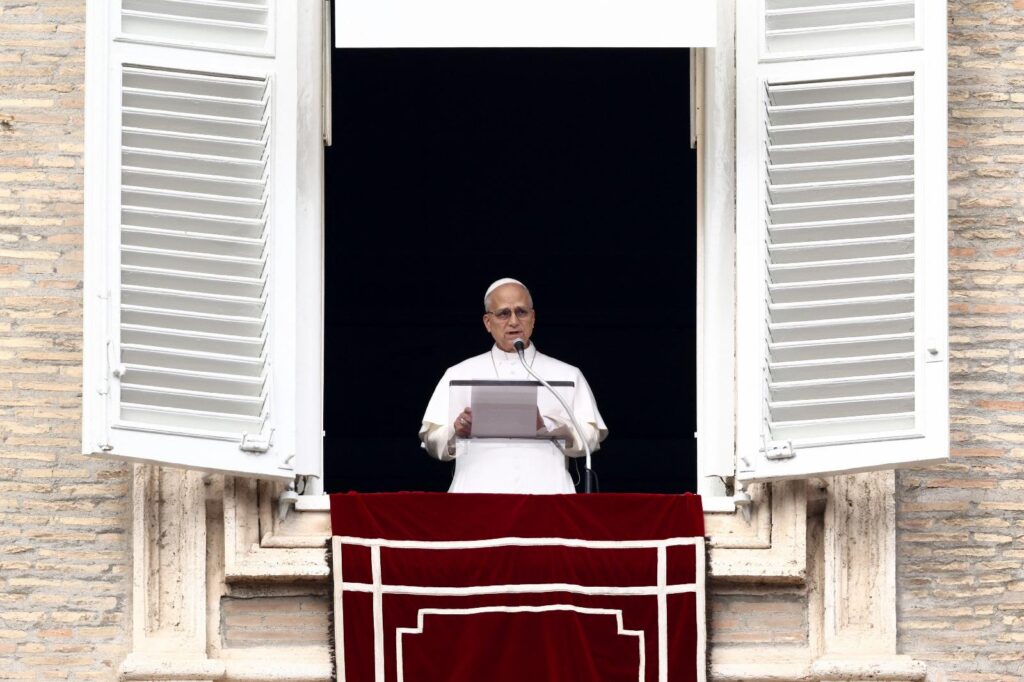
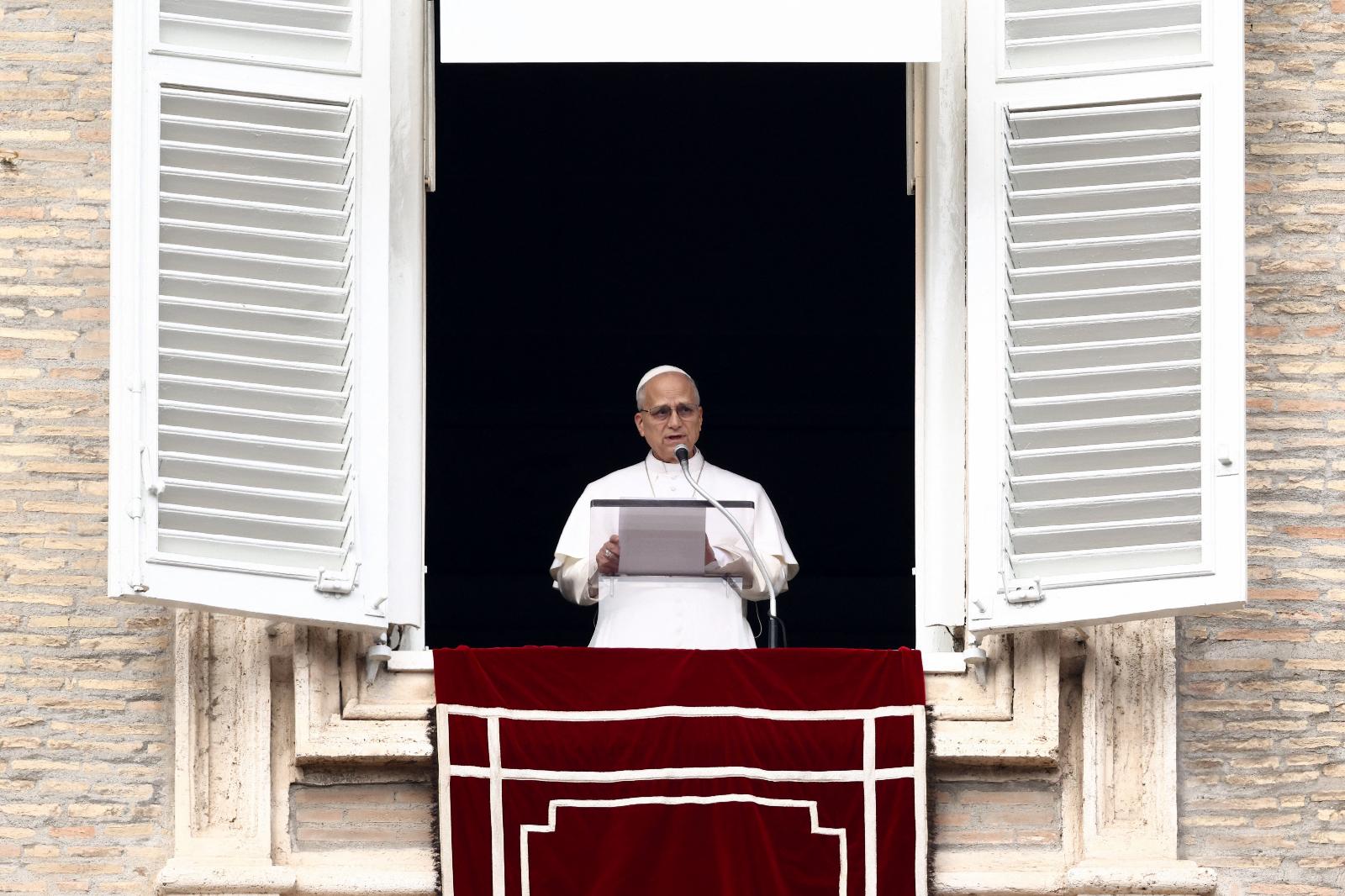
If you’d rather skip the paperwork, go on Sunday. At noon the Pope leads the Angelus from the window of the Apostolic Palace overlooking St. Peter’s Square, with a short prayer and blessing. No ticket is required: just go through security and join the crowd.
There are no audiences in July, when the Pope spends part of the summer in Castel Gandolfo. For dates, ticket requests and tips for the day, read our guide on how to see the Pope in Rome.
Vatican Museums are free on the last Sunday of the month
Explore one of the most important sites in the world, the Vatican Museums, which feature incredible art collections, including masterpieces of inestimable historical and artistic value: undoubtedly one of the most famous museums in the world. On the last Sunday of each month the Vatican Museums are free of charge, it may be necessary to wait at the entrance during this special opening as it is not possible to book online. The opening hours are from 9am to 2pm, last admission at 12:30 pm: visit the official website of the Vatican Museums for more information.
Take a street art walking tour throughout Rome neighbourhoods
Street art has become an important phenomenon all over the world, and Rome is no exception. Walking in almost every district of the city you can admire a series of murals and graffiti created by a series of artists, some even internationally renowned. Discover the thousand identities of the many different neighborhoods of the city: Garbatella, San Basilio, Quadraro, San Lorenzo, Pigneto: a real open-air museum, with no entrance fee!
The Trevi Fountain is the most famous fountain in the world, attracting over 10 million visitors a year. This extraordinary Baroque fountain is an ensemble of mythical figures and wild horses occupying the entire side of Palazzo Poli. When visiting the Fontana di Trevi, it’s tradition to toss a coin over your shoulder to ensure your return to the Eternal City.
The fountain is still free to admire from Piazza di Trevi at any time. Since 2 February 2026, however, close-up access to the basin (“catino”) costs €2 for tourists and non-residents, daily from 9am to 10pm, while residents, children up to 5 and people with disabilities enter for free. Read more here.
Enjoying a picnic or a bike ride along the Parco degli Acquedotti and Ancient Appian Way
Just outside the city center is one of Rome’s most famous parks – the Parco degli Acquedotti. Far away from the hustle and bustle of the city you’ll find a park with pathways filled with streams, pine trees, and ancient aqueducts. The park is a great historical site and an excellent location for running and cycling. Plus, entry is free! And just a short bike ride from the park you’ll find the Ancient Appian Way – one of the most famous ancient roman roads. Along Via Appia Antica you’ll encounter numerous monuments, milestones, basilicas and tombs. During ancient Roman times, the road was essential in transporting troops down Brindisi’s port in southeast Italy.
The park is open from sunrise to sunset, where the sun rays lay over the massive aqueducts, framed by pine trees. If instead of visiting the Ancient Appian Way and Parco degli Acquedotti on your own you’d rather visit them with a group or with a guide, we recommend you reserve a guided bike ride tour here or a golf cart tour on the Appia Antica.
Get a stunning panoramic view from the Pincio terrace
Rome is well-known for its remarkable history and architecture. And the Pincio Terrace in Villa Borghese is the perfect spot to view Rome from the top. From the terrace you can admire the view of beautiful Piazza del Popolo, the dome of St. Peter’s Basilica and much more. The Pincio terrace sits right above Piazza del Popolo, at the end of Via del Corso, and is open to the visitors every day, at all times. The best time to come is at sunset.
Exploring the architectural and artistic masterpieces of the hundreds of churches in Rome
Visiting the many churches in Rome is a must for anyone. Did you know that Rome is home to more than 900 churches (including some of the oldest in the world)? So there’s no doubt the Eternal City is the most interesting place on Earth when it comes to visiting basilicas, cathedrals and churches. But it’s not just the religious aspect that draws millions of people to visit churches in Rome – each one is unique and boasts architectural or artistic masterpieces, some are even the burial site of some true greats. Among the most beautiful churches to visit there’s the Basilica of Santa Maria in Trastevere – the oldest church in Rome dedicated to the Virgin Mary – featuring six golden mosaics by Pietro Cavallini; the glorious church of Sant’Ignazio di Loyola in Campo Marzio with frescoes by Andrea Pozzo; and the Basilica di San Pietro in Vincoli (Saint Peter in Chains) home to the relic of Saint Peter’s chains when he was imprisoned in Jerusalem and Michelangelo’s Moses.
Enjoy a stroll or bike ride along the Tiber River
The city of Rome has the Tiber River to thank for making it into the developed area it is today–this vital resource is said to be where the city truly began. Today you can enjoy a peaceful walk or scenic bike ride along the water. The bike trail starts from the Basilica of San Paolo fuori le Mura and extends all the way to the Stadio Olimpico, covering a total distance of nearly 10 km along the banks of the Tiber River. The path traverses some of the city’s most popular areas, yet it remains below street level, away from traffic and intersections.
Pay tribute to the former Jewish Ghetto
Photo by Daniele Dorelly
flickr.com/photos/danmagma/
In 1555 the Catholic Church chose to revoke all rights of Italy’s large Jewish population and have them confined to this area in Rome. This was just one of many mandates that allowed the Church to establish more control over the Jewish population. In this ghetto people were not allowed to carry out any kind of trade or own any land. Despite the circumstances, the population persisted and survived. Today the Synagogue and the Jewish Museum are some of the most popular tourist attractions as it represents the perseverance and fortitude of an oppressed population.
This destination is of course meaningful in a historical and religious sense, but that is not all it has to offer its visitors. The area is considered one of the most beautiful neighborhoods of Rome and offers an excellent culinary experience from the many restaurants throughout the area.
Photo by Daniele Dorelly
flickr.com/photos/danmagma/
Taking in the stunning views of the capital is definitely one of the best free things to do in Rome. The Janiculum Hill (or Gianicolo) consists of two large avenues that offer gorgeous scenes of the city of Rome. The two paths are lined with beautiful trees and border Villa Aurelia. They merge into one path in the Piazzale Garibaldi that descends down toward the church of Sant’Onofrio.
The Janiculum Promenade offers views of historic Rome that you cannot get anywhere else. Walking along this path you will also encounter 84 statues of the notable Garibaldi soldiers, the equestrian statue of Garibaldi, the equestrian monument of Anita Garibaldi, and the Lighthouse donated by a community of Italians in Argentina. If you reach the Belvedere del Gianicolo at 12:00pm you can experience a tradition that has been held since 1904, in which three soldiers will load a blank howitzer and fire the cannon shot.
Visit one of Rome’s free museums
Not every museum in Rome comes with a ticket. A handful of city-run museums are free for everyone, such as the Museum of the Walls inside Porta San Sebastiano and the Museum of the Roman Republic on the Janiculum, while in EUR La Vaccheria, a former dairy farm, hosts contemporary art shows with free entry. Near the Trevi Fountain, the Accademia di San Luca also opens its gallery for free.
Since February 2026, residents of Rome and its metropolitan area get free entry all year round to city-run sites such as the Capitoline Museums and the Ara Pacis, while some previously free museums, including Villa di Massenzio and the Carlo Bilotti Museum, now charge non-residents. Here’s what changed in 2026.
Food as an experience, a form of memory, a language, an artistic expression
How many great stories have begun around a table? From cinema and literature to theatre and religious traditions, the act of gathering around a table, whether to eat or prepare food, reveals something about who we are and how we feel.
Until 29 March 2027 at the Chiostro del Bramante, a few steps away from Piazza Navona, you can have a “taste” of the cultural and sociological representation of food through the centuries. Curated by Suzanne Landau, the exhibition features 190 artworks narrating food through the body, desire, identity, power and society, and accompanies visitors of all ages through the deeper meaning of food. The visit includes an educational programme and an audioguide in which eight figures from Rome’s food culture, from fruit sellers to market stallholders, comment on eight artworks, offering a view of art far from that of the critic.
With “FOOD. Tasting Art”, the Chiostro del Bramante invites everyone to explore food through five centuries of art, across different levels of experience: memory, the body, culture, imagination and ecology.
Food for thought, indeed
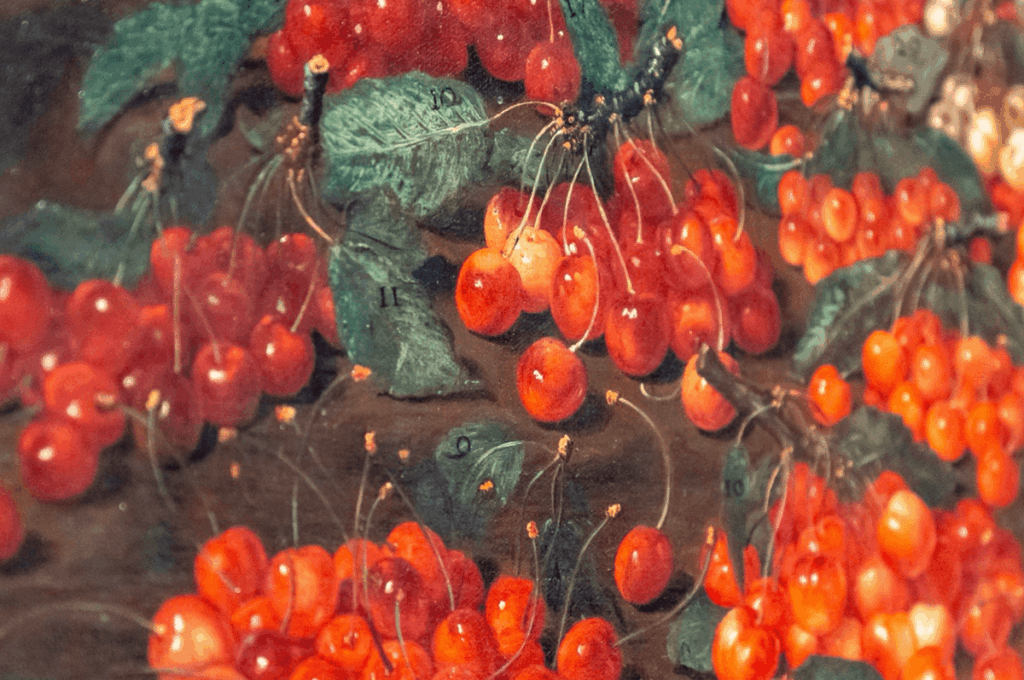
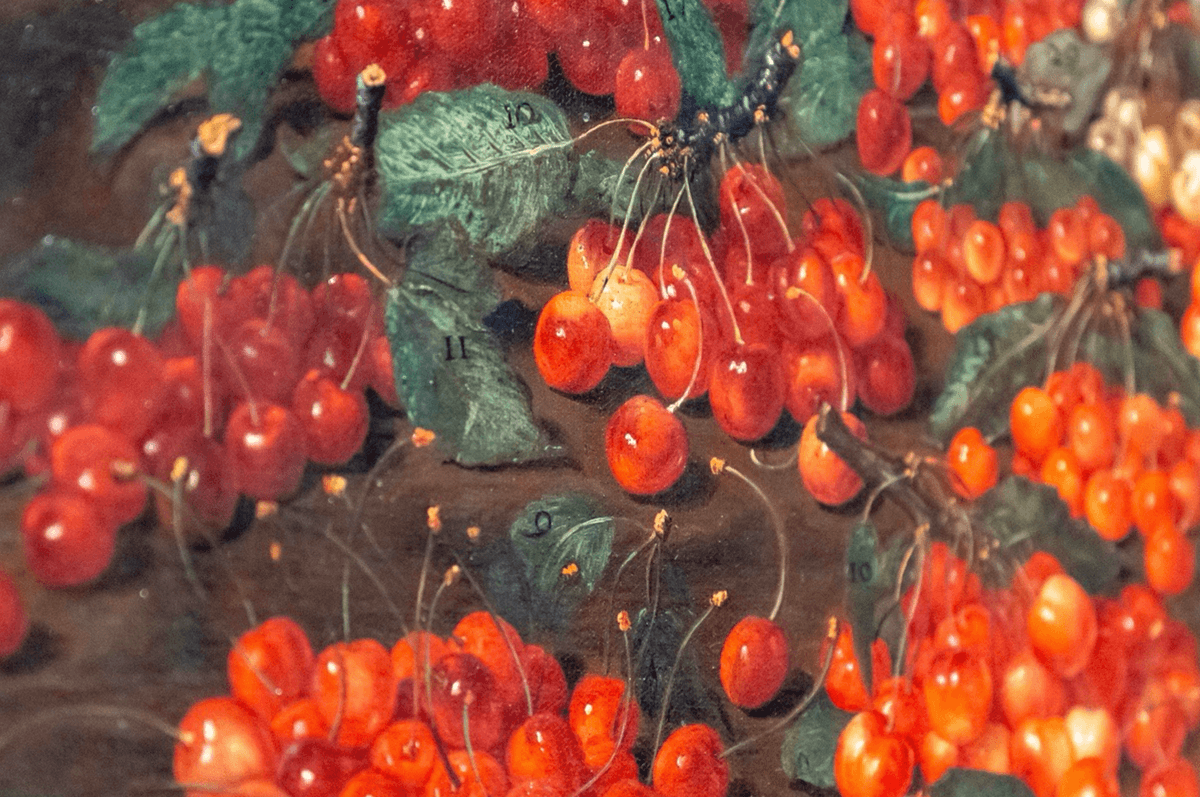
Bartolomeo Bimbi Natura morta con ciliegie, 1699 Olio su tela / Oil on Canvas Courtesy Ministero della Cultura – Ville e Residenze Monumentali Fiorentine, Villa medicea di Poggio a Caiano, Museo della Natura Morta. Foto Gianluca Passarelli
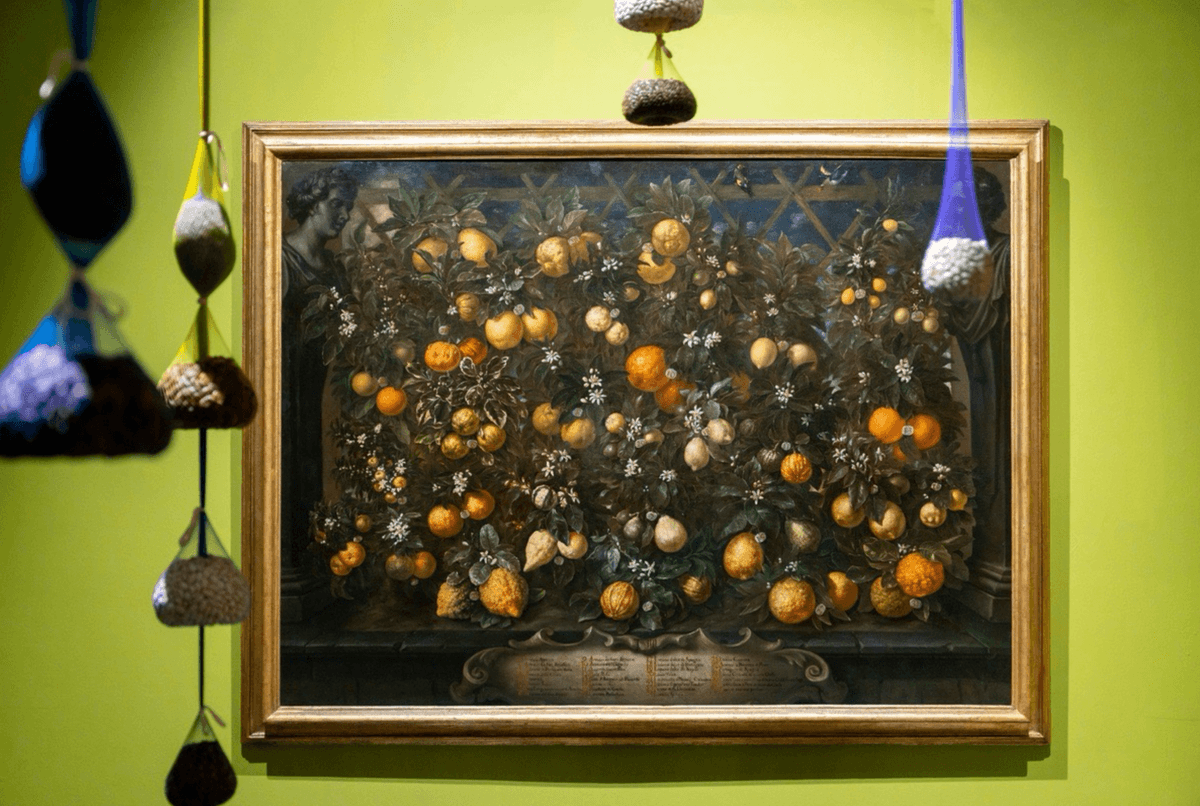
Lemons, peaches, pears, ceramics, forks, knives, plates, people depicted eating or arguing around the kitchen table: they can be seen everywhere in this exhibition. From the everyday act of eating to the symbolic, social and cultural dimension of conviviality, food becomes the protagonist of an exhibition that encourages visitors to look with new eyes at what belongs to our most intimate and collective experience. The show brings together more than 60 international artists, including Marina Abramović, who opens the show with a video, David LaChapelle, Sophie Calle, Vanessa Beecroft, Bartolomeo Bimbi, Christian Berentz, Yinka Shonibare, Piero Gilardi, Carrie Mae Weems, Sam Taylor-Johnson, Daniel Spoerri and Ernesto Neto.
Artists transformed the act of eating and food into a visual language, while reflecting on our identities, politics, social status, pleasures and taboos. Food became an allegory, a metaphor, a rebellion, an expression of love, labour, memory and desire.
Suzanne Landau, curator of the exhibition
Food as a tool for reflection on the present
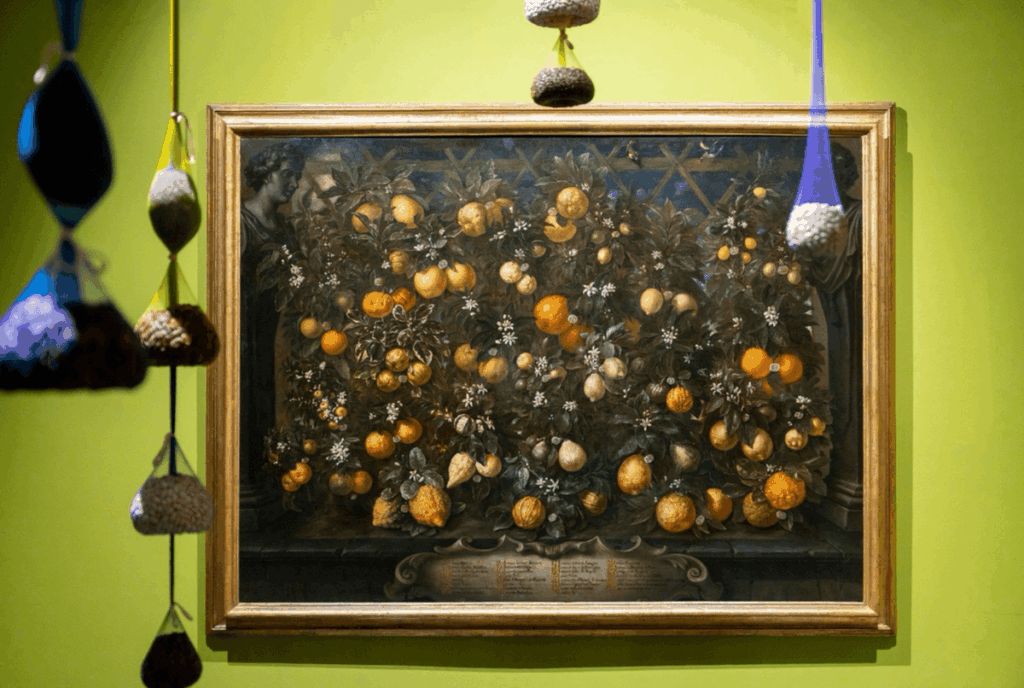
Bartolomeo Bimbi Natura morta con arance, lime, limoni e lumie, ante 1715 Olio su tela / Oil on Canvas Courtesy Ministero della Cultura – Ville e Residenze Monumentali Fiorentine, Villa medicea di Poggio a Caiano, Museo della Natura Morta
One of the exhibition’s main takeaways is the realisation that food, whether we are eating it, preparing it or simply thinking about it, is everywhere. It surrounds us and touches virtually every aspect of human life. From religious paintings and magnificent 16th-century still lifes to Bompas & Parr’s immersive installation recreating a Pasta Shell Grotto inside the museum, the exhibition offers a remarkable variety of perspectives. Another highlight is Sweet Memories by Simone Post: a miniature flat covered in marshmallows and sweets, complete with a washing machine.
This is an exhibition well worth visiting with family or friends, whether to admire beautiful paintings, reflect on everyday rituals, or discuss your favourite Italian dish around a table that seems to have stepped straight out of Alice’s Adventures in Wonderland.
Bartolomeo Bimbi
Natura morta con ciliegie , 1699
Olio su tela / Oil on Canvas
113 x 152 cm (senza cornice); 175 x 200 x 20 (senza
cornice)
Courtesy Ministero della Cultura - Ville e Residenze
Monumentali Fiorentine, Villa medicea di Poggio a
Caiano, Museo della Natura Morta -Foto Gianluca Passarelli
Bartolomeo Bimbi
Natura morta con arance, lime, limoni e lumie, ante
1715
Olio su tela / Oil on Canvas
174 x 233 cm (senza cornice); 199 x 258 x 11,5 cm (con
cornice)
Courtesy Ministero della Cultura - Ville e Residenze
Monumentali Fiorentine, Villa medicea di Poggio a
Caiano, Museo della Natura Morta
Race Club Speakeasy is the Colosseum’s underground cocktail bar
A stone’s throw from the Colosseum, The Race Club is a speakeasy bar that’s fast becoming a beloved late-night underground den. Hidden from plain sight, this member’s only bar is seriously dedicated to its cocktails. Sit back and relax on one of their plush sofas and Chester with a well-mixed libation unique to Race Club’s menu.
From the outside, The Race Club Roma Speakeasy is easy to miss. This bar stands on a street close to the Colosseum—one of those streets people walk down every day without even knowing that there’s another great Roman gem around the corner. But The Race Club is here, hiding in the dark, waiting to be discovered.
When you walk inside, with half-assembled motorcycles strewn around the place, it looks like a biker shop, or some kind of mechanic’s garage, but don’t let that fool you. Step into the office, and suddenly you’re standing in front of a staircase. Walk down those steps, and you’ll find yourself somewhere entirely new, as if you’ve walked through Alice’s looking glass from one world into another.
And this world is luxurious, relaxing, with the sweet melodies of songs—think jazz, think classic American rock tunes—welcoming you in as you find a couch to sink into. The lights that hang down, almost swaying to the music, are gentle, and they paint into gold the love seats and coffee tables, the newspaper clippings decorating one little corner, and the vintage picture frames, and photographs and books in another. In your new little secret saloon, you can find your favorite seat and relax with your drink of choice.
Race GpT: the drink list
Cocktails are the real reason to find your way down here. The Race Club’s new drink list is called Race GpT, and the idea behind it is simple: drinks designed around the guest, with presentations that go well beyond the glass.
You can pick one of the house signatures or ask the bartenders for a classic, made the way you like it. The signatures are where the menu has the most fun. Baby-Ron arrives in a baby bottle, mixing rum with Plasmon biscuits blended in soy milk. Mezzo Pieno is a savoury twist on bourbon, fat-washed with guanciale from Amatrice and finished with white truffle. Al Pachino #1 pairs vodka with Pachino tomato and basil, served with a pasta straw, while Cagiva Mi-To is a smoky take on the Negroni, made with Laphroaig and cedar wood smoke. For Fede Alcolica the recipe stays secret: you’ll have to ask the staff.
Most cocktails cost €20. If you’re planning to stay for a second round, the Doppio Giro offer gets you two drinks for €35, with the membership card included for free.
The Race Club Roma Speakeasy takes reservations on their website, and it can accommodate large groups for special events (also private parties) such as birthday parties. To be part of the club, you have to pay a €5-membership card, and trust me: it’s worth it.
110 Black-and-White Portraits Reveal a Different Side of American Life
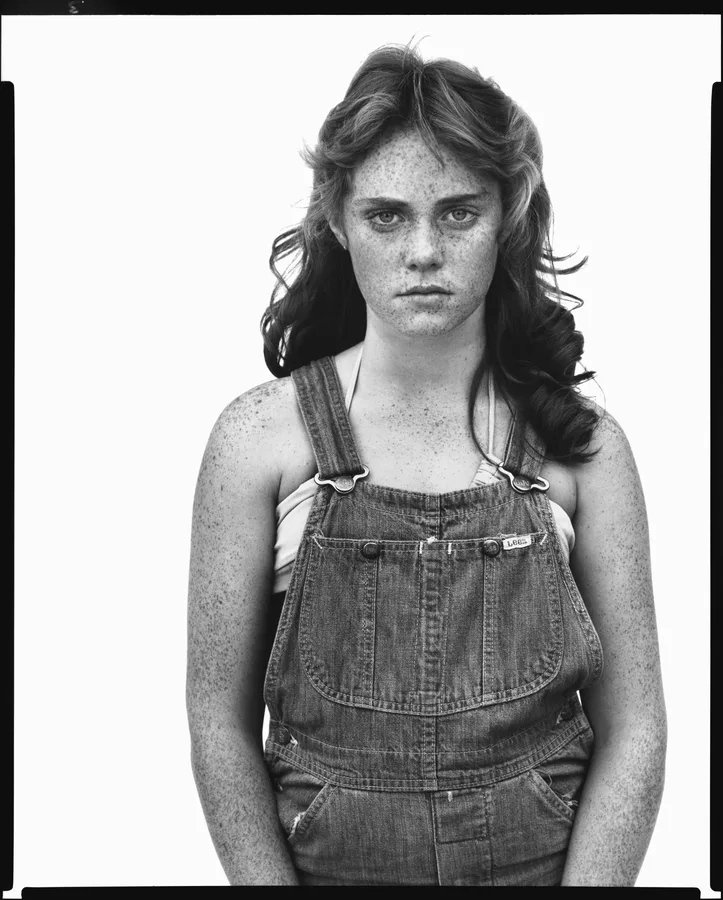
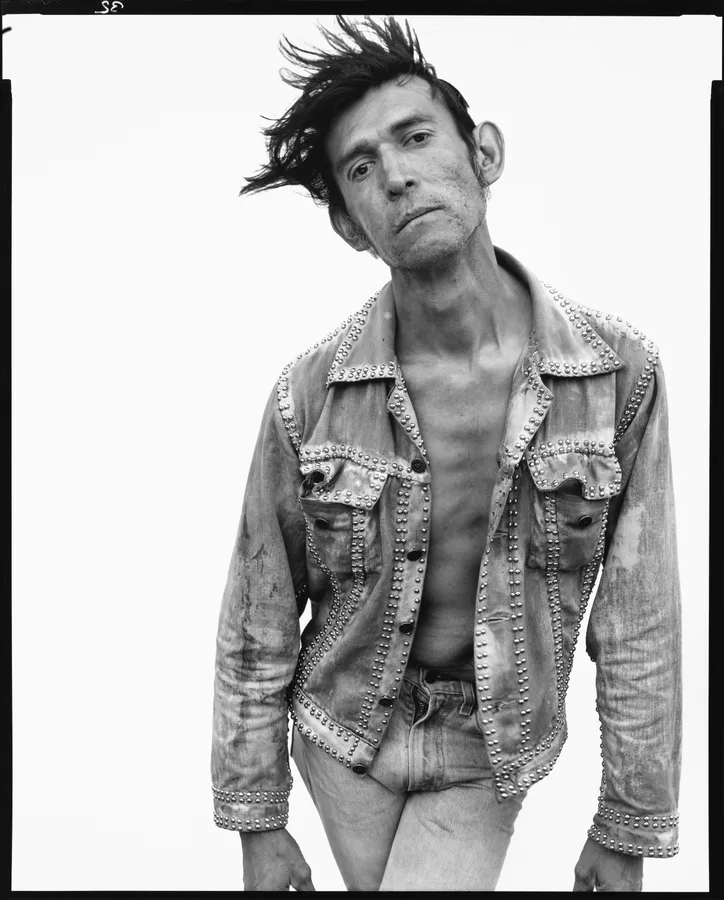
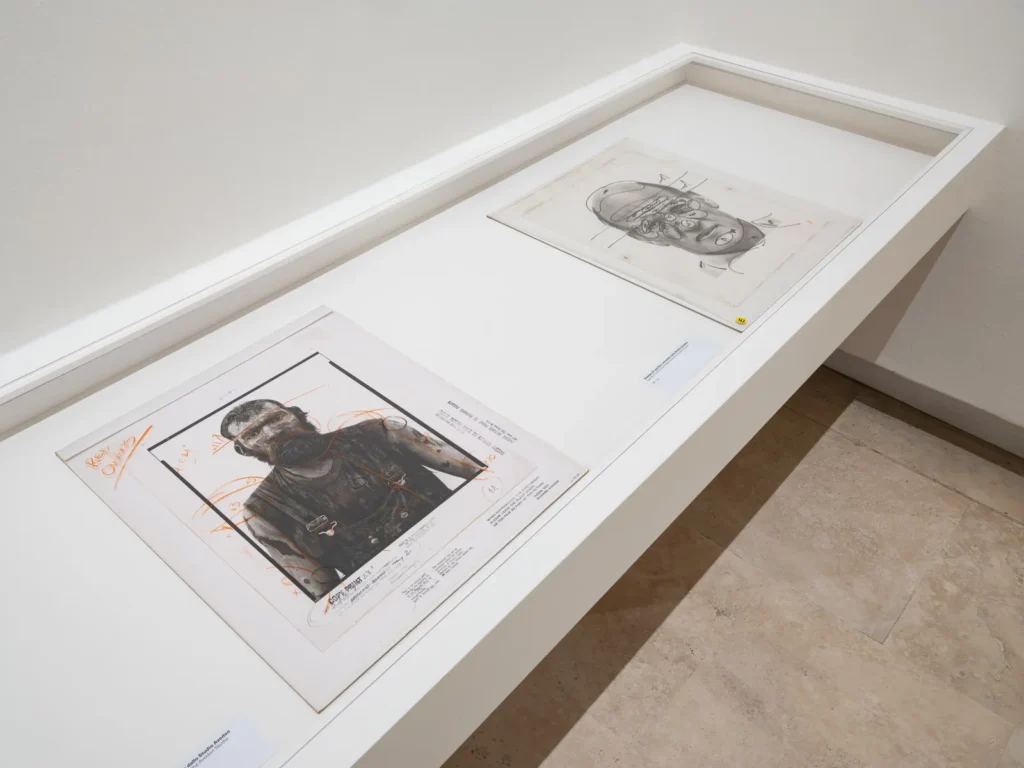
From October 9, 2026 to January 31, 2027, Palazzo Esposizioni Roma presents Richard Avedon. In the American West, 1979–1984, an exhibition dedicated to one of the American photographer’s most ambitious projects. Curated by Clément Chéroux, director of the Fondation Henri Cartier-Bresson, it brings together all 110 portraits from Avedon’s 1985 book In the American West for the first time in Italy, alongside archived materials that reveal how the series came together.
As you enter the galleries, the first thing that stands out is how little surrounds the people in the photographs. There are no sweeping desert landscapes or picturesque Western towns. Instead, visitors come face-to-face with the people who lived and worked there.
By the late 1970s, Avedon had already established himself as one of America’s most celebrated photographers. Known for his fashion photography for Harper’s Bazaar and Vogue, he had spent much of his career photographing models, celebrities and public figures. But for this project, he turned his attention to people who rarely appeared in front of a professional camera.
The idea began in 1978, after a photograph Avedon took of a Montana ranch foreman caught the attention of the Amon Carter Museum in Fort Worth, Texas. Beginning in 1979, he spent five years travelling through 21 states, stopping at truck stops, livestock markets, slaughterhouses, mining camps and oil fields. He photographed more than a thousand people, eventually selecting the portraits that would appear in his book.
The timing was significant. While popular television shows portrayed an image of American wealth and success, recession and deindustrialization were affecting working communities across the country. Avedon’s subjects offered a very different view of the West.
The Power of Simplicity
Moving along the gallery walls, you begin to notice the same approach in every photograph. Each person stands against a plain white backdrop, photographed from the front in natural light. Without a workplace or surrounding landscape to distract you, the smallest details become impossible to ignore: a stained shirt, a tired expression, a particular way of holding the hands.
The people in the photos are identified by their names, occupations, and the places and dates they were photographed. Among them are coal miners, farmworkers, truck drivers and young children. Some look directly at the camera with confidence while others seem uncomfortable or guarded. Together, their portraits go against the familiar image of the American West as a place defined by cowboys and open landscapes.
Although the images may seem random, Avedon carefully arranged each sitting. Working outdoors with a large-format camera, he watched how his subjects moved and reacted, sometimes directing their poses. The result sits somewhere between a documentary record and a portrait deliberately constructed by the photographer.
The photographs are displayed in the same sequence as the original book, with blank spaces on the walls representing its empty pages. This unusual arrangement gives visitors a chance to pause between faces rather than rush from one portrait to the next.
One of the most memorable portraits is that of Ronald Fischer, a beekeeper photographed in Davis, California, in 1981. Standing shirtless before Avedon’s camera, Fischer is covered in bees, with insects clustered across his body. It is an image that is difficult to pass without stopping.
A nearby explanation reveals just how carefully the photograph was planned. Fischer’s body was coated in queen bee pheromone to attract the swarm, and Avedon made 121 exposures over two days. He ultimately chose the image in which Fischer appears almost meditative despite the insects surrounding him. The portrait makes clear that Avedon was not simply recording what happened to be in front of him; he was also creating the conditions for an extraordinary image.
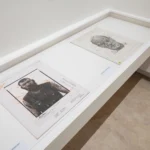
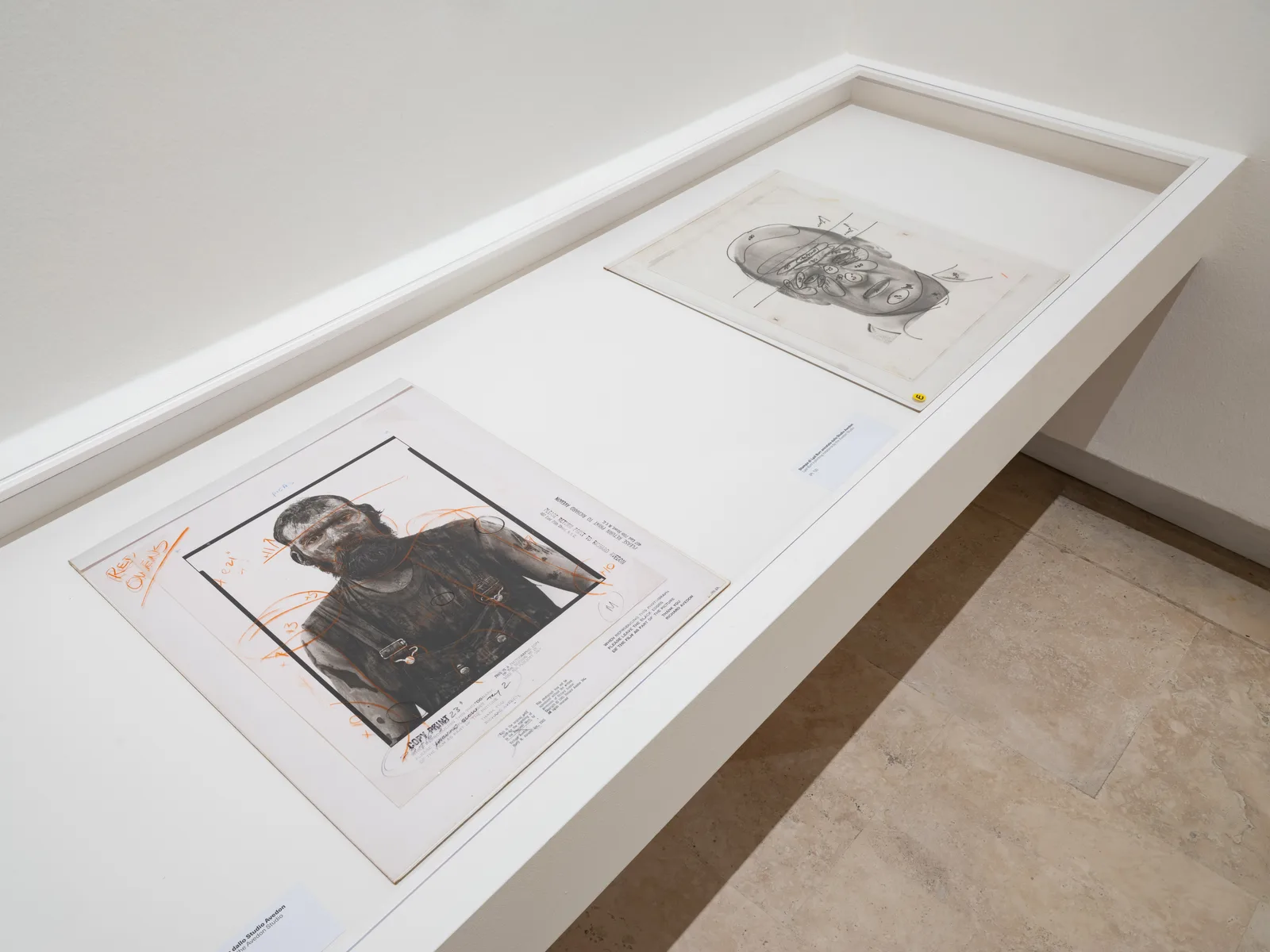
Elsewhere, the exhibition opens up the process behind the portraits through archival material from the Richard Avedon Foundation. Visitors can see Polaroids taken before sittings, handwritten notes and correspondence with the people photographed. The Polaroids were not just tests: their numbers connected each person to a file containing their name, permission to publish and contact details, allowing the studio to later send them a print, a book and an exhibition invitation.
Some of the silver gelatin prints still carry Avedon’s handwritten instructions to his printers, indicating which areas should be enhanced or softened. These small traces show the work that went into photographs whose simplicity can otherwise seem effortless.
Particularly revealing is a letter from Cheryl Harrison to Avedon, written after the original exhibition opened in 1985. She describes how much the experience meant to her family and suggests that anyone who looked beyond the photography would see the people themselves. Her words give the sitters a voice in a series that initially sparked debate over how the American West had been portrayed.
First shown at the Amon Carter Museum in 1985, In the American West has since become a landmark of twentieth-century portrait photography. At Palazzo Esposizioni Roma, the impact lies not only in the images themselves but in the time you spend looking at each person. Running until January 31, 2027, the exhibition invites visitors to see an America often overlooked, one face at a time.
Palazzo della Sapienza: Borromini, the State Archives and the Biblioteca Alessandrina
After years of closure and a long restoration, Sant’Ivo alla Sapienza reopened to the public on 27 October 2026. Francesco Borromini‘s church, which overlooks the courtyard of Palazzo della Sapienza on Corso del Rinascimento, can be visited for free from Monday to Friday, 9:30am to 1:30pm.
Visitors are welcomed by volunteers from the Touring Club Italiano, who, as part of the Aperti per voi project, show them around the courtyard and the church. The reopening is the result of a collaboration between the Touring Club, the State Archives of Rome and the Diocese of Rome.
The church sits at the heart of Palazzo della Sapienza, one of the most important complexes of Roman Baroque. Construction began in the mid-fifteenth century and was completed at the end of the seventeenth, with contributions from Giacomo della Porta and Borromini. For centuries the palazzo was home to the Studium Urbis, Rome’s ancient university. Today it houses offices of the Italian Senate and the State Archives of Rome with the Biblioteca Alessandrina, which holds documents from the nineteenth century to the present day.
Borromini was appointed architect of the Sapienza in 1632 by Pope Urban VIII and worked on the church from 1642 to 1660, adapting his ideas to the existing buildings. The plan is based on a six-pointed star inscribed in a hexagon, with a constant interplay of concave and convex lines that rises to the famous spiral lantern, decorated with tongues of flame and visible from many points of the historic centre. The altarpiece is by Pietro da Cortona.
Palazzo della Sapienza: restoration and structural safety work
Restoration and safety work on the complex, overseen by the Soprintendenza Speciale di Roma, began in 2016, after the earthquake that struck central Italy on 30 October that year. The first phase brought structural improvements, consolidating the building’s original load-bearing system without visible intrusion, along with careful conservation work.
The work covered the entire monumental complex: the lantern of Sant’Ivo; several rooms of the State Archives of Rome, including the great hall of the Biblioteca Alessandrina, built by Borromini in 1665; the offices of the Italian Senate; and the parts of the building constructed between 1595 and 1602 by Giacomo della Porta, a pupil of Michelangelo and Vignola, who designed the courtyard before Borromini’s intervention.
The final phase focused on the church. Between 2024 and spring 2026, funded by the PNRR Caput Mundi programme, cleaning, consolidation and the removal of deteriorated plaster restored the architectural surfaces of Sant’Ivo and the complex, bringing back what Superintendent Daniela Porro called “a return of Borromini’s white”, the colour the architect used to give movement to space. The next step will be a new lighting system, supported by a private sponsor.
“The restoration and structural safety work on Palazzo della Sapienza is the clearest example of the role the Soprintendenza Speciale di Roma plays in protecting Rome’s artistic and architectural heritage. It is an important intervention that has given this architectural gem back its true value, made possible only by different institutions working side by side in a harmonious and productive way,” said Daniela Porro, Special Superintendent of Rome, at the end of the first phase of work.
One of the most significant results of the restoration is the recovery of Borromini’s Corridor, a pedestrian passage between the palazzo and Piazza Sant’Eustachio built between 1659 and 1664. Located in the northern part of the building and long used as a storeroom and garage, the corridor was inaugurated at the end of September 2021, after its original walls and floor were restored, giving the complex back its historic entrance from Piazza Sant’Eustachio.
From 3 November to 13 December, more than 30 events across the city celebrate the art, music, design and traditions of Denmark, Finland, Iceland, Norway and Sweden.
When people think of Rome, the first things that come to mind are history, art and Roman food. Yet for more than a month the city also turns its gaze north: Novembre Nordico returns for its fifth edition with Tracce nordiche a Roma, a festival that brings the culture, art and traditions of Denmark, Finland, Iceland, Norway and Sweden to the capital.
From 3 November to 13 December, the Nordic embassies, the Circolo Scandinavo and the four Nordic cultural and scientific institutes, the Danish Academy, the Finnish Institute, the Norwegian Institute and the Swedish Institute of Classical Studies, have put together more than 30 events across the city, many of them free.
Music, literature, food, art, design and cinema all have a place in a program built to bring Italian and Nordic cultures closer, through exhibitions, concerts, walks, talks, cooking classes and workshops for children.
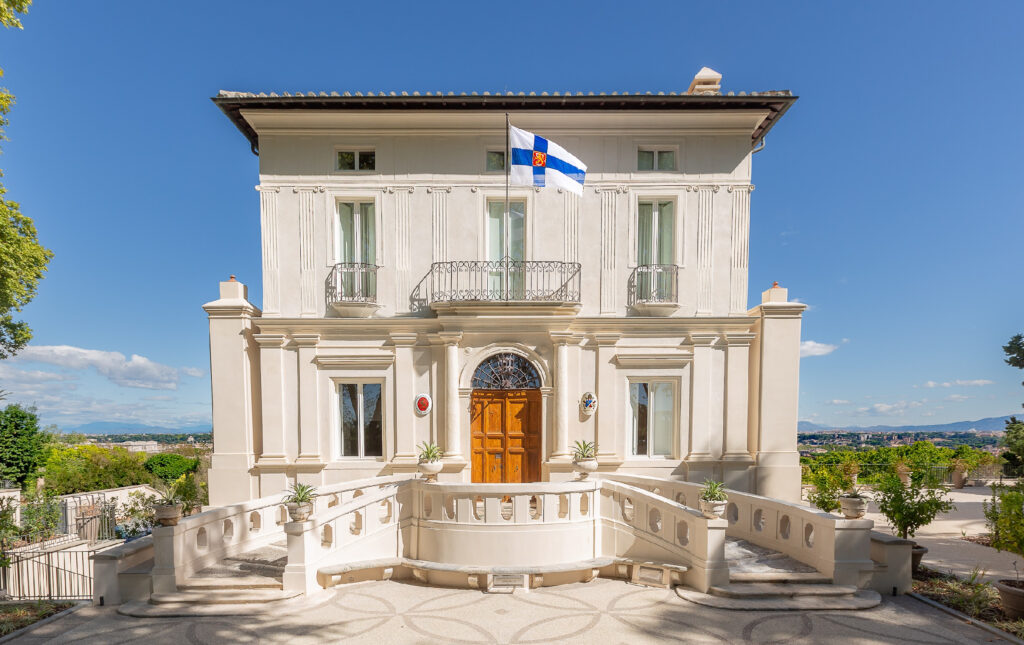
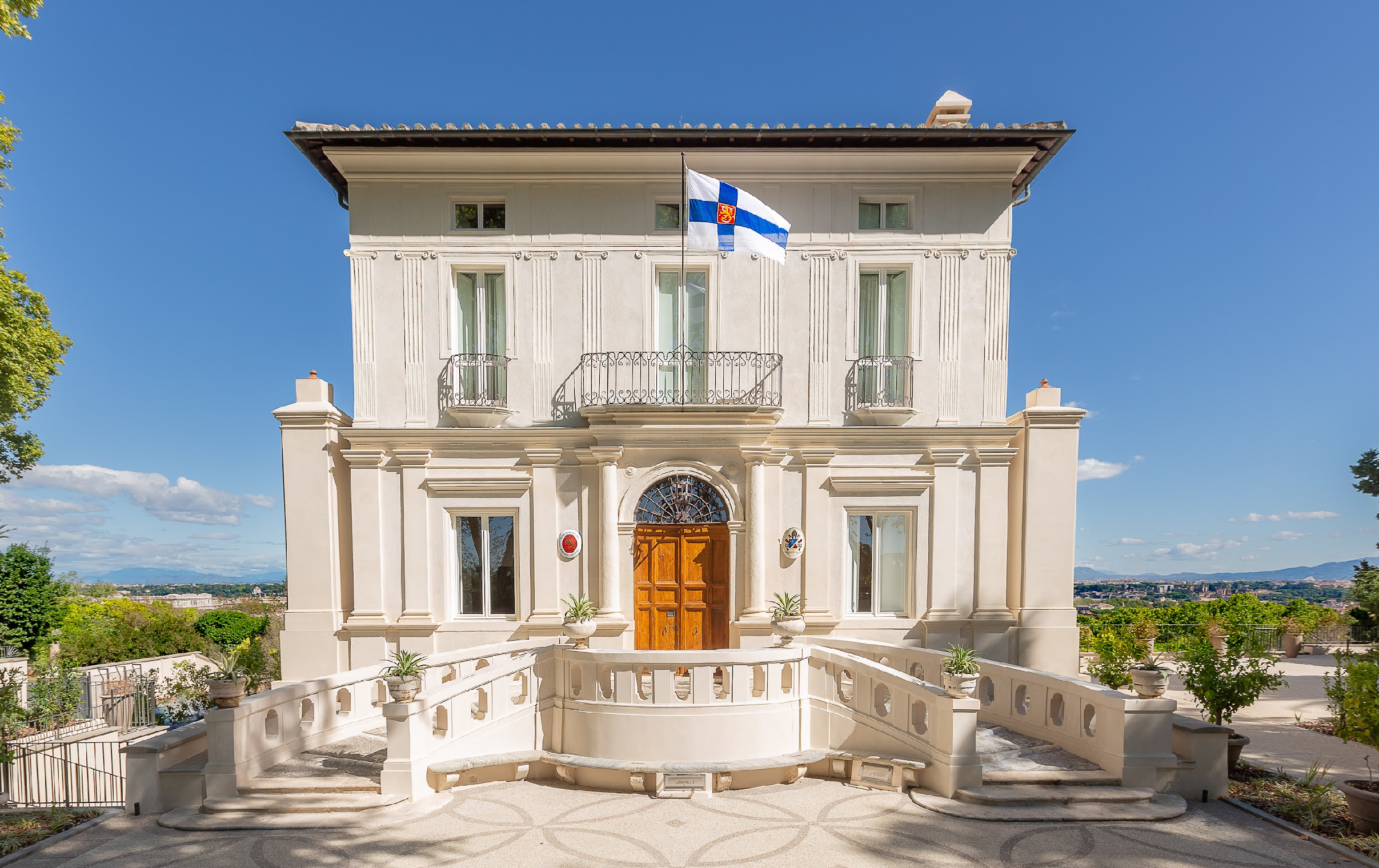
Villa Lante, home of the Institutum Romanum Finlandiae
Art, design and history
Two special events open the way before the official start. On 27 October, the Finnish trio FREETA performs a contemporary folk concert at Villa Lante, in collaboration with the Sibelius Academy in Helsinki. On 28 October, the Hessenza showroom hosts RYTSOLA, Meet the Designer, a presentation of the Finnish family company’s interior design collections, including RYTSOLA x MOOMIN, inspired by the famous characters created by Tove Jansson.
The program officially opens at the Danish Academy with 70 anni di vita e arte all’Accademia di Danimarca, a series of exhibitions marking the institute’s 70th anniversary, open on selected dates from 3 to 28 November. It is made up of three shows: Painted in Rome, Photographed in Rome and Danish Design in Rome. On 10, 17 and 24 November, free guided tours (booking required) also reveal the history and architecture of the Academy.
Sweden’s bond with the city runs through Queen Christina, born 400 years ago. On 2, 3 and 5 November, the Archivio di Stato hosts Cristina di Svezia tra storia, arte e libertà, three days of guided tours, workshops and talks linked to the exhibition Come sole frà le stelle. On 11 November the Swedish Institute celebrates the anniversary with an evening of history, Baroque dance and music, and on 15 November visitors can enter the historic halls of the Vatican Apostolic Library to see manuscripts from the Queen’s collection.
Villa Lante on the Janiculum, designed by Giulio Romano and home of the Finnish Institute, also opens its doors on an exceptional basis on 6 and 20 November.
For lovers of the performing arts, from 6 to 8 November the Embassy of Norway brings Cirkus Antero to the Mattatoio as part of Romaeuropa Festival, a show by Norwegian performer, juggler and author Frida Odden Brinkmann. On 7 and 8 November, Teatro Vascello hosts How Romantic, by Greek choreographer Katerina Andreou with Carte Blanche, Norway’s national dance company.
Music plays a leading role in this edition. From 10 November to 3 December, the second edition of Organum Multiplum, presented by Villa Lontana, brings contemporary organ music to churches such as Santa Maria in Aracoeli, Santa Cecilia in Trastevere and the Pantheon. On 12 November, the Basilica of San Giovanni in Laterano hosts the premiere of For Organ and Brass by Swedish composer Ellen Arkbro.
Classical music takes center stage at Villa Lante with two concerts dedicated to Jean Sibelius, marking 125 years since his stay in Italy, and to other twentieth-century composers. Finnish baritone Tommi Hakala performs on 18 November, followed on 23 November by Finnish-Spanish soprano Iris Candelaria.
Literature, gastronomy and traditions
Literature is another key part of the festival. On 17 November, at the Spazio Sette bookshop, Norwegian author Aslak Nore presents L’alleanza di ghiaccio, the third and final chapter of his Falck family saga. The program also includes readings, author meetings and book presentations on Nordic culture and design.
To get a closer look at everyday life in Northern Europe, the festival also offers food events and activities for families. On 17 November, Kimmo Kettunen, chef of the Finnish Embassy, leads a free online cooking class on lihapiirakka, a fried meat-filled pastry and a symbol of Finnish street food. On 26 November, another online workshop teaches how to make Swedish köttbullar, the famous meatballs.
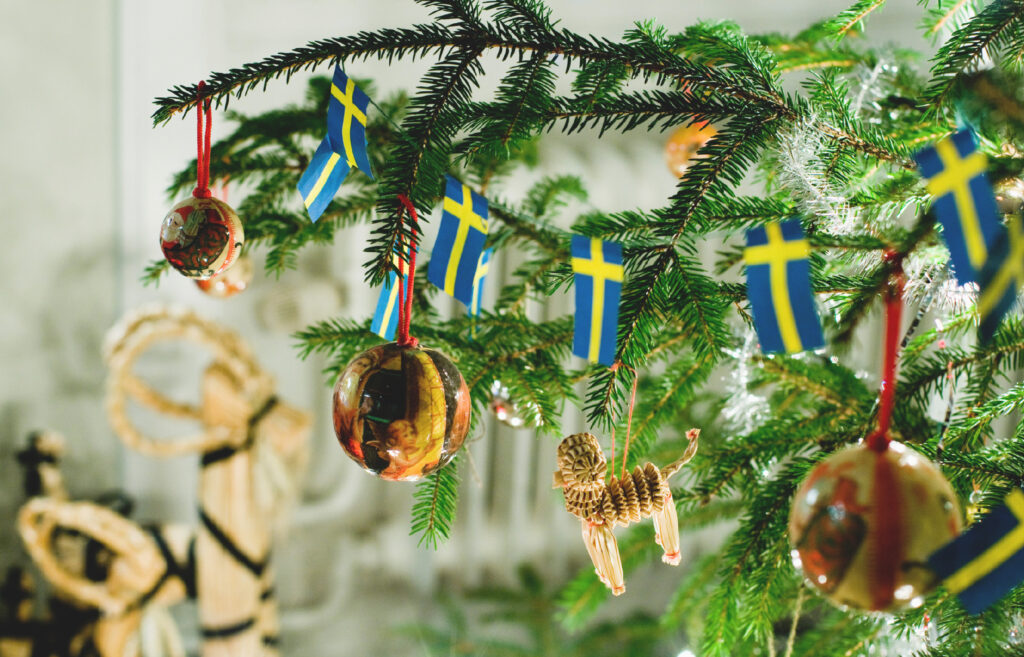
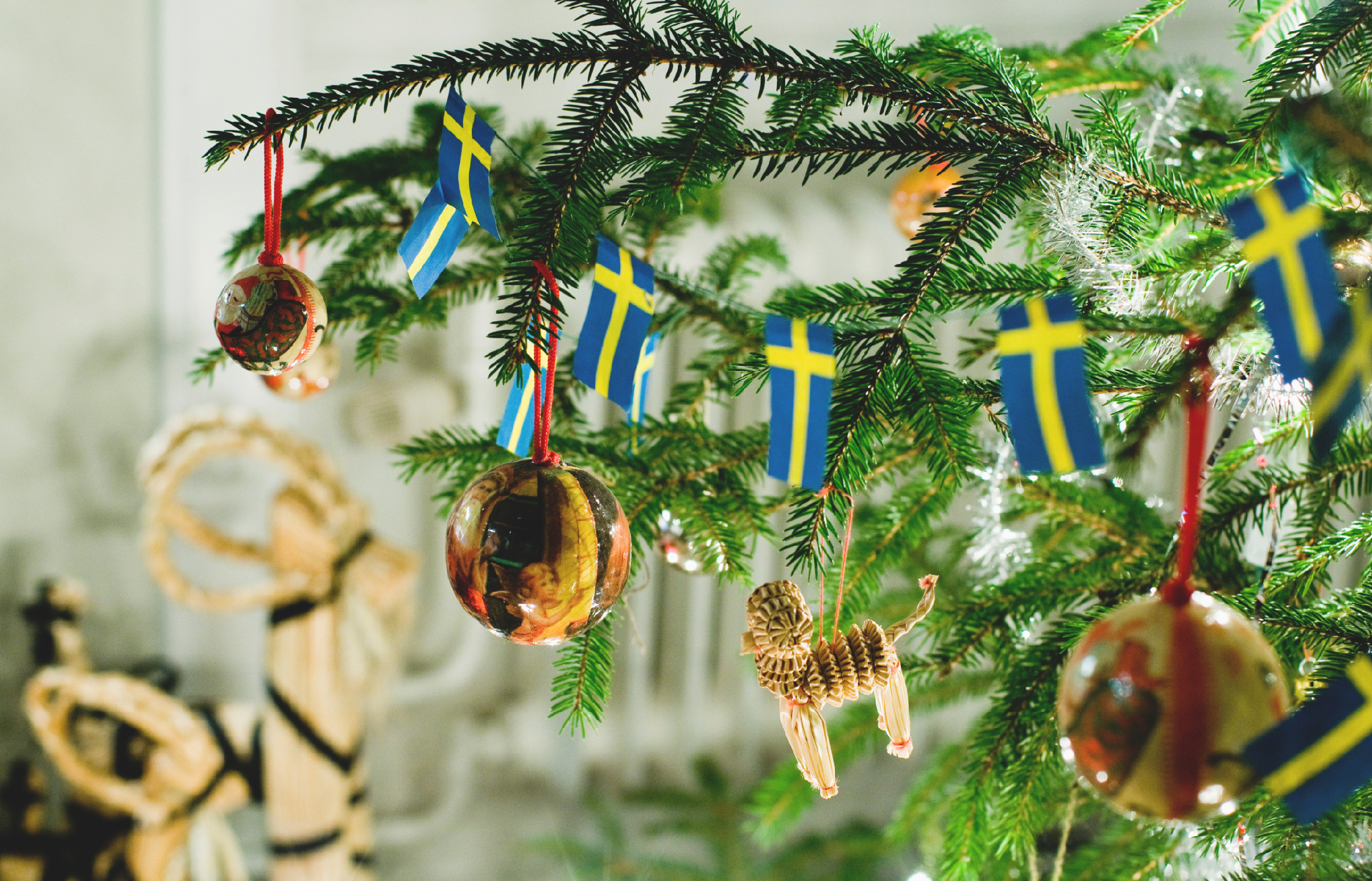
The Christmas atmosphere will not be missing: the Swedish Christmas market at the Church of Sweden in Rome returns on 20, 21 and 28 November, with food specialties and festive decorations.
Christmas market decorations at the Church of Sweden
Discovering Nordic Rome
For those who want to see the city in a different way, the Circolo Scandinavo leads three Nordic walks on 7 and 28 November and 13 December, following the traces left by Scandinavian artists in Rome from the eighteenth century to today.
The festival closes on 13 December with the opening of Borders, the new chapter of the OPENBOX7 exhibition project by the Associazione Amici dell’Aventino, created with the Circolo Scandinavo. The exhibition, which explores the idea of borders as a cause of violence and forced migration, runs until 28 February 2027.
Between art, music, literature and popular traditions, Novembre Nordico invites Romans and visitors alike to look at the city from a different perspective. For more than a month, Rome becomes a meeting point between Italy and Northern Europe.
Discovering the best things to do in Rome in November
November brings some of the year’s most interesting experiences in Rome for anyone who loves culture. As autumn settles over the city, the calendar fills up: Roma Jazz Festival takes over the Auditorium and Casa del Jazz for most of the month, Romaeuropa Festival reaches its final weeks, Roma Arte in Nuvola gathers around 140 galleries at EUR, and for one night Museums in Music keeps the city’s museums open until 2am. Later in the month, the Vienna Philharmonic and Riccardo Muti perform at Saint Paul Outside the Walls.
Here are the best events in Rome in November 2026, from art exhibitions to concerts, festivals and film.
Exhibitions this November in Rome
November in Rome brings the autumn’s major exhibitions at full strength, plus one of the most anticipated openings of the season.
The big news is Marina Abramović at the Galleria Nazionale, opening November 18 for the artist’s 80th birthday. The show pairs landmark performances such as The Artist Is Present with her Transitory Objects, stone and crystal structures that visitors can sit or lie on. On view until April 4, 2027.
Vassily Kandinsky at Palazzo Bonaparte remains the season’s biggest draw, the first monographic show devoted to the Russian master of abstraction in Rome in 25 years. Advance booking is recommended.
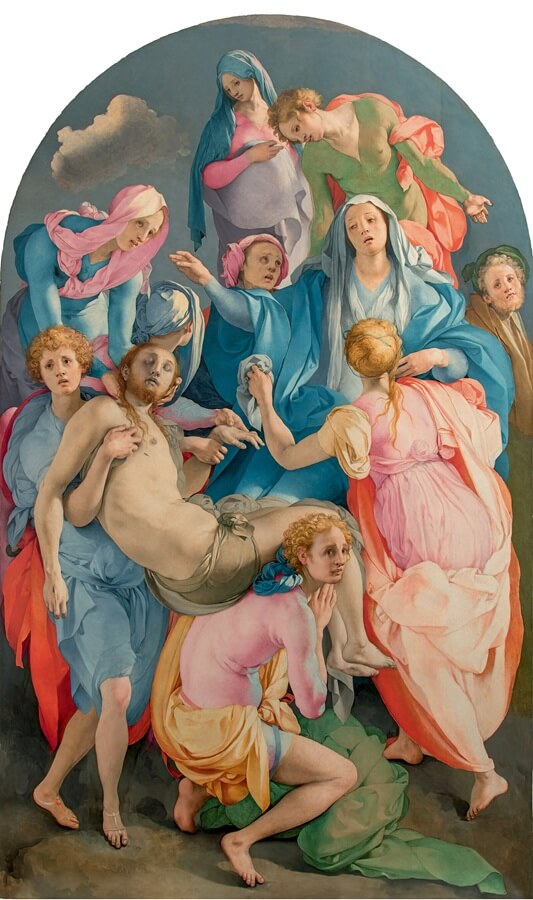
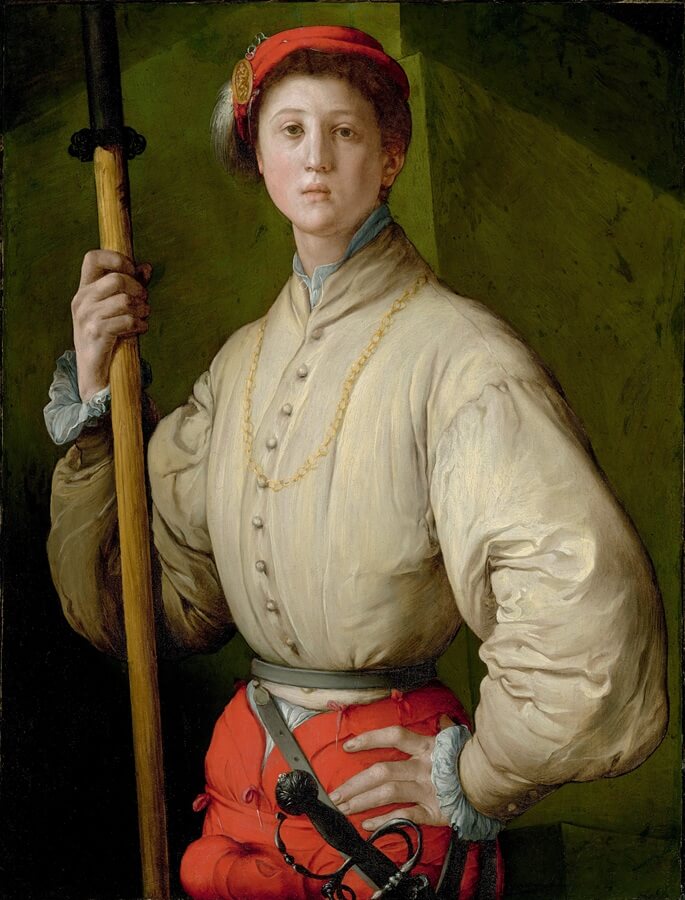
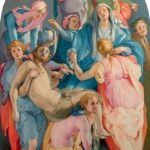
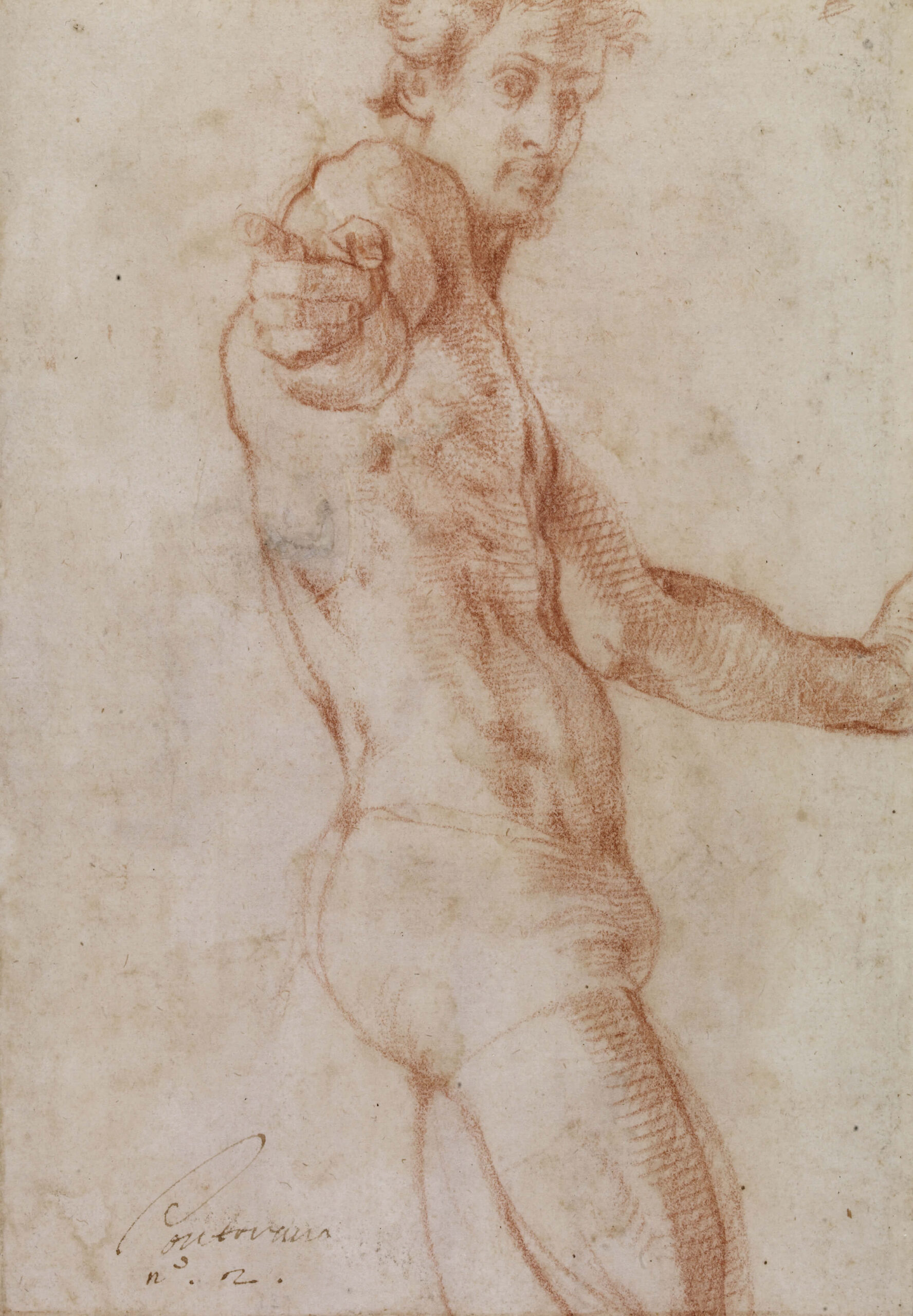
The two big October openings are also on view: Keith Haring at the Museo di Roma at Palazzo Braschi, with over 140 works from the Nakamura Collection tracing his path from New York subway drawings to his final paintings, and Pontormo at the Scuderie del Quirinale, the first monographic exhibition ever devoted to the Florentine master of Mannerism, built around loans from the Uffizi. At the Museo Storico della Fanteria, Renato Guttuso: Mediterranean Soul pays tribute to one of the great figures of 20th-century Italian painting.
At Palazzo Esposizioni, Richard Avedon: In the American West 1979-1984 shows all 110 portraits from the celebrated series. Ranch hands, miners, waitresses and drifters were photographed outdoors against a plain white backdrop, and the prints hang alongside working Polaroids and letters from the archive. On view until January 31, 2027.
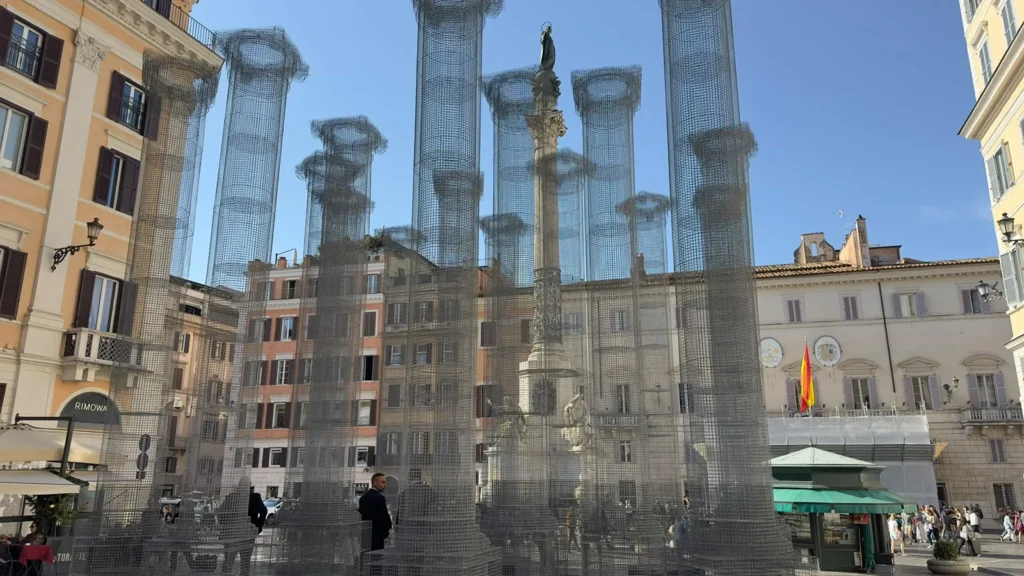
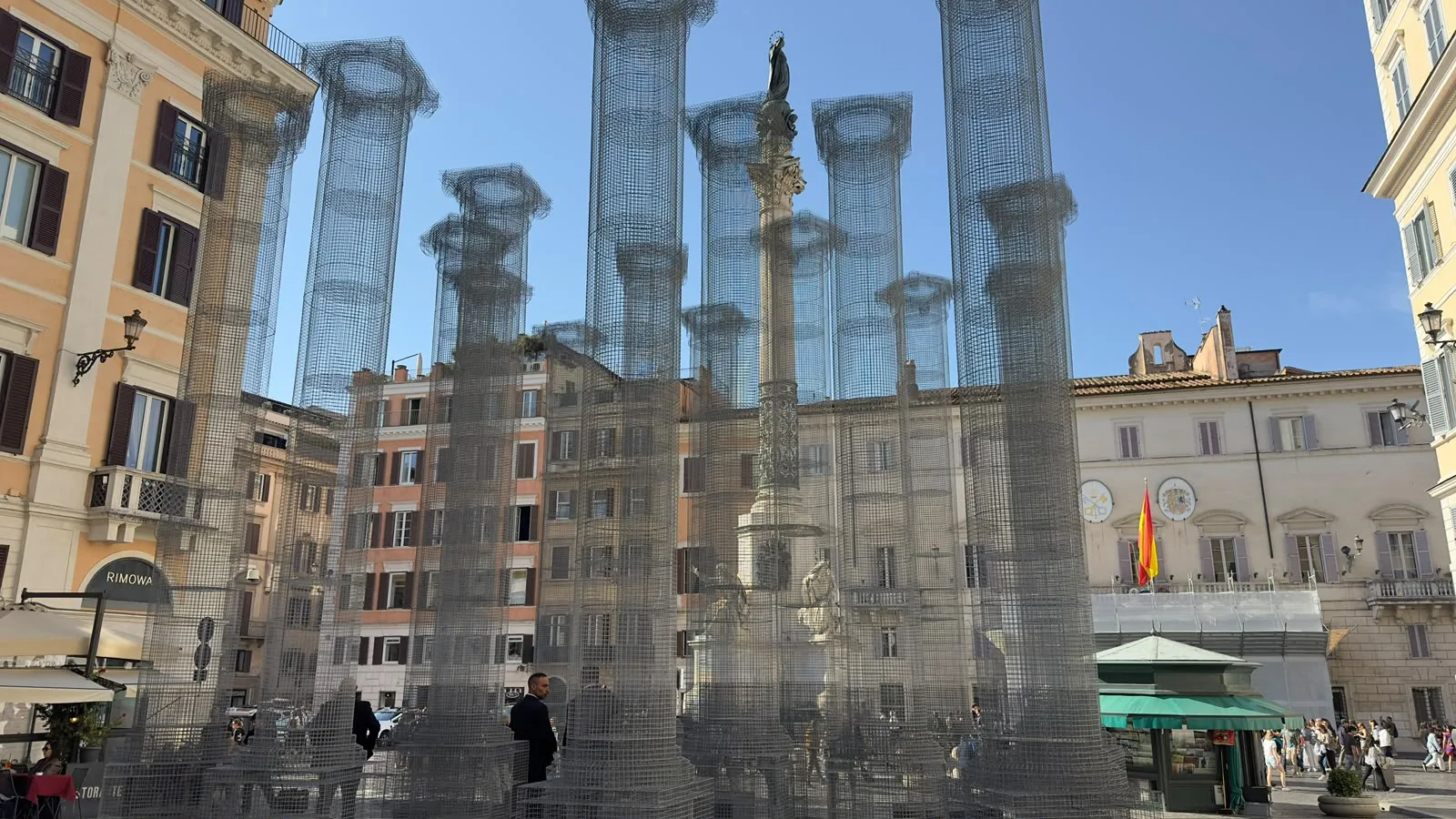
Near the Spanish Steps, PM23, the cultural space of the Fondazione Valentino Garavani e Giancarlo Giammetti, presents AURA, which pairs Valentino Garavani with the Polish painter Ewa Juszkiewicz, on view until February 21. Just outside, in Piazza Mignanelli, stands Selva, a work by Edoardo Tresoldi, the artist known for his wire-mesh architectures.
What better way to feel the heartbeat of Rome than catching some live music? Alongside the Roma Jazz Festival, November is packed with concerts for every taste.
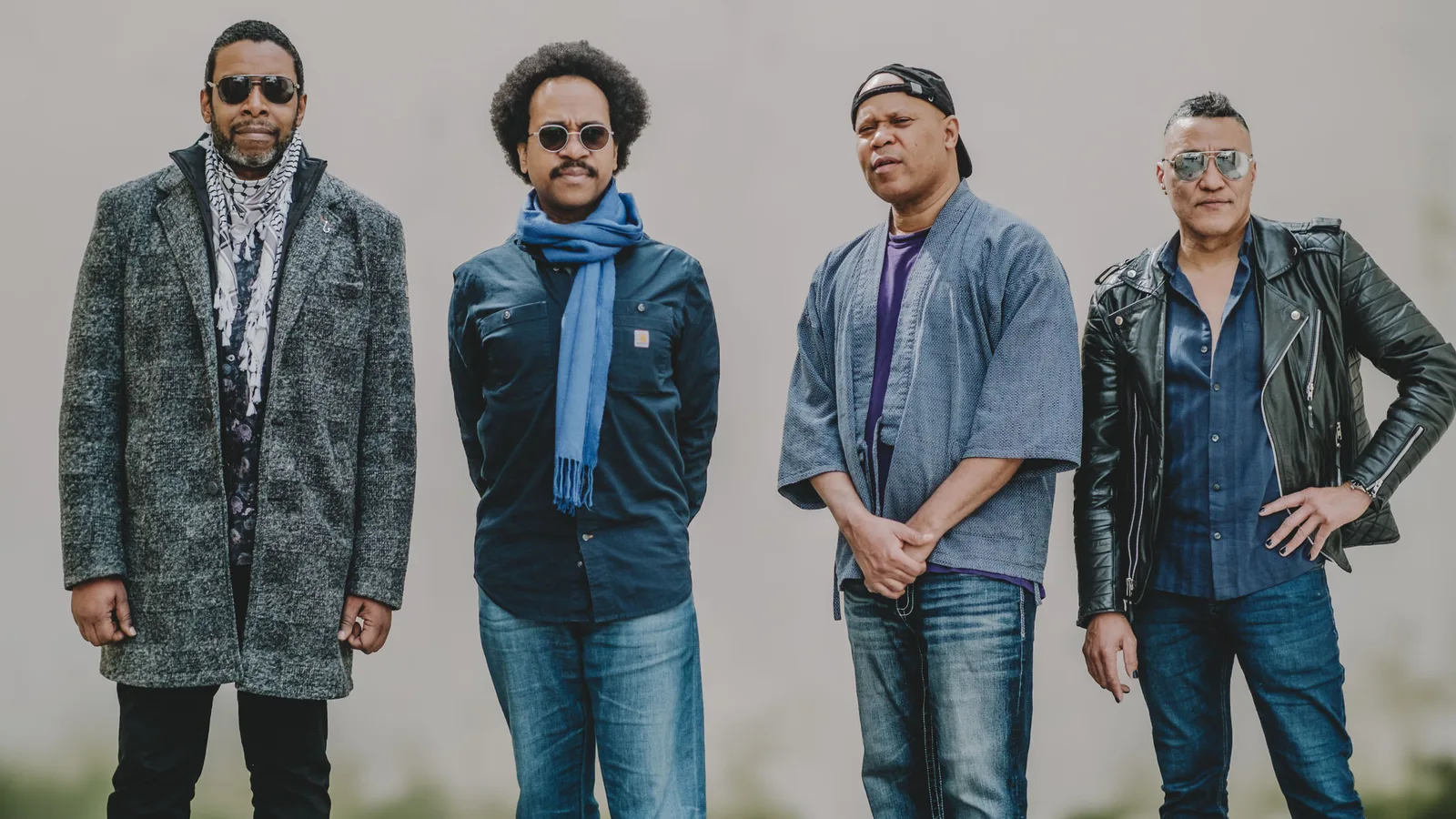
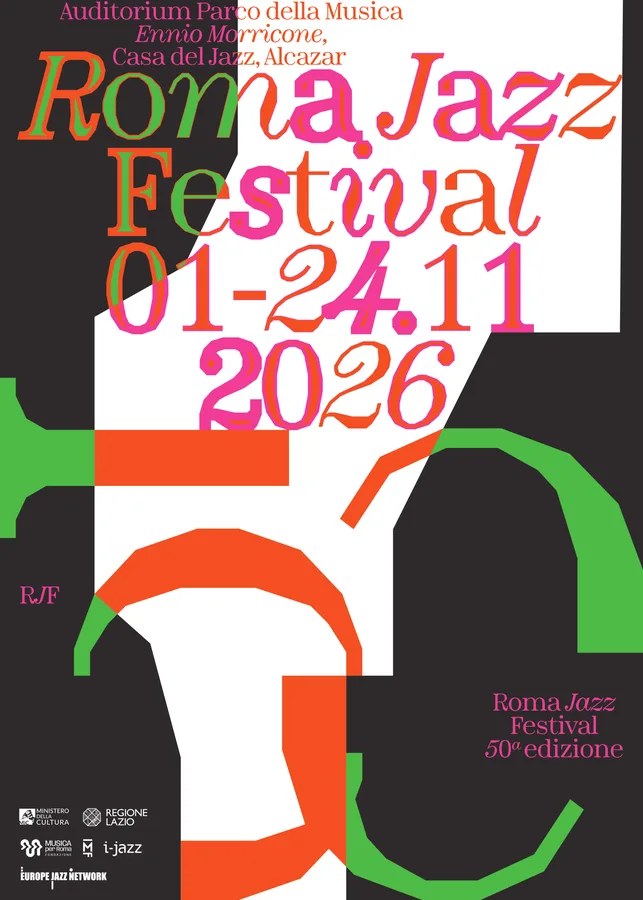
Rome’s historic jazz festival reaches its 50th edition with a programme dedicated to the centenary of Miles Davis. Paolo Fresu opens on November 1 with Kind of Lives, followed by Kurt Elling with the Yellowjackets, Steve Coleman and Five Elements, Gonzalo Rubalcaba with Hamilton de Holanda, Erik Truffaz and Gregory Hutchinson. Italian names include Enzo Favata, Rosa Brunello and Chiara Civello with Clap! Clap!. Two concerts outside Rome celebrate John Coltrane’s centenary. The festival closes on November 24 with Jason Miles and 100 Miles for Miles Davis.
From 3 November to 13 December, Rome turns its gaze north with the fifth edition of Novembre Nordico, a festival promoted by the embassies and cultural institutes of Denmark, Finland, Iceland, Norway and Sweden. More than 30 events, many of them free, spread across the city. The program opens at the Danish Academy with a series of exhibitions celebrating its 70th anniversary, and includes concerts dedicated to Sibelius at Villa Lante, Norwegian dance and circus at Romaeuropa Festival, and events marking 400 years since the birth of Queen Christina of Sweden. You’ll also find book presentations, online cooking classes, Nordic walks and the Swedish Christmas market on 20, 21 and 28 November.
Danish Academy, Villa Lante, Swedish Institute, Circolo Scandinavo, Teatro Vascello, Mattatoio and other venues discover moreNovembre Nordico
November 5 – 15 | MedFilm Festival
The MedFilm Festival brings Mediterranean cinema to the heart of Rome. Now in its 32nd edition, running from November 5 to 15, 2026, MedFilm is the city’s longest-running film festival and showcases films from the Mediterranean, the Middle East and North Africa. The programme includes premieres, international feature and short film competitions, retrospectives, masterclasses and panel discussions. This year it opens with the Italian premiere of Only Rebels Win by Danielle Arbid, and Palestinian director Rashid Masharawi receives the Lifetime Achievement Award. Screenings and events take place at The Space Cinema Moderno, the festival’s main venue, as well as Teatro Palladium, Archivio Flamigni and Casa del Cinema.
The Space Cinema Moderno, Teatro Palladium, Archivio Flamigni, Casa del Cinema discover moremedfilmfestival.org
Until November 15 | Romaeuropa Festival
November brings the closing weeks of Romaeuropa Festival, which runs until November 15. The 41st edition is one of the richest ever, with 100 shows, 240 performances and around 1,000 artists from all over the world. There’s still time to catch the final part of the autumn programme, with music, theatre, dance, digital arts and work created for younger audiences, staged at venues across the city.
Roma Arte in Nuvola, Rome’s international fair of modern and contemporary art, returns to Fuksas’s Nuvola in EUR for its sixth edition from November 20 to 22, 2026. Around 140 Italian and international galleries take part, with works ranging from painting and sculpture to photography and contemporary practices, plus the new Approdo Roma section.
Germany is this year’s guest country and presents the group exhibition Viaggio in Italia. Nostalgia dell’Italia, with works by artists including Candida Höfer and Thomas Struth. The programme also includes exhibitions dedicated to Giorgio de Chirico, Corrado Cagli and Hidetoshi Nagasawa, talks, performances and a satellite exhibition at the Casa Museo Mario Praz.
November 21 – 25 | International Festival of Sacred Music and Art
The International Festival of Sacred Music and Art returns to Rome and the Vatican for its 25th edition, from November 21 to 25, 2026. This year’s festival is dedicated to world peace and marks two anniversaries: 400 years since the dedication of St. Peter’s Basilica and 800 years since the death of St. Francis of Assisi.
It opens with a Mass in St. Peter’s Basilica on November 21, followed that evening by the Vienna Philharmonic, conducted by Riccardo Muti, performing Mozart’s Coronation Mass at the Papal Basilica of Saint Paul Outside the Walls. The programme continues on November 22 with the choir of the Escolanía de El Escorial, again at Saint Paul Outside the Walls, followed by Monteverdi’s Vespers performed by the Oxford Philharmonic Orchestra and Choir at the Papal Basilica of Saint Mary Major on November 23, and a Mozart evening at the Church of Saint Ignatius of Loyola on November 24 to mark the 270th anniversary of the composer’s birth.
St. Peter’s Basilica, Papal Basilica of Saint Paul Outside the Walls, Papal Basilica of Saint Mary Major, Church of Saint Ignatius of Loyola discover morefondazionepromusicaeartesacra.org
November 21 | Museums in Music
On Saturday, November 21, 2026, Museums in Music returns for its 16th edition. From 8pm to 2am, Rome’s museums stay open late for concerts and dance performances, including the Capitoline Museums, Centrale Montemartini, the Ara Pacis Museum, the Trajan’s Markets, the Museo di Roma at Palazzo Braschi and the museums of Villa Torlonia. State and private museums, foreign academies, universities and other cultural spaces across the city also take part.
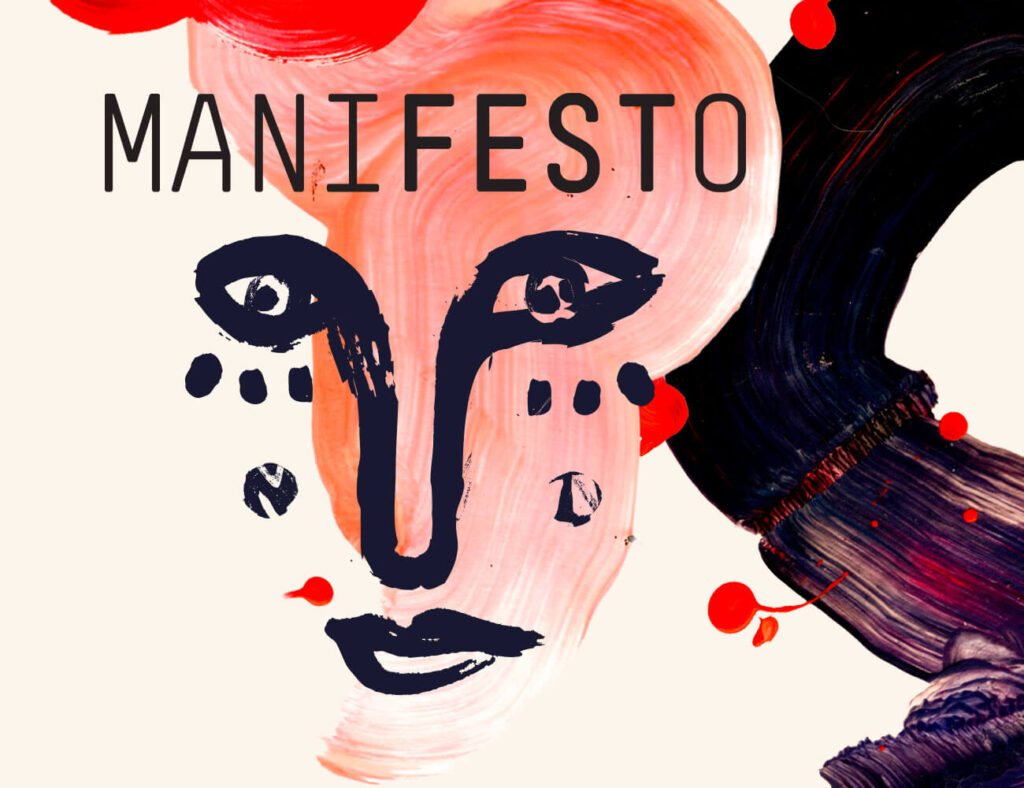
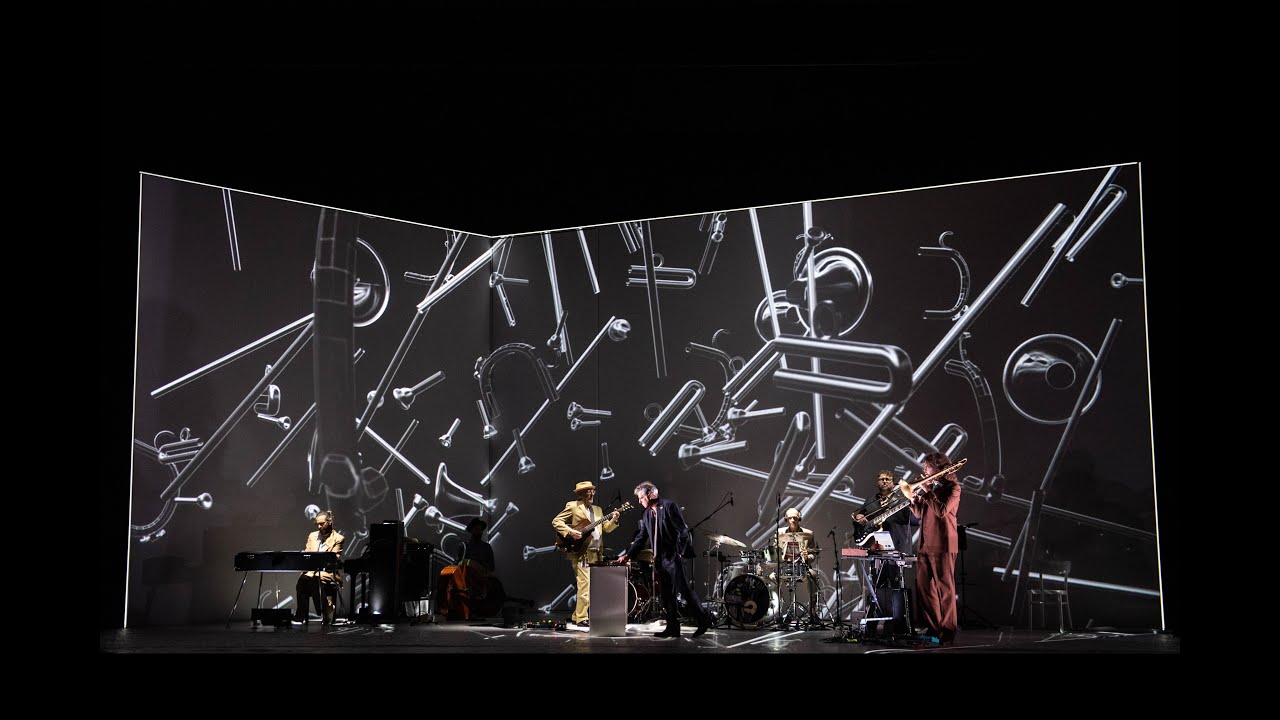
Manifesto Fest celebrates its tenth anniversary with four nights of electronic music, sound experimentation and visual arts, spread across three venues in Rome. The line-up mixes established names and new voices, including Kode9, Quantic, Mad Professor, Alessandro Cortini, Populous, Carmen Villain and Maria Arnal. It opens on November 25 at the Nuovo Teatro Orione, moves to the Chiesa Valdese on Via IV Novembre on November 27, and closes with two nights at Monk on November 28 and 29.
Nuovo Teatro Orione, Chiesa Valdese, Monk discover more Manifesto Fest
November 26 | Thanksgiving
Plenty of restaurants and venues in the Eternal City serve a classic Thanksgiving dinner, so you can celebrate with your loved ones without missing out on a thing.
November 27 – December 4 | RIFF Awards, Rome Independent Film Festival
From November 27 to December 4, Rome becomes the capital of independent cinema with the 25th edition of the RIFF, the Rome Independent Film Festival. For a quarter of a century, the festival has brought new international cinema to the city, with Italian premieres of feature films, documentaries, shorts, animation and experimental work, plus a pitch session for screenplays. This year the programme also hosts the second chapter of the Climate Future Film Festival.
Nuovo Cinema Aquila, Cinema Palazzo San Lorenzo discover moreriff.it
From November 27 | New Season at Rome’s Teatro dell’Opera
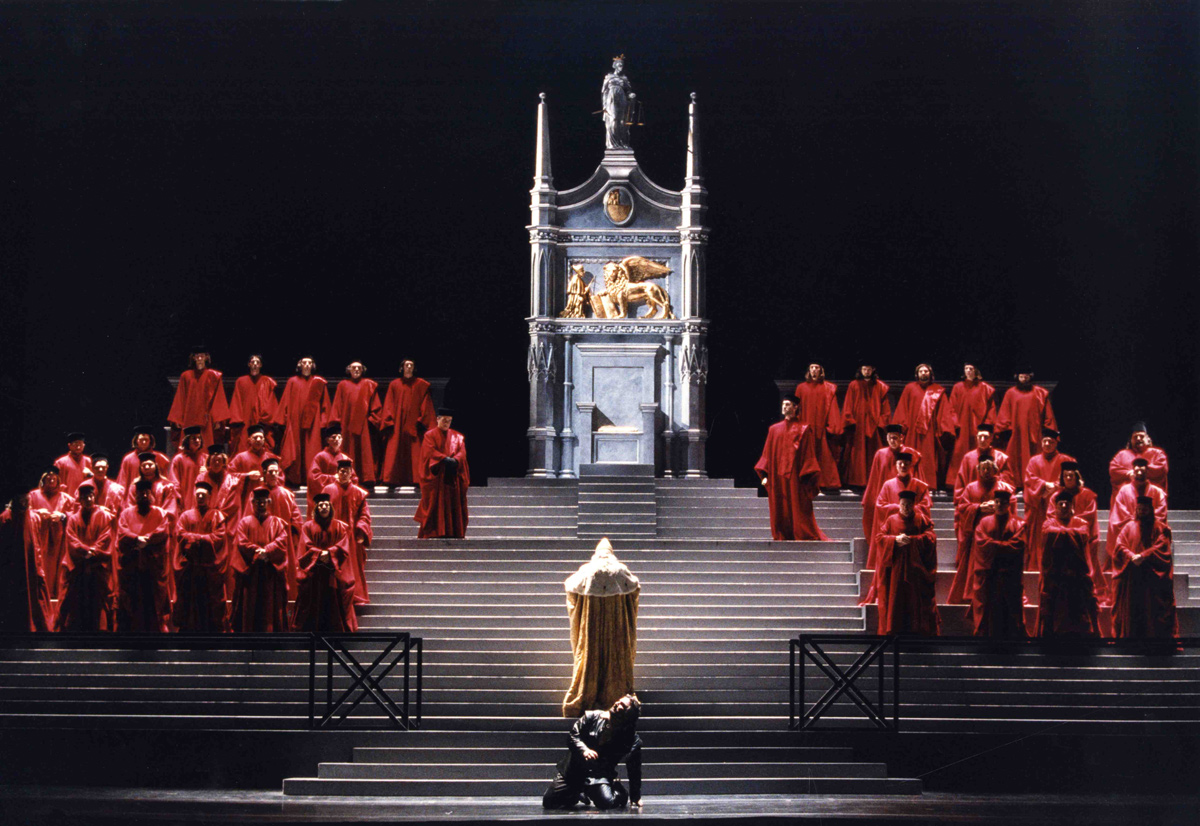
The new season at the Teatro dell’Opera di Roma opens on November 27 with Stravinsky’s The Rake’s Progress, returning to the Costanzi after 58 years in a new production conducted by Music Director Michele Mariotti and directed by Rafael R. Villalobos, making his Rome Opera debut. The season brings 12 new productions across opera and dance, with nine operas, two operas in concert featuring Anna Netrebko and Cecilia Bartoli, seven ballets, three special events and two tours by the Ballet Company. Discover the full programme at operaroma.it.
Explore Rome’s markets in all their variety: vintage finds and collectibles, artisan craft, independent fashion and design, Japanese culture and retro gaming, with something for every taste as the holiday season approaches.
Ficus al Massimo | Garum Museo della Cucina | 14-15 November
Roba Bella Market | Sabo District, Via Mesula 12 | 14-15 November
On Saturday 21 November 2026, Rome’s civic museums stay open late for the 16th edition of Musei in Musica (Museums in Music). From 8pm to 2am, concerts, dance and live performances take over the halls of the Capitoline Museums, the Ara Pacis, Villa Torlonia and more than a dozen other venues across the city.
Last year around 34,000 people took part, making it one of the most popular cultural nights of the year in Rome.
For one night, the museums of the Sistema Musei di Roma Capitale become stages for classical music, jazz, contemporary sounds, dance and theatre, with performances designed for the spaces that host them. It’s a chance to hear live music surrounded by ancient sculpture, Renaissance frescoes and modern art, and to see some of the city’s collections at an unusual hour.
The same ticket gives access to the performances, the permanent collections and the temporary exhibitions on show in each museum. Doors open at 8pm and close at 2am, with last entry at 1am. Admission costs €1 per museum.
The full programme of concerts and shows will be published in November on the Musei in Comune website. We’ll update this page as soon as it’s out.
Other venues may join the programme once it’s announced.
Musei in Musica 2026: FAQ
When is Musei in Musica 2026?
Saturday 21 November 2026, from 8pm to 2am, with last entry at 1am.
How much does it cost?
Admission is €1 per museum, and the ticket includes the performances, the permanent collections and the temporary exhibitions.
Do all the concerts take place on the same night?
Yes. All performances in every participating museum take place on the evening of 21 November, so you can move from one museum to another during the night.
Where can I find the programme?
The programme will be published in November on the Musei in Comune website. This page will be updated with the highlights as soon as it’s available.
The best Halloween parties and events in Rome in 2026
Witches, ghosts, spiders, and cobwebs; it must be Halloween time! Here Romeing shares with you some of the best creepily cool parties which are taking place on October 31 in Rome. It’s time to get freaky!
Fun fact: While Halloween may not be as rooted in Italian traditions as it is in the United States or some other countries, it’s a holiday that’s been steadily gaining popularity in recent years. Italians are slowly embracing the spooky spirit and creating a buzz around Halloween like never before.
Get ready to experience an unforgettable Halloween in Rome!
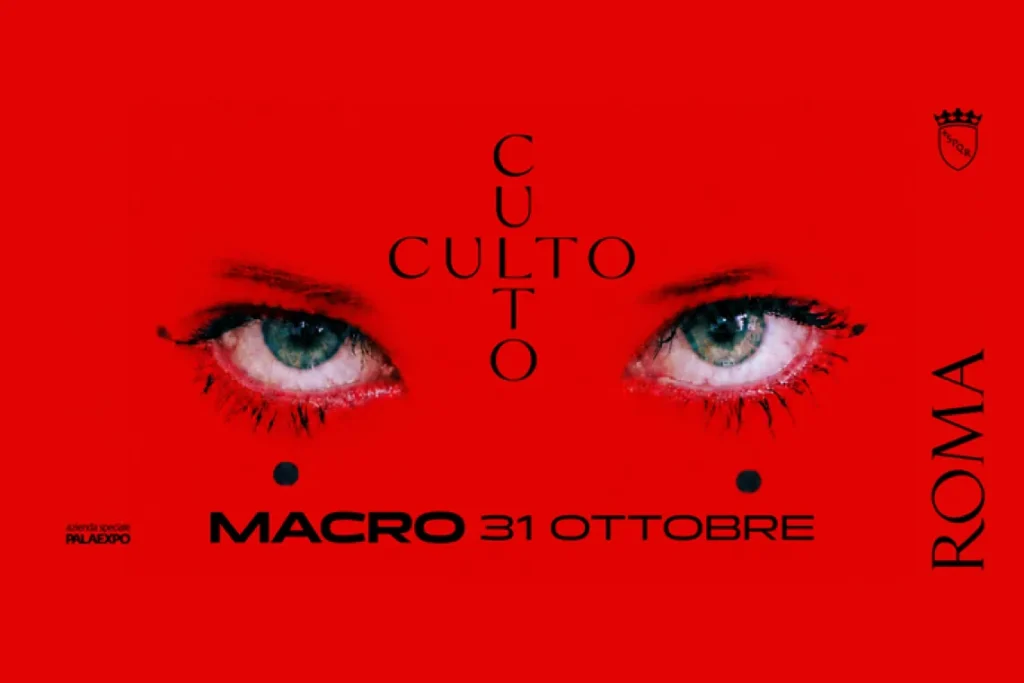
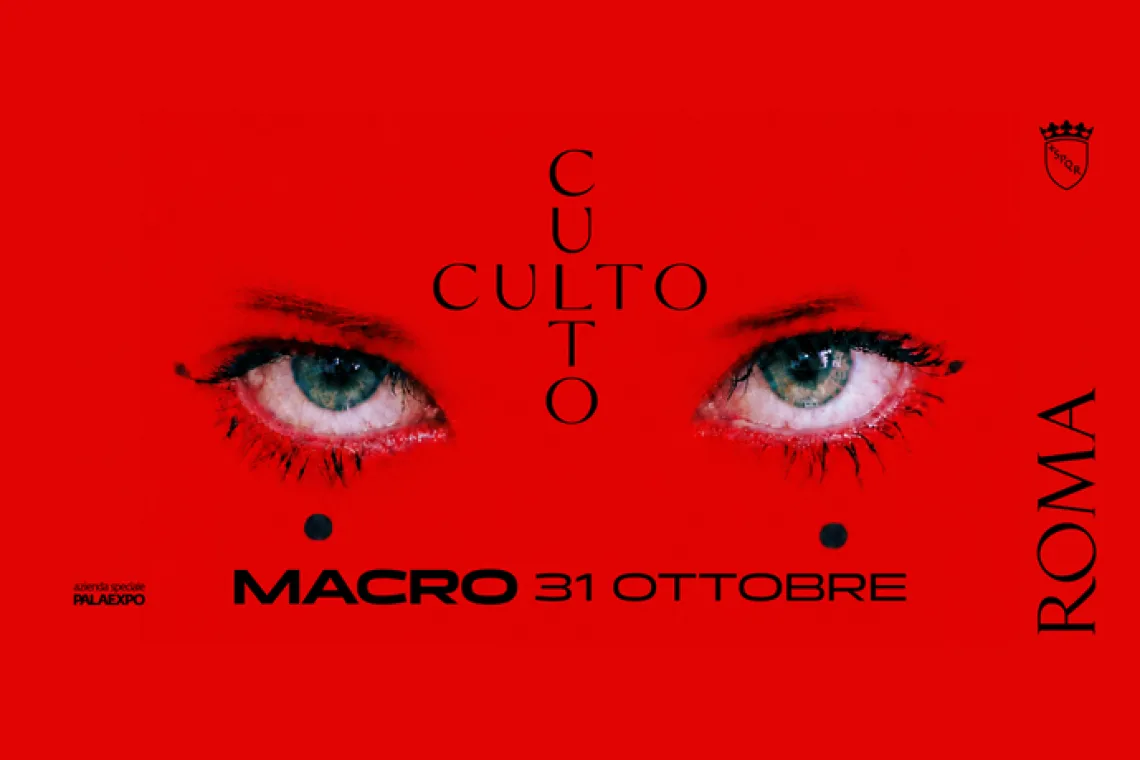
Forget the usual Halloween club night: this year, Rome is getting a darker, more artistic kind of party. On October 31, CULTO transforms MACRO into an immersive playground of electronic beats, hypnotic light installations and unexpected performances. Explore Hyperstudio’s striking visual works, catch four cult horror films playing on loop inside the Red Cube, and encounter painted bodies and living statues throughout the museum. With a total-black dress code and exclusive masks, the night invites everyone to step into a mysterious new identity. Expect art, music and a little Halloween weirdness, all under one roof.
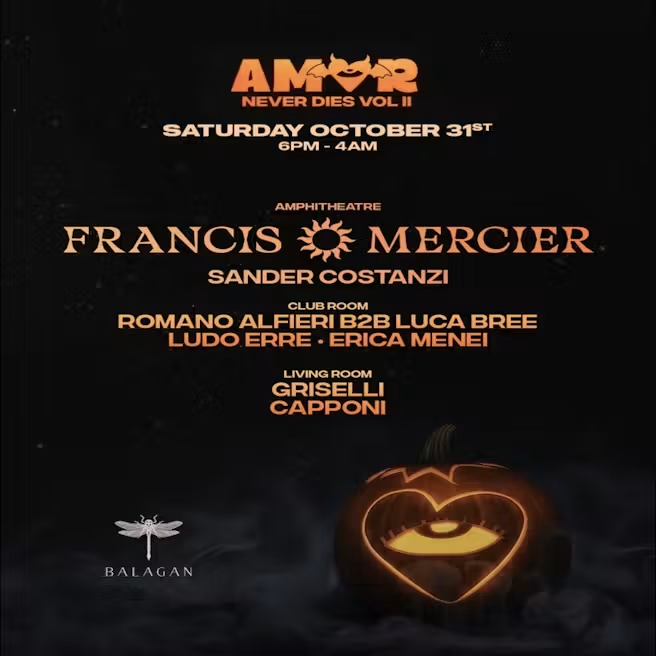
AMOR at Balagan
Balagan – Via Aldo Palazzeschi,15 From 6PM Tickets: from €16 on DICE
The club that kept people dancing all year hosts AMOR for its last open-air event of the season. The main stage belongs to Francis Mercier, one of the most talked-about DJs right now, who has played shows all over the world, followed by Sander Costanzi. In the club room, Romano Alfieri B2B Luca Bree, Ludo Erre and Erica Menei will keep the crowd moving all night, while Griselli and Capponi take over the decks in the living room. Three stages and ten hours of music.
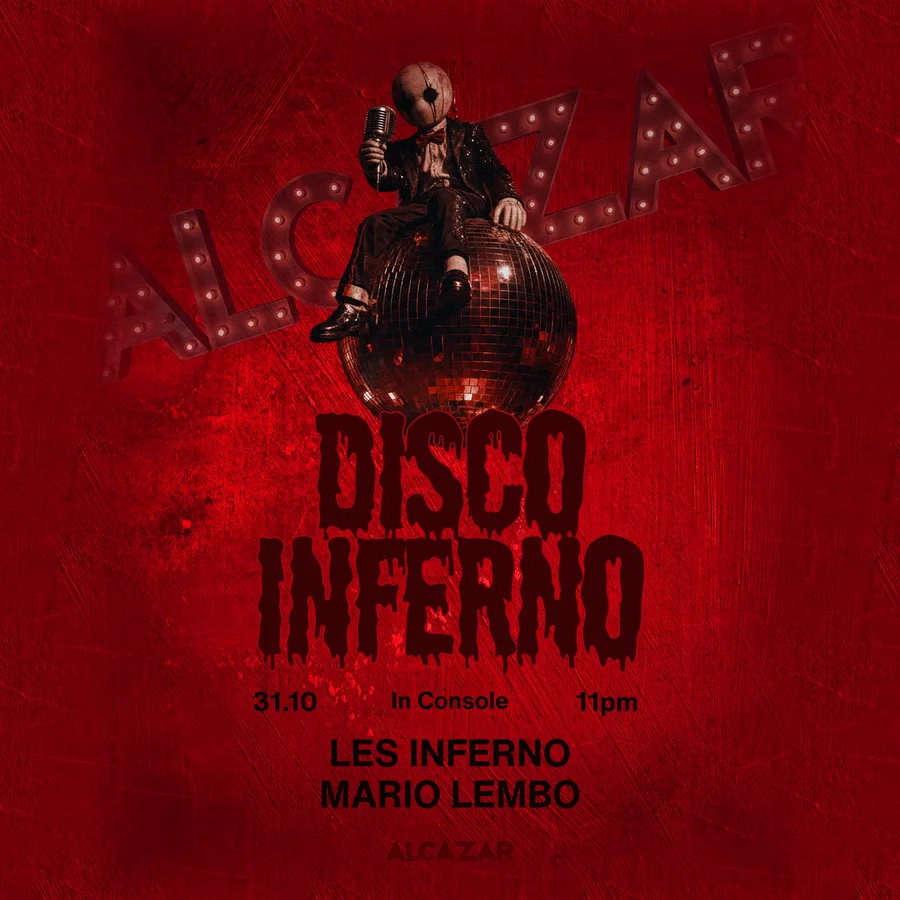
Hell’Oween at Alcazar
Alcazar –Via Cardinale Merry del Val, 14 From 11 PM Tickets: €15 available on XCEED
Get ready for a night of house music, disco and funk at Alcazar Live in the heart of Trastevere. Behind the decks: Les Inferno and Mario Lembo.
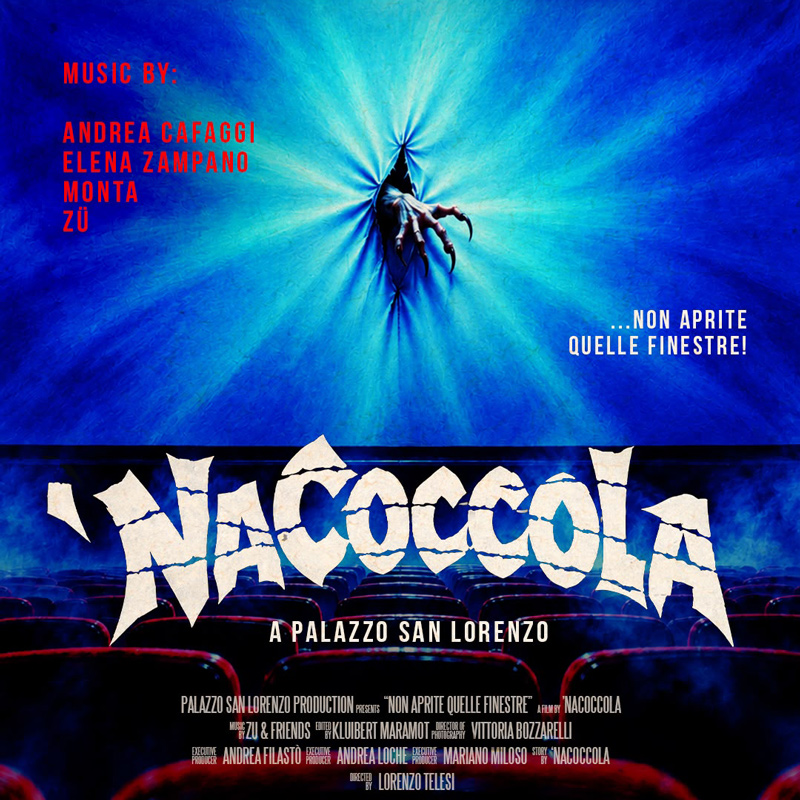
Non Aprite quelle finestre, Halloween Party at Palazzo San Lorenzo
Palazzo San Lorenzo – Piazza dei Sanniti, 9a From 10.30pm Tickets: from €10 on DICE
The name nods to a horror classic, and the night follows suit. On Saturday, October 31, 2026, ‘na Coccola brings its Halloween party to Palazzo San Lorenzo on Piazza dei Sanniti, with a theme built around horror cinema: dark atmosphere, a touch of mystery and a grim storyline running through the night. Zü and Friends take over the decks from 10:30 p.m. until late. Costumes aren’t required, but with a theme like this it’s worth dressing the part.
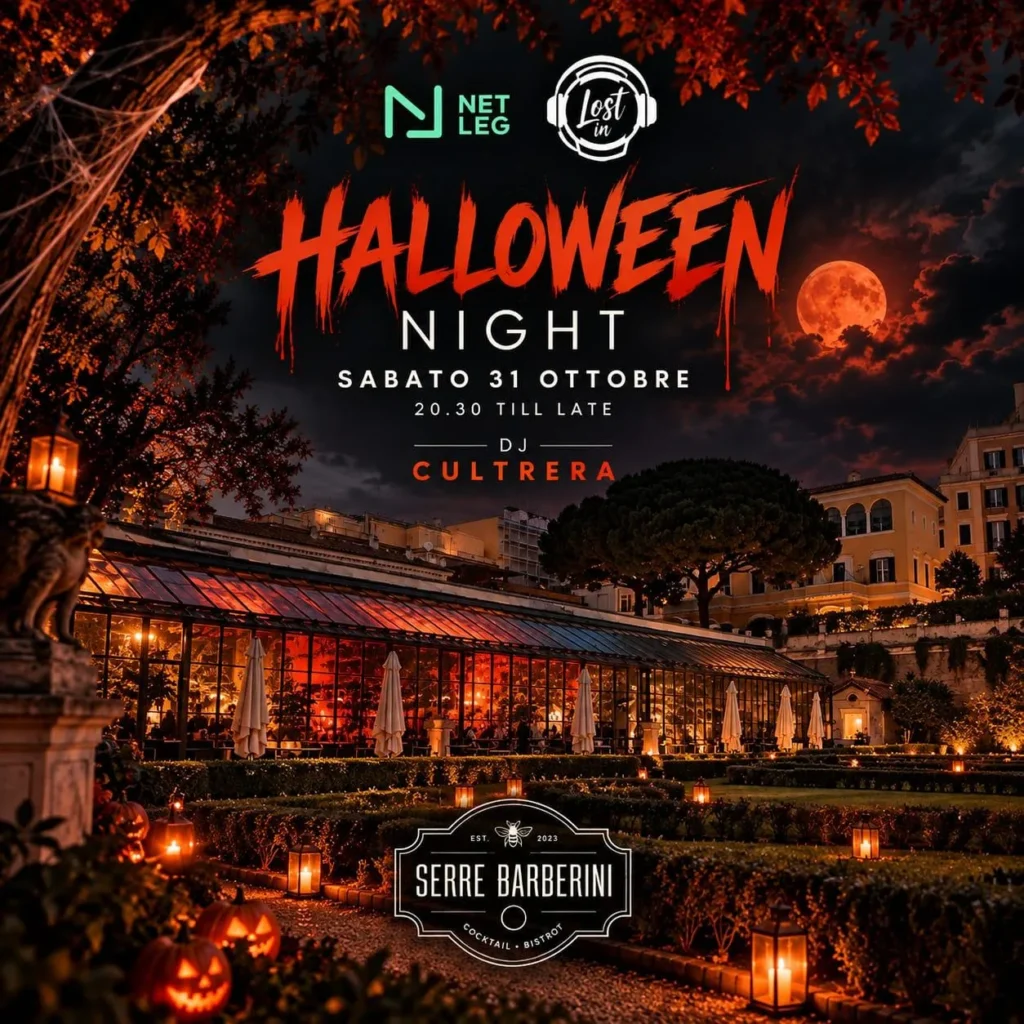
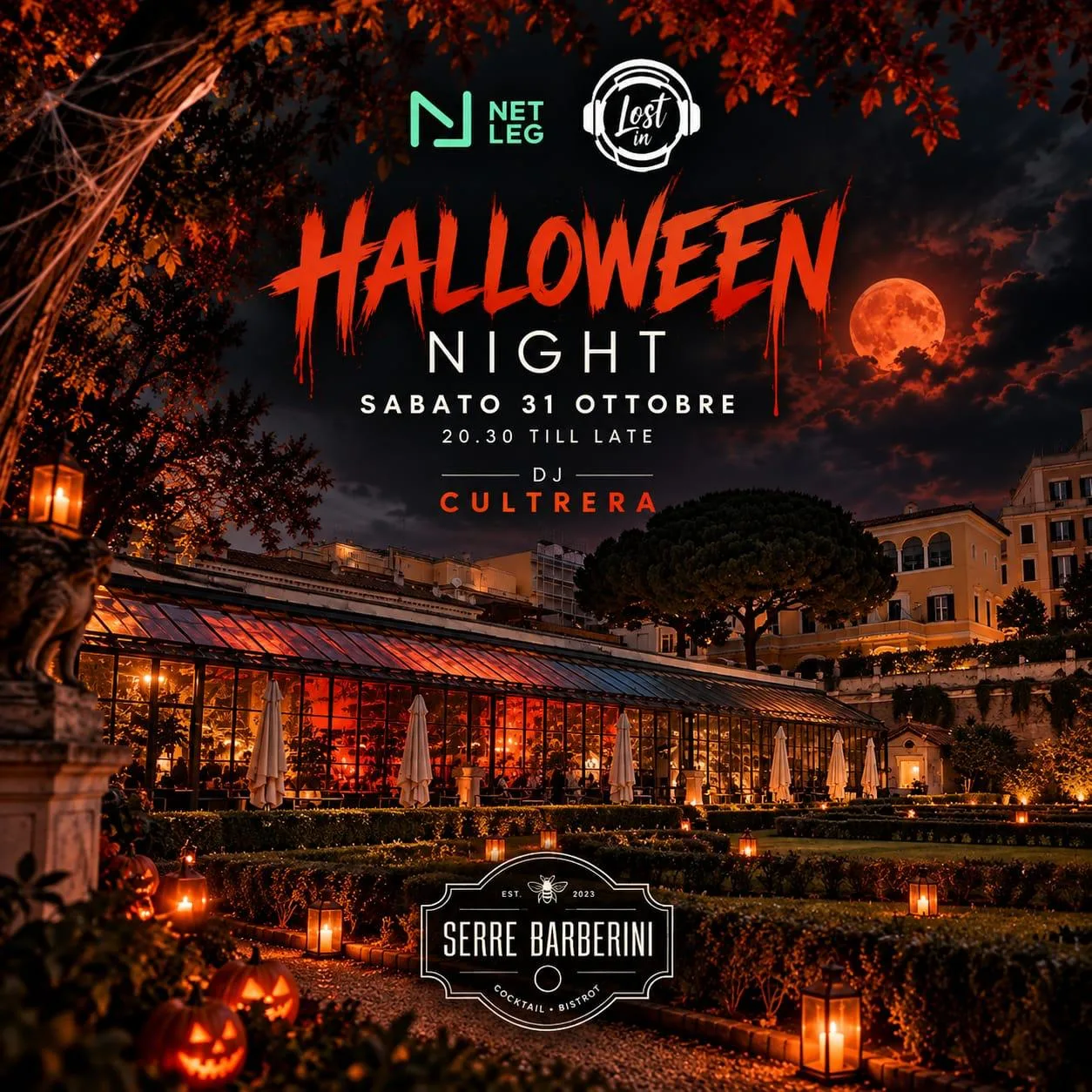
Lost in Halloween Party at Serre Barberini
Serre Barberini From 8.30pm Buffet standing dinner for €35, or after dinner entry for €20 info: bookings at +393342532673, Ig lost In events
Inside the greenhouses of Palazzo Barberini, a buffet dinner will be served with a glass of wine included. If you just want to party, come for the after-dinner, with a DJ set and drinks. Don’t forget to RSVP! Dress code: costumes are mandatory.
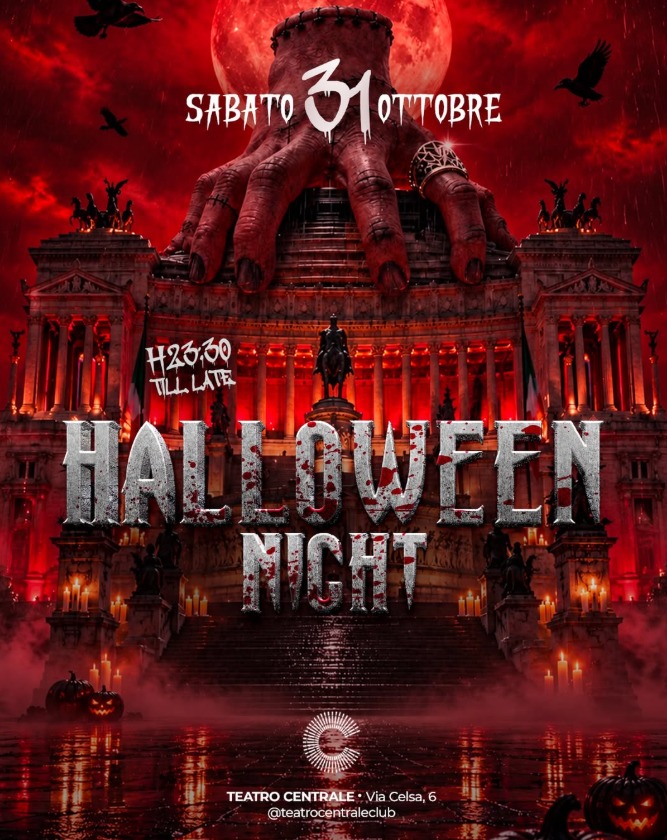
Halloween Night at Teatro Centrale
Teatro Centrale – Via Celsa, 6 From 11.30pm Info and reservations: +39 376 203 1885
A few steps from Piazza Venezia, Teatro Centrale turns its historic hall into a Halloween stage for one night. On Saturday, October 31, the club opens at 11:30 p.m. and keeps the party going until late. Costumes aren’t mandatory but are welcome, so it’s a good fit if you want to dress up without the pressure of a strict theme.
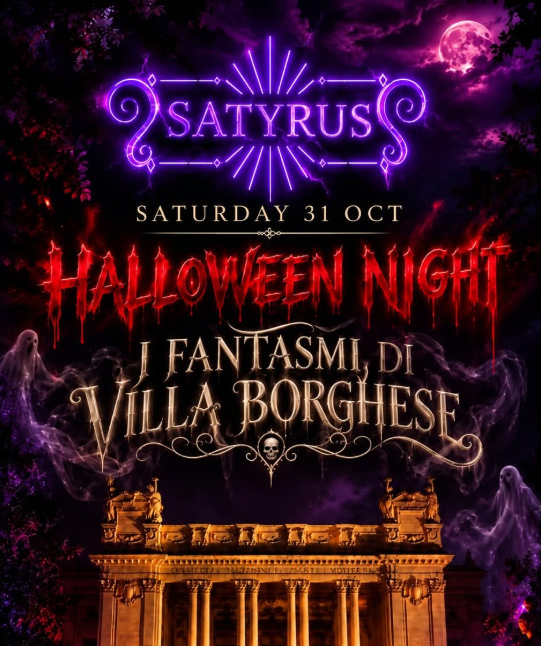
Satyrus : The ghosts of Villa Borghese
Saturys – Scalea Bruno Zevi, Villa Borghese from 11PM tickets: from €40 on fourvenues
Spend the scariest night of the year in Villa Borghese. From 11 p.m. on Saturday, Satyrus, the outdoor bar at Scalea Bruno Zevi, turns into a dark, spooky venue for one night. A Halloween party under the stars.
Disclosure
Circolo dell’Aeronautica Militare from 6:30 PM Tickets: from €10 on XCEED
From 6:30 PM until 3AM you can forget who you are and become someone else with Disclosure. 2 stages of Disco and Tech House will play for 8 hours. Alongside amazing music and beats, scary actors and decorations will make the night even more immersive and spooky. If you’re scared you won’t keep up with the rhythm, some food trucks will be there to make sure you’ll dance all night. Prepare your best outfit and get ready to dance! Dress code: Costumes are mandatory and prizes will be given to the most originals.
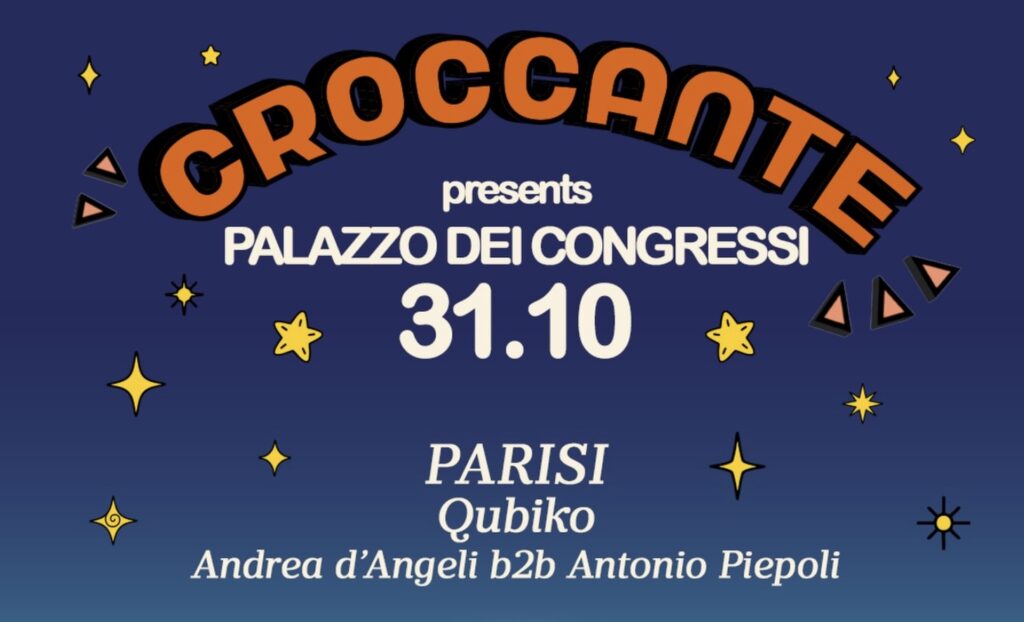
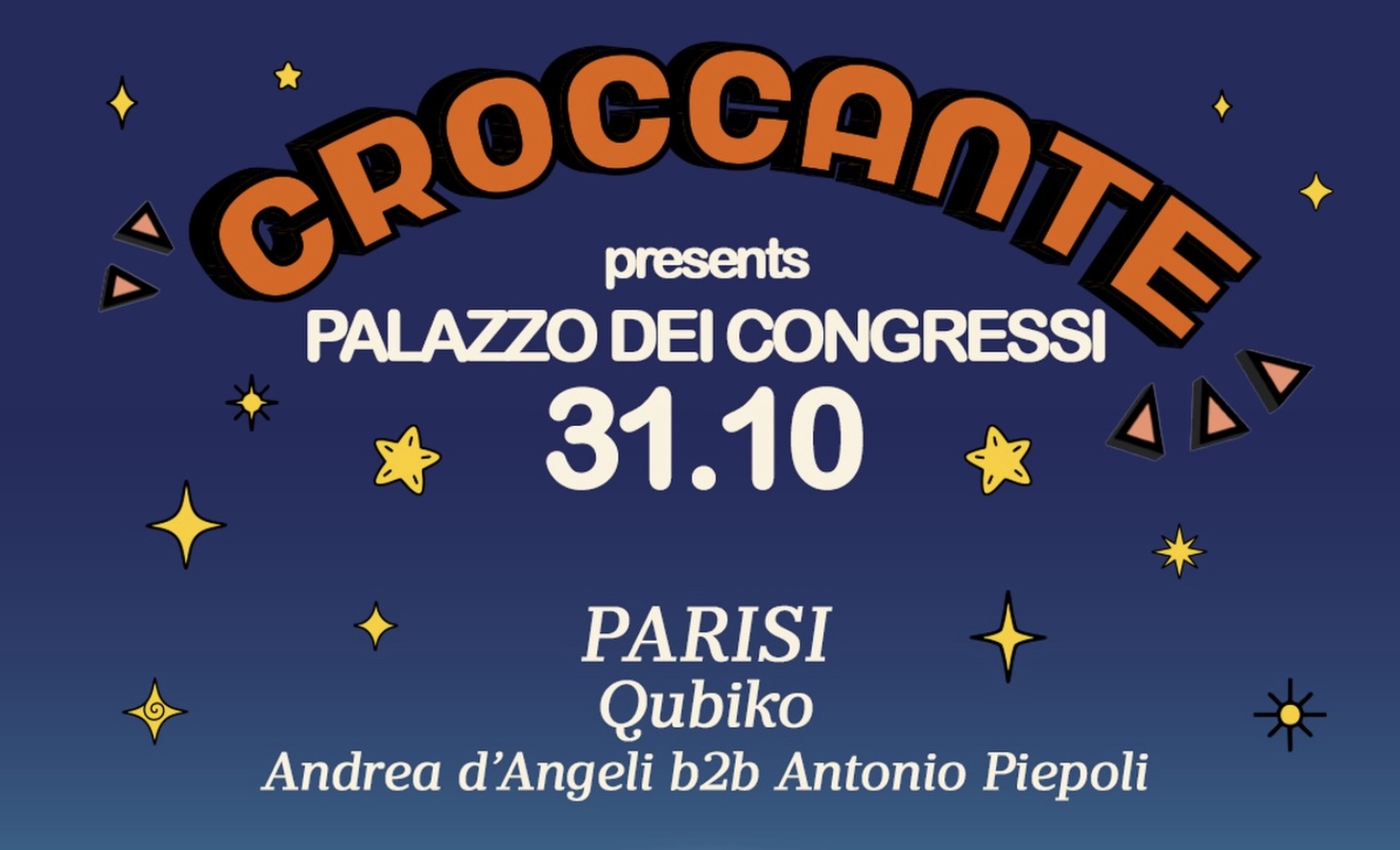
Croccante at Palazzo dei Congressi
Palazzo dei Congressi From 11PM Tickets: from €25 available here
Croccante’s last event of the year is one not to miss. With past editions drawing thousands of people, Croccante knows how to throw a party. This time, inside the imposing Palazzo dei Congressi, the theme is Ancient Rome. There’s no dress code, but dressing for the theme will be appreciated!
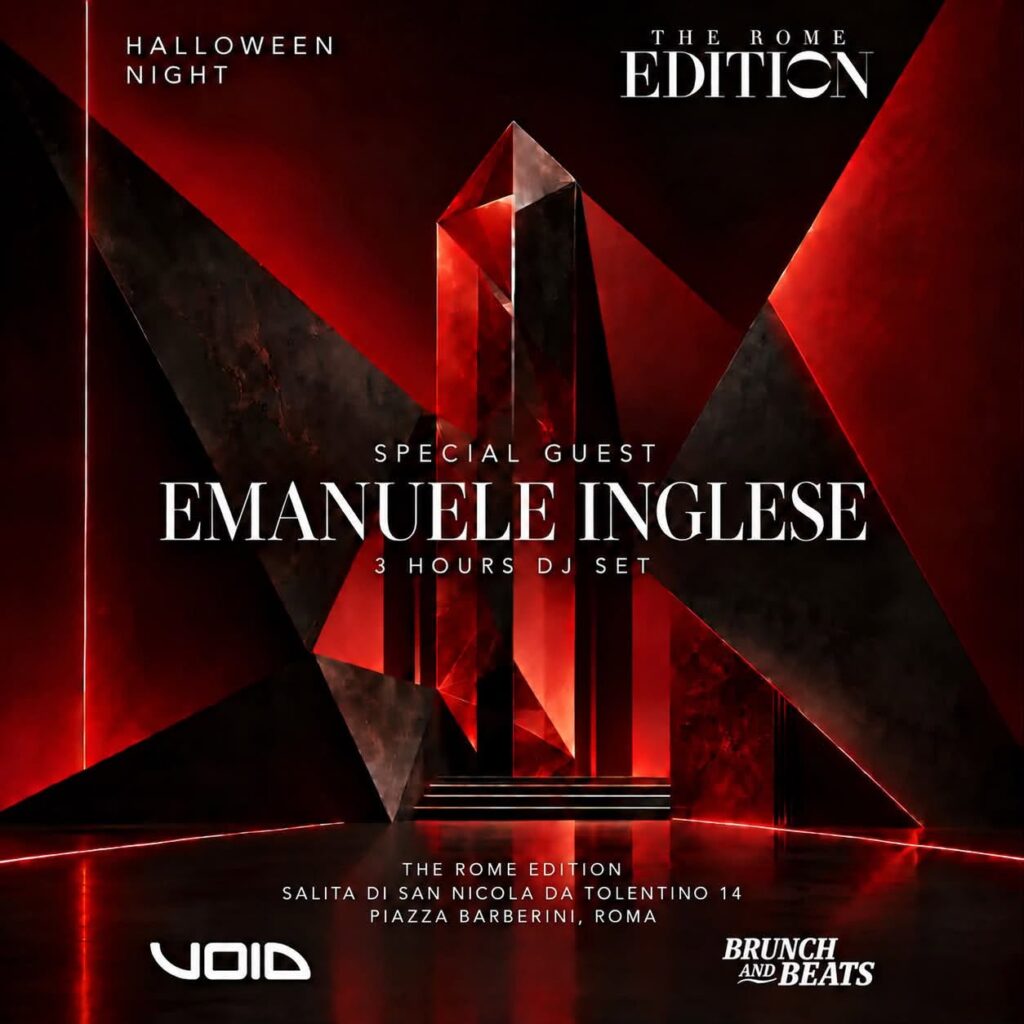
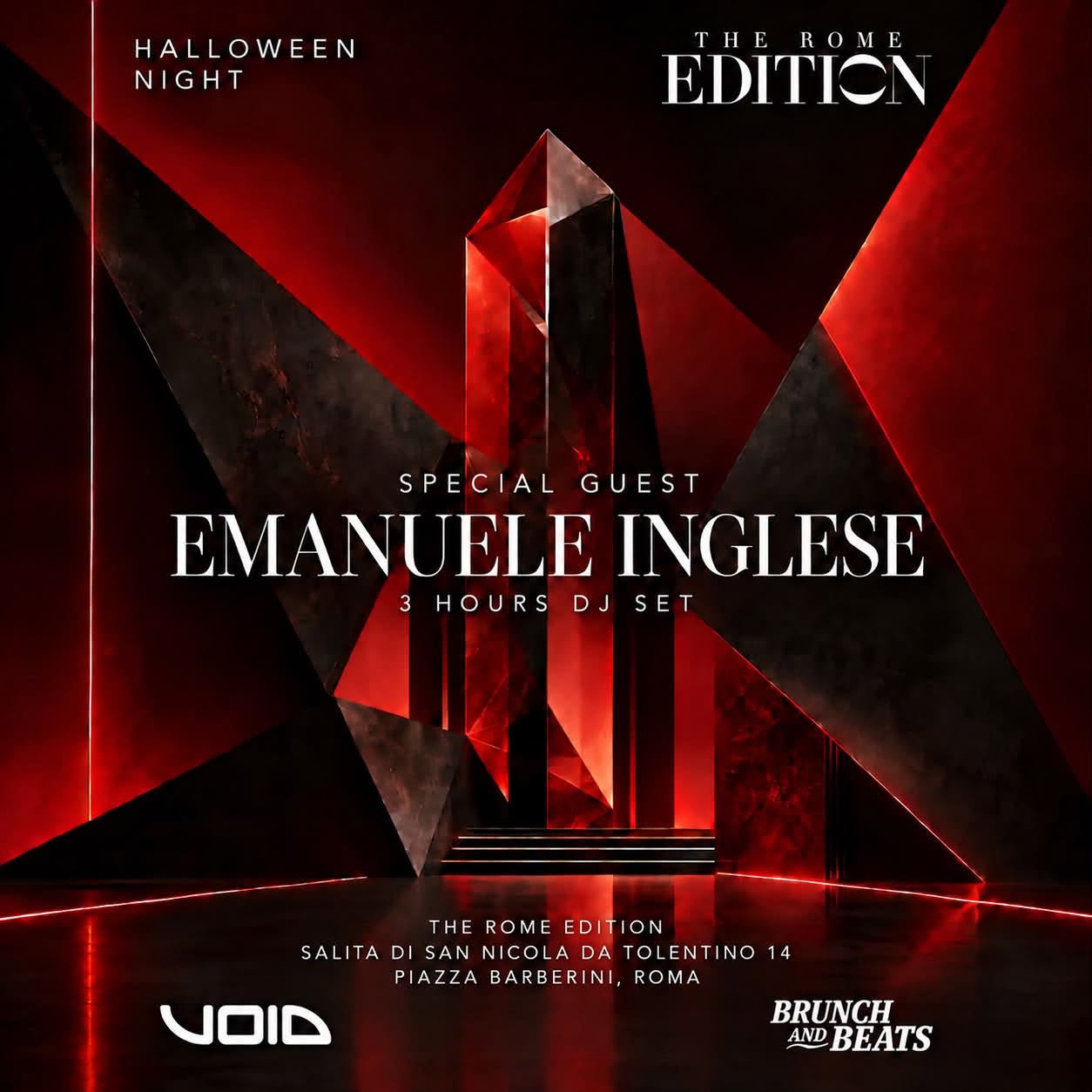
Halloween Party at The Rome Edition
The Rome Edition – Salita di San Nicola da Tolentino 14 From 11.30pm
The Rome EDITION near Piazza Barberini celebrates Halloween with a night organized by VOID and Brunch and Beats. The special guest is Emanuele Inglese, back in Rome for a three-hour DJ set, with Lea Semic on the warm-up. There are three ways to join. You can book dinner at Anima, the hotel restaurant, with a three-course tasting menu from 8:30 p.m., or go for an aperitivo in the garden and Punch Room, also from 8:30 p.m., with a welcome drink and bites. If you only want the party, the after-dinner option starts at 11 p.m. and includes a drink. All three give access to the DJ set. Entry is by reservation only and a mask is required.
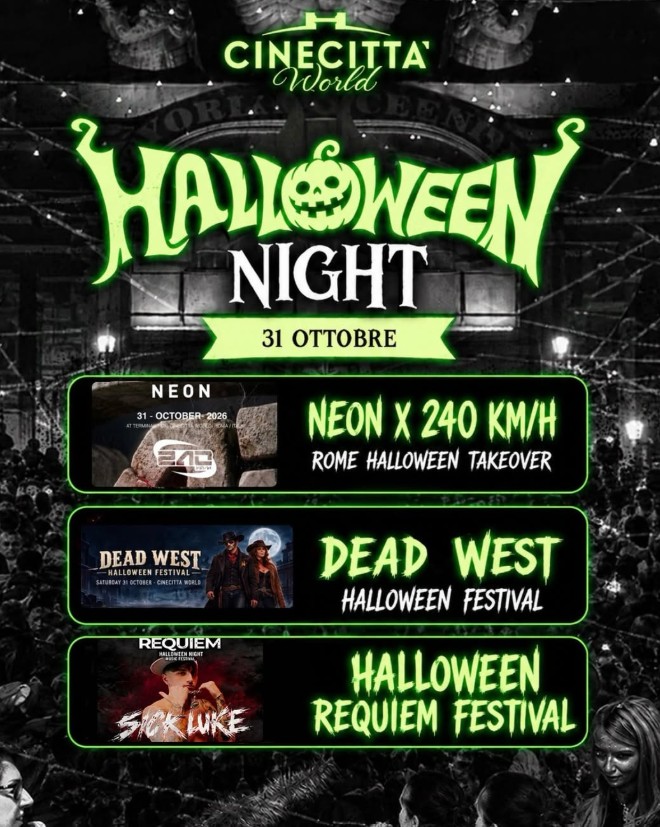
On October 31, Cinecittà World stays open all night, from 11 a.m. until 6 a.m. Attractions run until at least 11 p.m., including the horror houses and this year’s new Haunted Theatre, with evening repeats of the shows. The night also hosts three separate events: NEON x 240 KM/H Rome Halloween Takeover, Dead West Halloween Festival, where two DJ stages keep the western village dancing until 4 a.m., and Halloween Requiem Festival with special guest Sick Luke. Each event requires its own ticket, as the standard Halloween Night ticket doesn’t include access to any of them.
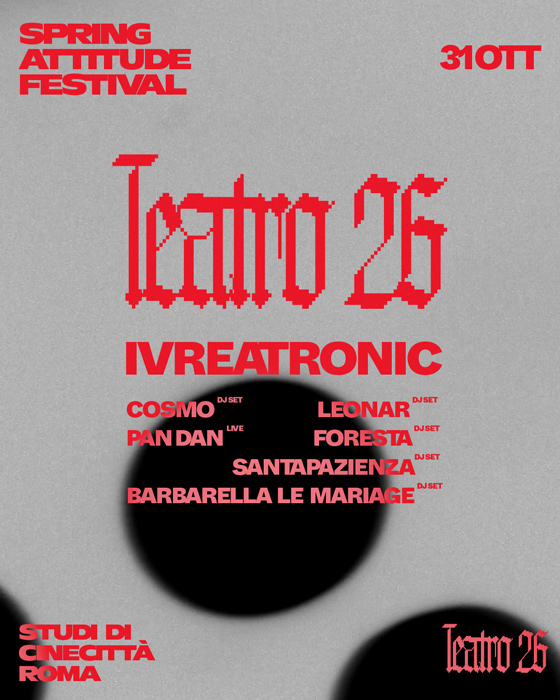
Spring attitude Festival with IVREATRONIC
Teatro 26, Cinecittà studios, Via Tuscolana 1055 From 9PM to 4AM Tickets: from €17,50 on DICE
Trade trick-or-treating for a night on the dance floor. This Halloween, Spring Attitude takes over Cinecittà’s Teatro 26 for seven hours of electronic beats, live performances and club energy. With DJ sets by Cosmo, Leonar, Foresta, Santapazienza and Barbarella Le Mariage, plus a live performance by Pan Dan, expect a night of experimental sounds and non-stop dancing in one of Rome’s most iconic cinematic settings. The perfect Halloween plan for music lovers who would rather party than stay home!
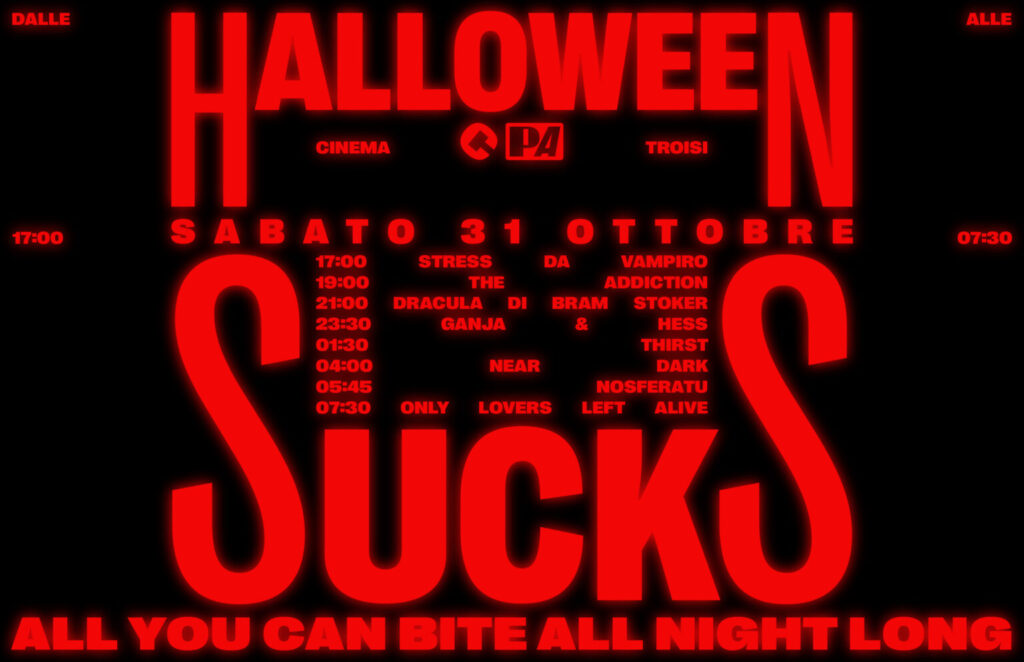
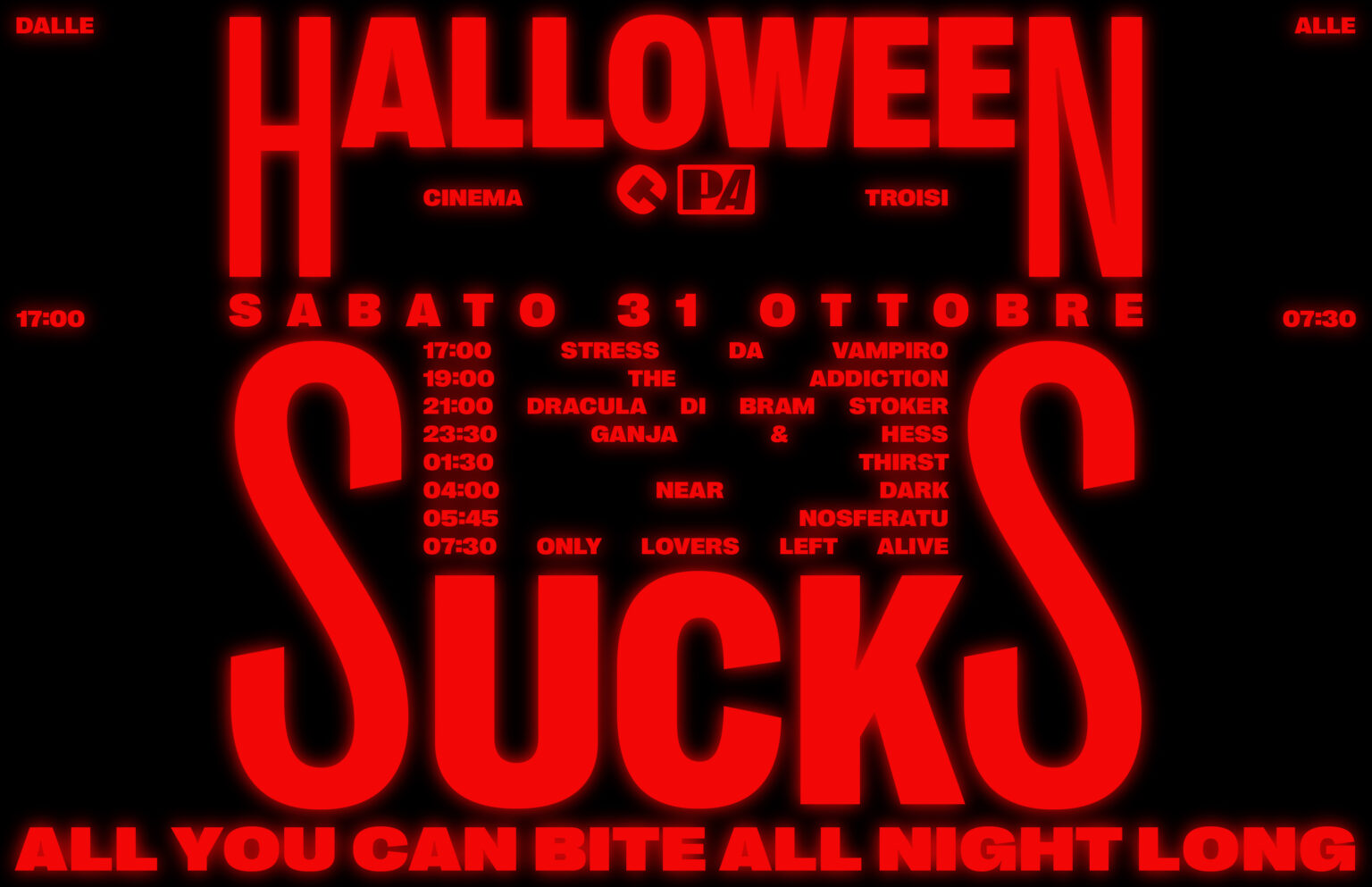
Halloween Sucks at Cinema Troisi
Cinema Troisi – Via Girolamo Induno 1 From 5PM ‘till morning Tickets from €8 on their website or onsite
Not in the mood for a party? Cinema Troisi in Trastevere is hosting “Halloween Sucks,” a vampire movie marathon that starts at 5 p.m. on October 31 and runs until dawn. Eight cult films back to back, from Abel Ferrara’s “The Addiction” to Park Chan-wook’s “Thirst” and Murnau’s “Nosferatu,” with Coppola’s “Bram Stoker’s Dracula” in its restored version at 9 p.m. as the highlight of the night. The last screening, Jim Jarmusch’s “Only Lovers Left Alive,” starts at 7:30 a.m.
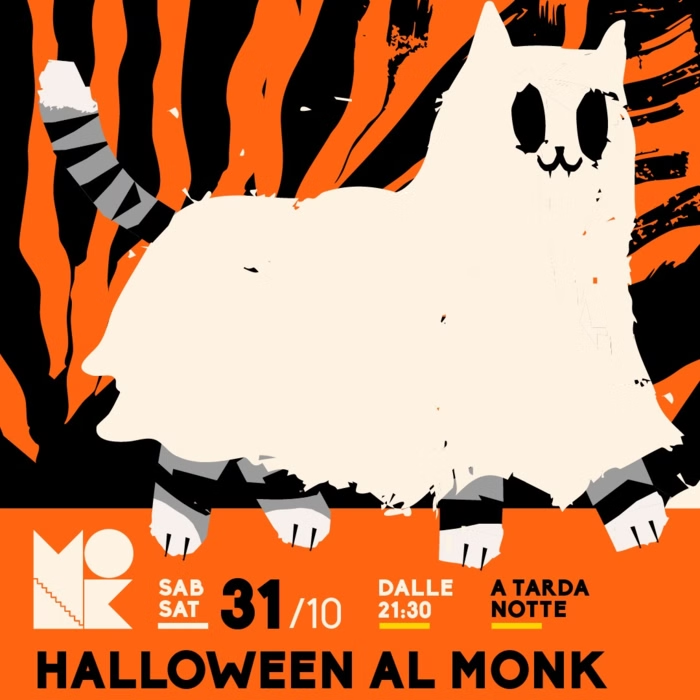
Halloween at Monk
Monk – Via Giuseppe Mirri, 35 From 9PM Tickets: €13 on XCEED
Dance all night with DJs Luzy and Corry X, plus a DJ set by Banana Boat. A fortune teller will be there to read your cards, and a makeup artist will make your look even scarier.
A rich program at the Rome Opera House: discover the magic of opera, ballet, and great music at the historic Costanzi Theatre.
Teatro dell’Opera di Roma has gained an increase in international prestige over the years, hosting performances by world-renowned artists such as Caruso, Gigli, Del Monaco, Maria Callas, Renata Tebaldi, Montserrat Caballé and Raina Kabaivanska, as well as acclaimed orchestra conductors Toscanini, De Sabata, Klemperer, Abbado and the Master Riccardo Muti since 2008. And the 2026-27 season is no exception.
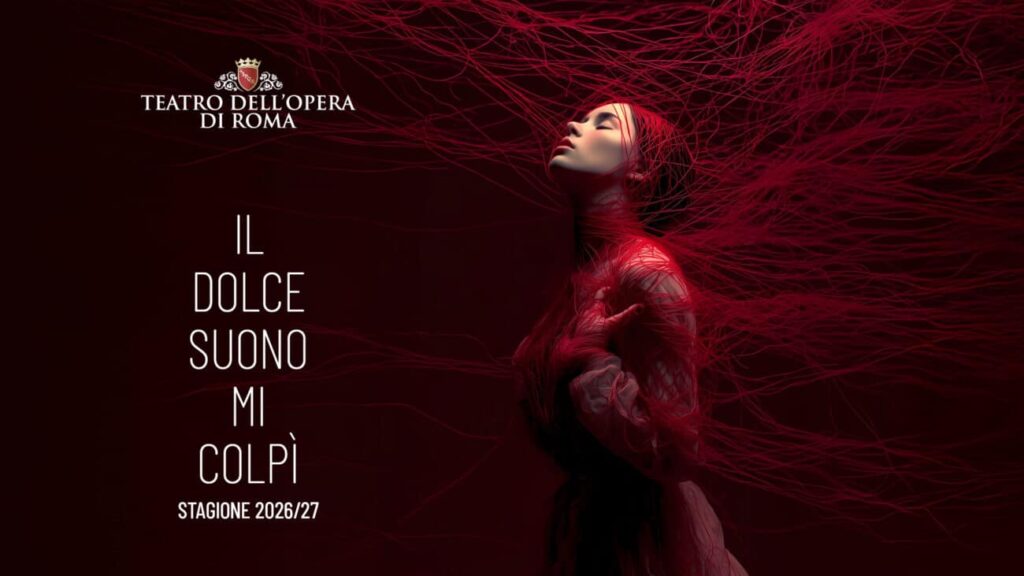
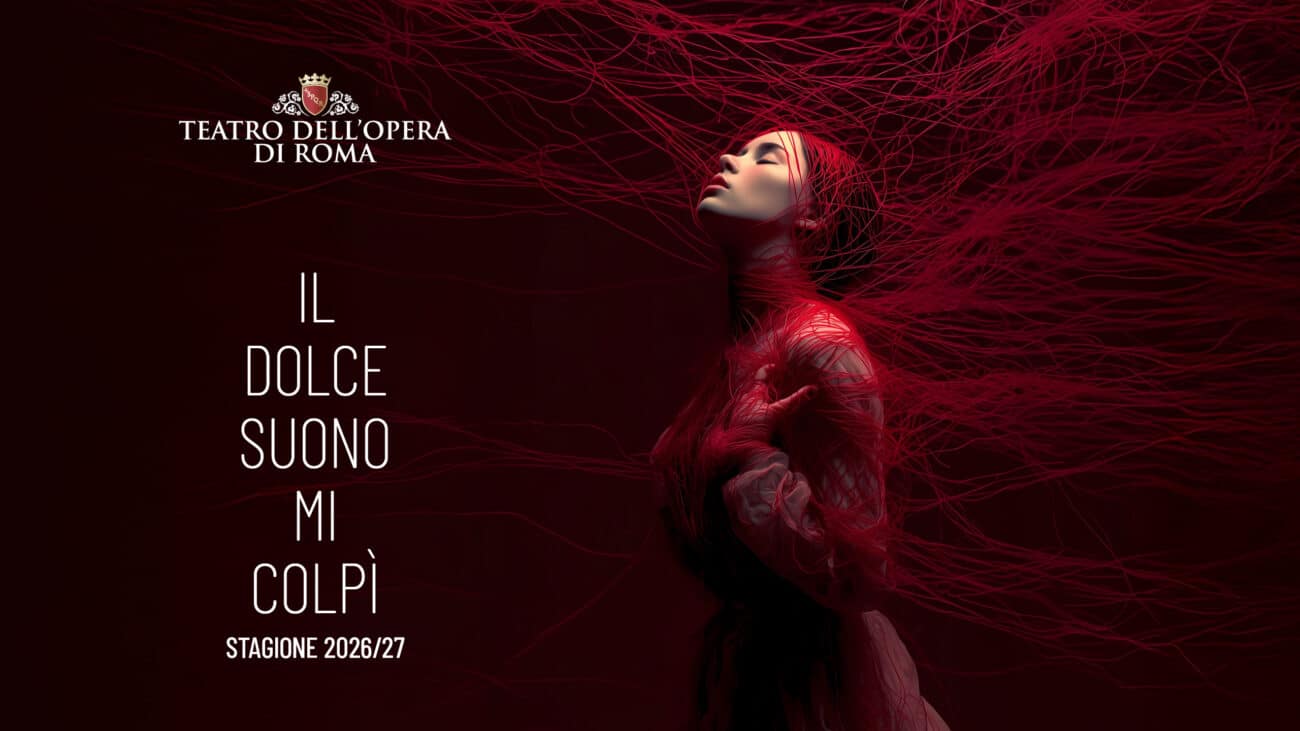
The new season takes its title from a line in Lucia di Lammermoor, “il dolce suono mi colpì” (“the sweet sound struck me”), and spans almost three centuries of music: from Gluck’s 18th century to the 20th century of Stravinsky, Shostakovich, Bartók and Bernstein, by way of Verdi, Donizetti, Puccini, Rossini and Giordano, all the way to a world premiere by Nicola Sani.
The new season at Teatro dell’Opera di Roma offers 12 new productions across opera and dance, with 9 operas, 2 operas in concert, 7 ballets (one performed by students of the Ballet School), 3 special events and 2 tours by the Ballet Company. Performances are split between the Teatro Costanzi, the Teatro Nazionale and the Teatro Valle, which reopens this year.
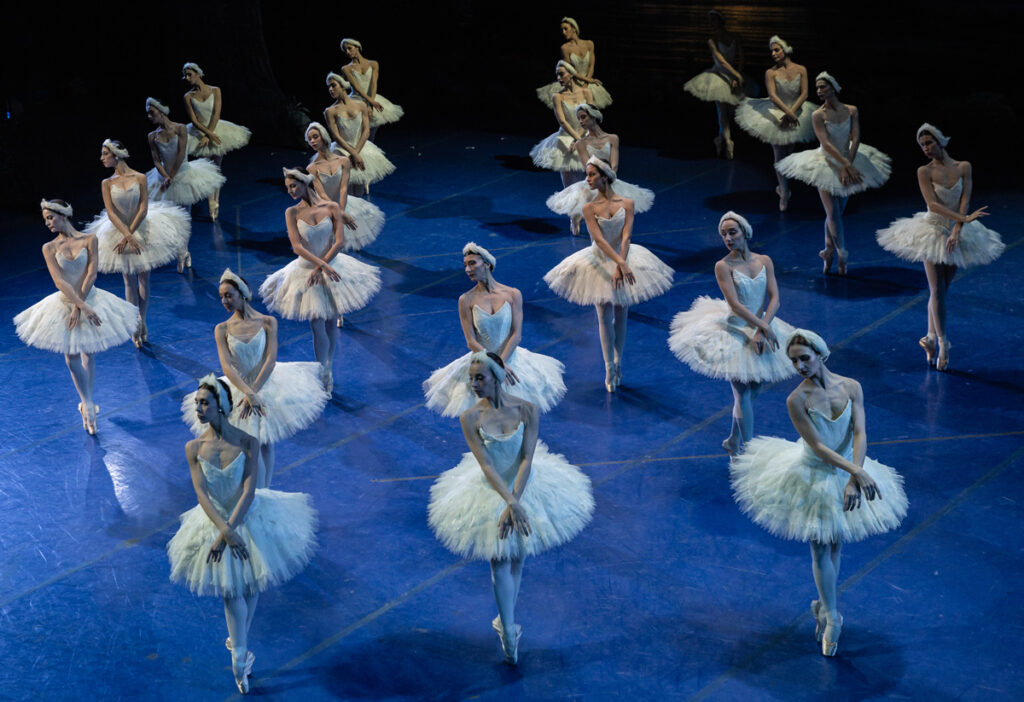
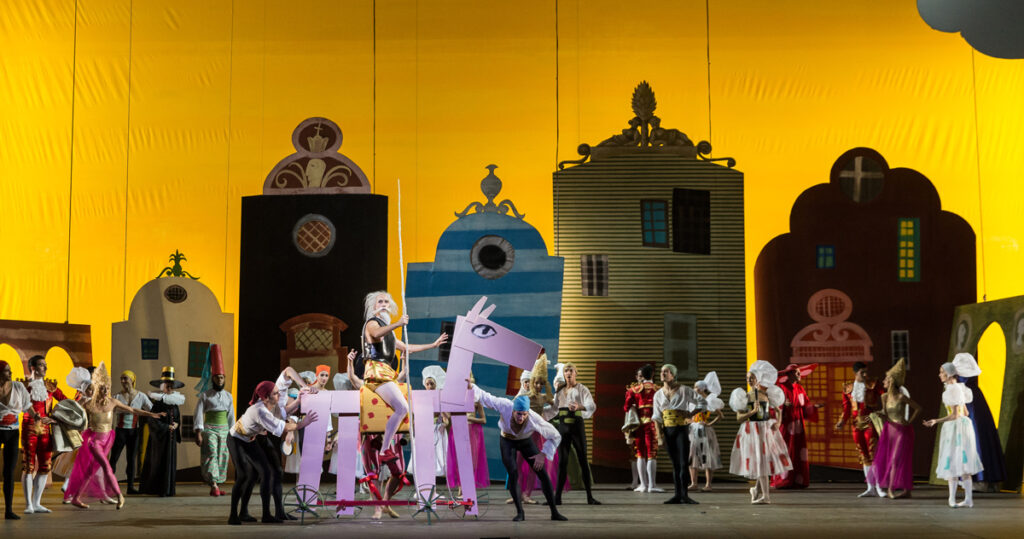
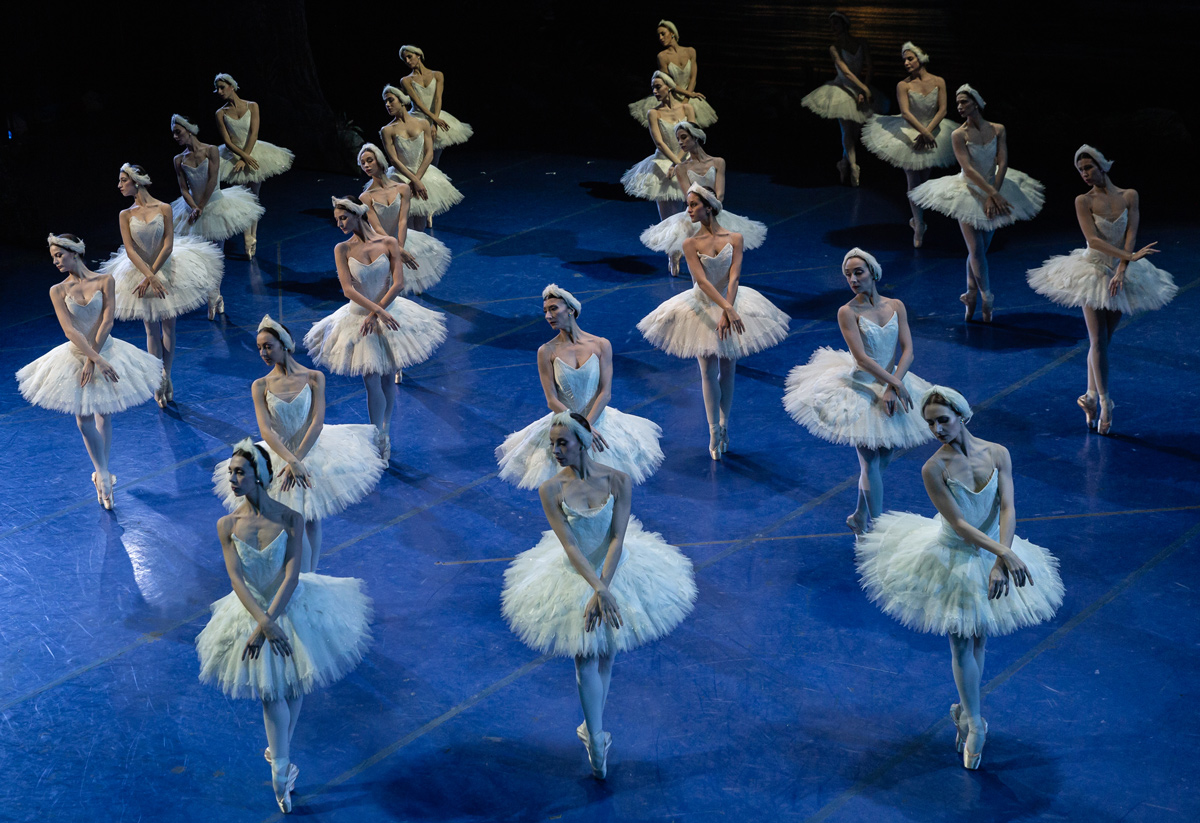
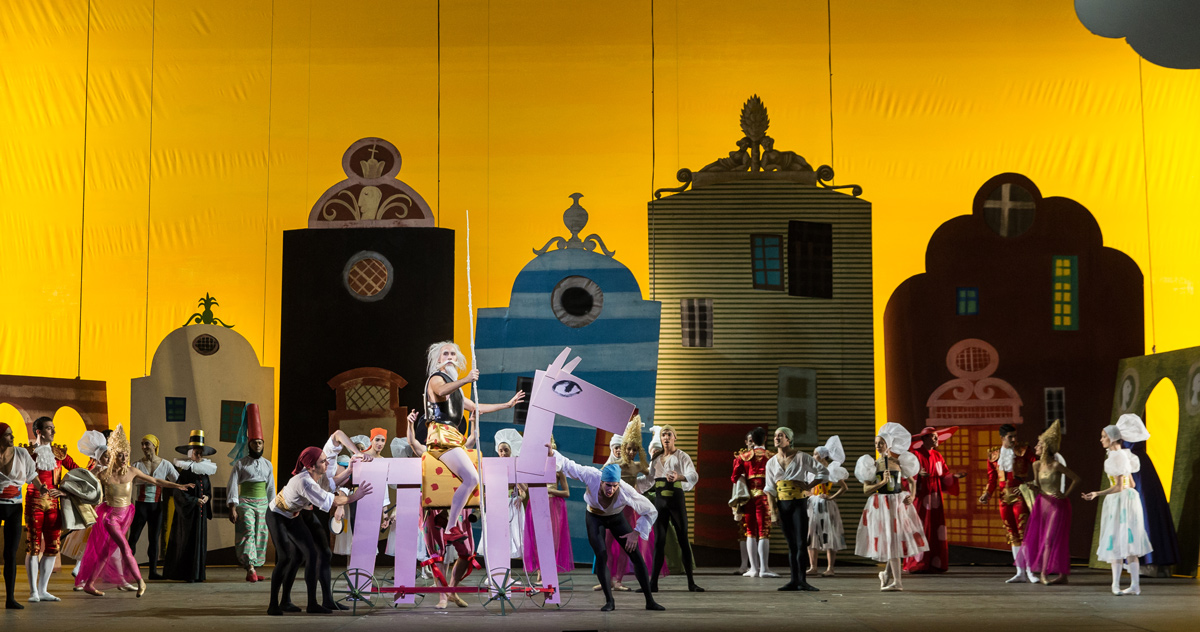
The dance program ranges from great classics such as Swan Lake, Don Quixote and a new Raymonda to leading names in contemporary choreography, including John Neumeier, Wayne McGregor, Alexander Ekman and Sharon Eyal. Guest stars include Marianela Nuñez, Daniil Simkin, Vadim Muntagirov and, for the first time at the Costanzi, Alina Cojocaru.
Also on the program are special events and concerts spanning music, dance and theatre, from one-night-only performances by Anna Netrebko and Cecilia Bartoli to an Easter concert in Orvieto Cathedral. The season will culminate, as every year, with the Rome Opera summer festival.
The new Opera di Roma season opens, as usual, on November 27, this time under the sign of Stravinsky. The Rake’s Progress returns to the Costanzi after 58 years in a new production conducted by Music Director Michele Mariotti and directed by Spanish director Rafael R. Villalobos, making his Rome debut. Further performances run from November 29 to December 5, and the production is broadcast by Rai Cultura.
Umberto Giordano’s Andrea Chénier (January 17 to 26, 2027) returns in Marco Bellocchio’s production, with Daniel Oren on the podium. Sonya Yoncheva, Brian Jagde and Ludovic Tézier lead the cast, alternating with Angela Meade, Gregory Kunde and Ariunbatar Ganbaatar.
A new production of Donizetti’s Lucia di Lammermoor (February 21 to 28) is staged by American choreographer Karole Armitage, making her Costanzi debut, with sets and costumes by Daniela Ciancio. Giacomo Sagripanti conducts. Jessica Pratt sings Lucia, alternating with Gilda Fiume, while Edgardo is sung by Xabier Anduaga and René Barbera.
Verdi’s I due Foscari (March 13 to 21) returns in Pier Luigi Pizzi’s 2001 production, reimagined for the occasion. Riccardo Frizza conducts, with Nicola Alaimo making his role debut as Francesco Foscari alongside Marta Torbidoni and Kang Wang.
Robert Carsen returns to the Costanzi with Gluck’s Iphigénie en Tauride (April 18 to 27), absent from Rome for 40 years, in the production first seen at the Théâtre des Champs-Élysées. Alessandro De Marchi conducts, with Axelle Fanyo in the title role.
Shostakovich’s Lady Macbeth of the Mtsensk District (May 14 to 22) is staged at the Costanzi for the first time in its history, in Barrie Kosky’s production for the Komische Oper Berlin. Juraj Valčuha conducts, with Olesya Golovneva and Dmitry Ulyanov in the leading roles.
A new production of Verdi’s Il trovatore (June 22 to July 1) is directed by Daniele Menghini and conducted by Nicola Luisotti, both making their Rome Opera debuts. The cast includes Marina Rebeka and Vasilisa Berzhanskaya (Leonora), Vittorio Grigolo and Angelo Villari (Manrico), Ekaterina Semenchuk (Azucena) and George Petean (Count di Luna).
After 26 years, Puccini’s La rondine (September 18 to 26) returns in a new production by Andrea Bernard conducted by Francesco Lanzillotta, with Ermonela Jaho and Francesco Meli as Magda and Ruggero.
The opera season closes with Rossini’s La Cenerentola (October 1 to 10), directed by Mario Martone and conducted by Michele Mariotti, in a co-production with the Abu Dhabi Festival. It is staged at the Teatro Valle, where the opera premiered in 1817, in the year the theatre reopens. Angelina is sung by Ekaterine Buachidze, a graduate of the “Fabbrica” Young Artist Program, alongside Dave Monaco, Paolo Bordogna, Pietro Spagnoli and Luca Tittoto. This production is also broadcast by Rai Cultura.
Dance
The 2026-27 dance season opens with Tchaikovsky’s Swan Lake, on stage at the Costanzi over the holidays from December 17 to 31 in Benjamin Pech’s choreography, conducted by Ido Arad. Fumi Kaneko dances Odette/Odile, while Vadim Muntagirov and Paul Marque, Étoile of the Paris Opera Ballet, alternate as Siegfried.
From February 4 to 10, 2027, John Neumeier returns to the Costanzi with Third Symphony of Gustav Mahler, a new production for which he also designs the sets, costumes and lighting. Simon Hewett conducts. Alina Cojocaru, former Principal Dancer of the Royal Ballet, guests in three performances, her first on the Rome stage.
From March 31 to April 4, the triple bill Motus brings together three leading names in contemporary choreography: Nicolas Blanc’s From Afar, set to music by Ezio Bosso, Wayne McGregor’s Borderlands, his first work at the Costanzi, and Alexander Ekman’s Fit.
Minkus’s Don Quixote (June 4 to 11) returns in Laurent Hilaire’s choreography, conducted by Martin Yates. Marianela Nuñez and Patricio Revé dance Kitri and Basilio on June 4 and 6, with Madeleine Woo and Daniil Simkin on June 8 and 10.
The season closes from October 6 to 13 with a new production of Raymonda, set to Glazunov’s score, choreographed by Jean-Guillaume Bart and featuring students of the Ballet School. Nicolas André conducts. The production is broadcast by Rai Cultura.
Concerts and special events
Two operas in concert and three special events complete the program.
December 4, 2026, Teatro Costanzi. Anna Netrebko sings Judith in Bartók’s Bluebeard’s Castle, with bass Alexander Köpeczi and the Hungarian Radio Symphony Orchestra conducted by Henrik Nánási. The program also includes Liszt’s Hungarian Rhapsody No. 2 and Piano Concerto No. 1, with soloist Misi Boros.
March 3, 2027, Orvieto Cathedral. Michele Mariotti conducts the Orchestra of the Teatro dell’Opera di Roma in Pergolesi’s Stabat Mater, with Emőke Baráth and Sara Mingardo. The concert is broadcast by Rai.
March 18, 2027, Teatro Costanzi. The Orchestra Nazionale Barocca dei Conservatori, conducted by Ignazio Maria Schifani, plays Beethoven’s Symphony No. 1 on period instruments, marking the bicentenary of the composer’s death, alongside two unpublished concertos by Ranieri Nanni in their first modern performance.
April 21, 2027, Teatro Costanzi. In dialogue with Iphigénie en Tauride, Sergio Rubini performs Piccinni e Gluck, una corona per due, a theatre piece by Valerio Cappelli about the famous rivalry that divided late 18th-century Paris.
May 27, 2027, Teatro Costanzi. Cecilia Bartoli returns as Rosina in Rossini’s Il barbiere di Siviglia, exactly forty years after first singing the role at the Rome Opera. She is joined by Les Musiciens du Prince-Monaco conducted by Gianluca Capuano and the Rome Opera Chorus.
At the Teatro Nazionale
A second season runs alongside the Costanzi’s at the Teatro Nazionale, with titles focused on new work and the next generation of artists.
November 24 to December 3, 2026. Students of the Ballet School perform Tchaikovsky’s The Nutcracker in Paul Chalmer’s choreography.
December 18 to 23, 2026. Bernstein’s Peter Pan is staged for the first time in Italy, with Luca Micheletti as both director and performer.
January 23 to 27, 2027.Le Cenerentole features artists from the “Fabbrica” Young Artist Program and the Rome Opera Children’s Chorus, directed by Antonella Lo Bianco. The show is also designed for schools.
April 20 to 24, 2027. The triple bill Echoes brings together Rafael Bonachela, Sharon Eyal and Diego Tortelli, who creates the new piece PINK FLOYD’s DIAMONDS.
May 19 to 26, 2027. World premiere of Nicola Sani’s Code: Unknown, with a libretto by Franco Ripa di Meana, who also directs. Marco Angius conducts. The opera tells the story of a man and a boy separated by a form of neurodivergence, and is accompanied by an accessibility program for autistic people.
May 23, 2027. Marking 35 years since the Capaci and Via D’Amelio massacres, Gery Palazzotto’s È ancora troppo presto revisits some of the darkest chapters in Italian history, directed and narrated by Isabella Ragonese, with music by Rodrigo D’Erasmo.
Summer Season
In summer 2026, while restoration works were underway at the Baths of Caracalla, the Rome Opera House moved its summer festival to the Circo Massimo. From June 29 to July 31, the program brought together opera, ballet, cinema and symphonic music under the Roman night sky, with highlights including Aida, Roberto Bolle and Friends, Romeo e Giulietta, Carmina Burana and The Gladiator in Concert.
With the holiday season in full swing, Rome in December fills up with concerts: international soul voices, Italian pop and songwriting, jazz duos and the gospel choirs of the Roma Gospel Festival, spread across the Auditorium Parco della Musica, the Palazzo dello Sport, Teatro Brancaccio and Atlantico.
Here are the best concerts in Rome in December 2026.
The Vicenza-born singer-songwriter brings her Disincanto Tour to Atlantico: a minimal, theatrical show built on large white screens and an intimate band setup.
Runner-up at Sanremo 2025 and fifth at Eurovision with “Volevo essere un duro”, the Tuscan songwriter plays his first arena tour with a full band, brass, percussion and choirs.
The Roman singer and actress, winner of Sanremo 1996 with Ron, mixes popular song, world music and storytelling in one of the Auditorium’s most elegant pre-Christmas evenings.
December 7
Auditorium Parco della Musica (Viale Pietro de Coubertin, 30)
The Sicilian crooner celebrates twenty years of “This Is What You Are” and presents his new album Two Entities, with new arrangements designed for the theater.
Piero Barone, Ignazio Boschetto and Gianluca Ginoble return to Italian arenas with a show devoted to the Italian musical tradition, a natural fit for the weeks before Christmas.
The Roman singer plays a home-town show in the Sala Santa Cecilia, revisiting the hits of a career that took off with X Factor and continued through several Sanremo appearances.
December 22
Auditorium Parco della Musica (Viale Pietro de Coubertin, 30)
America’s best-known gospel choir, performing since 1986 and raising funds for charity, brings its traditional Christmas Day show to the Roma Gospel Festival.
December 25
Auditorium Parco della Musica (Viale Pietro de Coubertin, 30)
Five nights in the Sala Petrassi with L’ornamento delle cose secondarie: In Teatro, built around his new album, with a setlist that changes from one night to the next.
December 26-30
Auditorium Parco della Musica (Viale Pietro de Coubertin, 30)
The Milanese songwriter and his band take the Sala Santa Cecilia through classics like “Domenica bestiale” and “Fiore di maggio”, plus some lesser-known gems.
December 27
Auditorium Parco della Musica (Viale Pietro de Coubertin, 30)
Rome’s best perfume shops, from historic houses to niche labels
Looking for a souvenir of Rome that isn’t a Colosseum magnet or a sexy priest calendar? Smell is one of our most evocative senses, capable of transporting us back to a particular time and place. A unique perfume can capture the spirit of Italy’s capital in a way few other souvenirs can, and give you a scent that takes you straight back to Rome.
Dotted around the city, you’ll find perfumeries offering everything from centuries-old Italian fragrance traditions to contemporary Roman scents and emerging brands you may not have heard of. Whether you want something quintessentially Roman or fancy discovering your next signature scent, there’s plenty to explore.
Campomarzio70
Enter Campomarzio70 and the first thing you’ll notice is its eclectic style. It’s a multi-brand artistic and niche perfumery, so you’ll find fragrances from a variety of brands under one roof. Now in its fourth generation, the family-run business gives each store its own character, with the interiors designed to reflect the feeling of the place. In the Campo Marzio shop, Fornasetti pieces add to the art and design-led atmosphere.
Here, discovering perfume is treated more like discovering art: the company describes fragrance in terms of emotion, memory and encounter. Alongside its selection of unique perfumes, you’ll find design objects and other products.
It’s a good choice if you’re less interested in finding a particular perfume and more interested in seeing what you might uncover.
Address:Via di Campo Marzio, 70 (Centro Storico) Hours: Mon-Sat 10am-8pm, Sun 11am-7.30pm Price: From €100 Tax-free: Yes (min. spend €70.01, bring your passport) Shipping: Worldwide, excluding Russia and parts of Australia and South America, via shop.campomarzio70.it
Bertozzini dal 1913 Profumeria Artistica Roma
Founded in 1913 and now in its third generation, Bertozzini dal 1913 Profumeria Artistica Roma began shifting away from traditional commercial perfumery around 24 years ago, moving towards more specialised and artistic fragrances. The shop now stocks more than 55 brands, around 60% of which are Italian, and prides itself on discovering new names early.
The staff take a personal approach to recommendations, considering not just what fragrances you already like but how and where you plan to wear them. A daytime fragrance might call for something different from an evening scent, while the climate you live in and how much time you spend indoors or outdoors can also influence their suggestions. With fragrances starting from around €20, it’s also a relatively accessible introduction to the world of artistic perfumery.
Address:Via Cola di Rienzo, 192 (Prati) Hours: Mon-Fri 10.30am-7.30pm, Sat 10.30am-8pm, Sun 3pm-8pm Price: From €20 for 10ml Tax-free: Yes (min. spend €70.01, bring your passport) Shipping: Worldwide via bertozzinidal1913.it
Essenzialmente Laura
If you’re looking for Rome in a bottle, look no further. Perfumer Laura Bosetti Tonatto has been creating perfumes since 1986, combining fragrance with art, culture, science and history. Her collection now includes more than 70 fragrances, ranging from citrus and floral to amber-oriental and leathery and more.
Her connection between scent and place is particularly strong in her Rome-inspired collections. MVSEI VATICANI Essential takes its inspiration from different areas of the Vatican Museums, including the Gallery of Maps, the Vatican Gardens and the Ethnological section of the museum. There’s also Incenso delle Chiese di Roma, a fragrance inspired by the incense of Rome’s churches, while Mizar, one of the collection’s best-sellers, evokes an evening stroll through Rome.
For an especially Roman souvenir, look out for the 40th-anniversary gift set, which contains eight 10ml fragrances inspired by some of Tonatto’s favourite places in Rome.
Since 1996, Profumum Roma has been creating fragrances using a balance of natural and derivative raw materials. Its best-seller, Acqua di Sale, combines seaweed, myrtle and cedarwood – conjuring the feeling of standing by the sea.
The laboratory-like display at the back of the store is a beautiful nod to the brand’s approach to fragrance-making. The brand has around 40 perfumes in its collection, each inspired by a place, memory or raw material. It’s a good stop if you want to discover one of the city’s own contemporary fragrance houses.
Officina Profumo-Farmaceutica di Santa Maria Novella
When it comes to understanding the heritage of Italian perfumery, few places in Rome tell the story better than Officina Profumo-Farmaceutica di Santa Maria Novella. Its story began in 1221, when Dominican friars arrived in Florence and began cultivating herbs and plants for their medicinal preparations. The original pharmacy opened to the public in 1612, making it one of the world’s oldest pharmacies, and the Roman shop continues to pay homage to those apothecary roots.
Look out for the Acqua di S.M. Novella, a fragrance commissioned for Caterina de’ Medici in 1533. Even the packaging feels like a piece of history: its book-like boxes and ornate labels echo the brand’s centuries-old apothecary heritage, with many of the label designs still used today dating back to the late 19th and early 20th centuries. If you want to dig deeper, multilingual pamphlets in the shop offer more insight into the brand’s history.
A red LED sign reading “Bar à Parfums” adorns the back wall of this perfumery, making its purpose clear from the moment you walk in. Olfattorio Bar à Parfums stocks fragrances from a variety of brands and price points, with free consultations available if you need help finding something that suits you. The staff might start with a brand you already like, a particular flower or note, a fragrance family or even a popular or viral fragrance, before introducing you to scents that match your preferences.
A consultation lasts around 30 minutes and is completely free, making it an easy way to explore new fragrances if you’re not sure where to start. It’s particularly useful if you’re overwhelmed by the choice or want to move beyond the perfumes you already know.
The eleventh edition of Rome’s contemporary art week kicks off on October 19th
The Eternal City is hosting the eleventh edition of “RAW – Rome Art Week”, an initiative dedicated entirely to contemporary art, with over 450 events, 676 artists and 71 curators, as well as many exhibitions and open studios.
Rome Art Week is an annual event spread across the city. Its aim is to give art lovers, collectors and scholars an overview of the contemporary art scene in the capital, through hundreds of events in exhibition spaces, artists’ open studios and free cultural projects created specifically for the week, while building a network between venues, artists and curators.
The week opens on Monday 19 October, from 6 pm to 9 pm, at Auditorium Albergotti (Via Francesco Albergotti) with 85 secondi, a collective performance project curated by Roberta Melasecca.
RAW – Rome Art Week also organises guided tours throughout the week, divided by area or theme. They take place on foot, in small groups, with visits to exhibition spaces and artists’ studios. Don’t miss the walks through the neighbourhoods of Rome, exploring galleries, associations and museums. The tours are free and can be booked on the official website.
A varied and well-established programme, RAW aims to place Rome at the centre of today’s art scene, alongside other major European capitals. Events take place both in the city centre and in the outer neighbourhoods, involving as many local realities as possible. Galleries, foundations, museums, cultural institutions and associations, academies, Italian and foreign cultural institutes and independent spaces open their doors with exhibitions, talks, meetings, performances and special openings.
Artists open their studios to welcome visitors, collectors and professionals into their workspaces and offer new insight into their work. Curators present their research through exhibitions and cultural events in spaces across the city. Artists’ collectives, encouraged by the organisers, help new contemporary art movements emerge.
To guide the public through the many proposals, critics, curators, intellectuals and artists active in Rome offer their own selection of participants and events.
Most events are free, though some require booking and a few are by invitation only. For the full calendar, visit romeartweek.com/en/events.
Roma Jazz Festival comes back for its 50th edition.
From November 1 to 24, the Roma Jazz Festival returns for its 50th edition, across Auditorium Parco della Musica “Ennio Morricone,” Casa del Jazz, and Alcazar, bringing together some of the world’s most exciting artists, from jazz legends to fearless new innovators. Dedicated to Miles Davis for the centenary from his birth, the festival proves once again how jazz is a language in continuous evolution.
As artistic director Mario Ciampà puts it: “the history of the festival is, in part, the history of jazz itself”
Roma Jazz Festival is one of the most important European festivals that, for half a century, has brought not only the historic great names of the international scene to Rome but also, with tireless curiosity and sensitivity, those representatives of the new generations who continue to innovate a genre of music that is by its nature boundless.
The festival opens with Paolo Fresu who inaugurates the 50th edition with Kind of Lives, the latest recording project from the play Kind of Miles, written and interpreted by the artist himself. On stage, on Fresu’s side, he will be accompanied by two ensembles, one paying homage to Davis and the other one representing the revolutionary musical evolution.
Yellowjackets will have their comeback on November 4, but this time, they will be hosting Kurt Elling, defined by the Guardian as “a sort of Frank Sinatra with superpowers”. An unmissable meeting between the best jazz singer in the world and one of the most iconic bands will take place at The Roma jazz festival for its 50th anniversary.
A mix of energies
On the 5th of November, more iconic artists will take over the stage: Steve Colemanand hisFive elements are ready to make their audience dance. The American saxophonist, known for mixing jazz with hip-hop, creates a funky rhythm that, together with the Five elements, will be an explosion of energy and groove.
On 6 November, Cuban pianist Gonzalo Rubalcaba and Rio de Janeiro mandolin virtuoso Hamilton de Holanda share the stage at the festival for the first time with Collab, their joint project. The two masters of Latin jazz bring intricate melodies, rhythmic complexity and fiery improvised exchanges. Another leading name on the Italian scene, Chiara Civello (23 November) presents her upcoming album, born from her collaboration with producer Clap! Clap!.
Outside Rome, two concerts mark John Coltrane’s centenary with A Love Supreme: the Rieti Jazz Orchestra at the Chiesa di San Domenico in Rieti (15 November) and the Priverno Jazz Orchestra at the Abbazia di Fossanova (22 November).
The 50th edition closes on 24 November with 100 Miles for Miles Davis.
On the 6th of November, the initiative will put together the Cuban pianist Gonzalo Rubalcaba with the Brazilian mandolinist Hamilton de Holanda. The two masters of latin jazz will be brought together to create an intense musical dialogue characterized by intricate melodies and a complex rhythm.
Steve Coleman
Italian sounds
During the festival, the Italian presence will also be tangible through many different artists. From two trios of Domenico Rizzuto (Nov 8) and Eleonora Strino (Nov 13),to Rosa Brunello with her latest album We Are Surging Waters and Enzo Favata (Nov 16) with his Atlantico, an iconic project blending jazz, South American sounds and poetry.
Another protagonist of the itialian scenery is Chiara Civello (Nov 23) who will present her new project with Clap! Clap!. The collaboration will be a fusion of jazz and electronic music, art-pop and clubbing, anticipated by the single Me and the Trees.
Homages to the Bigs of Jazz
On November 17, the festival pays tribute to Miles Davis with New Sketchesof Spain, a performance combining jazz and flamenco while revisiting Davis’s celebrated 1960 album Sketches of Spain. The project brings together Franco-Swiss trumpeter Erik Truffaz and flamenco saxophonist and singer Antonio Lizana. The following day, American drummer Gregory Hutchinson takes the stage to revisit Davis’s repertoire, drawing inspiration from the legendary drummers who accompanied the trumpeter throughout his career.
On November 19th, the spotlight turns to another jazz legend, Sonny Rollins, through the tribute by the CDO–Casa del jazz Orchestra, conducted by Mario Corvini and featuring Javer Gìrotto. Rollins, who passed away at the age of 95, remains a memorable presence in the festival’s history following his celebrated 2009 performance in Rome.
Outside of Rome, two meetings will pay homage to the centenary of John Coltrane at Abbazia di Fossanova and of the Rieti Jazz Orchestra at Chiesa di San Domenico in Rieti.
A Grand Finale
The 50th edition of the Roma Jazz festival will conclude on November 24 with 100 Miles for Miles Davis, a major tribute to the legendary musician who transformed the history of jazz. The project is led by keyboardist, producer and composer Jason Miles, whose career includes collaborations with artists such as Aretha Franklin, Whitney Houston, Michael Jackson, Chaka Khan and Diana Ross. The closing performance promises to celebrate the enduring influence of one of the most innovative figures in twentieth-century music.
50 years of Jazz
Produced by IMF Foundation in collaboration with Fondazione Musica per Roma, and supported by Regione Lazio and the Ministry of Culture, the Roma Jazz Festival continues to celebrate the richness and versatility of jazz music. Its 50th edition offers audiences the opportunity to discover different sounds, explore new musical perspectives and experience the genre’s enduring ability to evolve while remaining deeply connected to its roots.
1 November Paolo Fresu, Kind of Lives Auditorium Parco della Musica, Sala Sinopoli, 18:00
4 November Kurt Elling & Yellowjackets, Celebrate Weather Report Auditorium Parco della Musica, Sala Petrassi, 20:00
5 November Steve Coleman and Five Elements Auditorium Parco della Musica, Sala Petrassi, 20:00
6 November Hamilton de Holanda & Gonzalo Rubalcaba, Collab Auditorium Parco della Musica, Sala Petrassi, 20:00
7 November EIC Eden Inverted Collective by Zoe Pia, Atlantidei Casa del Jazz, 19:30
8 November Domenico Rizzuto Trio, Disastri Quotidiani Casa del Jazz, 18:00
13 November Eleonora Strino Trio Casa del Jazz, 19:30
14 November Nexus Quartet, Appunti di Viaggio Casa del Jazz, 19:30
15 November Rieti Jazz Orchestra, Focus Coltrane Chiesa di San Domenico, Rieti, 18:00
16 November Enzo Favata, Atlantico Reunion Auditorium Parco della Musica, Sala Petrassi, 20:00
17 November Erik Truffaz & Antonio Lizana, New Sketches of Spain Auditorium Parco della Musica, Sala Petrassi, 20:00
18 November Gregory Hutchinson, Kind of Now: The Pulse of Miles Davis Auditorium Parco della Musica, Sala Petrassi, 20:00
19 November CDJO Casa del Jazz Orchestra conducted by Mario Corvini, with Javier Girotto, Tenor Madness Auditorium Parco della Musica, Sala Petrassi, 20:00
20 November Omasta Alcazar, 21:00
21 November Jeremy Pelt Quintet Auditorium Parco della Musica, Teatro Studio Borgna, 20:00
22 November Fiabe Jazz, Musicanti di Brema Swing Band Auditorium Parco della Musica, Teatro Studio Borgna, 11:00
Rosa Brunello, We Are Surging Waters Auditorium Parco della Musica, Teatro Studio Borgna, 18:00
Priverno Jazz Orchestra, Focus Coltrane Abbazia di Fossanova, Priverno (LT), 18:00
23 November Chiara Civello & Clap! Clap!, CCCC Auditorium Parco della Musica, Teatro Studio Borgna, 20:00
24 November Jason Miles, 100 Miles for Miles Davis Auditorium Parco della Musica, Sala Petrassi, 20:00
In November, Rome is all about the rich program of the Rome Jazz Festival, but not only that. There’s also plenty of anticipation for Italian and international artists such as Francesco De Gregori, Malika Ayane, Brunori Sas and Francesca Michielin. Check out the list of the best concerts in Rome in November 2026 below.
The first major Pontormo retrospective ever held outside Florence
An innovator and one of the most original painters of the 16th century, Jacopo Carucci, known as Pontormo, is the subject of a major exhibition at the Scuderie del Quirinale in Rome, open until 7 February 2027. It is the first large monographic show on the artist ever held outside Florence, and the first time since 1956 that so many of his masterpieces have been brought together in one place.
The exhibition is curated by Cristina Acidini, with a scientific committee of Elena Capretti, Philippe Costamagna, Bruce Edelstein and Carlo Falciani, and organised by Ales-Scuderie del Quirinale in partnership with the Uffizi Galleries.
What to see at the Pontormo exhibition
The show follows Pontormo’s life in chronological order, from his early work in republican Florence to the great commissions for the Medici and the Church, with sections devoted to his drawings, his portraits and his writings. Across 10 sections it brings together over 130 works, 84 of them by Pontormo: paintings, detached frescoes and a large selection of drawings.
Loans come from the Uffizi, the Galleria Borghese, the Louvre, the National Gallery and the British Museum in London, the Metropolitan Museum of Art in New York, the National Gallery of Art in Washington and the Getty Museum in Los Angeles, alongside churches across Tuscany. Highlights include the Supper at Emmaus, often seen as a forerunner of Caravaggio, and two paintings based on cartoons by Michelangelo, the Noli me tangere, restored for the occasion, and Venus and Cupid.
Don’t miss the Libro mio, the diary Pontormo kept between 1554 and 1556, filled with notes and small sketches. For centuries it was read as proof of an eccentric, tormented personality; the exhibition catalogue offers a more balanced reading.
Pontormo (Jacopo da Pontormo), Pala Capponi: Pietà (Trasporto di Cristo), 1525-1528 circa, olio su tavola, 313 × 192 cm Firenze, chiesa di Santa Felicita, cappella Capponi Per gentile concessione dell’Arcidiocesi di Firenze
The Capponi Altarpiece
One of the most striking loans is the Capponi Altarpiece (1525-1528), the Pietà also known as the Deposition, which has left its chapel in Santa Felicita in Florence together with the four roundels of the Evangelists by Pontormo and Bronzino. The display recalls the architecture of the chapel itself. Figures spiral upwards around the body of Christ in a swirl of pink and pale blue, colours so bright that they soften the drama of a scene that, on the surface, is about death.
Pontormo’s portraits
Pontormo worked for the Medici for most of his life, and the exhibition includes a large group of portraits painted for the family and for other leading figures of the time. Balanced between formal rigour and psychological depth, they feel strikingly modern: these are faces from five centuries ago that still hold your gaze.
The best example is the Halberdier, whose identity is still debated. Behind his confident, almost defiant military pose there is a hint of melancholy, as if the soldier’s composure had been broken for a moment by a thought or a memory. The exhibition also shows Bronzino’s Lady in Red, painted by Pontormo’s most gifted pupil: an elegant woman in shimmering velvet with a small dog in her arms, whose direct gaze makes her both noble and approachable.
Pontormo, Portrait of a Halberdier, c. 1529-1530, oil on canvas, 95.3 × 73 cm, Los Angeles, The J. Paul Getty Museum
Pontormo treated saints with the same freedom. His Saint Michael the Archangel is no warrior leading the heavenly armies, but a fair-haired young man in a graceful, almost casual pose, resting one leg on the shoulders of the cherub at his feet.
The Visitation and Bill Viola’s The Greeting
The theme of the Visitation opens and closes the exhibition. The first rooms feature Pontormo’s early fresco of the meeting between Mary and Elizabeth (1514-1516), detached from the Chiostrino dei Voti in Florence’s Santissima Annunziata: the work that made his name in the city. The last room is reserved for the Visitation from Carmignano (1528-1532), his most famous painting, on loan from the church of San Michele Arcangelo near Prato. Four women in vivid robes meet in an almost abstract space, in a silent embrace that is one of the most memorable images of the Italian Renaissance.
Pontormo, Visitation, 1528-1532, oil on panel, 202 × 156 cm, Carmignano (Prato), San Michele Arcangelo. Courtesy of the Diocese of Pistoia. Photo: Antonio Quattrone
The Visitation also inspired Bill Viola, whose slow-motion video installation The Greeting premiered at the 1995 Venice Biennale. To mark the exhibition, it is on show at Santa Maria Antiqua in the Roman Forum, inside the Colosseum Archaeological Park, from 11 October 2026 to 6 February 2027. Seeing both works makes for a rewarding double visit.
Pontormo’s drawings
Drawing was where Pontormo’s talent showed most clearly, and the exhibition gives it plenty of space. Many of his models came straight from the street: workshop boys sketched from life in natural, ever-changing poses. Five hundred years on, their gestures and expressions still look surprisingly familiar.
Pontormo, Nude Raising His Arm (recto), c. 1525
“The exhibition is a major organisational challenge, a bold curatorial gamble and proof of how institutional synergies can achieve extraordinarily ambitious results. But it is also, and above all, a unique opportunity for the public to come face to face with one of the most seductive and beloved artists of the entire Renaissance.”
Matteo Lafranconi, Director of the Scuderie del Quirinale
Visiting the Pontormo exhibition in Rome
The Scuderie del Quirinale are at Via XXIV Maggio 16, a short walk from the Trevi Fountain. The exhibition is open daily from 10am to 8pm, with last entry at 7pm. Allow at least an hour and a half, and book online to avoid queues, especially at weekends.

 Connexion