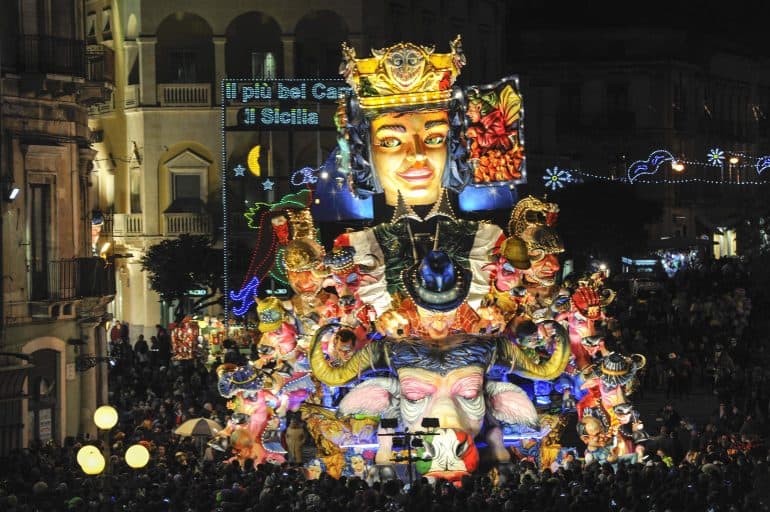
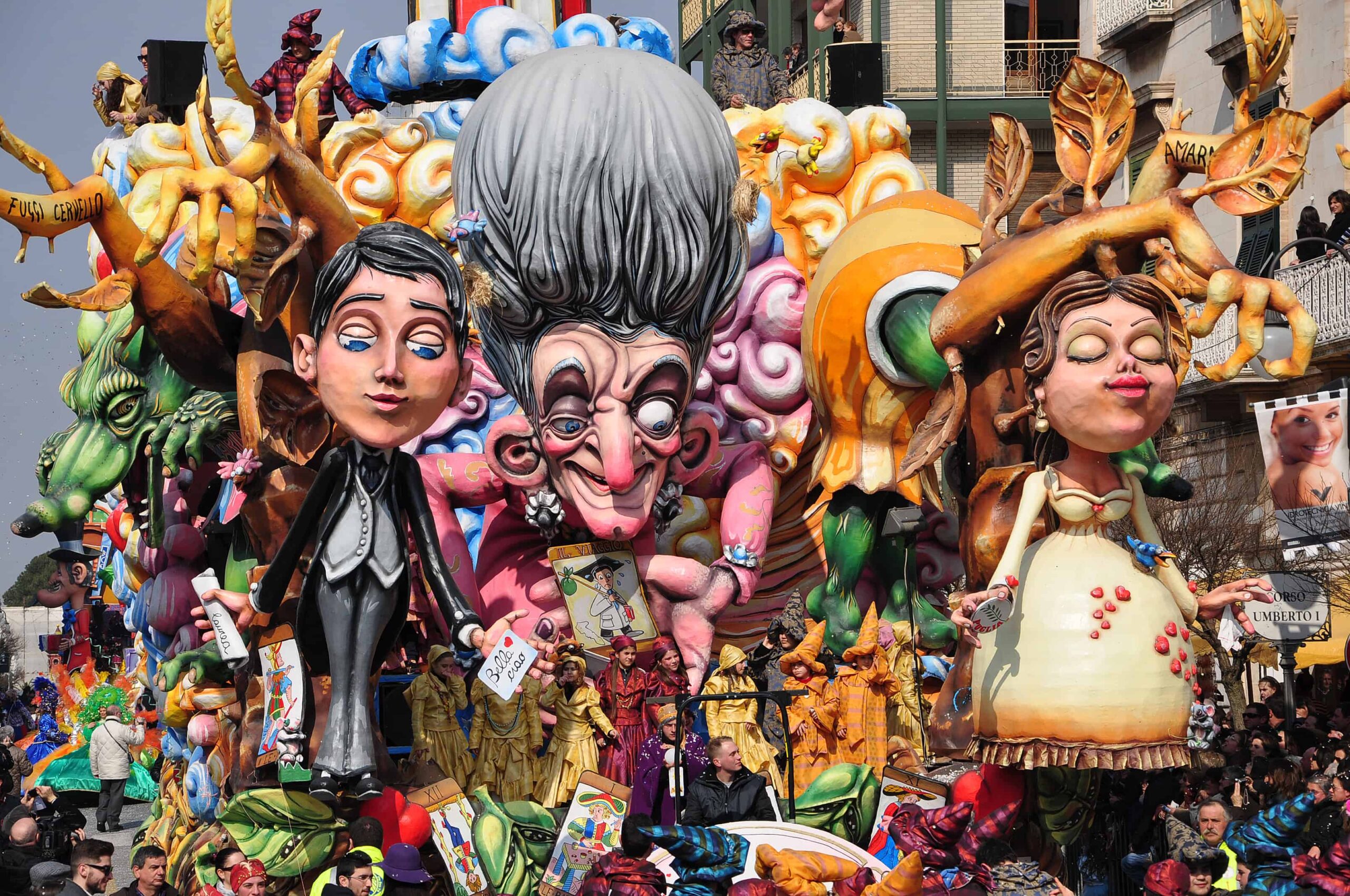
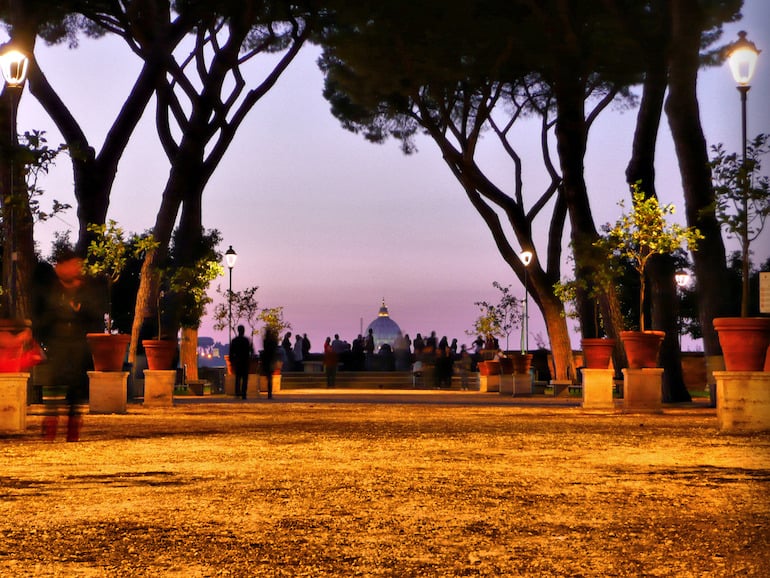
August in Rome is hotter than you could ever imagine, and it’s the month of Ferragosto, the national holiday on August 15th introduced by Emperor Augustus in 18 BC, when Italians flock to the seaside. Some shops and bars in residential areas close as Romans take their well-deserved holidays, and for a couple of weeks the city belongs to visitors.
That’s exactly why August has its own charm. The streets are quieter, the lines for major attractions shrink, restaurants in the center stay open, and the city fills up with open-air festivals, concerts and night openings you won’t find any other time of the year. If you don’t mind the heat and plan your days around it, August can be one of the most enjoyable months to experience Rome.
Here’s everything you need to know: the weather, what to wear, what’s open on Ferragosto, and the best things to do. And to avoid long queues under the sun, remember to book your tickets and tours in advance.
The weather in Rome in August
Summer in Rome is hot and humid, and August is its peak. During the day, average temperatures range from 30°C to 38°C (86°F to 100°F), cooling down to around 24-26°C in the evening. Rain is rare, the sun is relentless.
The trick is to plan your days like the Romans do: visit outdoor sites like the Colosseum, Roman Forum and ancient ruins early in the morning, keep air-conditioned museums and churches for the afternoon, and take a proper break after lunch. Evenings are when the city comes alive, so save your energy for aperitivo hour onwards.
What to wear in Rome in August
Pack light, but pack smart:
Comfortable shoes are non-negotiable: Rome is paved with cobblestones. Breathable trainers or sandals with thick soles work best.
Shorts are fine for walking around, but you won’t be allowed into religious sites with knees uncovered.
T-shirts are ideal: light, and they cover your shoulders, so you can enter any church or the Vatican.
A scarf or light shawl is the smartest item in your bag: it lets you cover shoulders on the spot when entering churches, without wearing sleeves all day.
Sunglasses, sunscreen and a hat: the sun is on full blast, and getting burnt on day one is not the souvenir you want.
Long pants or a dress for the evening: Romans dress smart-casual for dinner, and some clubs require a shirt, dark pants and proper shoes for men.
One more local tip: fresh drinking water is free and everywhere in Rome. The public fountains, known as ‘nasoni‘ for resembling big noses, are scattered across the city. Bring an empty bottle and refill as you go.
Events in Rome in August 2026
August in Rome is anything but empty. The Estate Romana program fills the city with open-air concerts, film screenings and festivals: outdoor cinema under the stars, music and nightlife on the river banks at Lungo il Tevere, opera and ballet at the Baths of Caracalla, jazz at Village Celimontana, and night tours of the Colosseum by moonlight. And on the night of August 10th, the feast of San Lorenzo, Romans head to Gianicolo hill, the Pincio terrace or the Appia Antica to watch the shooting stars.
Ferragosto is the heart of the Italian summer: families gather for long lunches, picnics and days at the beach, and many businesses close for the day or the surrounding week.
The good news for visitors: most of Rome’s museums and archaeological sites remain open on August 15th, including the Colosseum, the Roman Forum and the Borghese Gallery. The main exceptions are the Vatican Museums, which close for the holiday, along with many family-run restaurants and shops. Book your Ferragosto dinner table in advance, and double-check opening hours for anything on your list that day.
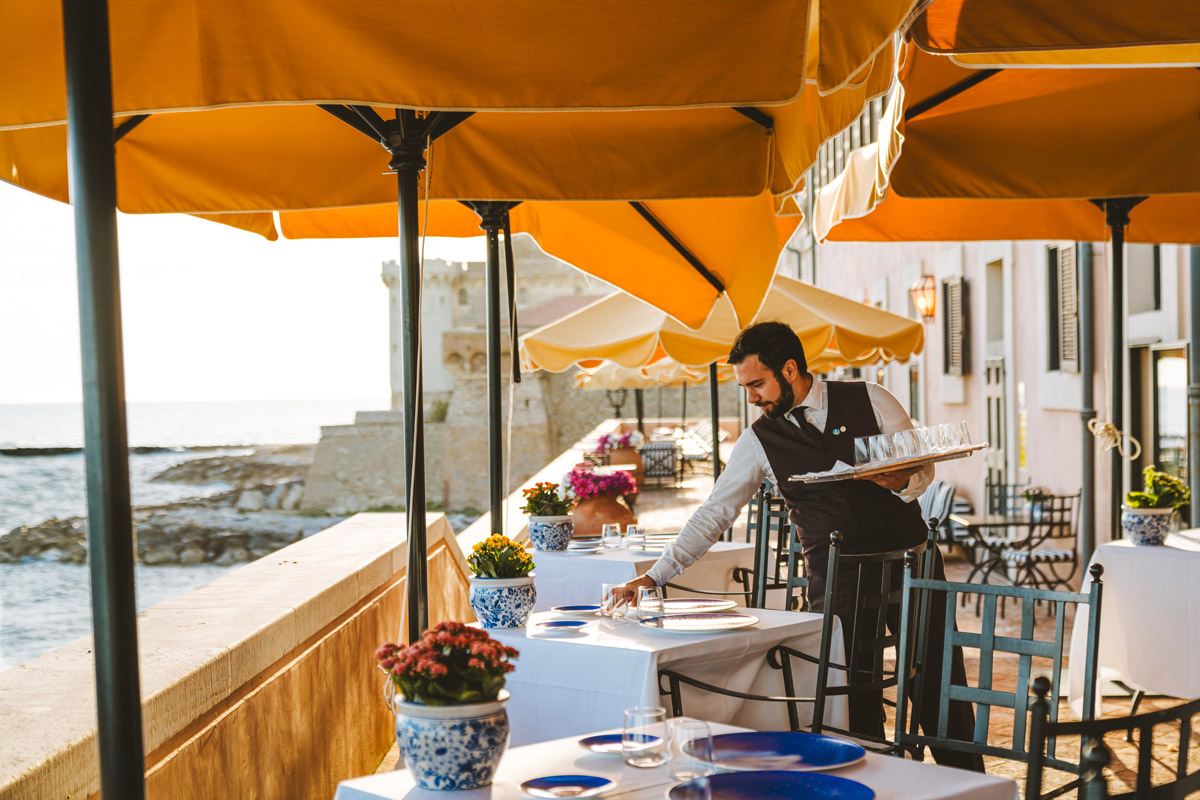
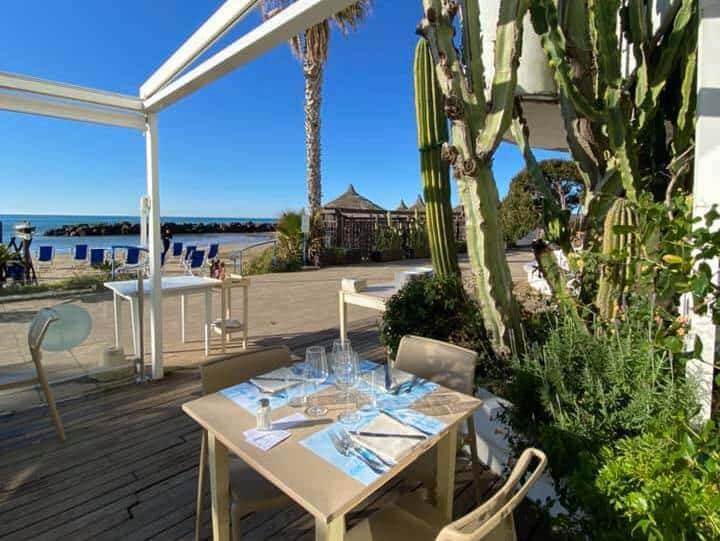
If the heat gets too much, do as the Romans do and head to the coast. Ostia is the closest, and pairs the seaside with a remarkable archaeological site: the Ostia Antica Archaeological Park. About an hour away by train you’ll find Santa Marinella and Santa Severa, with its castle right on the sea, while Anzio, Fregene, Sabaudia and Sperlonga offer some of the region’s best beaches and seafood. Check out our guides to the best beaches near Rome and the best restaurants on the Roman coast.
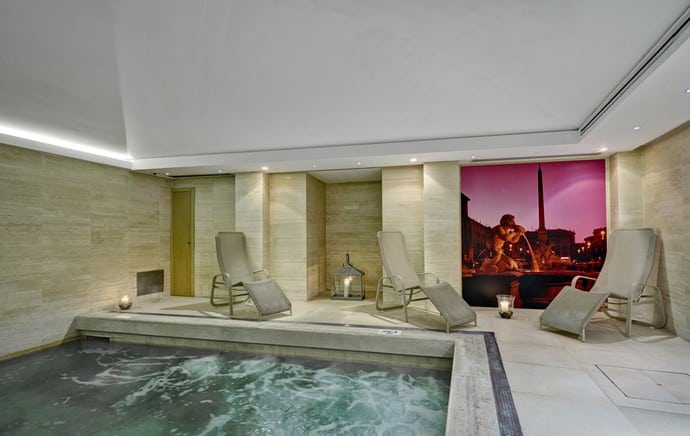
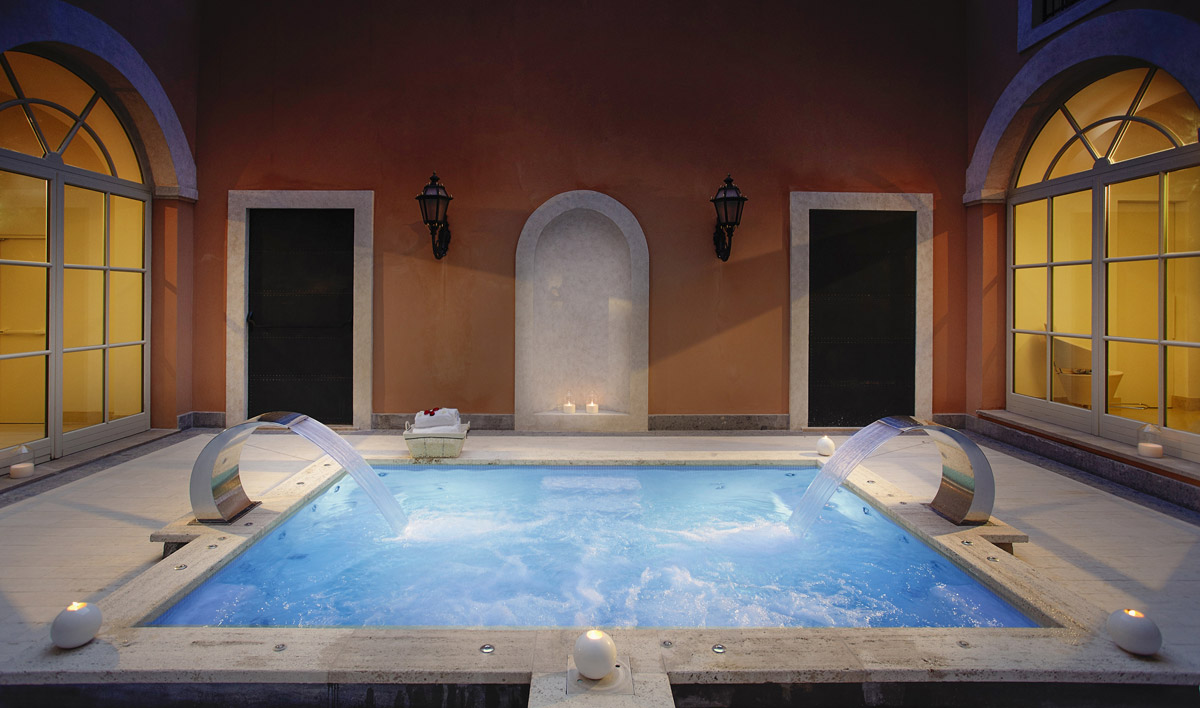
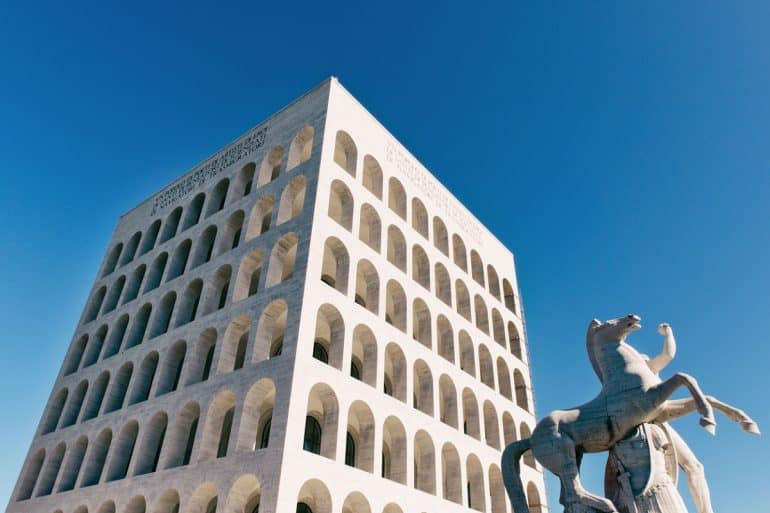
If leaving the city is not an option, Rome has plenty of swimming pools open in August: from the athletic Piscina Belle Arti near Villa Borghese to the Olympic-sized Piscina delle Rose in EUR, up to luxury hotel pools where you can spend a full day between loungers and cocktails.
The August heat is the perfect excuse to make a real holiday of it. Relax in the shade of Villa Borghese or Villa Pamphilj, lose yourself in the Caffarella Park, or explore the Park of the Aqueducts at sunset. Discover all the best parks and gardens in Rome: the city rewards those who move slowly.
Restaurants open in Rome in August
Eating out is one of Rome’s greatest pleasures, but August requires a little planning: some restaurants close for a week or two as owners take their holidays, especially around Ferragosto. Most places in the center stay open throughout the month.
Night tours at the Colosseum are back – every Tuesday and Thursday from 8 to 11 PM
Starting Tuesday, July 14, the “A Night at the Colosseum” initiative returns — a guided tour that offers the rare opportunity to visit the Flavian Amphitheater after dark, including areas usually closed to the public.
The 60-minute tour once again includes the first level of the monument, the arena floor, and the underground tunnels — a truly unmissable chance to uncover the secrets of Rome’s most iconic landmark.
Special evening openings are scheduled every Tuesday and Thursday from 8:00 PM to 11:00 PM, with last entry at 9:50 PM. Tours are conducted in small groups of up to 25 people per slot.
The visit unfolds like a story, told from the perspective of the spectators who once filled the Colosseum, as well as that of the protagonists of the spectacles held throughout the day, from wild animal hunts (known as venationes) to the munera, the gladiator combats – fighters who were admired and cheered like today’s football stars.
The night tour begins at the northern entrance arch, once the main access point for emperors. From the arena floor, visitors enjoy a striking view of the cavea while learning about the grand spectacles once offered to the Roman public.
The tour then leads into the underground area, featuring the permanent exhibition “Spectacles in the Colosseum Arena: The Protagonists”, which highlights the lives of gladiators and wild animals involved in the shows, with dramatic elements like:
A holographic projection of gladiators emerging from the darkness
A 2nd-century AD mosaic depicting a hunting scene
Ancient graffiti, oil lamps, and lift mechanisms used to bring fighters and beasts to the arena
Full-scale replicas of gladiator armor, from the retiarius to the murmillo
Are you ready to enjoy an unforgettable show? All you have to do is book your visit on the official website of the Colosseum Archaeological Park, just remember that tickets are available ONLY on the official website, starting 7 days before the scheduled visit date.
From July 14, 2026 Flavian Amphitheater – Piazza del Colosseo, 1
Guided tour times (in Italian, Spanish and English): From 8:00 PM to 11:00 PM
Tickets:
€50.00 full price (includes Full Experience ticket €24.00 + guided tour €26.00)
The sweltering heat isn’t the only thing rising in Rome this summer. As of July 2026, the standard Pantheon entry ticket has officially gone up from €5.00 to €7.00. It’s not going to break the bank: an extra €2.00 to preserve 2,000 years of history is a small price to pay to stand inside the ancient world’s greatest architectural marvel. Even with the price hike, the Pantheon remains the cheapest major monument to visit in the entire city.
How Much Does It Cost to Visit the Pantheon in 2026?
The standard Pantheon ticket price is now €7.00. Reduced tickets and free entry categories (under 18s, Rome residents, worshippers attending mass) remain in place. For full visitor information, opening hours and history, read our complete guide to visiting the Pantheon.
When Is the Pantheon Free to Visit?
If you happen to be strolling past the coffee-scented streets of Piazza della Rotonda on a Sunday, you may be in luck: like the Colosseum and the Roman Forum, the Pantheon is completely free on the first Sunday of every month. Keep in mind you’ll have to queue for a physical ticket, as online booking isn’t available on free days.
On any other day, our advice is to book your Pantheon tickets online and in advance, when the piazza gets crowded, nobody wants to melt in line under the midday sun.
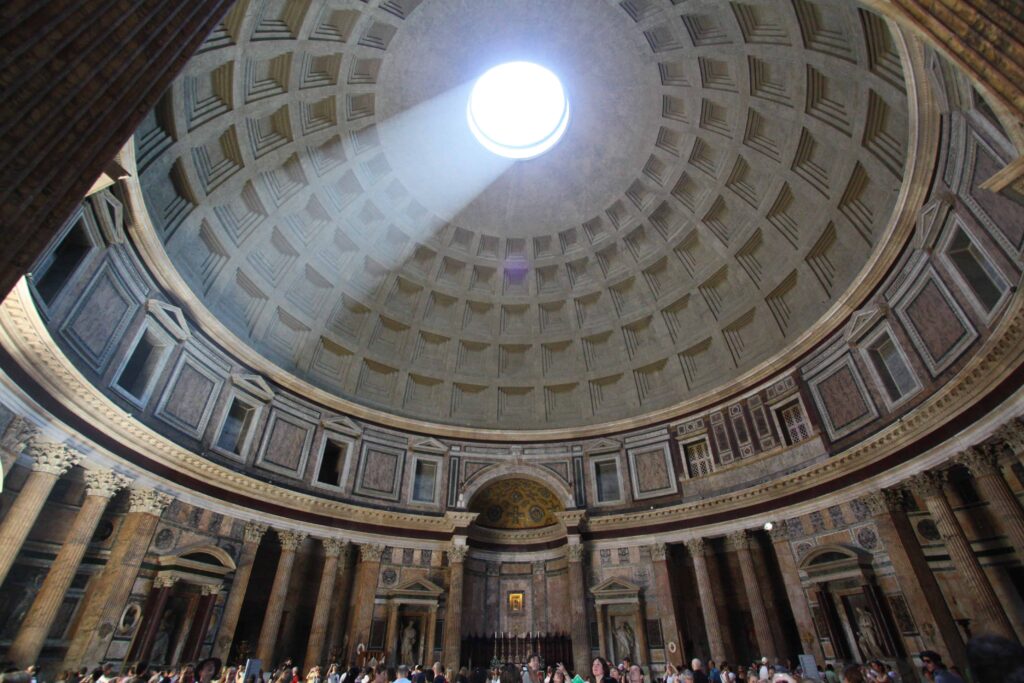
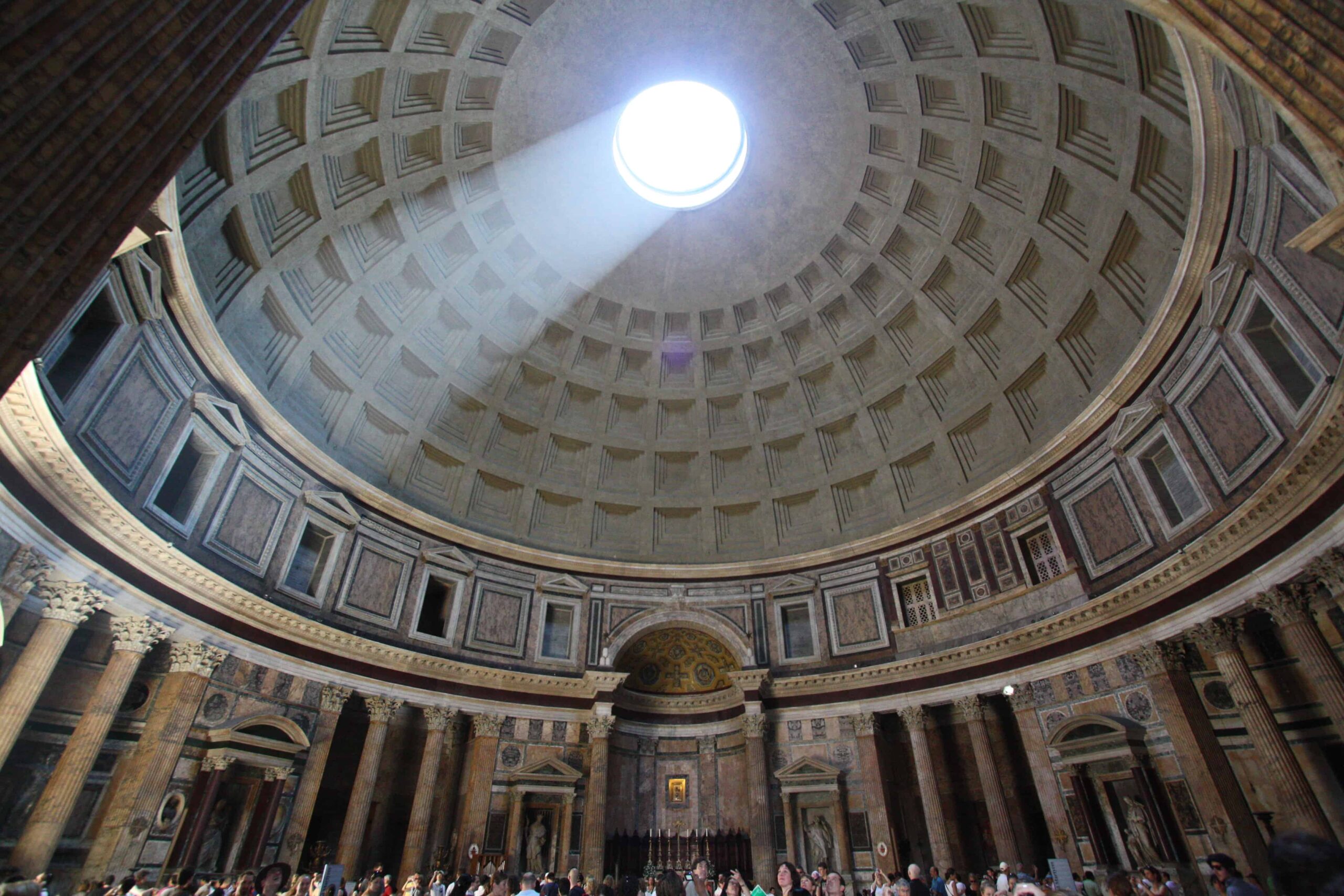
Absolutely. The dome of the Pantheon is still the world’s largest unreinforced concrete dome, rebuilt by Emperor Hadrian nearly two millennia ago. Born as a pagan temple dedicated to all the Roman gods, in 609 AD it was gifted to the Pope and consecrated as a Christian church, Santa Maria ad Martyres. The hole at the top of the dome, the famous oculus, is the building’s only source of light. And for those wondering what happens when the heavens pour: yes, it rains inside! Rain, hail, storms or religious upheaval, the most fascinating thing about the Pantheon is its survival story.
Want to Get More Out of Your Visit?
A guided visit brings the Pantheon’s 2,000 years of history to life. Here are two experiences we recommend:
Where to eat on the Roman coast: Fiumicino, Ostia, Fregene, Santa Severa, Santa Marinella, Ladispoli and Anzio
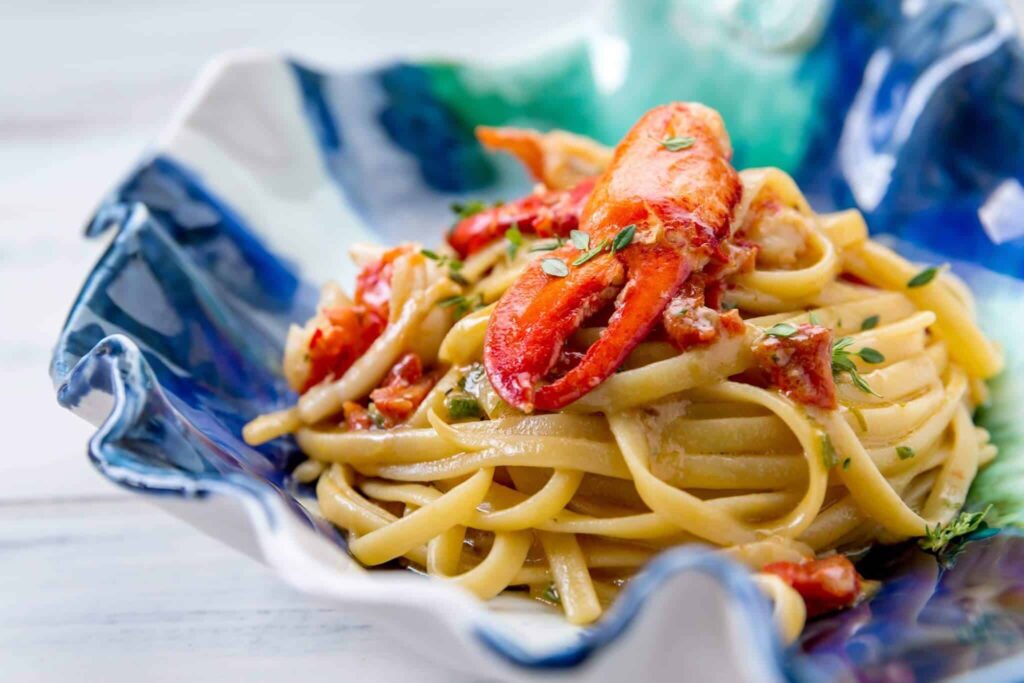
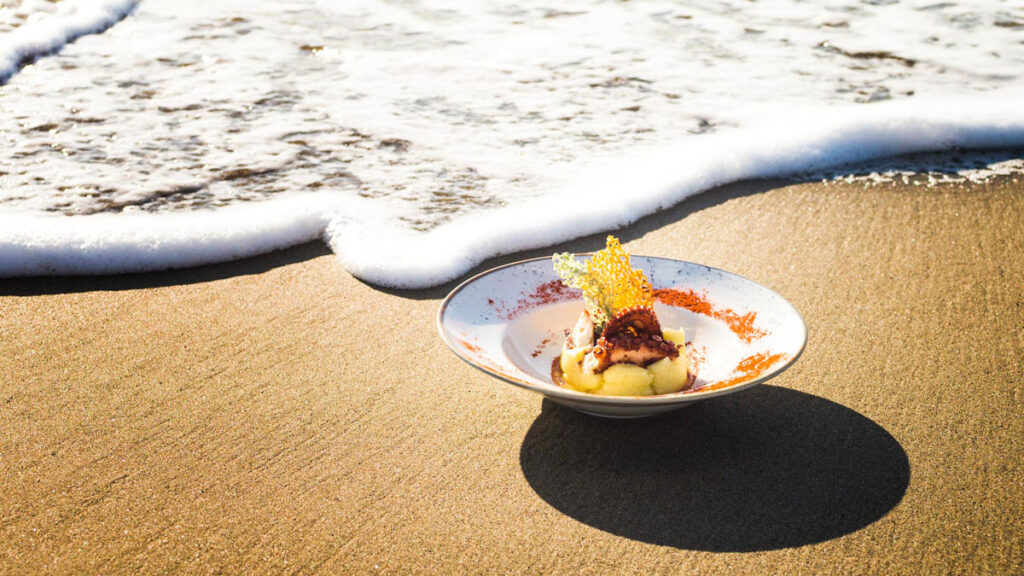
The sun shines on the Roman cobblestones: it’s time to leave the city behind and head towards the salty breeze of the coast. Just a short drive from Rome, the Lazio coastline is one of Italy’s most exciting seafood destinations, home to Michelin-starred kitchens, family-run trattorias and beach clubs where you can eat with your feet in the sand.
Fiumicino, Ostia, Fregene, Maccarese, Ladispoli, Santa Severa, Santa Severa, Civitavecchia, Anzio, Torvaianica and Nettuno await you, your short sleeves and your sunglasses. The time for spaghetti alle vongole and orata in crosta is here.
From Gianfranco Pascucci and Lele Usai’s Michelin-starred tables in Fiumicino to historic seafood trattorias in Anzio and the new wave of openings along the coast, here is our complete guide to the best restaurants on the Roman coast, where to get your boost of iodine and so much more.
Da Alceste is a historical fish restaurant in Anzio, a point of reference for seafood cuisine and the portodanzese tradition. Alceste and Giuseppe’s children, Gino and Maria Elena Regolanti, keep the family tradition alive with historical dishes with a modern touch. Among the first courses, you’ll find big classics like spaghetti with clams or with anchovies and pecorino as well as main courses with a vintage taste like pesce all’acqua pazza, fresh fish, cooked in a flavorful broth, or guazzetto di pesce, a wholesome fish stew. The beautiful terrace is worth a mention.
Among the most well-known restaurants in Anzio, Walter Regolanti’s Romolo al Porto certainly deserves a shoutout. With about 100 seats between the indoor room and the porch, Walter offers a daily cuisine that bets everything on the local produce: fish, crustaceans, shellfish in an infinite variety of hors d’oeuvres, culminating in a pasta dish that feels like dessert. Their winery is also excellent, full of bubbles, not to be underestimated.
Alessandro Catarinozzi’s Pierino is a historical name. The seafood you eat here is in its most authentic and classical form. There are crudités, fresh pasta, risotto alla pescatora, ands simple main dishes accompanies by seasonal side dishes, like the orata al forno with porcini mushrooms. Foie gras is also available. The canteen is wide and the service informal but well-prepared and knowledgeable.
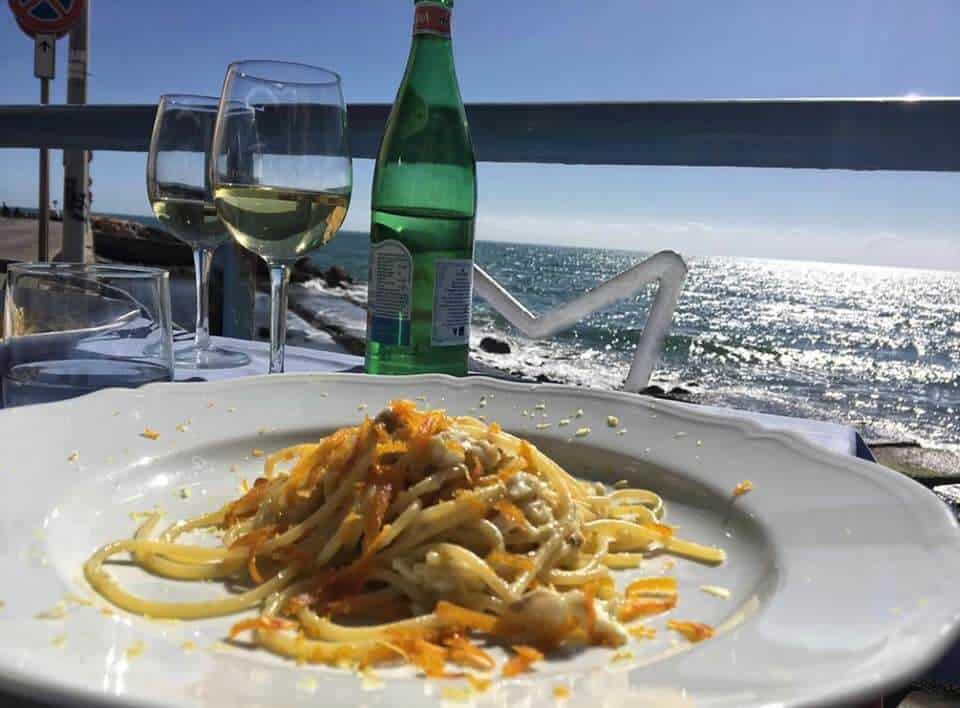
A beach club with restaurant for over sixty years. Nearly two hundred covers spread across the dining room, veranda and beach, you literally eat with your feet in the sand. Young chef Fabio Di Vilio experiments intelligently with locally caught fish and vegetables from the family garden: bruschetta with clams, strozzapreti alla pescatora, and a risotto with anchovies, almond cream and charred orange. A wine list of over two hundred labels.
A Benny Gili institution, despite the large number of covers, it’s almost impossible to get a table without booking days in advance. Authentic, unpretentious yet carefully crafted cooking: pasta with wedge clams or with vongole, seafood carbonara, raw seafood and the iconic bruschetta with smoked sardine and red onion.
A Spanish flair in a young, lively atmosphere: raw seafood and red prawn tartare, spaghetti with clams and bottarga, mixed fried fish, ceviche, Galician-style octopus and lobster. The outdoor grill is the real highlight of the place. A second location has opened in Fiumicino on the Lungomare della Salute, with sea views.
Puntarossa Da Renatone
Viale dei Monti dell’Ara, 425 – Maccarese 06.6672300
Puntarossa da Renatone is the meeting spot for tv personalities and foodies. Under the porch you will enjoy amazing food prepared daily by Renato Salvatori, who goes by Renatone. His first courses of the day are unparalleled, usually fresh pasta, sometimes stuffed. The crudités are delicious, and so are the bruschette and the fritti. The most popular choices are tonnarelli cacio e pepe con le cozze (mussels), tagliatelle alla gricia di spigola, and octopus salad and potatoes with red onion confiture. The service is welcoming and knowledgeable, just like the wine selection, curated personally by Maurizio.
The restaurant and farmhouse, Santa Lucia, located just three kilometers from the coast in Maccarese, offers a serene and high-quality experience. The carefully designed suites and restaurant are surrounded by two saltwater pools and a solarium, which altogether create a picturesque setting. Chef Daniele Lubei’s gastronomic offerings revolve around the principle of sustainability and the love for local agriculture, on which basis he designed an exquisite five-course vegetarian tasting menu. The wine, happy-hour and breakfast options are also of exceptional quality.
In the charming village of Maccarese, next to the Castello di San Giorgio, Stefano Callegari is behind this pizzeria that has become a go-to spot for the northern stretch of the Roman coast. Crispy crust, high-quality local ingredients, classic and seasonal pizzas, plus the “scudi”: small pizza-based bites topped with local specialities. A great selection of craft beers, a lovely outdoor seating area in the village square in summer. Average rating of 4.5/5 across over 600 Google reviews.
Located in La Posta Vecchia, the former residence of Jean Paul Getty, Da Aurelio Restaurant boasts a sunlit terrace overlooking azure waters. This restaurant redefines authentic Italian cuisine with a contemporary twist. Chef Andrea Barcia and his team invite you to embark on a gastronomic journey. The menu emphasizes fresh, locally sourced ingredients from the hotel’s garden and trusted suppliers. Each dish reflects a commitment to quality and sustainability, central to their “Il Dolce Far Bene” program.
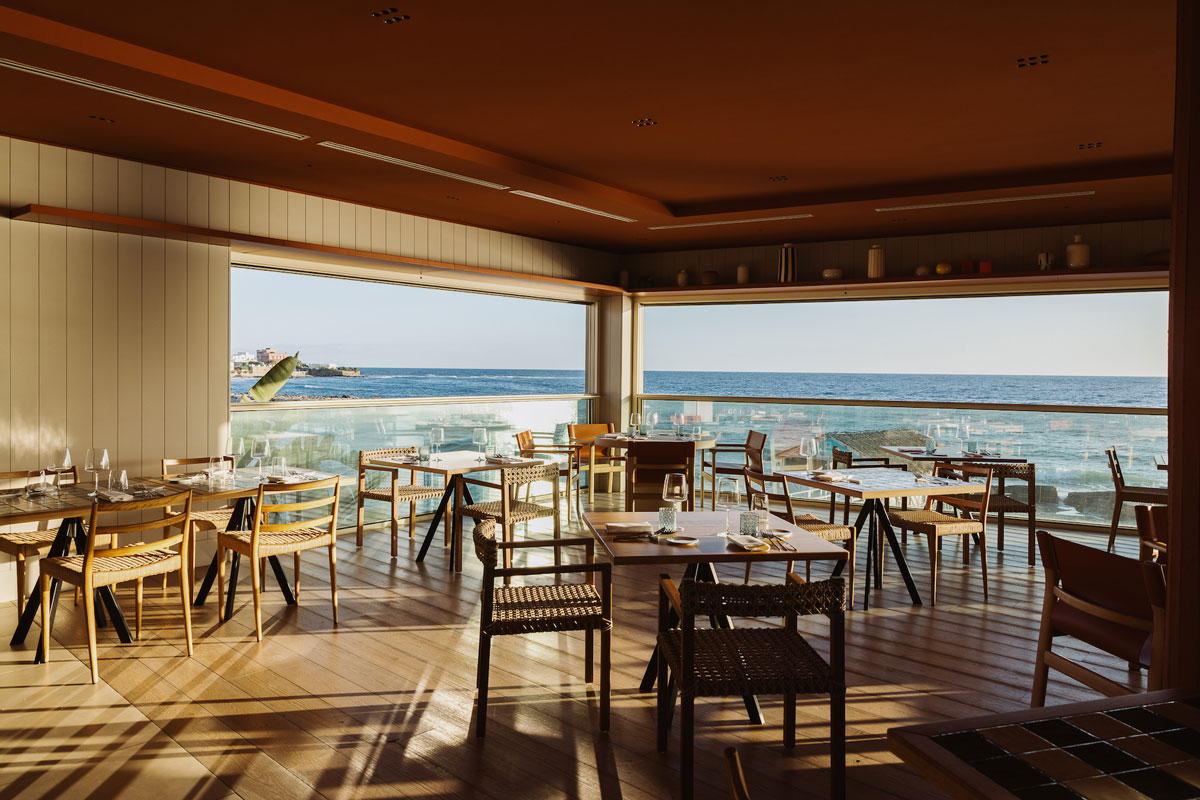
Set inside the Malibu beach club in Ladispoli, Malibu Mare e Cucina is a seaside restaurant and cocktail bar open daily from breakfast to dinner. Overlooking the water in a breezy, elegant setting, it offers a refined take on Mediterranean seafood. The menu features crudo platters, red prawn tartare, ricciola sashimi, and handmade pasta like tagliolini with sea urchin and scampi. Creative starters and beautifully plated mains are paired with a curated wine list and signature cocktails, perfect for a full-flavored experience by the sea.
Simple, genuine cooking based on locally caught fish and vegetables from the surrounding countryside. You can eat inside the hotel, on the veranda, or with your feet in the sand: excellent fried seafood, raw fish and freshly made pasta dishes. If in season, do not miss the persimmon tiramisù.
Just a few steps from Santa Severa Castle is the restaurant L’Isola del Pescatore. Here, guests are welcomed by Fabio Quartieri in a relaxed atmosphere where you can taste the amazing local produce, whether indoors or outdoors. Their antipasti are a must: many small dishes to try a bit of everything. First courses are generous and desserts fantastic. If you want to eat by the castle and be looked after by a knowledgeable team, this is the place for you.
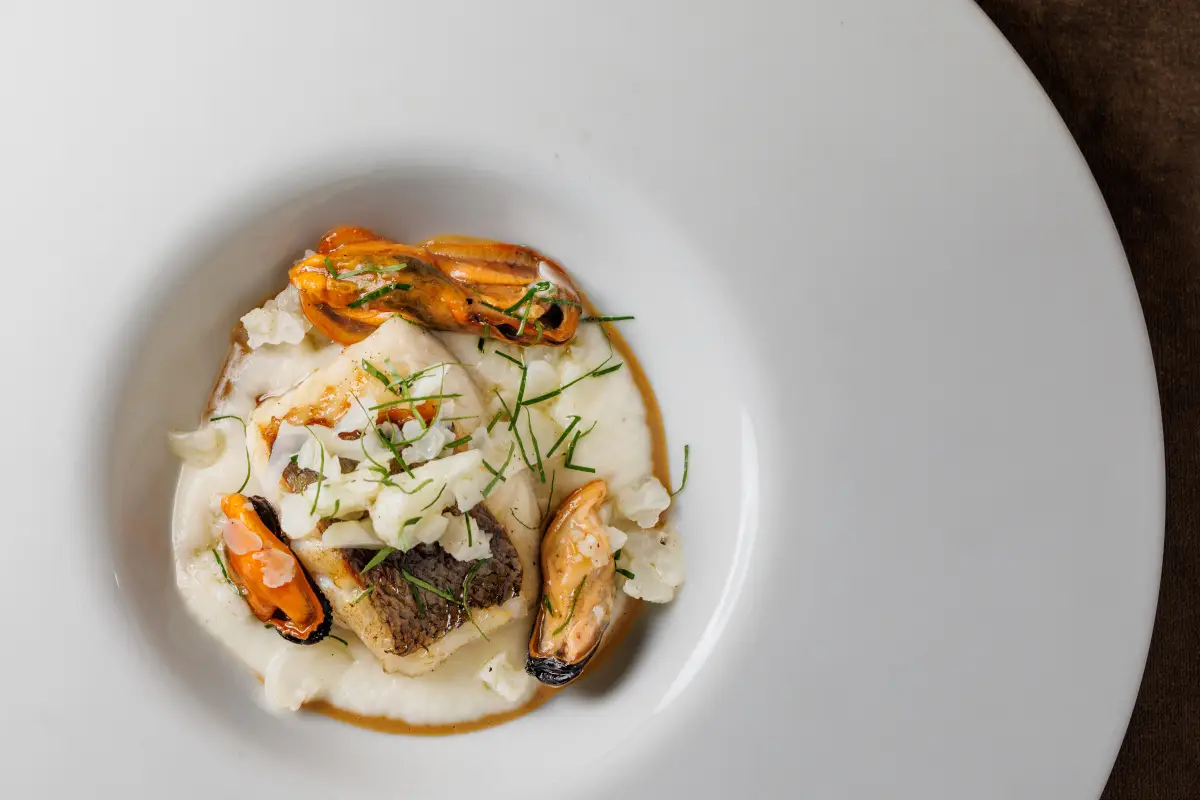
One Michelin star and much more for Pascucci al Porticciolo, the restaurant of Gianfranco Pascucci and Vanessa Melis. Him in the kitchen, her front of house: in an ethereal, elegant and sea-inspired setting, the cooking is anything but conventional. Locally caught fish and the salt-marsh herbs of Fiumicino take centre stage, with touches drawn from game and the East. The menu changes constantly and can be explored through several tasting menus.
On the upper floor of Nautilus Marina is Il Tino, Lele Usai’s one-Michelin-star restaurant. A single dining room, very few covers, round tables and a romantic yet elegant atmosphere. At the open kitchen, the chef works with locally caught fish, elevating it through contemporary techniques and pairings: the iodine garden, smoked scampi and vanilla risotto, the Bouillabaisse as a tribute to Gérald Passédat. Two tasting menus to choose from, with an optional wine pairing.
Lele Usai moves between fine dining and neighbourhood trattoria: on the ground floor of Nautilus Marina sits his bistrot. In a bright, spacious setting, the cooking is direct, gutsy and changes day by day: raw seafood and spaghetti with wedge clams, Thai-style mussels sauté, smoked mackerel with mixed leaves and hard-boiled eggs. The pink prawn cream risotto is excellent, as is the mixed fried fish. Service is very informal and quick.
Osteria dell’Orologio is a small yet vibrant restaurant, where Chef Marco Claroni creates wonderful and innovative dishes using the local catch. From aged salted tuna heart to bresaola and bottarga, the cured seafood options are exceptional. The menu also includes excellent raw and cooked fish, fresh pastas, and daily specials. The desserts are also worth a try and the wine room, expertly tended by Marco’s wife Gerarda, offers a fantastic selection.
Elegant and refined, yet dynamic and easy-going. Quality cooking with a wide choice of seafood dishes and a nod to the land, a carefully curated cocktail list and a wine selection of over 700 labels with generous space given to champagne and French wines.
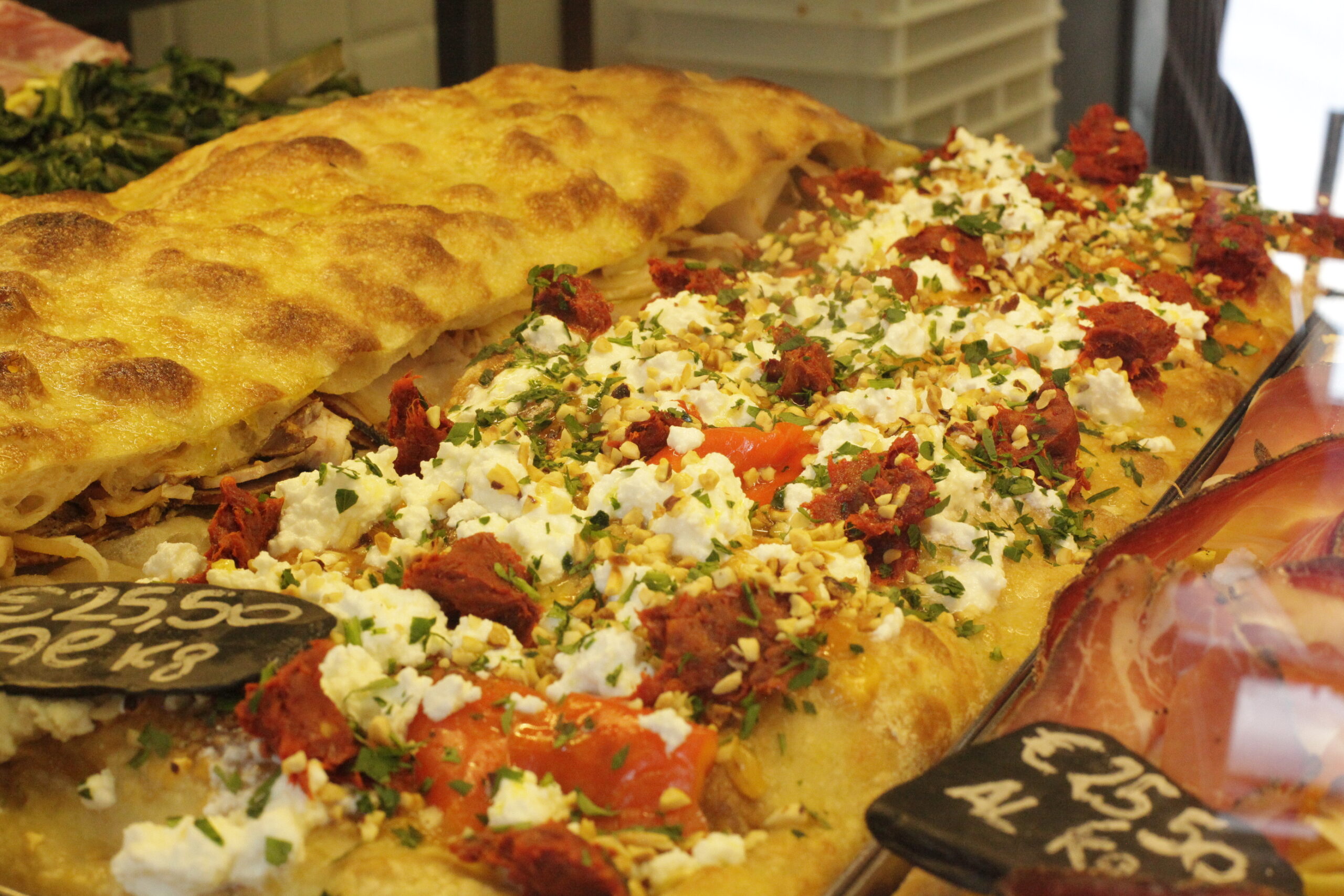
Some of the best Roman-style pizza in Lazio can be found here at Luca Pezzetta’s. Roman pizza, pizza al trancio, pizza al padellino and focaccia agricola, all topped with fish cured in-house in the walk-in ageing fridges on display. Try the Capricciosa with olive soil, tuna or amberjack prosciutto and grey mullet roe. The fried dishes are excellent too.
Alessandro Pietrini’s cooking is straightforward and sincere: fresh fish is the pride and backbone of the menu, with outstanding raw seafood, freshly made pasta dishes and juicy mains. The menu changes day by day according to the best the Fiumicino sea has to offer. Next door is La Marina Sushi Bar, with creations that blend Japan and Italy.
Ippolito
Via della Torre Clementina, 158/B – Fiumicino (RM) 392 846 1233
A contemporary osteria opened in January 2025 by Luca Pezzetta’s group, right next to the Clementina pizzeria on the canal port. Young chefs Marco Fedeli and Andrea Alberghetti propose a cuisine rooted in the territory, telling the story of Fiumicino through locally auctioned catch, vegetables from Maccarese and meat from small local farmers. The menu changes regularly: fettuccine with white octopus ragù, artichoke-stuffed cuttlefish, Roman-style braised rabbit. The name is a tribute to Sant’Ippolito, patron saint of Fiumicino.
Mare Bistrot
Via della Torre Clementina, 126 – Fiumicino (RM) 334 797 8290
A bistrot opened in spring 2024 by Gianfranco Pascucci (Michelin star), Alessandro Pietrini and Luigi Amoruso. An easy-going format for high-quality seafood cooking: a handful of tables inside with an open kitchen, a few seats outside on the waterfront. A dynamic menu built around the daily catch: sea bass carpaccio with walnuts and samphire, spaghetti aglio e olio with prawn tartare, bluefin tuna tataki. Spectacular fried seafood and excellent value for money.
Tenuta del Duca
Via Carlo del Prete s.n.c. – Fiumicino (RM) 366 238 6289
A few minutes from the airport, in a carefully restored 1930s farmhouse belonging to the Sforza Cesarini family near Lago di Traiano, Rosario Malapena and Cristina Sebastiani have opened their inn and restaurant. The Entroterra restaurant is led by chef Alessandro Lambiase, with a menu spanning sea and land: fresh fish from the Fiumicino fish auction and selected cuts from butcher Achille Cerulli. A wine cellar of over one hundred labels. Rooms available for those who wish to stay the night.
Since the 1930s, the terrace of La Vecchia Pineta restaurant has captivated Romans with its steadfast and unpretentious seafood cuisine. The menu features a trio of appetizers that include an enticing seafood salad, marinated mullet, and julienned vegetables with citrus shrimp, each honouring the local sea. To follow the appetizers, the risotto alla pescatora and the fried squid and shrimp have become over the years, key legends at the restaurant and are therefore a must-try!
And if you’re tired of fish, let there be meat! Royalbeef in Ostia breaks the mold and warmly welcomes you to indulge in delicious meat dishes in a coastal setting. Entrepreneur Giuseppe Domenico Larosa proudly presents a wide variety of meats from around the world, expertly grilled and cut at your table. The latest addition? RoyalBeef now serves pizza too, crafted by pizzaiolo Alessandro Splendori, featuring a high-quality dough and a menu worth exploring.
Osteria Landi
Via Claudio, 26/28 – Lido di Ostia (RM) 06 563 05565
In the heart of Ostia’s pedestrian island, Emanuele Landi (front of house) and chef Claudio Prossomariti (kitchen, trained at Lele Usai’s school) have created one of the best addresses on the Roman coast. A single, intimate space with a long leather sofa, counter and open kitchen. A short, essential menu built around the local catch: no vacuum-sealing or low-temperature cooking, just the grill and the pan, with homemade bread and pasta. A dynamic, artisanal wine list. Ranked first on TheFork in Lido di Ostia, with a 9.4/10 rating.
Molo21 in Santa Marinella is simple and relaxing, almost fit for meditation. It’s a restaurant facing the sea where you can enjoy light hors d’oeuvres like tuna tartare, trawl sashimi, shrimp mince, and then a traditional spaghetti alle vongole or linguine with pane, burro e alici. To start in great style, you can’t not order a selection of oysters.
Set above the sea in Santa Marinella, Il Trabucco offers a contemporary seafood experience at a historic seaside location. The menu balances raw and cooked dishes, prepared with high-quality ingredients and seasonal produce. Expect refined Mediterranean flavors – from classic recipes to contemporary reinterpretations – all served on a panoramic terrace that captures the spirit of the coast.
Lazio’s cuisine blends with that of Spanish Galicia: everything that’s freshest from local fishing boats, respecting seasonality and availability. The menu tells a family story rooted in Palermo, Ponza and northwestern Spain.
A historic seafood restaurant, fully renovated and reopened in summer 2025 under chef Anastasia Paris. The main dining room looks straight out onto the sea through large windows, while the lower level houses the more informal Terrazza Capri. The kitchen gives a contemporary spin to the day’s catch from the local port: raw, marinated, smoked and cured preparations in the “La geometria del porto” section, spaghetti alle vongole, risoni with mantis shrimp and grilled apricot, and red mullet with tuna mayonnaise. Sea-view suites are also available.
Highlighted by the Michelin Guide and awarded the Gambero Rosso 2026 Due Forchette, this small restaurant in the historic center of Nettuno surprises with its chic interiors — Carrara marble tables, soft lighting, large windows — and the creative cuisine of chef Filipe Dos Santos. A tasting menu builds an original bridge between tradition and innovation: monkfish with chocolate shavings, entrecôte with oyster and rhubarb sauce, venison glazed in chocolate with sour cherry. The cellar holds over six hundred labels between France and Italy.
Discover Roman cuisine and enjoy a delicious meal of your own creation in Rome
It’s always wonderful to be able to bring back souvenirs after a vacation. And perhaps the best souvenirs of all are intangible: the new things you have learned while away. Go home with a souvenir to last a lifetime as you spend your time in Rome learning to cook fine Italian cuisine in one of these unique cooking classes, or embark on a food tour to savor unique Roman foods.
1. Private Campo de’ Fiori Market Tour & Cooking Class in Rome
€115
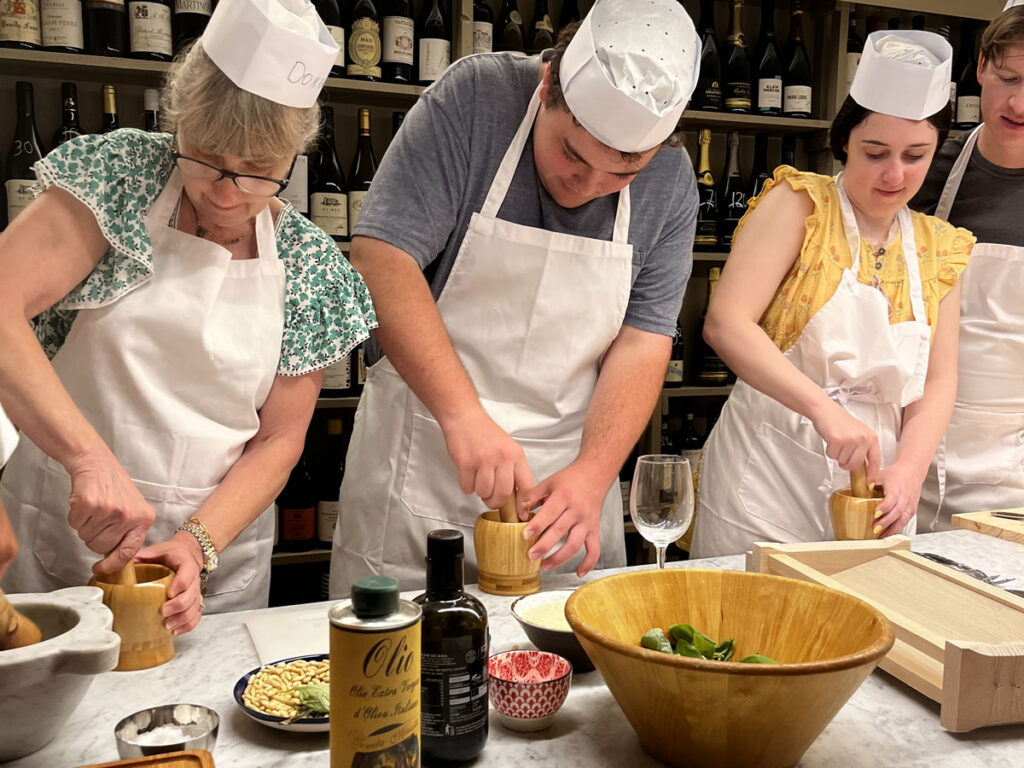
Explore Campo de’ Fiori market with a private English-speaking chef, then learn to make fresh pasta, ravioli and tiramisù. Finish the experience with a full meal, wine and limoncello in an exclusive cellar setting.
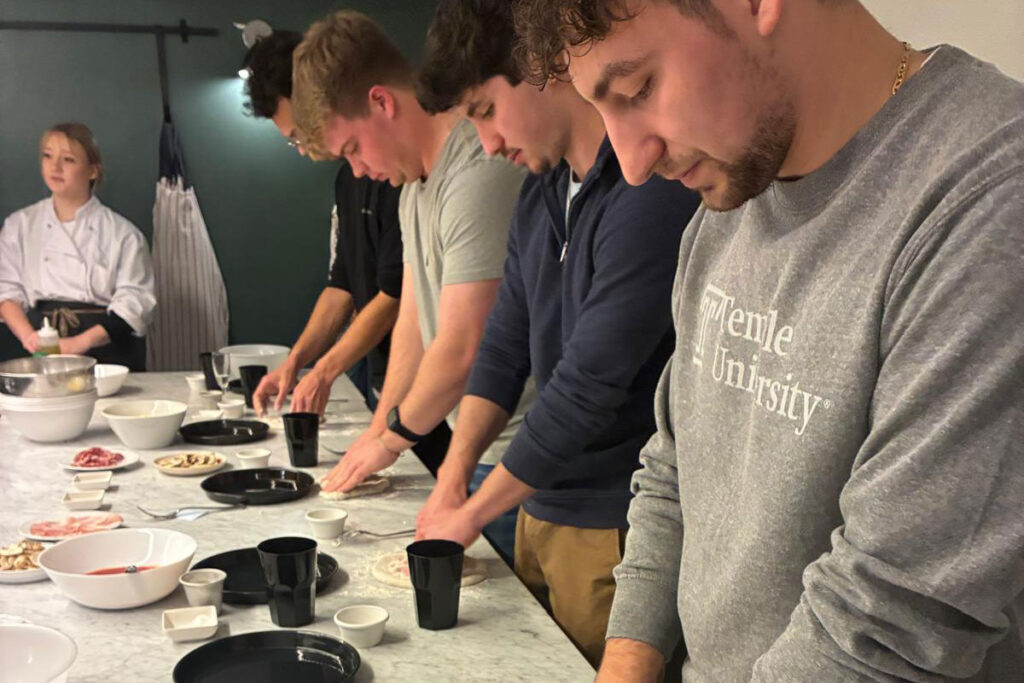
Learn how to make authentic Italian pizza and traditional tiramisù in a hands-on cooking class in the heart of Rome. Prepare your own dough, choose your toppings, and enjoy your creations with bruschetta and drinks.
3. Fettuccine, Ravioli and Tiramisù Cooking Class in Rome
€70
Discover the secrets of Italian cooking as you prepare fresh fettuccine, ricotta-filled ravioli and homemade tiramisù from scratch. At the end, sit down and enjoy your meal with wine, limoncello or espresso.
This food tour takes place in the foodie neighborhood of Rome close to Vatican City. Your introduction to Italian cuisine begins with a freshly made cannolo while sipping on a cappuccino. Next enjoy the best pizza in Rome at the legendary Pizzarium, try cheeses and cured meats, truffles, aged balsamic vinegars, olive oils and other treats and visit the Trionfale market, with its captivating characters, colors and sounds. Daily toppings are impossible to predict, but expect to find the highest quality, in season produce. Following the market, savor two types of homemade pasta from a locally loved family owned restaurant. D.O.C.G Vermentino wine is offered. The tour ends at an artisanal gelateria called Fatamorgana.
5. Pasta and Tiramisu Making Class in a Family Owned Roman restaurant
€90
This experience incorporates both a cooking class in Rome, to learn the secrets of authentic Italian cuisine in a locally loved Roman restaurant, as well as a visit to one of the cities most popular gourmet food shops for delicious tastings. Learn the art of crafting traditional dishes like handmade pasta and creamy tiramisu, and culminate your experience by savoring your creations in the dining area
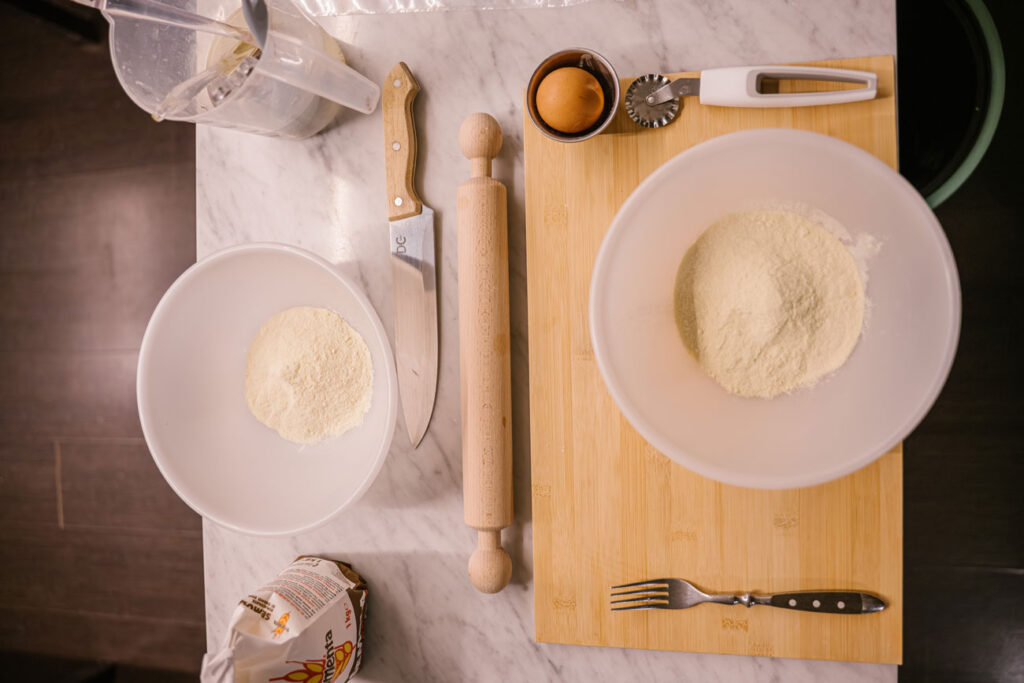
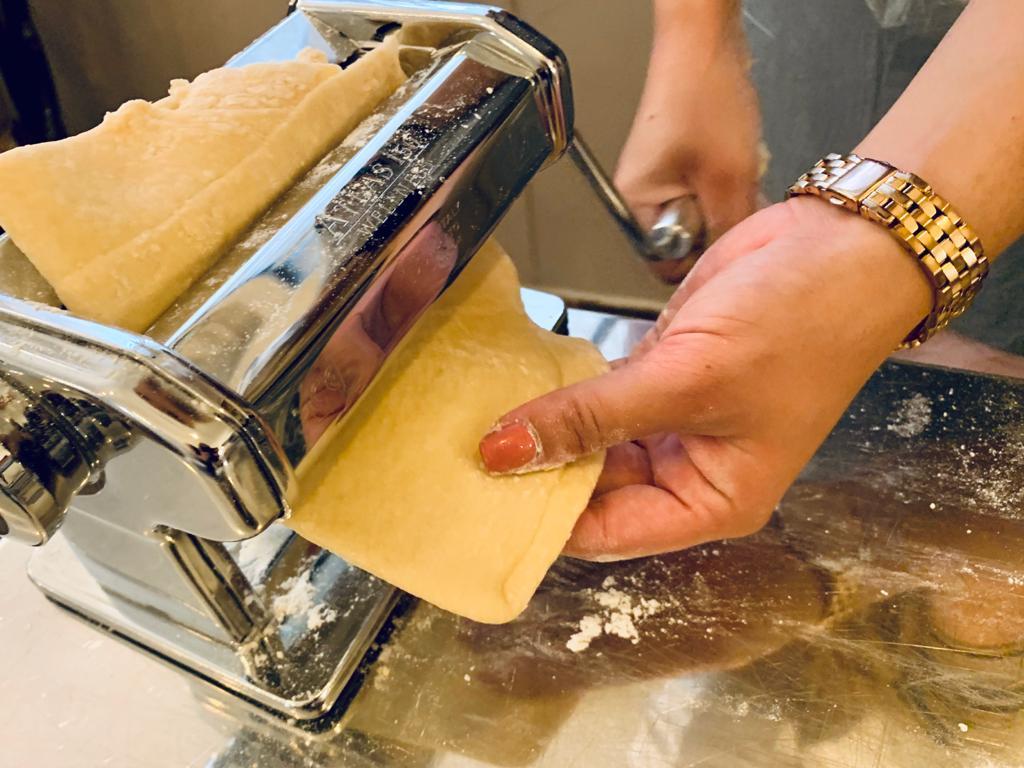
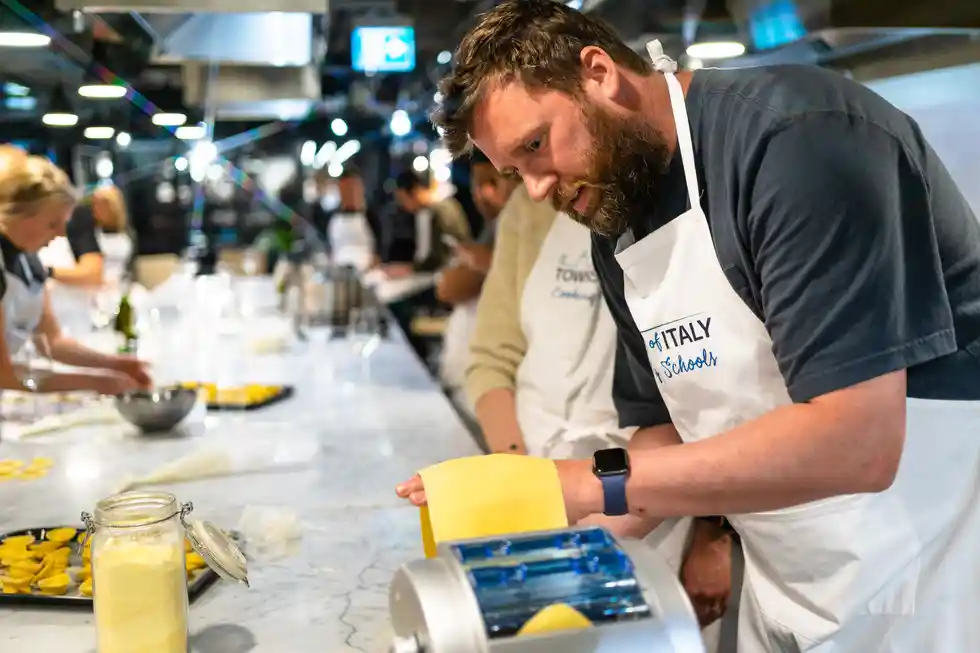
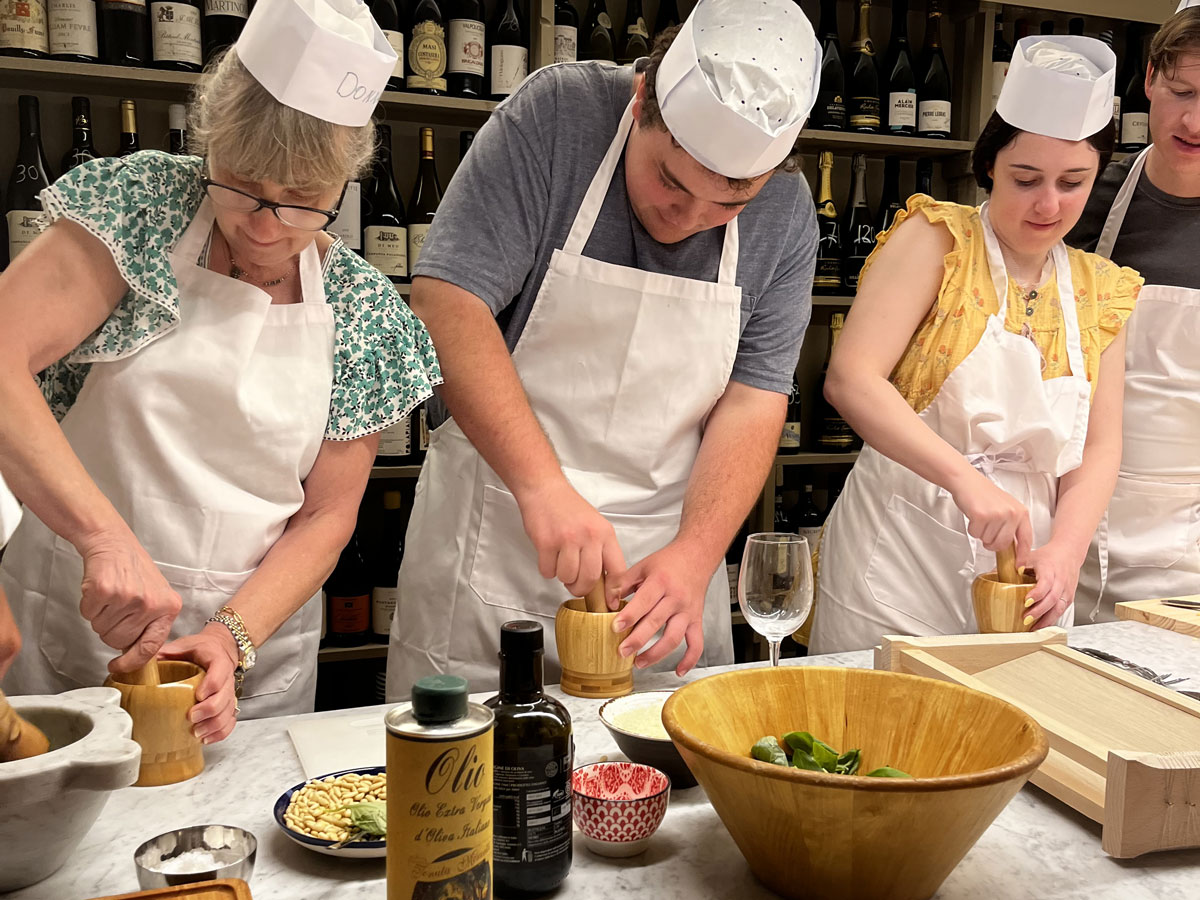
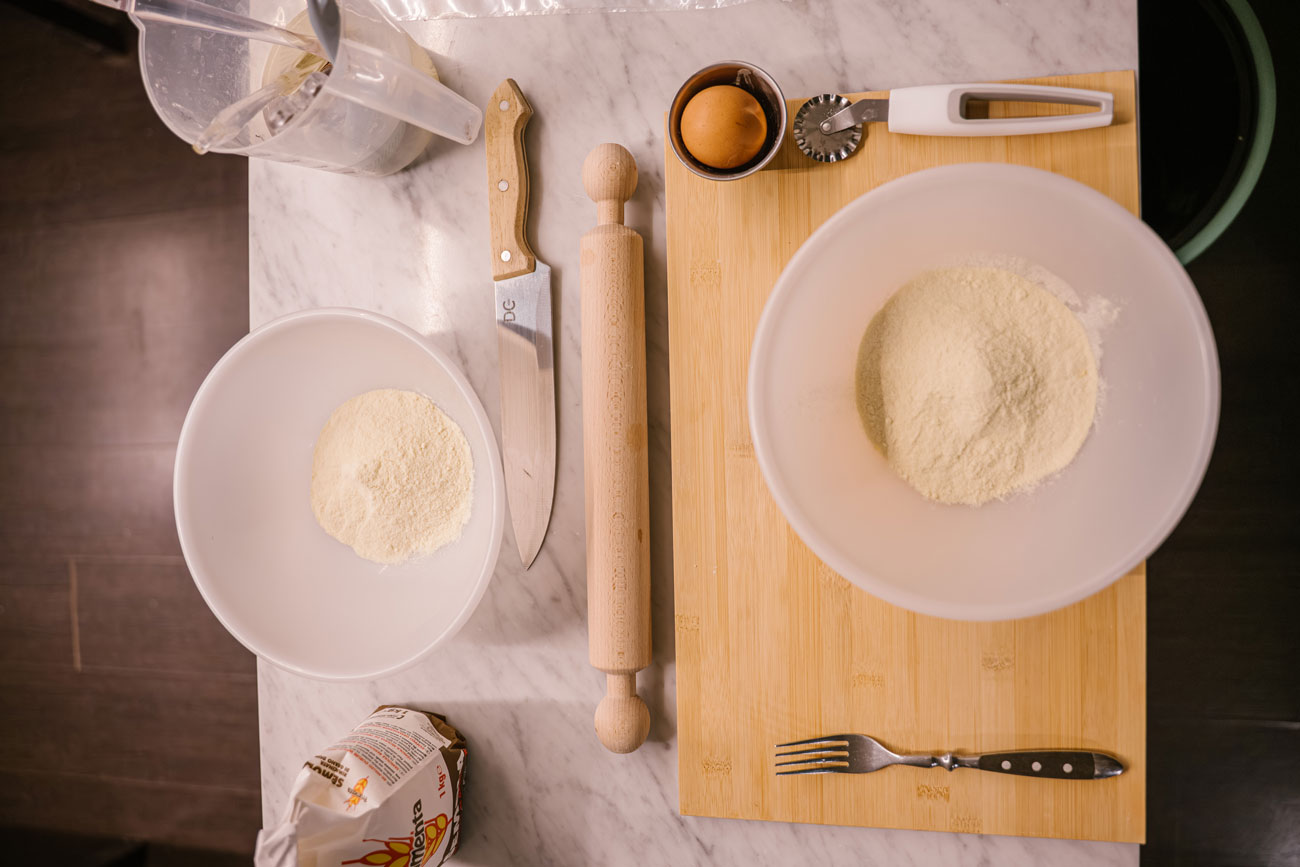
Join a fun and hands-on cooking experience in the heart of Italy and learn how to make one of its most iconic dishes: pasta! Guided by our professional chefs, you’ll prepare a rich egg-based pasta dough and use it to create two traditional pasta shapes, each paired with a fresh, seasonal sauce. Along the way, you’ll pick up expert tips and techniques to easily recreate everything at home.
While the pasta dough rests, dive into the sweet side of Italian cuisine with a gelato-making demonstration. Discover the history, authentic ingredients, and methods behind this beloved dessert, plus insider advice on how to spot the best gelaterie during your travels in Italy.
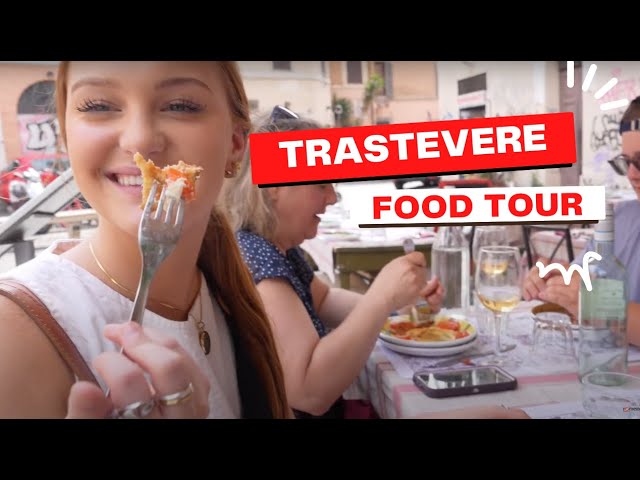
With Rome’s Trastevere Food Tour you will visit 4 locally loved venues for over 20 delicious tastings, while admiring the beautiful architecture, cobblestone streets and ivy-coated buildings. Tastings include 30 year aged balsamic vinegar, truffles, cheese, hams, D.O.C.G wine, pizza, homemade pasta, gelato and more.
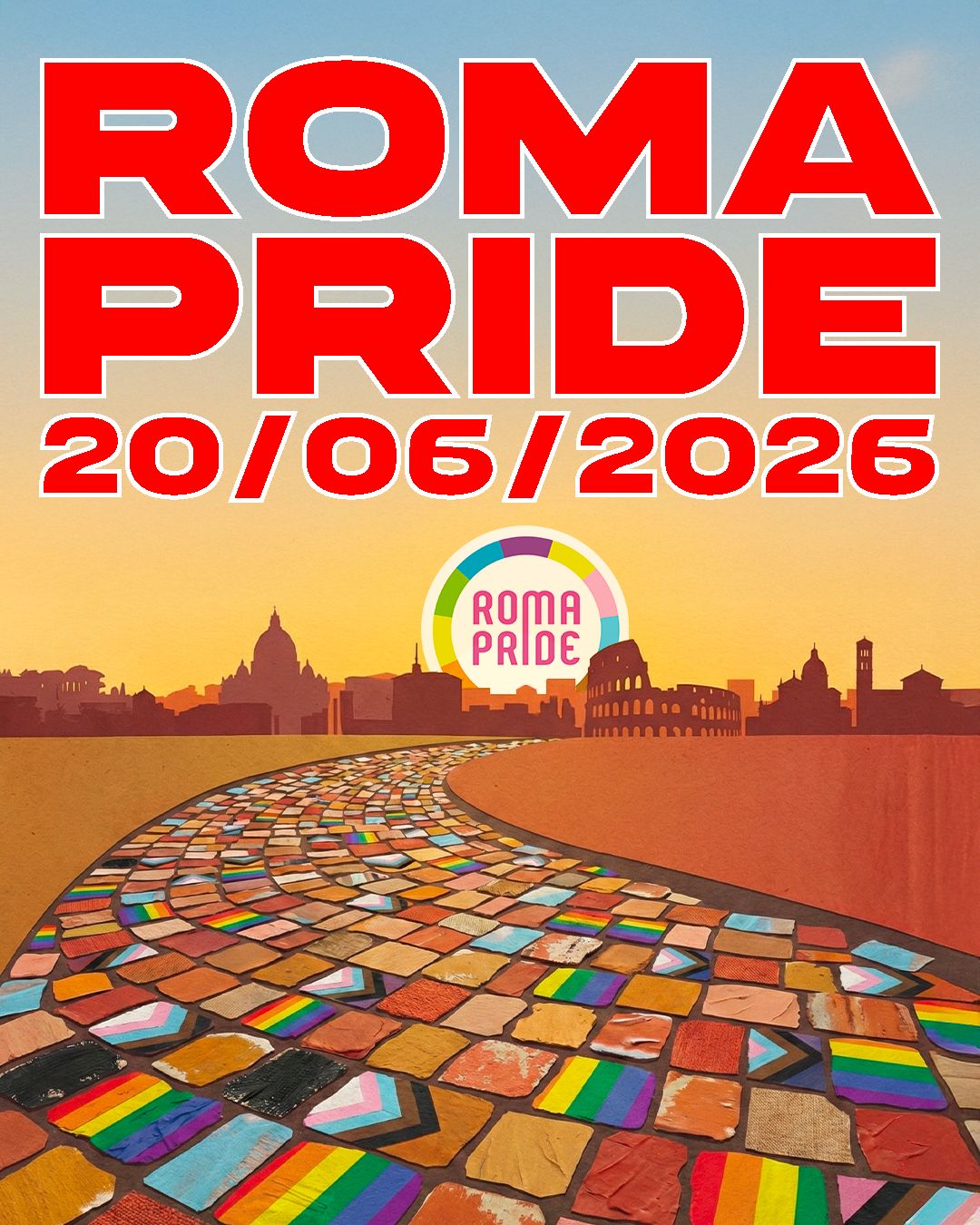
Rome celebrates LGBTQ+ rights on Saturday 20 June 2026.
On 20 June 2026, Rome will celebrate the 32nd edition of Roma Pride with a vibrant demonstration of visibility, rights and LGBTQIA+ pride. As it has for more than three decades, the city will come alive with a colourful parade featuring floats, music and dancers.
The theme of Roma Pride 2026 is expressed through the slogan “La Repubblica è di chi la abita” — “The Republic belongs to those who live in it.”
Marking the 80th anniversary of the Italian Republic, this year’s edition draws inspiration from the values of the Constitution: freedom, equality, dignity and self-determination. The message underlines that citizenship and fundamental rights must belong to everyone, including LGBTQIA+ people, without discrimination or exclusion.
The official campaign also highlights the need to defend LGBTQIA+ rights at a time when communities in Italy and abroad continue to face marginalisation, violence and attacks on trans and non-binary identities.
The official ambassadors of Roma Pride 2026 are singers Levante, Francesca Michielin and Margherita Vicario, three artists joining the event as allies of the LGBTQIA+ community.
The Pride Croisette opens its doors from 11:30 a.m., kicking off a packed programme of events that will lead the city towards the Roma Pride Grand Parade.
The parade will kick off at 3pm from Piazza della Repubblica, winding its way through the city and past iconic landmarks such as the Colosseum. The festivities will conclude at Viale delle Terme di Caracalla (Pride Croisette).
The celebrations will begin on Friday, 19 June with Amiche del Roma Pride, a special concert at Atlantico Live opening the Roma Pride weekend. The evening will bring together Levante, Francesca Michielin, Margherita Vicario, Sarah Toscano, Malika Ayane and Ariete for a collective celebration of music, freedom, visibility and LGBTQIA+ rights. The concert starts at 9pm, on the eve of the main parade.
The Pride Croisette
In the weeks leading up to the parade, the Pride Croisette returns to the Baths of Caracalla from 28 May to 20 June 2026. Now in its tenth edition, the free festival brings together live music, performances, comedy, talks, political debates, nightlife and community events in one of Rome’s most atmospheric summer settings.
This year’s programme features artists, activists and personalities including BigMama, Federica Cacciola, Fabio Canino, Serena Bortone, Marco Bianchi, Pierluca Mariti, Chiara Galeazzi, Karma B and many others. Roma Pride ambassador Margherita Vicario officially opens the Croisette with a special live performance.
When it comes to navigating the city like a local, Rome is such a popular destination that it can be a challenge to wade through the sea of books, blogs, websites, and magazines to truly find the best advice. But what could be easier than pulling out your phone? With these 16 apps, you can explore the city’s food culture, brush up on your history, learn Italian, find a doctor and more. It’s like having an expert on all the best things to do in Rome right in your pocket!
Before downloading all the apps you’ll need in Rome, make sure you can actually stay connected. Holafly offers travel eSIMs that let you use mobile data as soon as you arrive in Italy, without searching for a local SIM card.
BEST APPS TO LEARN ITALIAN
BABBEL
Starting with zero Italian, I tried Babbel and found it welcoming. During setup it asks how much time you can spend, your level, and whether you want reminders; you can also set weekly goals, so it fits your schedule. Lessons start with simple quizzes that teach common words while showing spelling and pronunciation in real time. It builds confidence quickly. The app will advance your basic language understanding quickly, but the free trial only gives access to one lesson, after that it is subscription based.
DUOLINGUO
Language doesn’t have to be a barrier, and when in Italy it most definitely shouldn’t be. Food, drink and destinations should be at the top of your Italian language list. Duolingo is the ultimate app to start learning some basic Italian before and during your trip to Italy. Each mini-lesson takes you through a language or grammar skill using pictures, short translations, listening activities and more to help you brush up on your Italian basics or solidify key language concepts all in a fun and easy to use format. Armed with the basics, you’ll have a lot of fun testing out your skills with the locals. Brava!
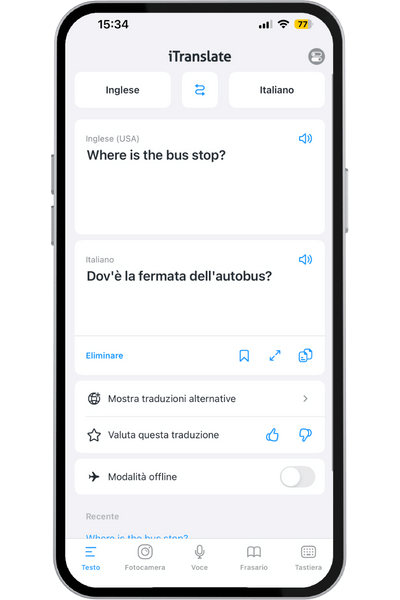
ITRANSLATE
There are some words in Italian you simply don’t want to botch, whether it’s in spelling, meaning, or pronunciation. Like penne. Take our word for it. Enter iTranslate. This leading dictionary and translation app allows you to start voice-to-voice conversations in over 100 languages. The app also provides verb conjugations in different tenses, and can detect different dialects. You are bound to impress yourself when using this app abroad. They offer a 7-day free trial and then charge you € 9,99 weekly or € 99,99 / year.
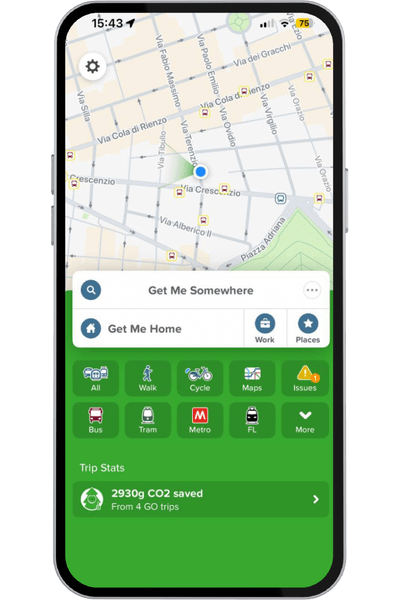
If you can brave the public transportation system in Rome, power to you. But do it right. CityMapper provides users with the fastest routes, latest updated times, real-time locations, and the distances from metro/bus stops. The app also features the carsharing capability which enables users to check out available cars, scooters, and also cabs nearby. The “issues” section lets you know of any problems occurring on your route in real time, like traffic, strikes, a closed metro station. CityMapper can also remember your recent and frequent trips so you don’t have to!
FREE NOW
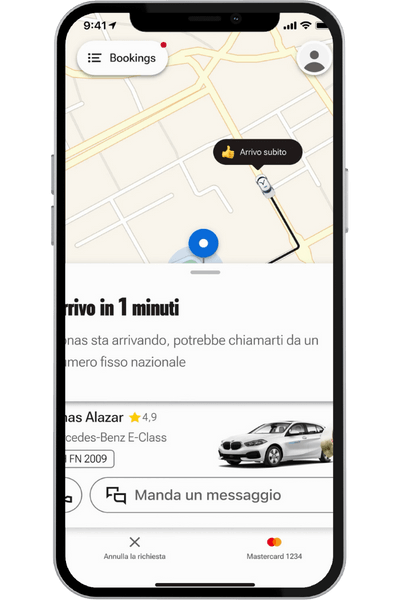
Your closest bet to an Uber experience is this trending app. FREE NOW, formerly My Taxi, has been around since 2015 and is arguably the most efficient way to get around using Rome’s competitive taxi services. Order your taxi in two taps, track your driver in real time, pay cashless, and take advantage of this app when continuing to move around Europe. It also allows you to pre-order service in advance. You can save your favorite drivers (pick up on that last in-depth convo) and…Heading to the airport at the end of the week? Try their pick-up and drop-off service on demand.
URBI
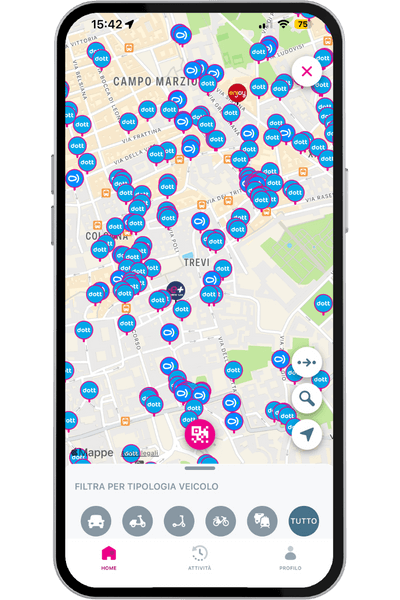
Urbi is the best solution to the multitude of car sharing, scooter sharing, bike sharing, and cab opportunities in Rome. They work with Enjoy, ShareNow, Cooltra, Dott, and more companies. By allowing the app to see your location, Urbi shows you all the available vehicles nearby that you can reserve at any given moment. Say goodbye to opening a dozen different apps to check what is closest or cheapest, Urbi takes care of that for you! You do need to have an account for the apps that you want to reserve a vehicle with, but Urbi merges everything into one map which allows you to take faster decisions!
PROBUS
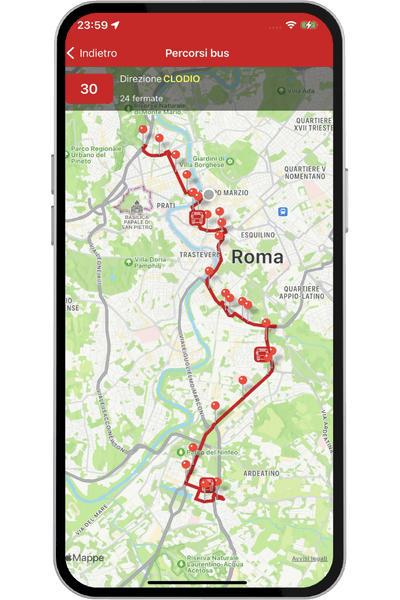
Probus (Probus Rome) is a lightweight, no-frills transit app that nails the essentials: live bus and tram arrivals, nearby stops, route maps, simple trip planning, and service alerts for Rome. It’s fast, lets you save favorite stops, and surfaces updates when routes change. Because it relies on official data, accuracy is generally solid. Available on iOS and Android, it’s a dependable everyday companion for getting around the capital.
MOONEYGO
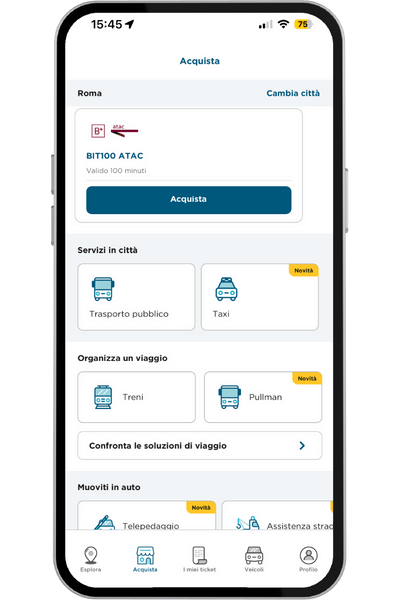
MooneyGo is one of Italy’s most complete mobility apps: you can buy Rome’s ATAC tickets and passes, pay for street parking, and handle everyday travel in one place. Beyond Rome, it covers 140+ transport operators across Italy and includes route planning plus train/bus ticketing. It also offers extras like electronic tolling (e-toll) and roadside assistance, which makes it handy for drivers. Availability varies by city because services depend on local partners, but for visitors and residents in Rome it works smoothly for tickets, validation, and parking.
ESSENTIAL APPS
MEDINACTION
When you’re traveling or living abroad, the last thing you want to worry about is tracking down an English-speaking doctor when you’re sick. MedInAction is a medical service that will deliver a qualified doctor right to your doorstep 24 hours a day. Choose where and when you want the doctor to come. You can also book a video consultation with a a doctor. This app revives the tradition of Italian doctors making house calls, except it’s faster, more modern, customized, and all right at your fingertips!
ACQUEA
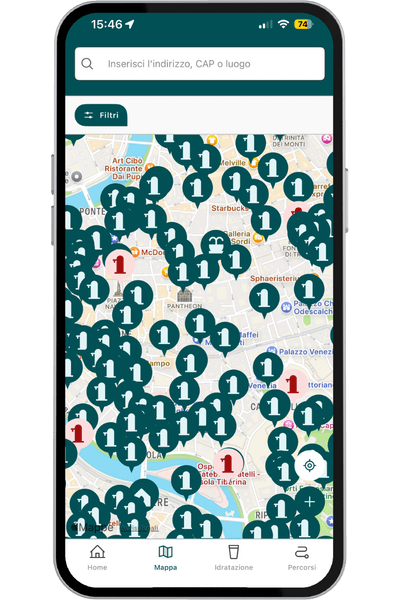
Acquea is a handy, eco-minded app for finding free drinking water across Rome. It maps 150,000+ fountains and water points (including nasoni and water houses), shows you the nearest one with directions, and lists water-quality info where available. Recent updates add curated routes and a simple hydration tracker, and the app is available in English, Italian, and Spanish. Coverage is strongest in Rome and central Italy, and while a few users note occasional glitches, overall it’s cleanly designed, free, and great if you carry a refillable bottle.
BEST APPS FOR FOOD LOVERS
DELIVEROO
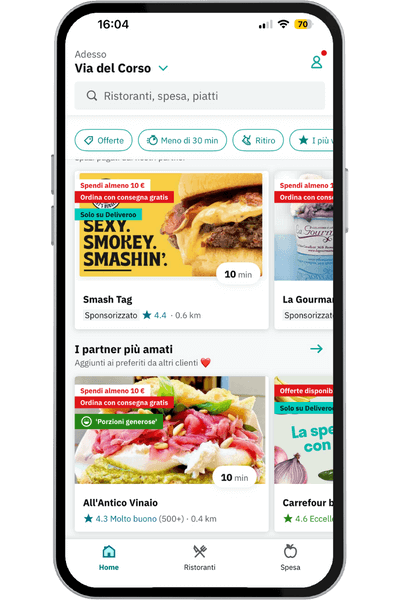
If you could dine out in Rome every night, the Italian economy would applaud, and your palate would be forever changed. But it’s not always practical. Enter Deliveroo, the food delivery app that brings premium cuisine to your Roman abode on demand. With a sleek interface, curated foodie locales, and frequent offers, it makes eating in feel like dining out. Postcode-friendly, diet-conscious, and easy to use, it delivers all the perks of takeaway without the hassle.
TOO GOOD TO GO
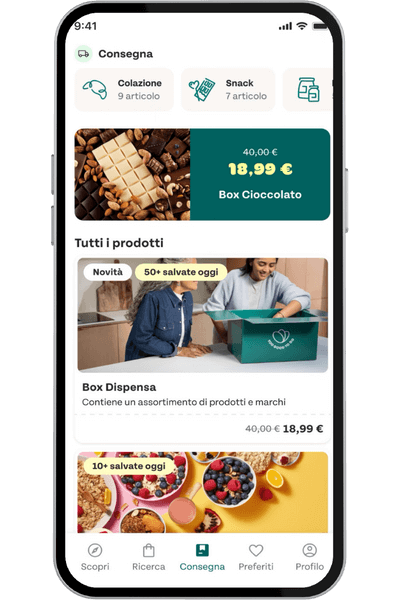
So much food goes to waste every day because of over-production. Too Good To Go alerts you of any food shops, cafes, or restaurants nearby that have a surplus of produce they can no longer sell the next day. You can reserve a box full of goodies for a very discounted price, usually around €5. All you have to do is go pick it up at the time the app tells you. You are helping the environment by helping consuming extra food that would be otherwise thrown in the trash, and also eating full meals for unimaginable prices. Be a part of the change!
THE FORK
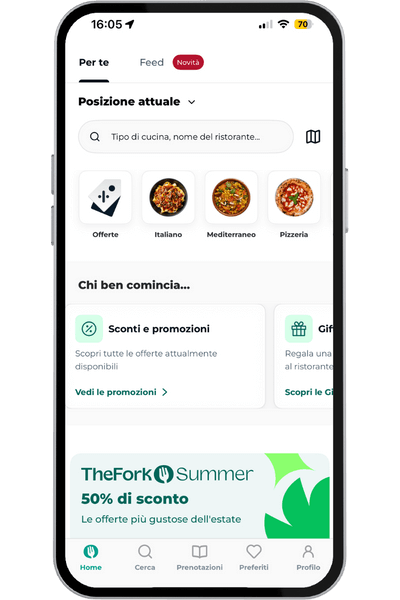
It can be overwhelming looking for somewhere to eat in Rome, because the options are limitless. Forget all that time wasted looking for recommendations online, and start using TheFork. What’s great about this App is that it recommends places to eat with photos taken by other people who’ve enjoyed the food themselves. Yes, please! This is a fantastic new approach that makes a foodie hunt fun, visual and full of discovery. The app also provides menus for every restaurant, lets you reserve a table, and also enjoy great discounts on the bill! The more you reserve, the more Yums points you gain, the more discounts you get. Now you can find great food quickly and pay less, what are you waiting for?
CITY GUIDES
UNEXPECTED.IT ROME
UNEXPECTED.IT ROME is a city-backed walking-guide app that takes you beyond the usual landmarks. Its seven curated routes blend street art, biodiversity, and archaeology across lesser-known districts and parks—think Quadraro’s murals, Tor Marancia, the Caffarella and Aqueducts Park. Clear maps and focused storytelling encourage slow, sustainable exploration while easing pressure on overcrowded sights. Ideal for curious first-timers and repeat visitors alike. The catalog is intentionally limited (seven itineraries) but well researched and growing.
TIME TRAVEL ROME
History and archeology lovers, this one’s for you. If you’re looking for Roman works in Europe, the Middle East, or North Africa you might no longer need a tour guide. TimeTravelRome app offers original content for >5000 ancient sites and monuments, 300 ancient texts and 10.000 photos. In addition to that, the new version displays on the map all ancient Roman roads, traced by academics from the AWMC and Mercator-E research centers – these new functions are free to all users. TimeTravelRome’s rich content and its unique features, which include 300 ancient texts and Roman roads maps, make it the ultimate ancient history app dedicated to the Ancient Roman Empire.
VIRTUAL ASSISTANT
JULIA – YOUR ROMA PERSONAL ASSISTANT
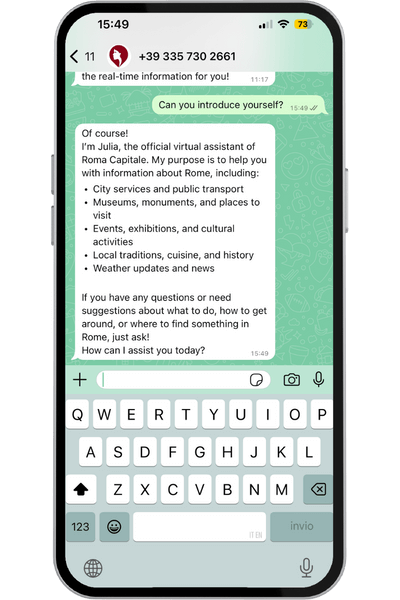
JULIA (Rome’s virtual assistant) is a city-backed, always-on chat assistant that helps you explore and live Rome more easily. It answers in real time with certified, official information on transport, events, museums, places to eat and stay, public services (water fountains, toilets), Jubilee updates, and even health info (ER waits, pharmacies). It supports 80+ languages, works 24/7, and can tailor answers to your location for nearby tips. In short: a reliable, lightweight companion for visitors and residents—without installing anything. You can access Julia via WhatsApp (+39 335 730 2661), Telegram, Messenger, and web chat.
With warm weather around the corner, summer 2026 is looking fun. If you’re traveling through Italy and are looking to spruce up your holiday with some good music, look no further: we got you covered with a great selection of Italy’s best summer festivals!
Mi Ami Festival
INDIE / POP Idroscalo, Milan 21 – 24 May
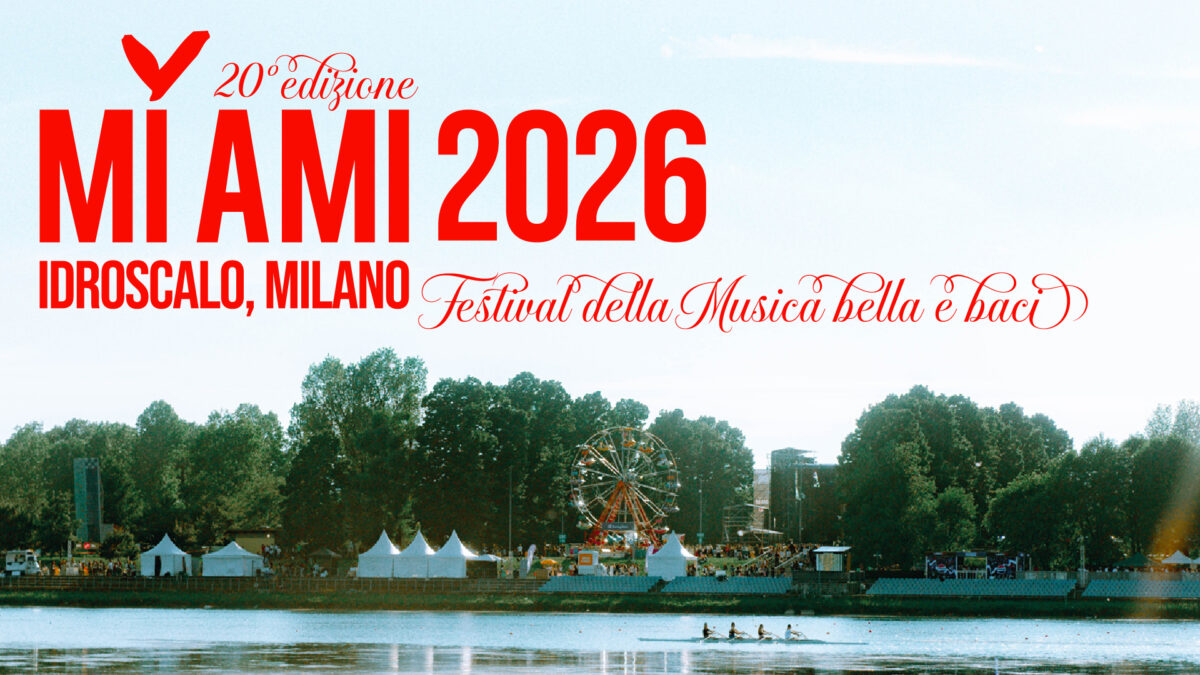
Back for its 20th edition, Mi Ami is a renown festival that has been rocking out since 1997. Dedicated to discovering new talents and giving up and coming artists the chance to get up on stage, Mi Ami has become a favorite among italian festivals. Only showcasing italian artists, the festival is a go-to event if you’re looking to have fun and explore the italian indie scene! This edition’s artists include Nu Genea, Cosmo, Motta, Maria Antonietta, La Nina, and more.
Nameless Music Festival
EDM – Electronic Dance Music Lake Como 30-31 May; 1 June
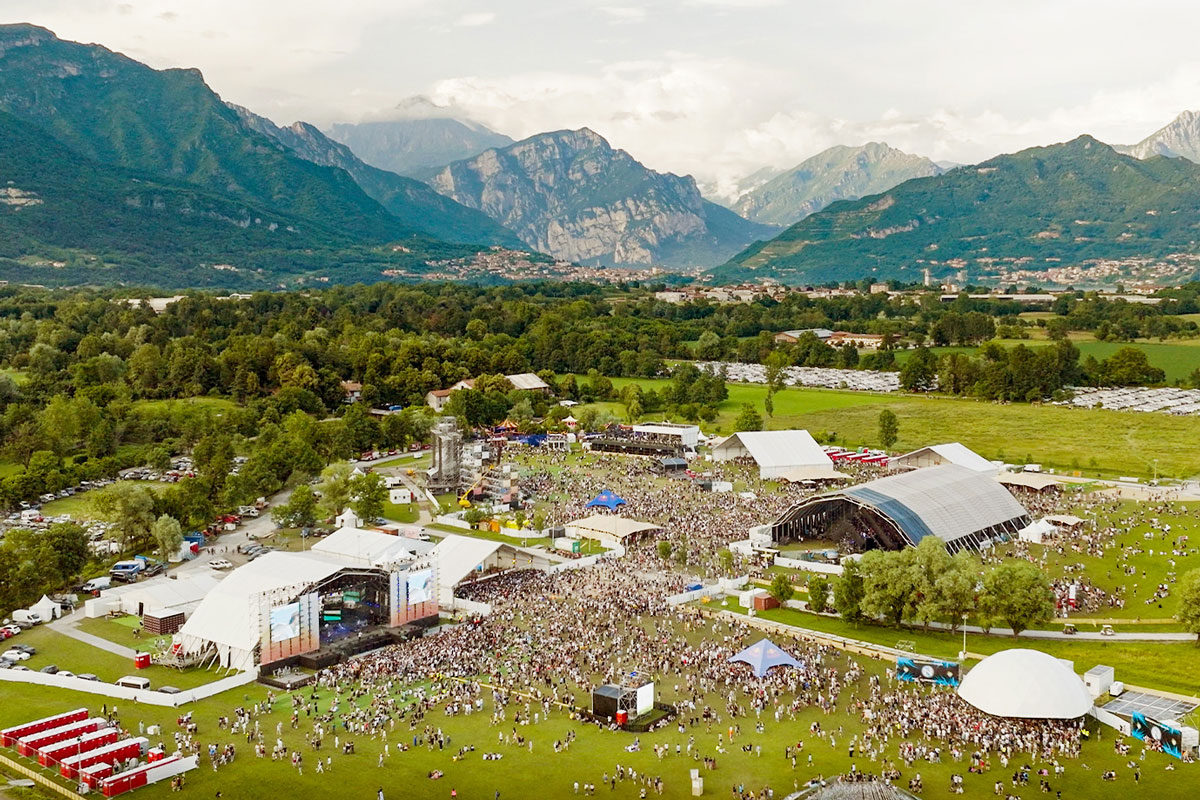
If you haven’t had the chance to experience an EDM event, let alone three whole days of it, Nameless Festival is definitely a good place to start. Full of energy and beat, EDM is a genre that will have you dancing the whole time. Nameless is a long awaited festival by both locals, and the international crowd. Easily reachable from Milan, the festival is also a great excuse to visit Lecco and its surrounding cities. With names like Calvin Harris, John Summit, Fisher, Clara and Sarah Toscano, you won’t want to miss out.
Idays Coca Cola
INDIE / ROCK Ippodromo Snai San Siro e La Maura, Milan 25 June – 10 September
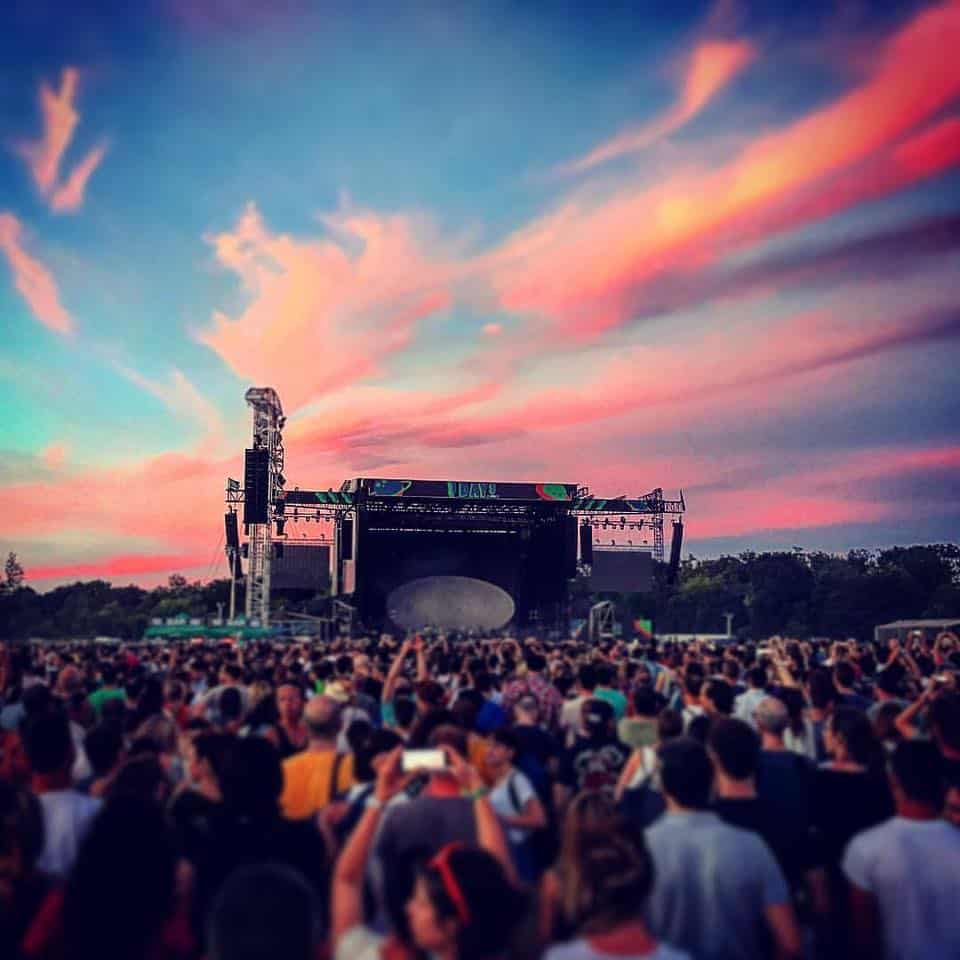
Rock your summer away at the IDays festival in Milan! A compilation of bands that make this event a must. Don’t miss out on Maroon Five on June 25th, Florence + The Machine on July 3rd, Foo Fighters on July 5th, Linkin Park on June 24th, System of a Down on July 6th, and David Guetta on September 6th.
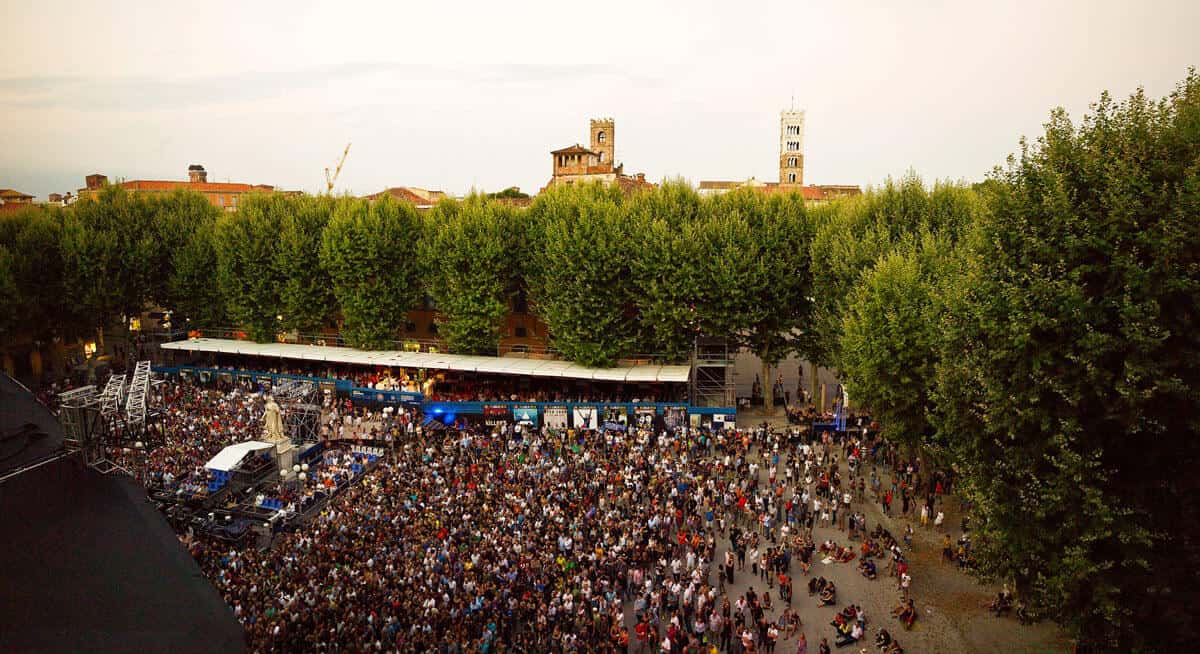
ROCK / POP Piazza Napoleone & Mura Storiche, Lucca 24 June – 29 July
A festival that always leaves audiences astonished at its line-up, the Lucca Summer Festival is a great add-on to your Tuscan getaway. The 2026 edition brings another strong mix of international stars and major Italian names, with highlights including David Byrne on June 25, Jamiroquai on July 4, John Legend on July 5, Alabama Shakes with Matt Berninger on July 7, Diana Krall on July 14, Katy Perry on July 19, Riccardo Muti on July 20, and Tom Jones on July 28. With plenty of other big names on Lucca’s roster, you’re definitely going to want to stop over for a night or two.
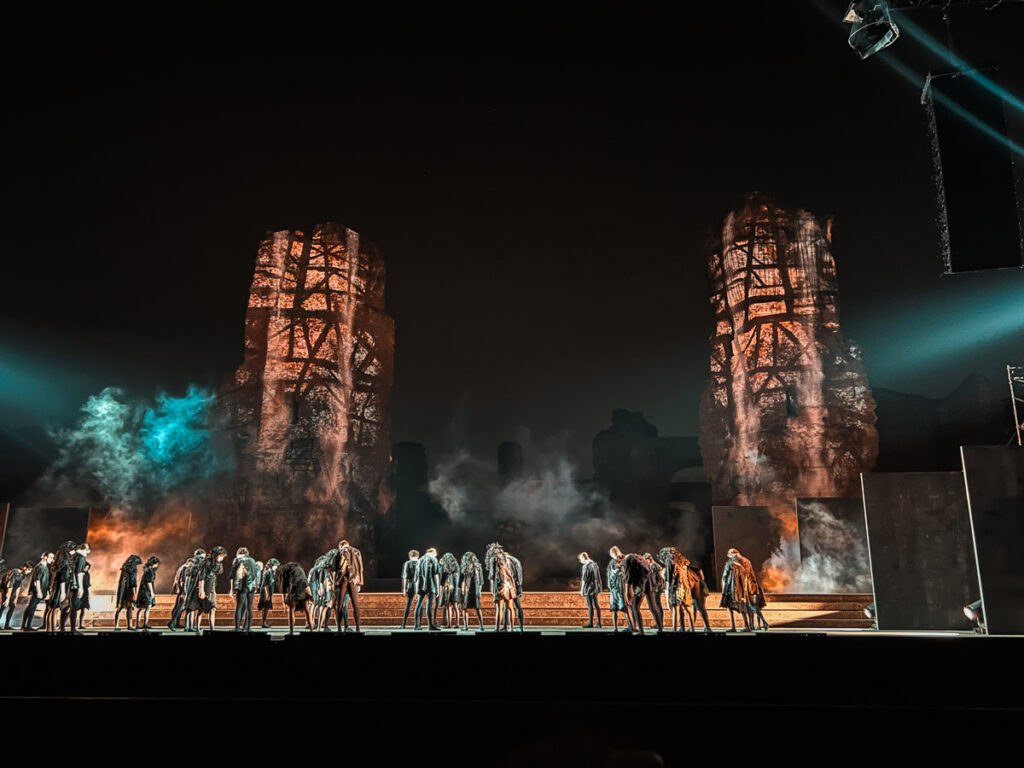
CLASSICAL / POP / JAZZ Circo Massimo, Rome 29 June – 31 July
Also this year, the Caracalla Summer Festival is set to be one of the must-see events for lovers of art and live performance. Hosted by the Teatro dell’Opera di Roma, the festival celebrates music, dance, and mostly classical genre-based entertainment. For this edition, the festival changes setting: no longer held at the historic Baths of Caracalla, currently under restoration, it will instead take place in the extraordinary setting of the Circus Maximus, one of the city’s most iconic landmarks.
Whether you choose to see Giuseppe Verdi’s Aida, Romeo and Juliet set to music by Sergei Prokofiev and performed by the Rome Opera Ballet, the world-renowned Roberto Bolle and Friends, a special screening of Gladiator in concert, or major artists such as Riccardo Cocciante, Edoardo Bennato, and Patti Smith, all you have to do is sit back and enjoy the show.
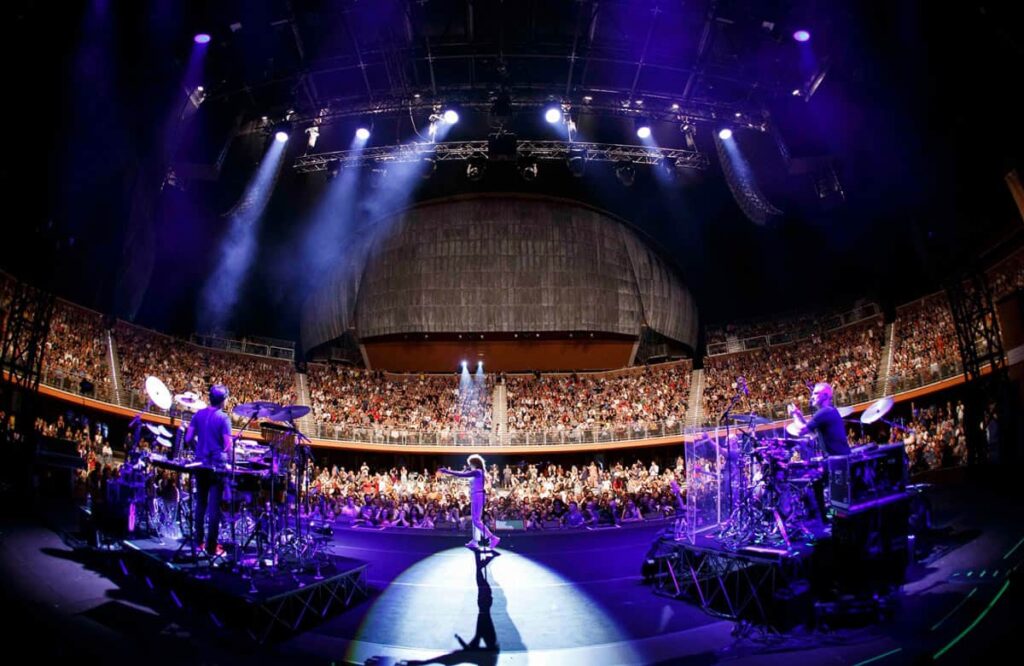
ROCK / POP Cavea of Auditorium Parco Della Musica, Rome 5 June – 20 September
Starting June 12th and following through till September 15th, the Roma Summer Fest is held at the Auditorium Parco della Musica’s Cavea. A venue Romans are familiar with, if you’re visiting the Eternal City this summer, definitely consider stopping by for some good music. Some suggestions? John Legend on July 2nd, Anastasia on July 6th, Diana Krall on July 15th, and Jacob Collier on July 18th.
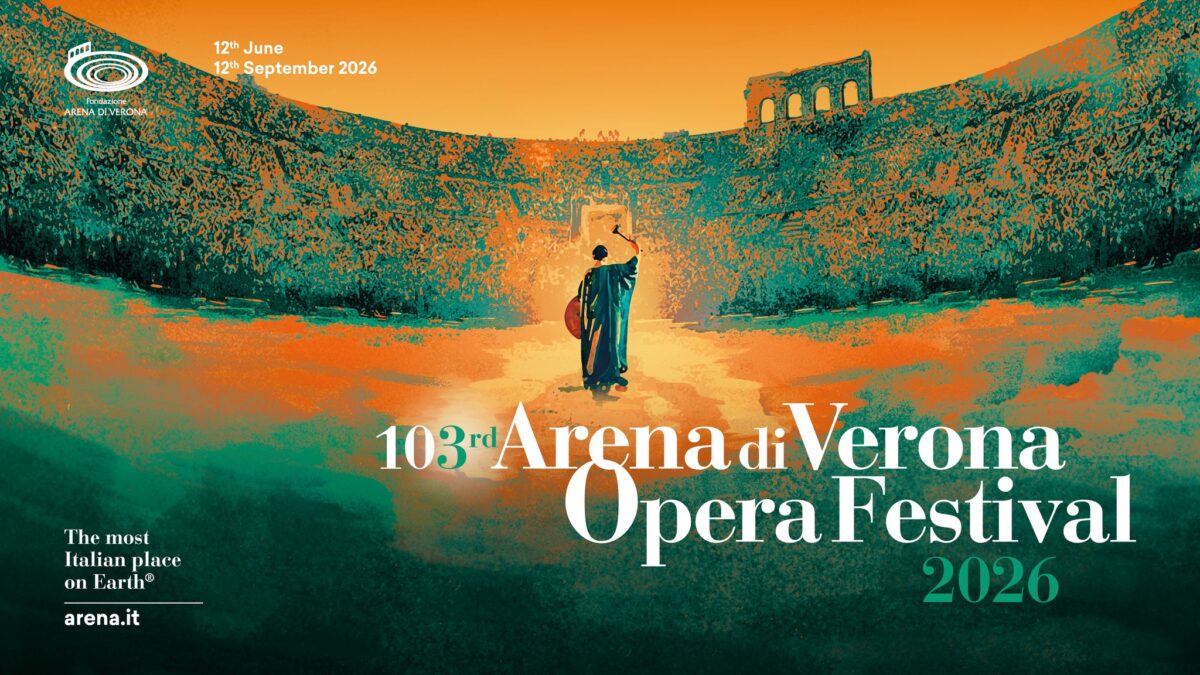
CLASSICAL Arena di Verona, Verona 12 June – 12 September
Held in one of Italy’s most extraordinary open-air venues, the Arena di Verona is a spectacle in itself, and even more magical when brought to life by music and performance. The 103rd Arena Opera Festival runs from June 12 to September 12, 2026, with a rich summer program that combines beloved opera titles with major dance and concert events
Among the main operas on the 2026 bill are La Traviata, which opens the festival in a new production and returns on multiple dates through early September; Aida, presented both in Stefano Poda’s “Aida di Cristallo” and in the classic Franco Zeffirelli staging; Nabucco, scheduled throughout July and August; Turandot, featured across August and early September; and La Bohème, which appears on selected dates in July.
Beyond opera, the festival also includes a series of special events, with Roberto Bolle and Friends on July 21 and 22, Carmina Burana on August 13, Paganini Paradise. Superlive Immersive Concert on August 18, Viva Vivaldi. The Four Seasons Immersive Concert on August 19, and Zorba il greco at the Teatro Romano di Verona on August 25 and 26.
ROCK / POP / RAP Ippodromo delle Capannelle, Rome 9 June – 18 July
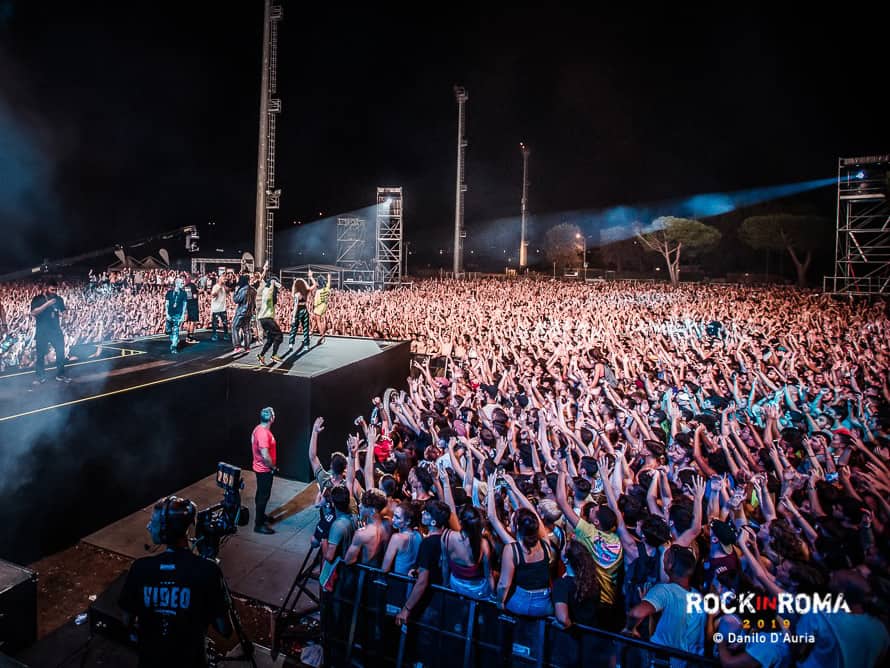
One of the most anticipated lineups when it comes to summer festivals in Italy, Rock in Roma is hard to beat. Spacing out from international stars to national sensations, the lineup is always full of surprises. This year, the festival is treating its concert goers to as a swell time, thanks to names like: The Offspring on June 9th, Negramaro on June 20th, Mumford & Sons on July 7th, and One Republic on July 20th.
ROCK Ippodromo del Visarno, Florence 12 – 13 – 14 June
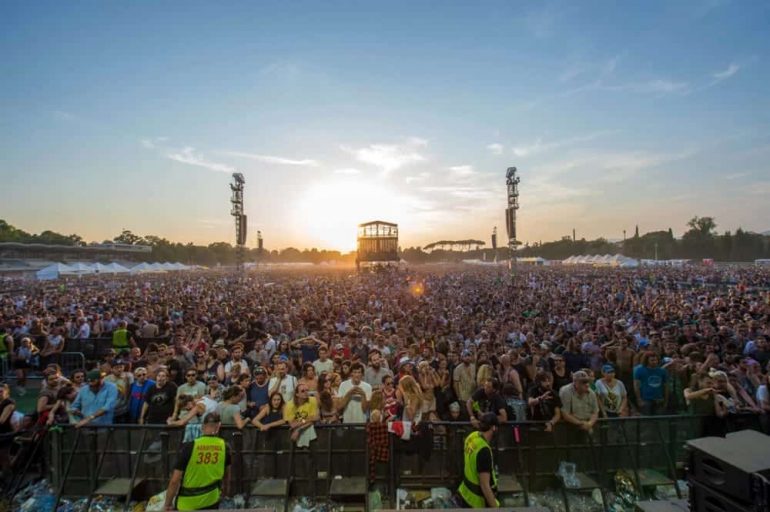
Florence holds incomparable treasures, one of which is its beloved rock festival: Firenze Rocks. This year’s line-up is loud. With Lenny Kravitz and Salmo playing on June 12th, Robbie Williams on June 13th, and The Cure on June 14th, how can you choose only one? Rock on!
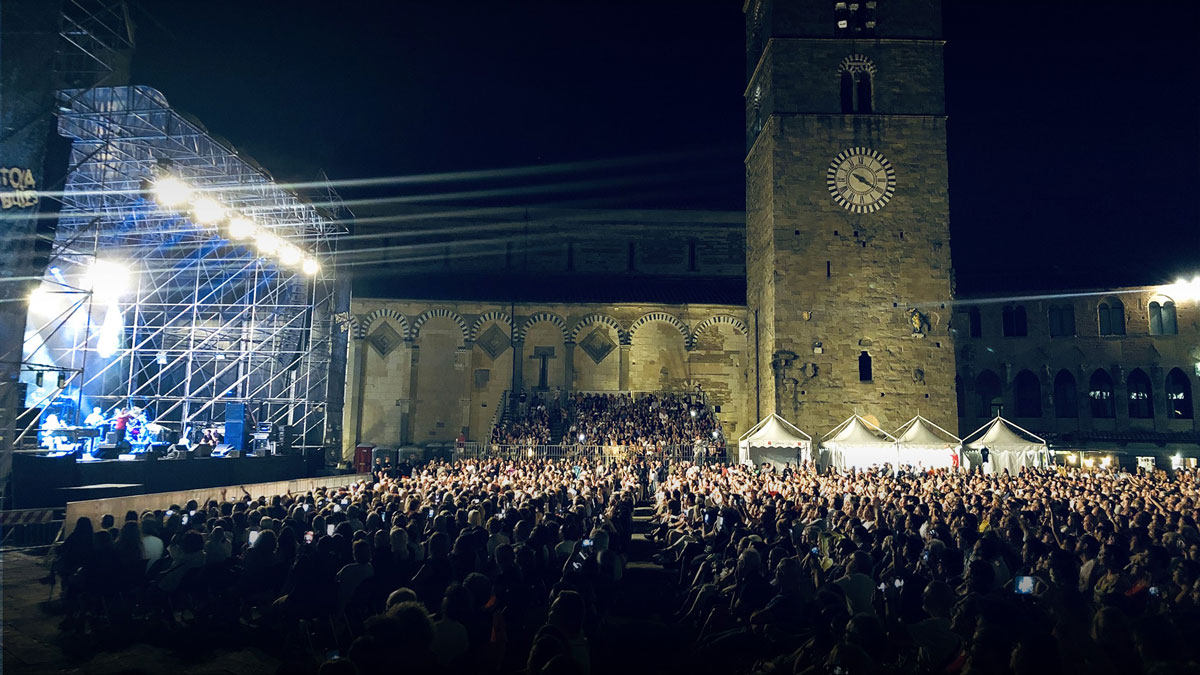
The beloved Pistoia Blues Festival is known for its unique energy and lively shows. Held in the beautiful setting of Piazza del Duomo, right in the heart of Pistoia, it offers a one-of-a-kind atmosphere for summer live music. The 2026 edition, the festival’s 45th, features major names including Il Volo on July 3, Jet and Walter Trout on July 5, The Darkness with Messa and Spleen on July 8, and Jethro Tull on July 10. With such a strong mix of blues, rock, and international guests, both you and the city are sure to be buzzing with excitement.
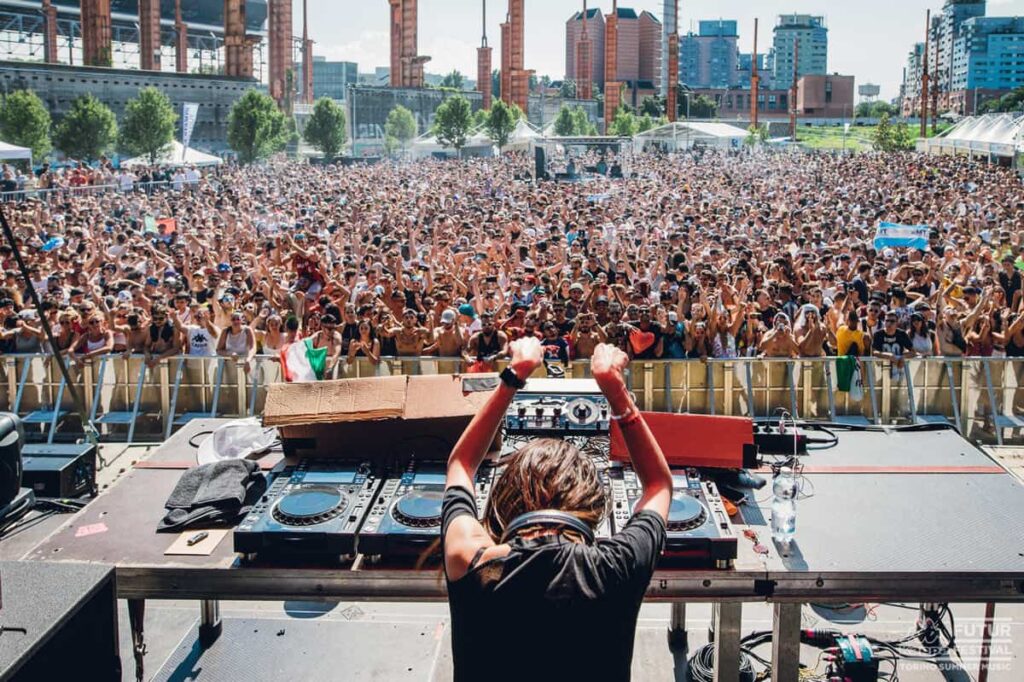
If you are looking to party for 12 hours straight, the Kappa Futur Festival is where you want to be. Back again for its 13th edition, the festival keeps on getting better each year. Specializing in electronic and techno music, the festival is a great excuse to dance the day AND night away.
On July 3rd, expect to dance to Armin van Buuren, Disclosure DJ Set, Four Tet, Michael Bibi, and Solomun — just to name a few. On July 4th, get ready for another huge day with Four Tet B2B Skrillex, Richie Hawtin DEX EFX X0X, Sebastian Ingrosso, Maceo Plex, and Solomun Extended Set. On the final day, look out for Amelie Lens, Charlotte de Witte, Peggy Gou, Floating Points, and Sven Väth, alongside plenty of other big names across the festival.
Ravello Festival
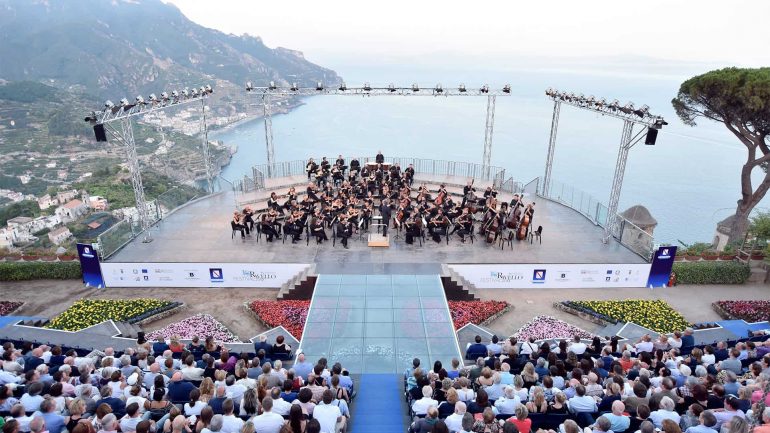
CLASSICAL Belvedere di Villa Rufolo, Ravello From 4 July to 15 September
Get ready for one of the most magical festivals there is. Held in the gorgeous Ravello, one of the gems on the Amalfi coast (not to mention the highest up) the festival is like you’ve never seen one before. With concerts happening in summer months, visiting both the town and the concert hall is quite spectacular. Gaze out at the amalfi coast from any of the amazing terraces in Ravello, and then head on to your show.
Umbria Jazz Festival
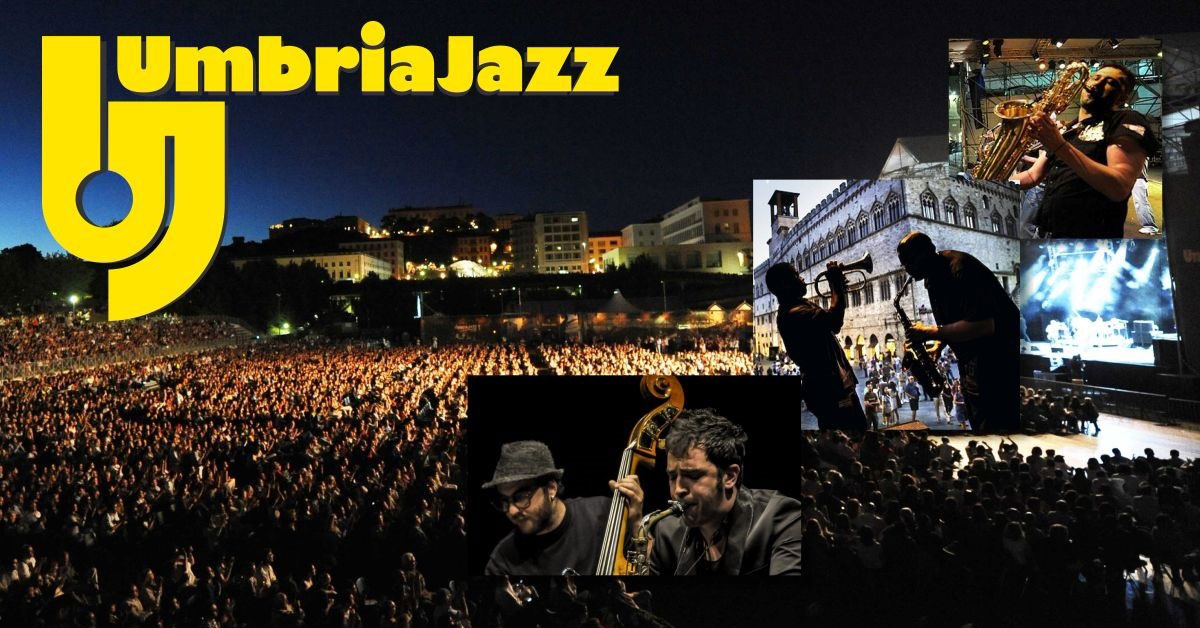
JAZZ & MORE Historic centre and Santa Giuliana Arena, Perugia 3 – 12 July
Started in 1973, the Umbria Jazz Festival celebrates this year the 53rd edition and has become a worldwide favorite among jazz musicians and fans. Hosting concerts with italian and foreign musicians, the festival is a lively event that each summer sees many choose Perugia as their holiday destination. Although the word “jazz” in its title may have you think that is the main music genre, the festival also welcomes other types of music. This year’s headliners include: Jon Batiste on July 5th, Laurie Anderson on July 7th, and Elvis Costello on July 12th.
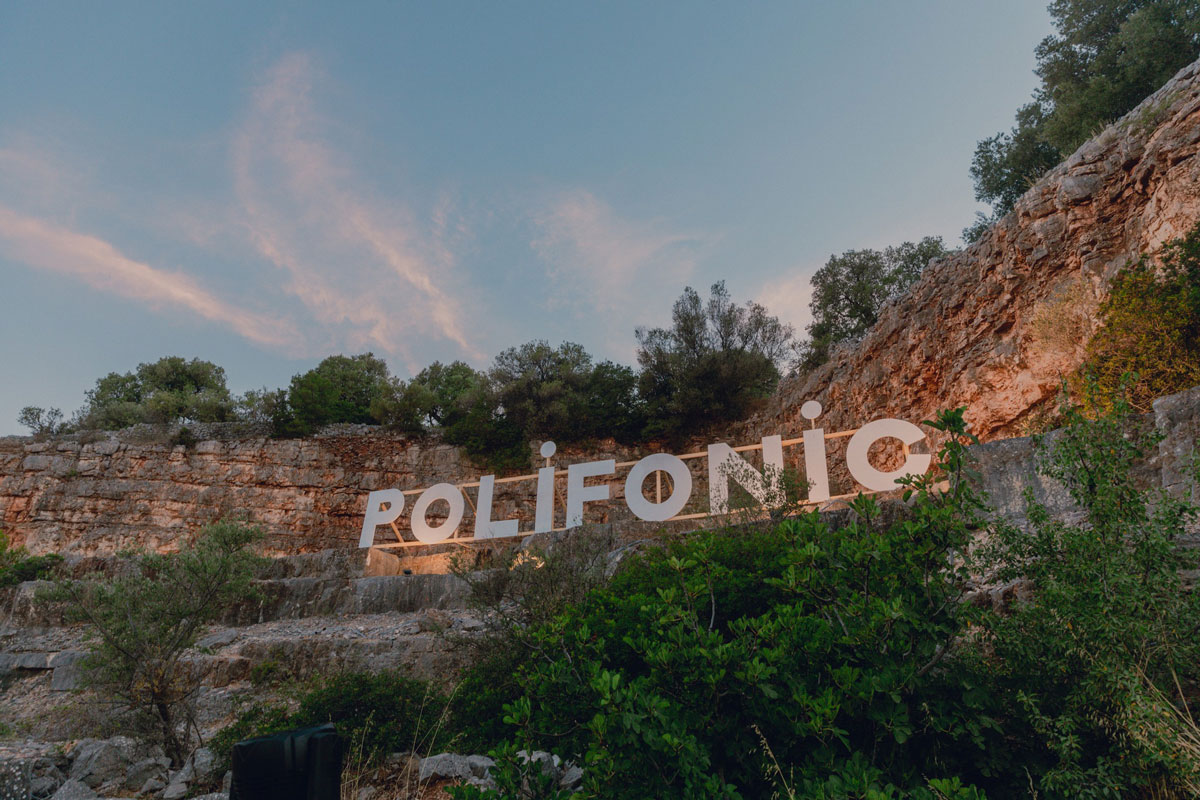
DISCO / ELECTRONIC / HOUSE / TECHNO Valle d’Itria, Puglia 22 – 26 July
If you haven’t visited southern Italy, or better yet Puglia, this is your time to go. With crystal clear beaches, exquisite local cuisine, and fantastic architecture, Puglia is a true gem. What’s more, the Polifonic Festival takes full advantage of the natural beauty, and hosts its festival on a terrace overlooking the sea. With a special focus on underground electronic music, the festival is the perfect getaway for anybody that enjoys good music and breathtaking sights.
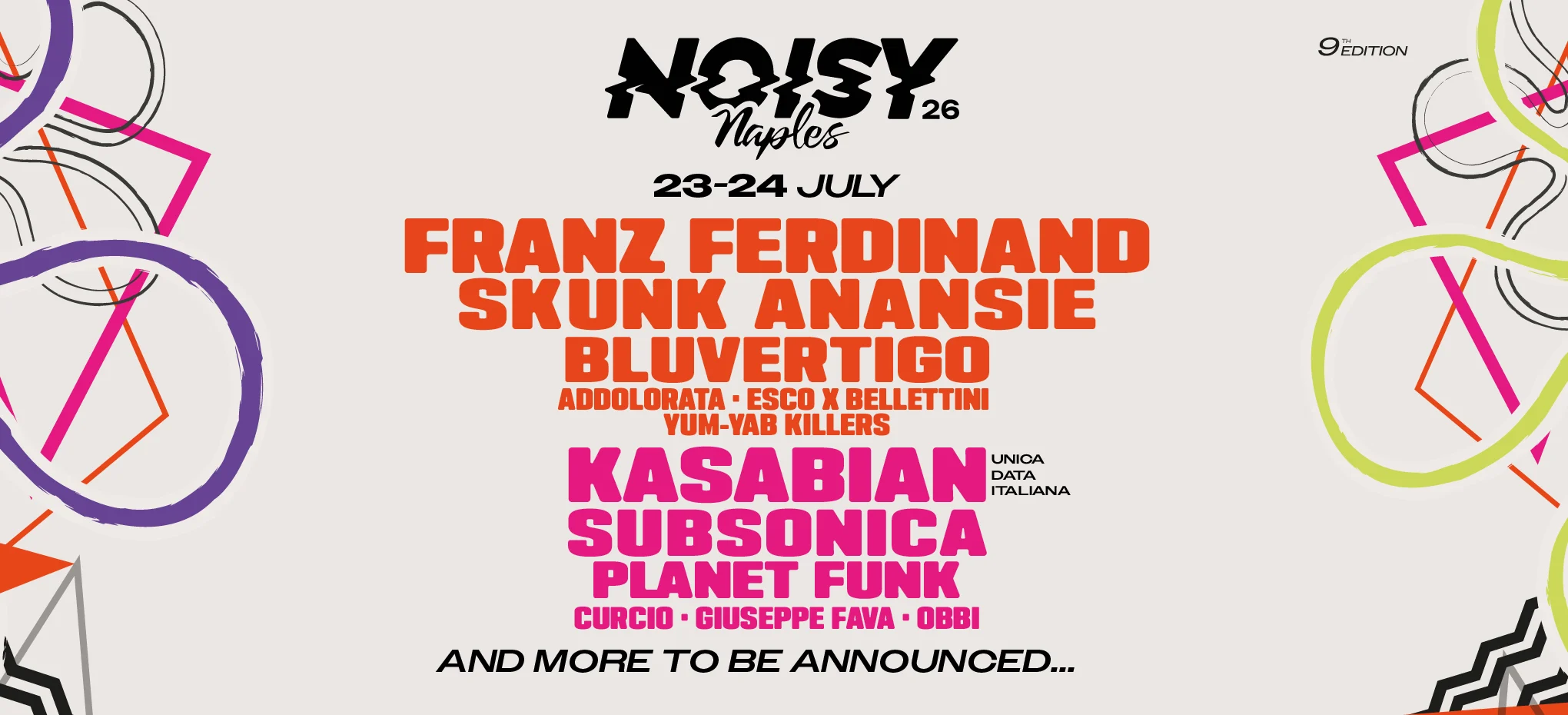
Noisy Naples
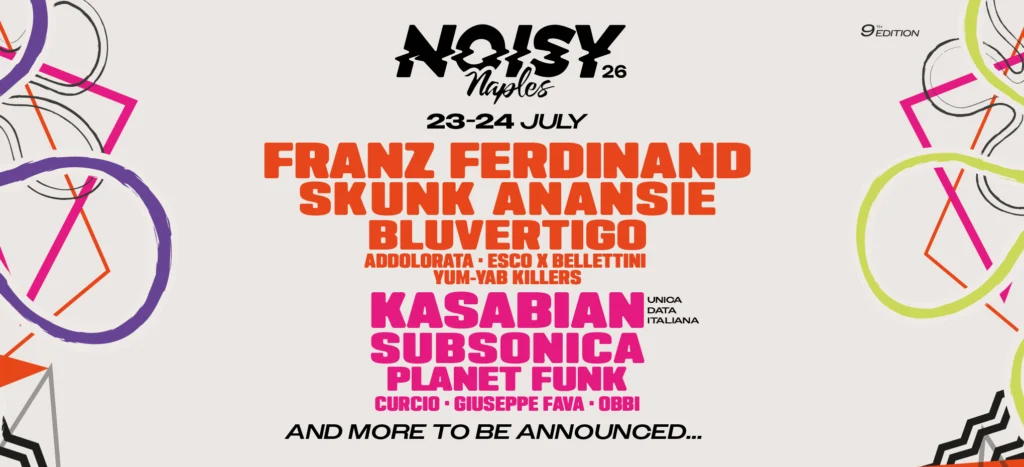
ROCK / INDIE / ALTERNATIVE Mostra d’Oltremare, Napoli 23-24 July
Two days of music with major international names in Naples on July 23 and 24 for Noisy Naples Fest 2026, an edition packed with big guests and several new features, starting with the venue: the festival moves to the larger spaces of the Mostra d’Oltremare.
There will be four concerts each day, with two headliners, plus a specially designed festival area with ample space for the audience, entertainment, and DJ sets. The presentation of the new edition has already revealed the first names on the line-up. Performing live in Naples will be Franz Ferdinand, Kasabian, Skunk Anansie, and Planet Funk.
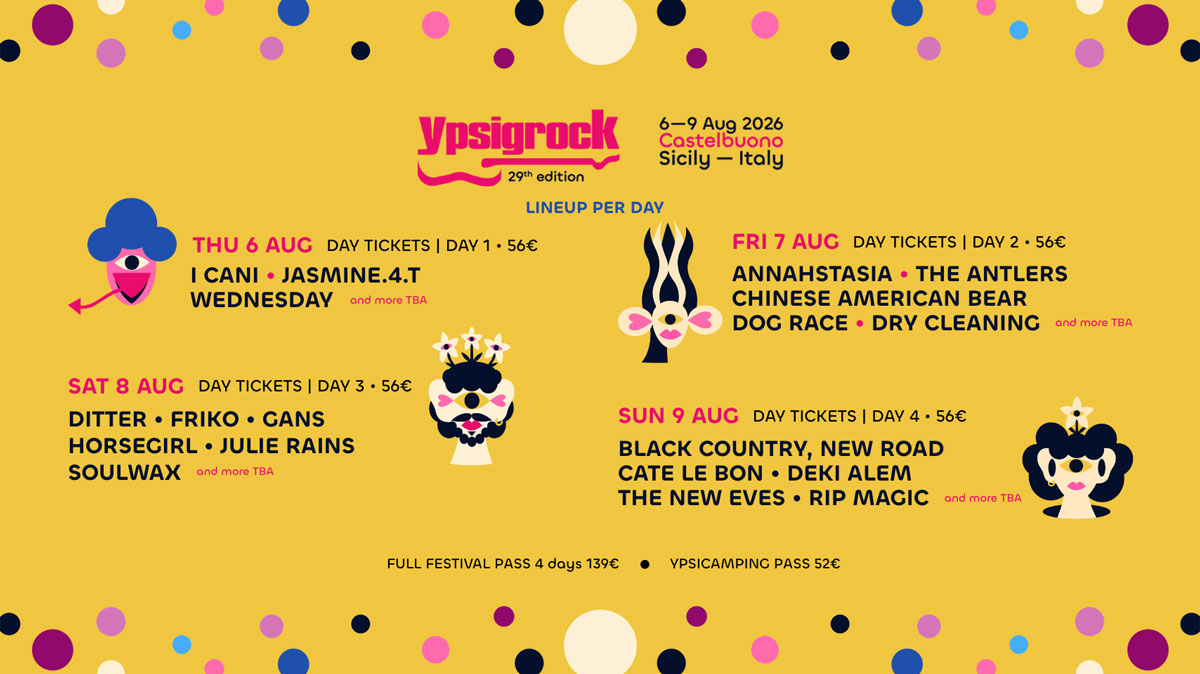
Counting 29 editions this year, Ypsigrock is back for another round. With its picturesque setting in Castelbuono, this festival offers a truly distinctive experience, with stages set up around the town and camping grounds nearby, making it a great excuse to discover the beauty of Sicily while enjoying a standout summer music lineup. This year’s bill includes Soulwax, Black Country, New Road, The Antlers, Cate Le Bon, Dry Cleaning, Horsegirl, I Cani, Annahstasia, and many more.
Red Valley Festival
CROSSOVER Olbia 13 – 15 August
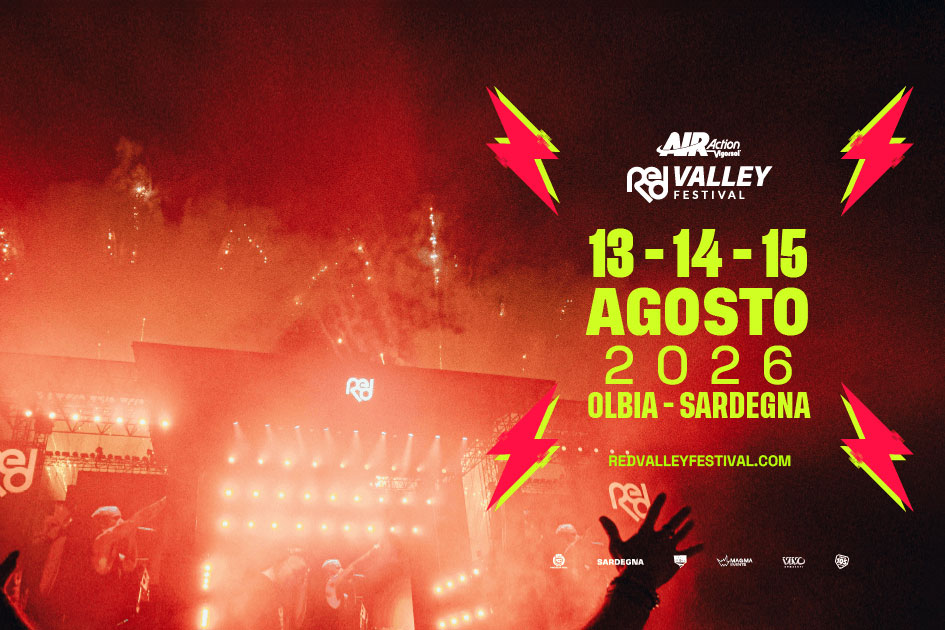
The Red Valley Festival returns in 2026 to celebrate the 11th anniversary of Italy’s biggest crossover festival. The new edition promises to be even more spectacular and will take place from August 13 to 15, 2026, at the Olbia Arena in Olbia. Among the announced artists: Kid Yugi, Noyz Narcos, Sfera Ebbasta, Ernia, Samurai Jay, and more.
Decibel Open Air
ELECTRONIC / HOUSE Parco delle Cascine, Firenze 4 – 6 September
After a year-long detour in Emilia-Romagna, Decibel Open Air is back in Florence for the 2026 edition. One of Europe’s most anticipated electronic music festivals, DOA returns to Parco delle Cascine from September 4 to 6, 2026, promising another weekend of cutting-edge sounds, large-scale production, and an international atmosphere in one of Italy’s most iconic cities. While the full line-up is still to be revealed, the first artists announced include Asco, Paul Kalkbrenner and Capo Plaza, with more names expected soon.
ELECTRONIC / EXPERIMENTAL Auditorium Parco della Musica, Rome 12 – 13 September
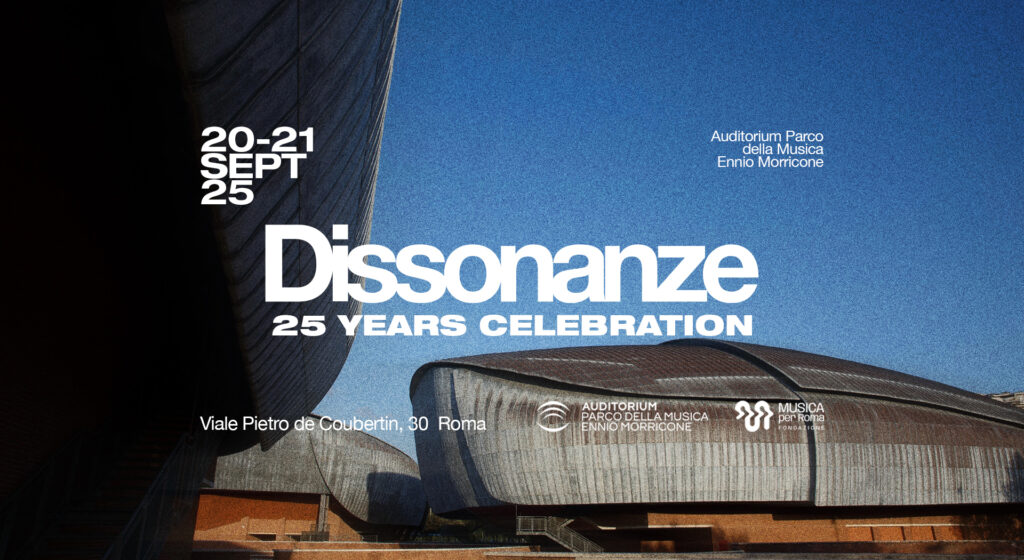
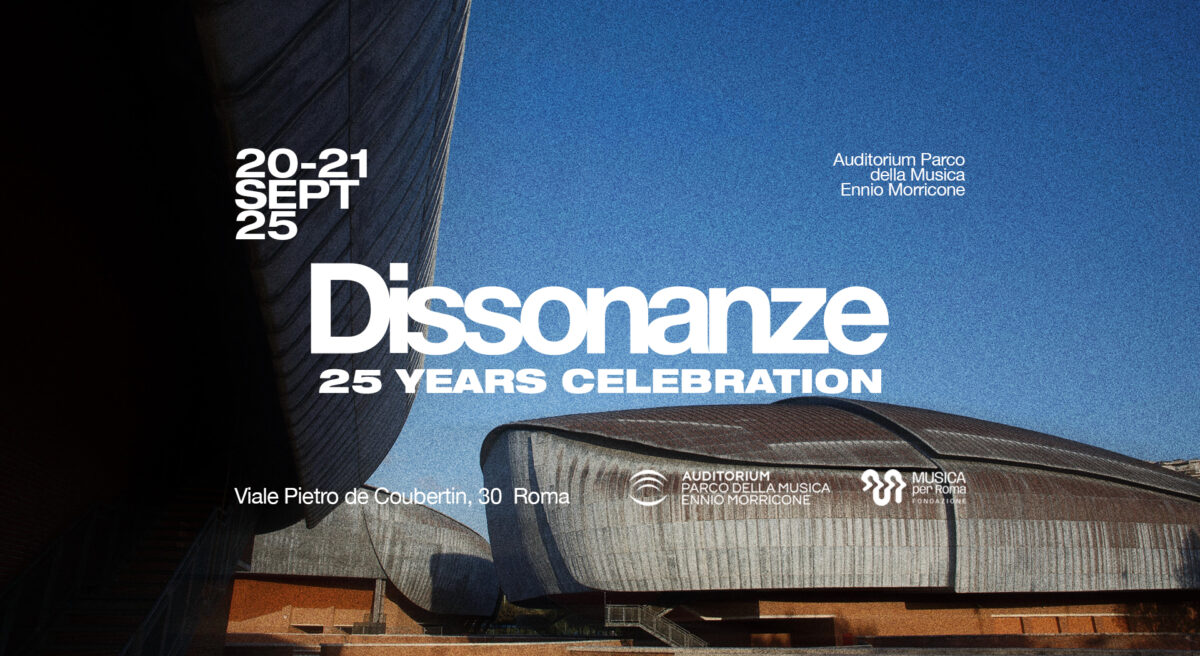
Returning in 2026 with a bold new chapter, Dissonanze brings its forward-thinking spirit back to Rome for two days of cutting-edge electronic music, live performance, and sonic experimentation. Taking place on September 12th and 13th at the Auditorium Parco della Musica, the festival blends big international names with a strong curatorial identity, once again positioning itself as one of Italy’s most distinctive electronic events. This year’s line-up includes artists such as Björk, Peggy Gou, Floating Points, Honey Dijon, Daphni, Donato Dozzy, Kelly Lee Owens, Moodymann, Job Jobse, and Sama’ Abdulhadi, among many others.
Over a thousand roses from around the world in one of the most enchanting spots in the Capital
Starting April 11th, the Municipal Rose Garden reopens to the public.
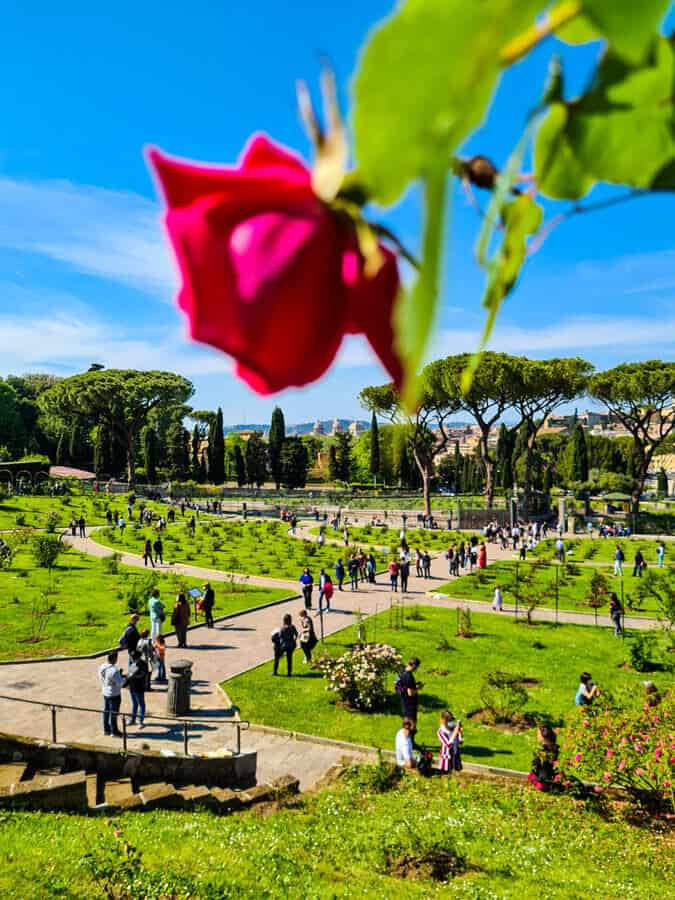
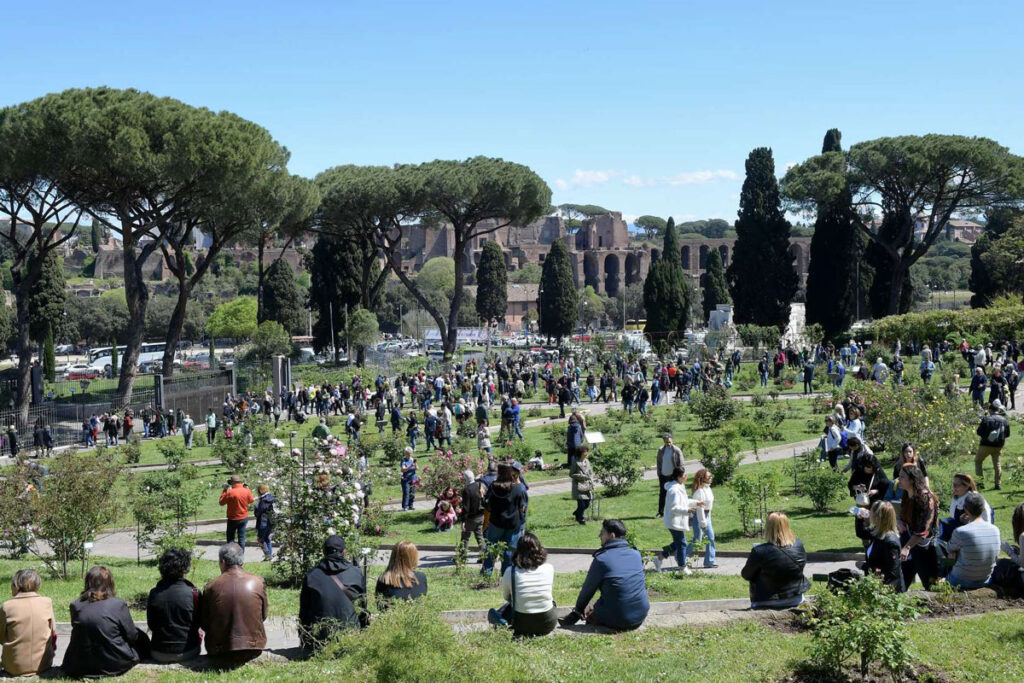
Just a short walk from the Colosseum and perched above the Circus Maximus, this beautiful garden is home to more than 1,100 varieties of roses, offering a spectacular view over the ruins of the Palatine Hill and the city of Rome.
And the garden isn’t just beautiful, it’s also one of the most prestigious collections in the world, which retraces the history and evolution of the rose from the ancient Romans to today. There are roses from New Zealand, Europe, the Americas, and South Africa, just to name a few. Some are 40 million years old, and among them are some of the most curious and unique species in the world—like the Rosa Chinensis Viridiflora, with its green petals; the Rosa Chinensis Mutabilis, which changes color over several days; and the Rosa Foetida, a rose known for its strong, unpleasant scent.
The Garden was first set up in the year 1931 according to the wish of the nobleman Francesco Boncompagni Ludovisi, on top of a former Jewish cemetery. To commemorate the former site the garden still bears the two tables of the laws of Moses at its entrance and was given the shape of a menorah with its seven arms.
The garden is split into three sections, showcasing ancient, botanical and modern roses. It is both centrally located yet also a tranquil, romantic spot to escape the chaos of the city. Definitely worth a visit for lovers of roses, lovers of a great panorama or just lovers in general!
Un unmissable shopping event with discounts of up to 70% on April 12
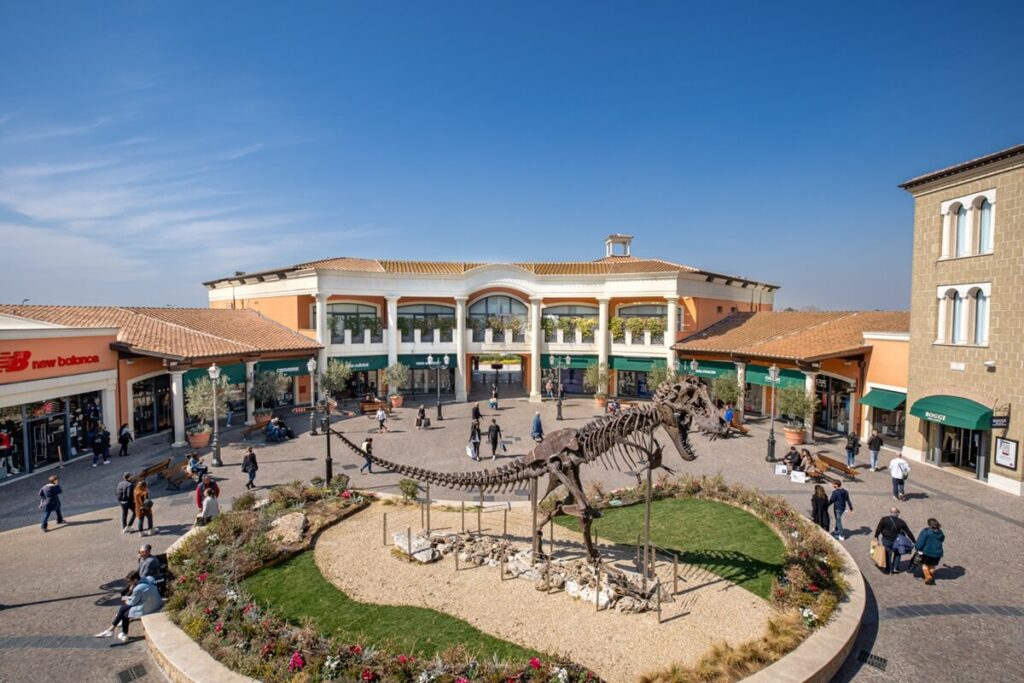
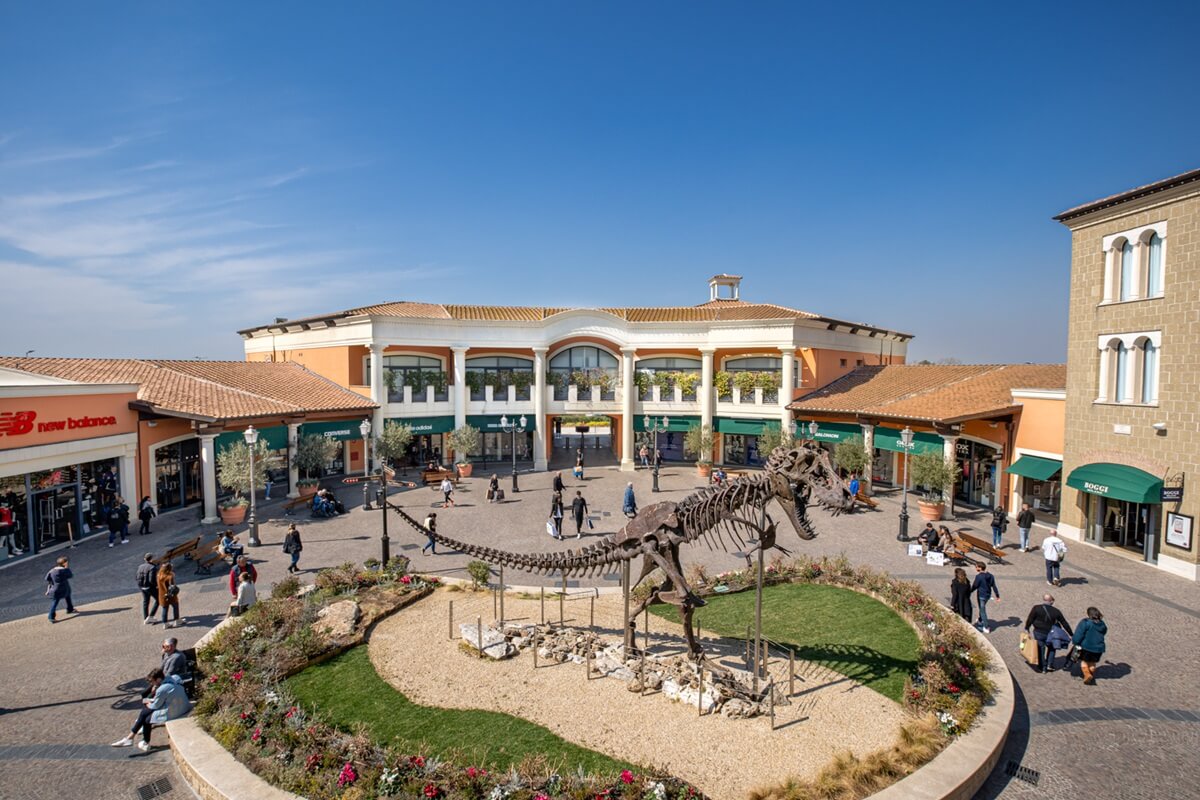
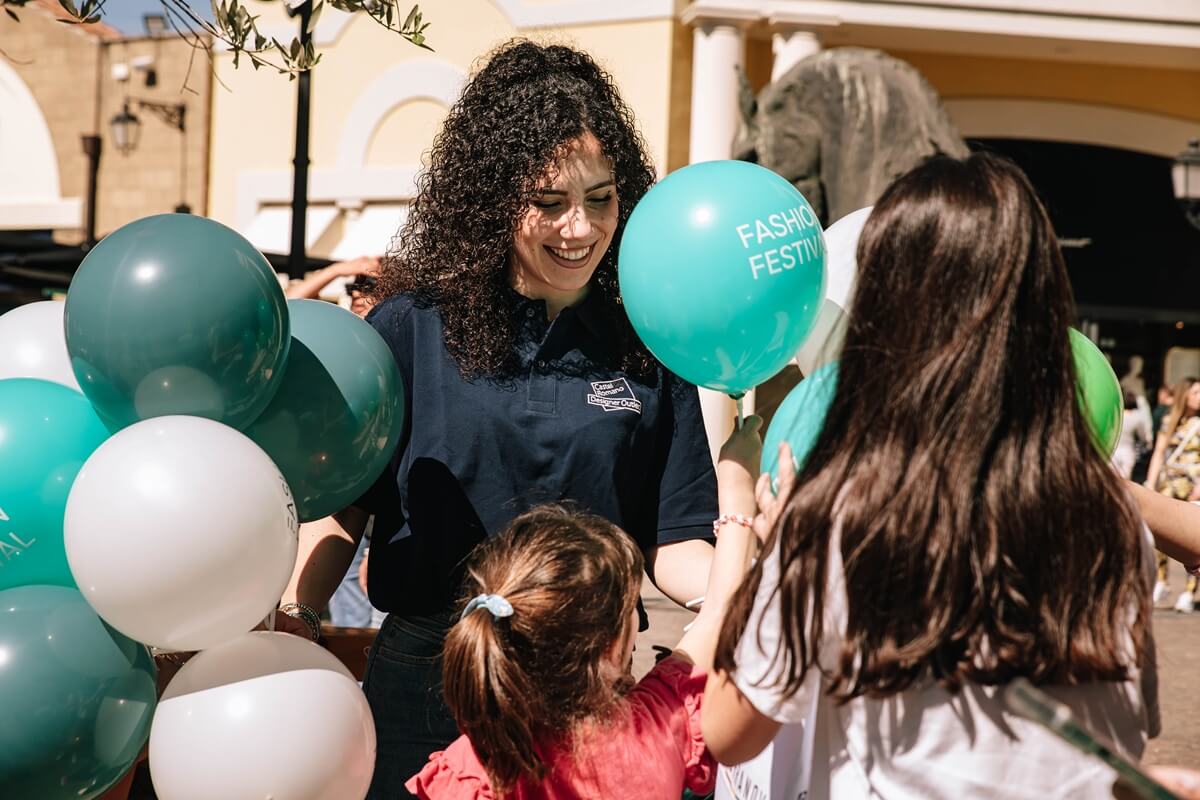
With the arrival of spring, the Fashion Festival returns: on Sunday, April 12th, Castel Romano Designer Outlet comes alive with an unmissable day of discounts and promotions, taking place simultaneously with the other McArthurGlen centres in Serravalle, La Reggia, and Noventa di Piave. A true day of celebration, with extraordinary opening hours from 9:00 am to 8:00 pm, designed to offer not only an exceptional shopping experience, but also a pleasant Sunday outdoors for the whole family.
During the Fashion Festival, visitors will be able to enjoy extraordinary discounts of up to 70% off the outlet price on more than 300 products from the spring/summer collection. Iconic pieces and stylish accessories from much-loved brands, including Nike, Michael Kors, Adidas, Levi’s, Diesel, Sunglass Hut, and many more, will be part of the promotion. It is a unique one-day opportunity to refresh your wardrobe with versatile and on-trend pieces perfect for the warmer months. In addition to the items discounted by up to 70%, there will also be many other special offers throughout the day.
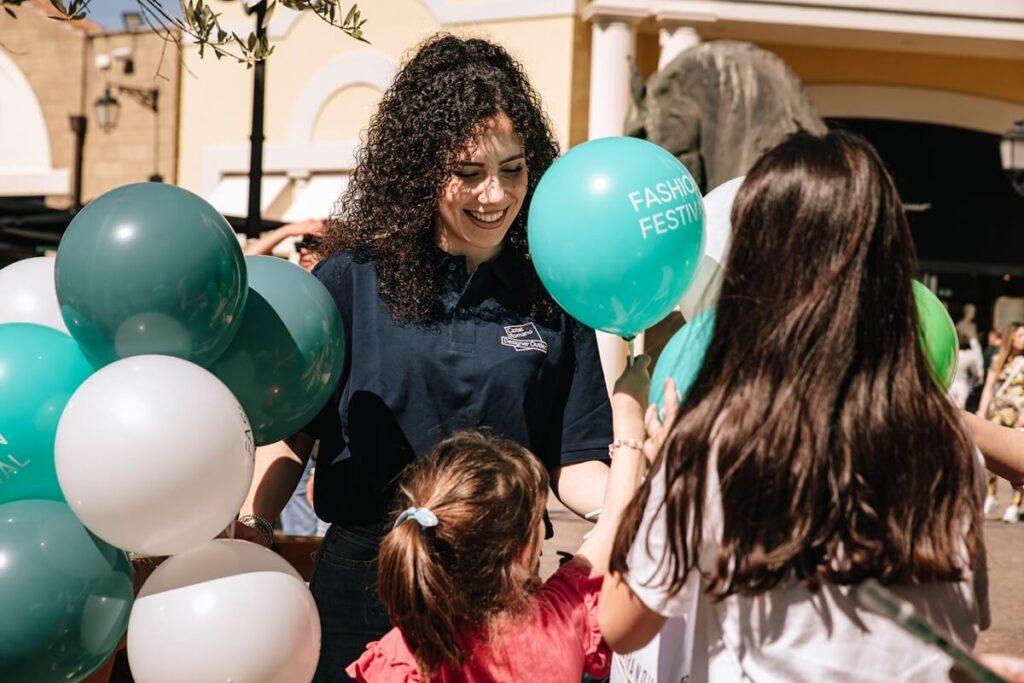
As always, the Fashion Festival is not just about shopping, but also about enjoying the experience. Children can look forward to balloons and fun in the playground, there will be a dog area for four-legged friends, and everyone will have the chance to explore the WWF-affiliated oasis at Castel Romano.
As always, the Fashion Festival is not just about shopping, but also about enjoying the experience. Children can look forward to balloons and fun in the playground, there will be a dog area for four-legged friends, and everyone will have the chance to explore the WWF-affiliated oasis at Castel Romano.
How to reach Castel Romano Designer Outlet
Getting to Castel Romano on Sunday, April 12th will be even easier. For the occasion, a paid shuttle service will be available from Termini Station (Via Giolitti), with increased frequency starting at 8:30 am, while from EUR Fermi Station (Viale America) the service will run from 9:00 am and will be free exclusively for McArthurGlen Loyalty Club members.
To plan your day in advance, you can browse the full selection of products included in the promotion on the centre’s official website.
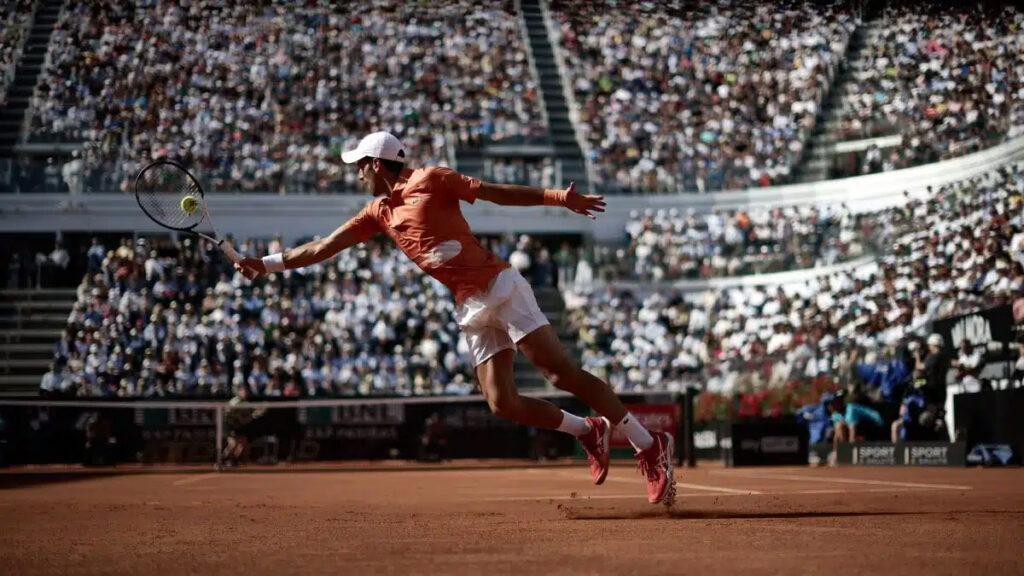
The Rome Master 1000 will take place from April 28 to May 17
The countdown begins for the 83rd BNL International Tennis Tournament, the most prestigious red clay tennis tournament in the world after the French Open.
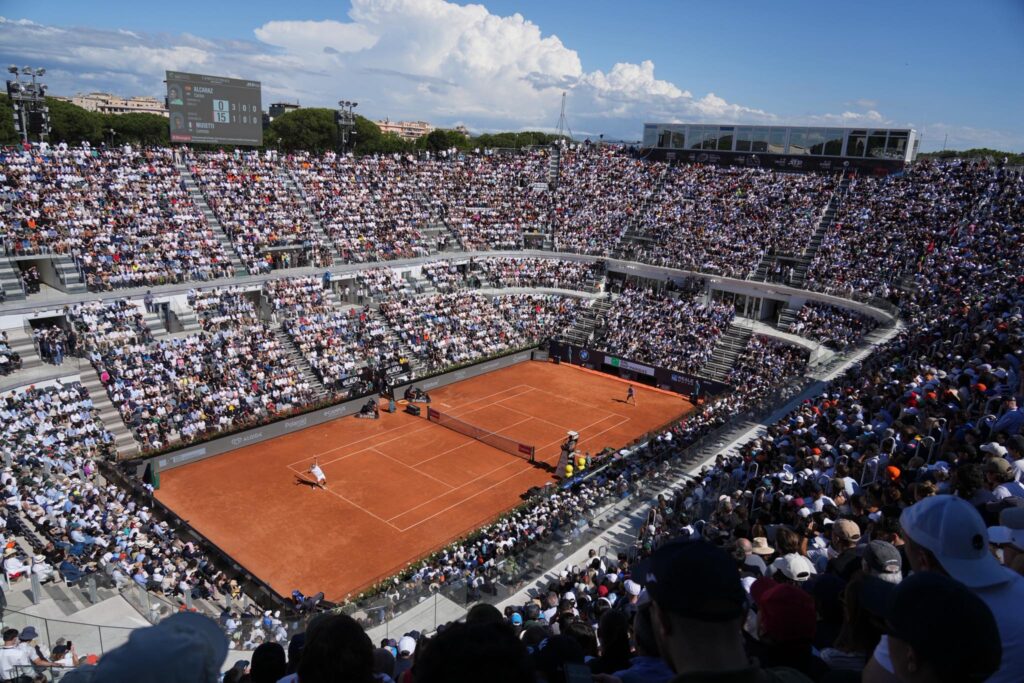
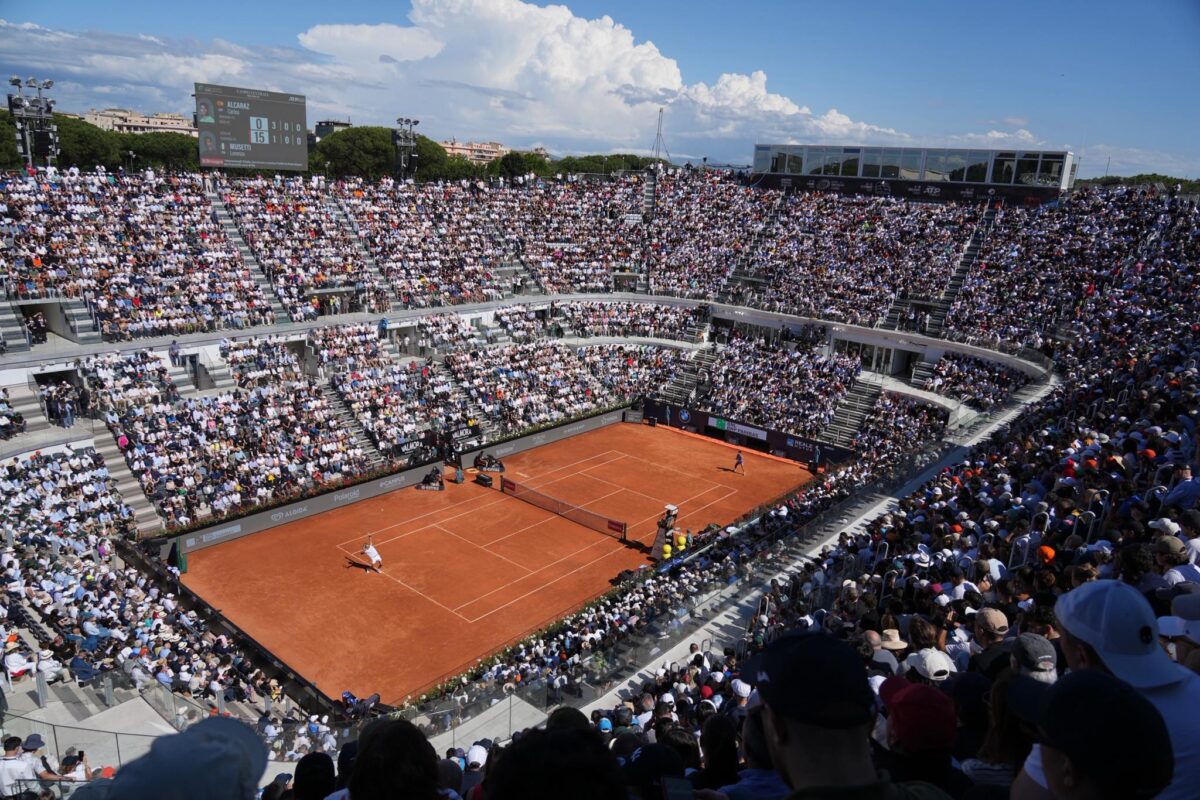
The top names in tennis will come to duke it out on the clay courts of Foro Italico, a historical stadium built for the 1960 Olympic Games. One of the best events in Rome, this fabulous competition will combine men’s and women’s tournaments. This tournament will give us two weeks of intense tennis under the glorious sunshine of May.
The line-up for the 2026 Internazionali BNL d’Italia is, as always, stellar. Despite the absence of defending champion Carlos Alcaraz due to injury, the tournament will feature home favourite and world number one Jannik Sinner, Novak Djokovic, Alexander Zverev, Taylor Fritz, Daniil Medvedev, Lorenzo Musetti and many more.
The women’s draw is equally strong, with world No. 1 Aryna Sabalenka leading the field alongside Iga Świątek, Coco Gauff, Jessica Pegula, and Italy’s own Jasmine Paolini, who returns to Rome as the defending champion after her historic title run in 2025.
The tournament is one of the leading events of the clay-court season, featuring both an ATP Masters 1000 and a WTA 1000 draw at the Foro Italico.
The Campo Centrale, with about 10,500 seats, remains the tournament’s main stadium. For 2026, the former Grand Stand Arena has been completely redesigned and renamed the BNP Paribas Arena, moving into the Stadio dei Marmi with a capacity of more than 7,000 spectators. The SuperTennis Arena features a progressive polygonal design created to bring the crowd closer to the action. The complex also includes the historic Stadio Pietrangeli, one of the most iconic courts at the Foro Italico, famed for its unique setting among marble statues and its unmistakable Roman atmosphere.
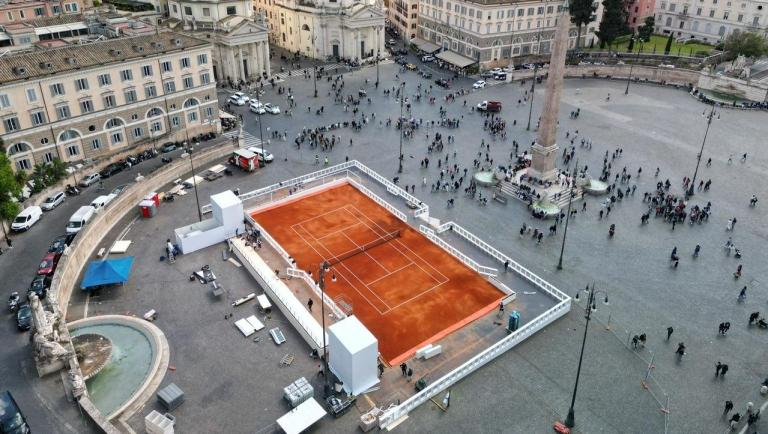
In addition, a special court in Piazza del Popolo will host selected pre-qualification matches, practice sessions with some of the champions competing in the main draw at the Foro Italico, as well as the U16 and Wheelchair tournaments.
Pre-qualifying matches will begin on April 28, the qualifying rounds will start on May 5, and the main draw will get underway on May 7.
The event is more than just tennis: fashion, fine food, shopping, and celebrity musical performances have made the tournament one of the most glamorous stops on the ATP World Tour.
How to celebrate Easter 2026 and the Holy Week in Rome
Looking for the best things to do at Easter in Rome in 2026? From Holy Week celebrations to Easter lunch, spring exhibitions, and Easter Monday day trips, Rome offers countless ways to experience the holiday.
Whether you want to attend the Via Crucis at the Colosseum, enjoy a traditional Easter meal, visit museums and major art shows, or plan a relaxing Pasquetta escape, here’s your guide to spending Easter weekend in Rome.
After the morning Mass, Italian families always reunite for a traditional lunch. The more traditional will stay home preparing typical foods, others, instead, prefer to go to arestaurant in Rome. Whatever your decision is, the variety of typical foods will amaze you.
Easter dishes vary across Italy: each town has different traditions! However, there are some universal and must-have dishes shared all over the country: handmade pasta, torta pasqualina, lamb, colomba pasquale, and the chocolate eggs.
Check out our proposals for a typical Easter lunch in Rome.
For Easter 2026, Rome Cavalieri welcomes spring with an elegant program of special events. The celebrations begin with Awaiting Easter at La Pergola on April 3 and 4, featuring two fine-dining dinners by Heinz Beck with a choice of 7- or 10-course tasting menus. On Sunday, April 5, the traditional Easter Brunch brings the Garden Lobby to life with live music, a refined culinary selection, and a Kids Club with a flower workshop for children. On Monday, April 6, Uliveto Restaurant welcomes guests for an Easter Monday lunch with an à la carte menu, alongside family-friendly activities including chocolate decorating and an Easter egg hunt. Completing the experience, The Art of Tea Time returns to the Tiepolo Lounge from March 30 to April 6, while the Cavalieri Grand Spa invites guests to enjoy a moment of wellbeing during the holiday season.
Unique at Palatino Garden Restaurant is organizing a special fixed-price lunch for Easter Sunday. The menu is complete and includes appetizer, first course, second course, dessert, and beverages at a cost of €80 per person.
47 Circus Roof Garden
Via Luigi Petroselli, 47 47circusroofgarden.com €100 per person, drinks not included. Wine pairing €50
47 Circus Roof Garden is the terrace of the 47 Boutique Hotel, one of the greenest hotels in Rome and the only one in the city with Green Globe certification. For Easter, chef Maurizio Lustrati has created a special four-course menu to enjoy on the panoramic terrace.
The menu begins with Torta Pasquale served with extra virgin olive oil, includes costolette di abbacchio, and ends with a French toast made with artisanal colomba and served with pastiera ice cream. A vegetarian version is also available.
This year, at Il Giardino Ristorante, on the top floor of Hotel Eden, you can celebrate Easter with a special menu inspired by Easter traditions. Chef Salvatore Bianco has curated a seasonal five-course menu brimming with fresh spring ingredients and classic Italian dishes. From a traditional Easter pie made with buttery pastry to handmade raviolo stuffed with savoury oxtail stew, enjoy a Sunday feast either al fresco in the warm sunshine on our terrace, at our lively sharing table or in the serene main dining room.
The panoramic Terrazza Les Etoiles at Hotel Atlante Star in Prati proposes a special menu for Easter lunch including steamed white asparagus, tortello with goat ragù, sheep and vignarola, Iberian pig and fried artichoke, and, finally, pastiera.
Celebrate Easter lunch at Anima, the signature restaurant of The Rome EDITION, with a specially curated menu that brings together Italian tradition, seasonal ingredients, and contemporary refinement.
For the long Easter weekend, Elio restaurant’s à la carte brunch will be served across three days: Saturday, April 4 in its classic format, and Sunday, April 5 and Monday, April 6 with several seasonal specials added to the menu. Dishes range from avocado toast with poached egg, pastrami sandwiches with sweet potato fries, and lamb with artichokes in cacio e uova sauce, to berry or Nutella pancakes, including gluten-free options, and the ever-popular tiramisù. The beverage selection, curated by bar manager Simone De Luca, includes signature cocktails as well as a range of alcohol-free drinks.
To celebrate Easter with great taste, Proloco Trastevere is offering a special seven-course Easter menu — a tribute to tradition and local products. The menu includes appetizers, a first course, a main course, and dessert. Each dish is made with carefully selected ingredients from small producers in the Lazio region.
Adelaide – Hotel Vilòn restaurant
Via dell’Arancio, 69 hotelvilon.com €130 per person, drinks not included
Adelaide, the restaurant of Vilòn Roma, will be serving an Easter lunch prepared by Chef Gabriele Muro. Among the dishes on the menu, you’ll find grilled asparagus with parmesan foam and saffron, stuffed ravioli with sweet pecorino cheese and wild herb extract, fettuccine with rabbit, artichokes and Roman wild mint, smoked lamb with spring vignarola and potatoes, chocolate with eggnog and almonds, and a selection of traditional desserts.
Chocolate Eggs, Colombe and Traditional Easter specialties in Rome
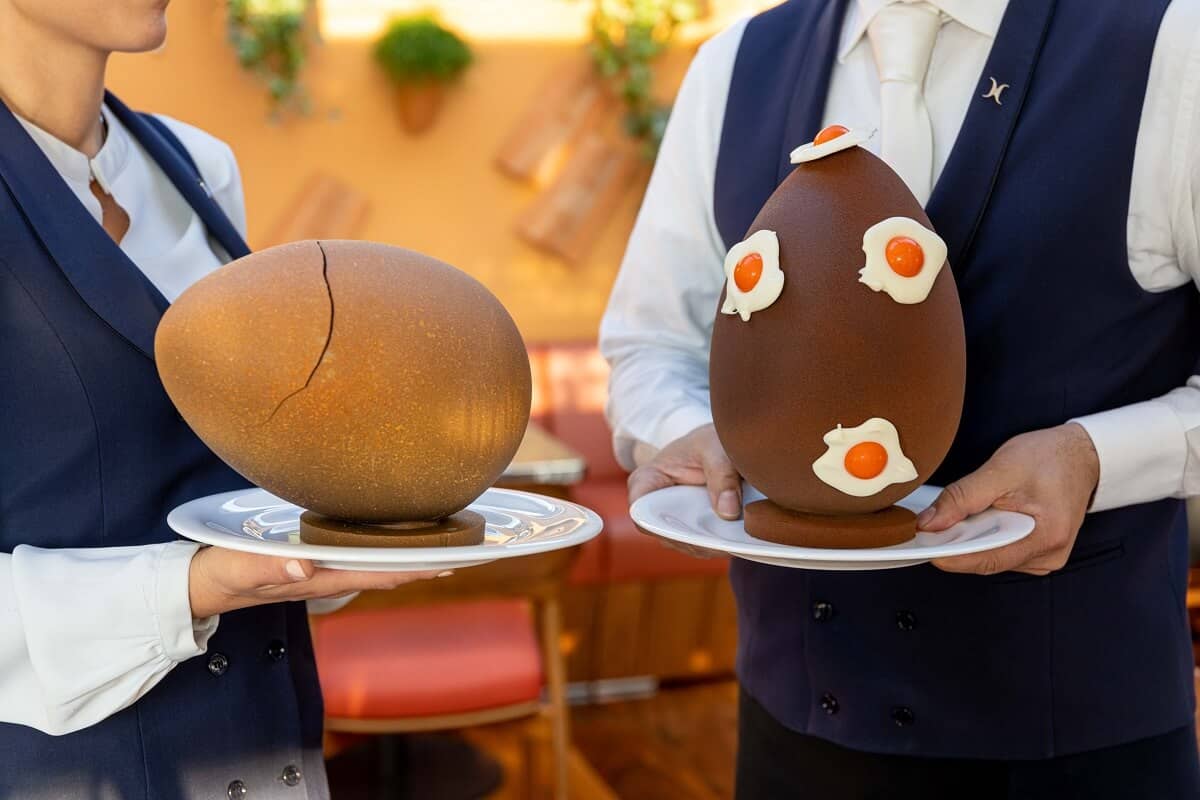
It is not Easter in Rome (and Italy) without an Easter egg or a Colomba. Apart from being able to purchase famed chocolate eggs from more commercial brands at the grocery store, you can also try some of the best Easter eggs in Rome from the following pasticcerie and bakeries!
Eataly Rome
Piazzale 12 Ottobre 1492
Easter has already arrived at Eataly. In store and online you’ll find many different types of chocolate eggs and colombe, the best traditional products, unique meats and cheeses, excellent wines… and many other quality products for an Easter to remember. Eataly’s colombe are available in two versions: the classic and the three-chocolate. Eataly’s Easter eggs are made with bean-to-bar chocolate, natural Madagascar vanilla, and 100% Italian sustainably sourced sugar, with no preservatives or hydrogenated fats. For Easter 2026, the range includes four main versions: milk, 70% dark, and two hazelnut eggs in milk and dark chocolate, plus new mini eggs with pistachio or raspberry crumble.
Walter Musco Bompiani
Largo Bompiani
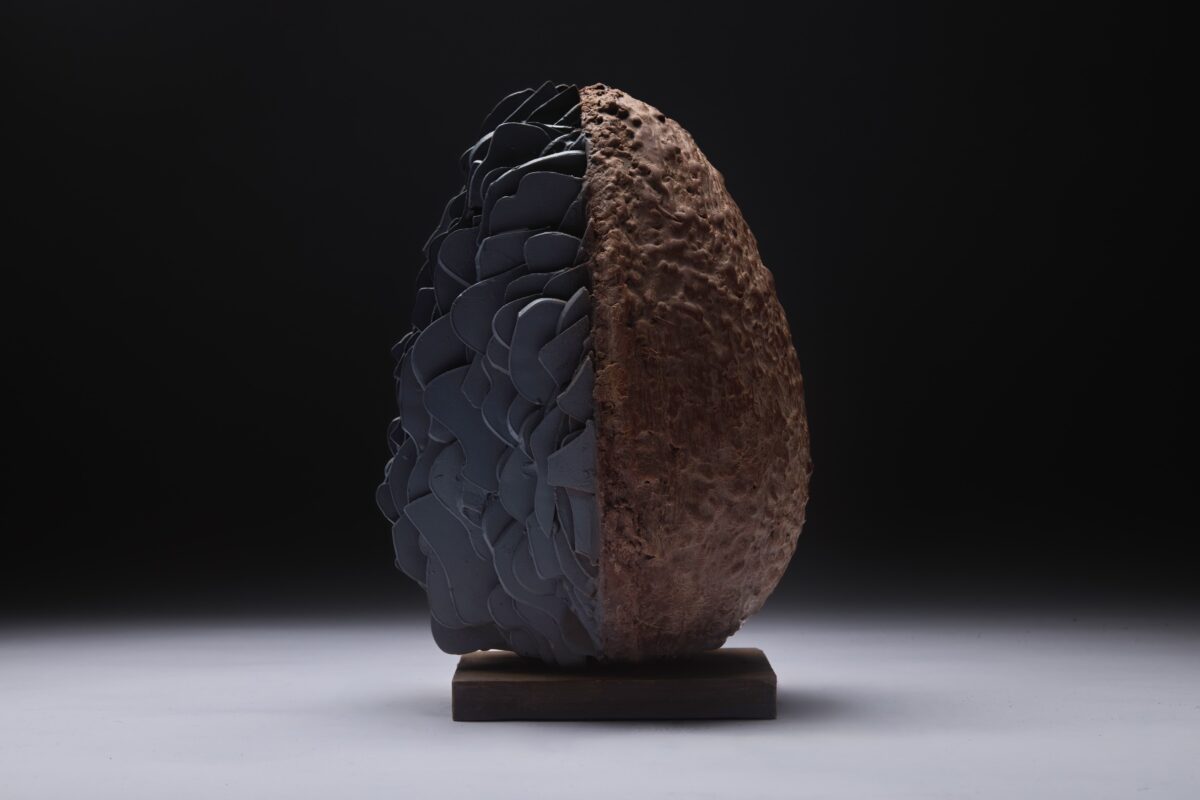
For over a decade, Walter Musco has interpreted Easter through his iconic chocolate eggs. This year, he presents “Ovo Sapiens. Origins: on the essential, the necessary, the silence”, his new Easter egg collection, on display from March 20 throughout the Easter season at his Pastry Lab in Largo Bompiani. Featuring 25 unique creations, the 2026 collection offers a journey between taste and art.
Alongside the exhibition, the shop also offers a tempting selection of Easter specialties available for purchase, including the classic colomba as well as several creative variations, such as the one with white chocolate and wild strawberries, gourmet chocolate eggs, casatiello, and pastiera.
At Grezzo Raw Chocolate, Easter is all about indulgence with a healthier twist. This raw vegan pastry shop offers a collection of vegan and gluten-free chocolate eggs made with raw cacao, sourced from sun-dried cocoa beans harvested in the heart of South America. In line with Grezzo’s philosophy of taste and longevity, the eggs are designed to be both satisfying and mindful. Starting from €35, you’ll find eight different types of chocolate eggs, including sugar-free options, available both in store and online.
Le Levain
Via Luigi Santini, 22
Try Le Levain’s classic colomba, one of the city’s best, starting from €18. It is made with natural yeast, artisanally candied Sicilian oranges, and topped with a crunchy glaze of sugar granules and bitter almonds.
For Easter, Le Levain also presents the UNICO Dulcey & Coffee Egg, made with Unico coffee by Picapau Coffee, coffee cremino, and hazelnut. It is available in a large 250g and small 150g version, and can be purchased at the Trastevere and Sallustiano shops or through the online store. Pre-orders can also be placed by phone.
Antico Forno Roscioli
Via dei Chiavari
Antico Forno Roscioli is one of the most famous places for food delicacies in Rome. Buy their classical artisanal colomba or the version with pear and chocolate. Try also their casatiello, a special savory bread originating from Naples.
Fabbrica Giuliani
Via Paolo Emilio 67
The Fabbrica Giuliani, established in 1949, produces chocolate and sweets, and at Easter the much-loved eggs, using high-quality chocolate. They also offer colomba, available gluten and lactose-free, and even with Marrons Glacés. Their store on Via Paolo Emilio 67 and online shop feature beautifully decorated eggs as well as those adorned with dried fruits like walnuts, pistachios, and hazelnuts.
Gabriele Bonci
Via Trionfale, 36 – Via della Meloria, 43
For Easter 2026, Gabriele Bonci’s celebrated colomba returns in two versions, classic and chocolate, both made with sourdough starter, high-quality ingredients, and a long artisanal leavening process for a light and digestible result. Both 1 kg versions are priced at €38. Traditional Easter specialties such as casatiello and cheese cake are also available. Bonci’s Easter products can be purchased at Il Forno Bonci, Pizzarium, and online at bonci.it.
Holy Week in Rome 2026
The Vatican has released the official calendar of liturgical celebrations for Holy Week 2026. Let’s take a closer look at the schedule of events.
On March 29, Palm Sunday of the Lord’s Passion, the commemoration of the Lord’s entrance into Jerusalem and Holy Mass will take place at 10am.
On Holy Thursday (April 2nd), the Chrism Mass will take place at 9.30am in Saint Peter’s Basilica, while the Evening Mass of the Lord’s Supper will take place at 5:30pm in the Basilica of St John Lateran.
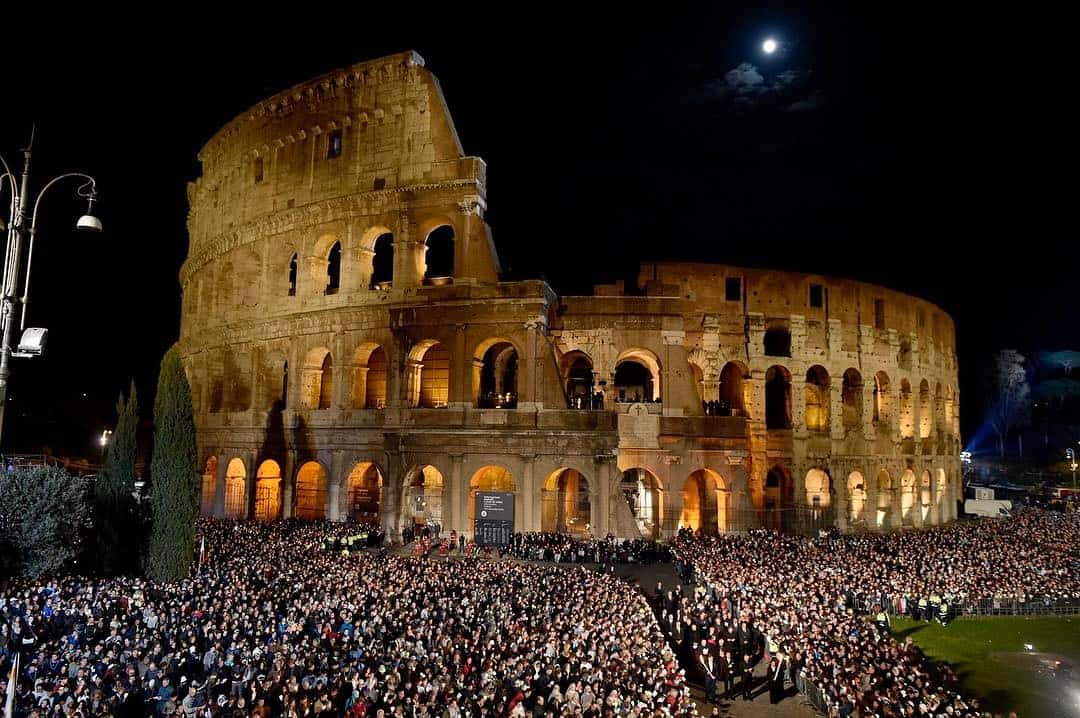
One of the most important religious events in Rome is the traditional Via Crucis, or “Way of the Cross,” led by Pope Leo XIV . The procession, which retraces Christ’s path to his crucifixion, will begin at the Colosseum at 9pm on April 3rd. The Rome Via Crucis draws thousands of faithful, making it a very crowded event.
If you are looking for something smaller and more intimate, there are alternatives too; the night of Good Friday, the small town of Bracciano commemorates the Via Crucis throughout the alleys of its medieval center. The town, located only 40 minutes north of Rome, will host a religious reenactment composed of more than 150 performers. Every year, the actors’ old traditional costumes and Bracciano’s enchanting medieval atmosphere attract people from all over Italy. The procession of Good Friday is also celebrated in many neighboring towns such as Albano Laziale, Castel Madama, and Nerola.
On Holy Saturday, April 4, the Easter Vigil in the Holy Night will take place at 9pm in St Peter’s Basilica.
And on Easter Sunday (April 5th), the celebration of the Holy Mass of the Resurrection of the Lord will take place at 10.15am at Saint Peter’s Square. Once the mass is over, the Holy Father will impart the “Urbi et Orbi” blessing at 12pm.
Holy Week 2026 Schedule
29 March 2026 (Palm Sunday) – 10am Mass at Saint Peter’s Square. The Holy Father Leo XIV will preside over the Commemoration of the Entrance of the Lord into Jerusalem and Holy Mass.
2 April 2026 (Holy Thursday) – 9.30am Chrism Mass at Saint Peter’s Basilica. The Holy Father Leo XIV will preside over the Chrism Mass concelebrated with the Patriarchs, Cardinals, Archbishops, Bishops and Priests (diocesan and religious) present in Rome. – 5.30pm The Lord’s Supper at Basilica of Saint John Lateran. The Holy Father will preside over the Vespertine Mass of the “Lord’s Supper”.
3 April 2026 (Easter Friday or Good Friday) – 5pm Passion of the Lord at Saint Peter’s Basilica. The Holy Father Leo XIV will preside over the Celebration of the Passion of the Lord. – 9pm Via Crucis at the Colosseum. The Holy Father Leo XIV will preside over the pious exercise of the “Via Crucis”, at the end of which he will impart the Apostolic Blessing.
4 April 2026 (Holy Saturday) – 9pm Easter Vigil at Saint Peter’s Basilica. The Holy Father Leo XIV will preside over the Easter Vigil of the Holy Night.
5 April 2026 (Easter Sunday) – 10.15am Mass + Urbi et Orbi Blessing at Saint Peter’s Square. The Holy Father Leo XIV will preside over the Mass of the day.
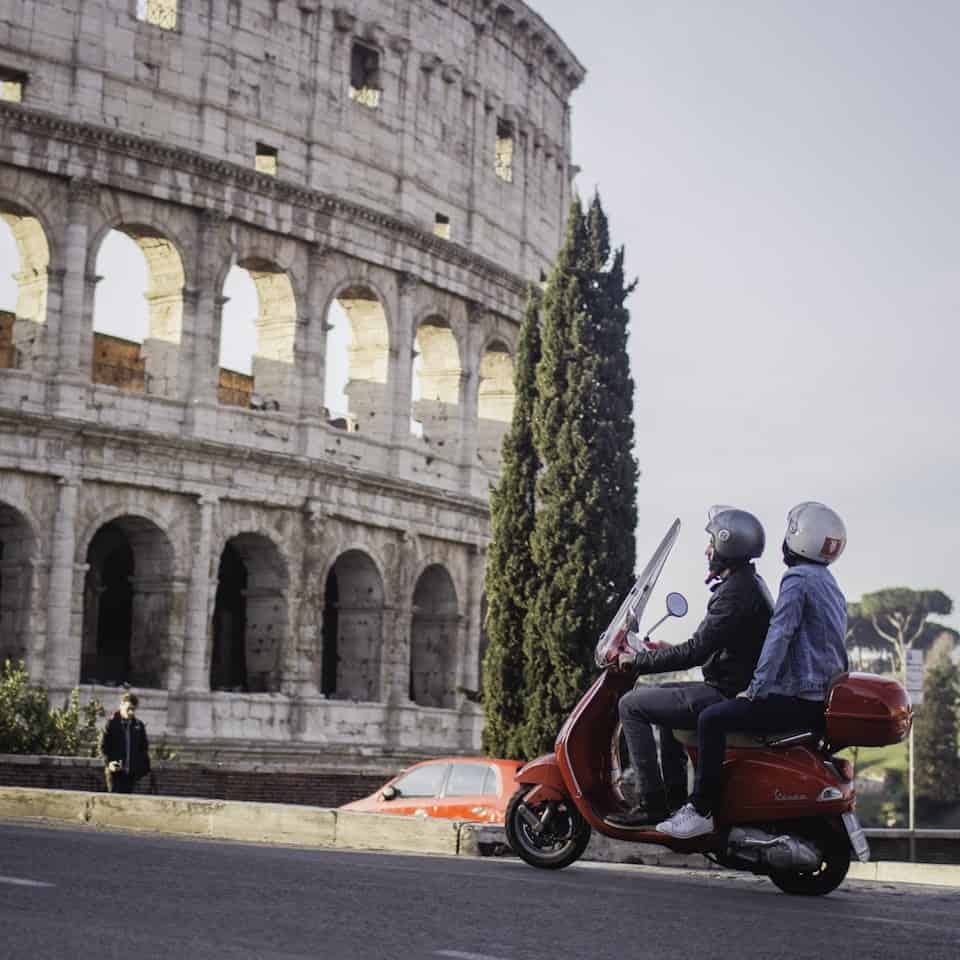
Easter weekend can also be the perfect excuse to experience Rome in a more vivid and memorable way. Beyond Easter lunch and museum visits, you could spend an afternoon wandering through the historic center on a small group walking tour that takes in some of the city’s most iconic sights before ending inside the Pantheon. For something more cinematic, a vintage Vespa tour offers a wonderfully Roman way to see the city, gliding past grand monuments and postcard views in true dolce vita style. Those looking for a more local, creative side of Rome might prefer a photo walk through Pigneto, followed by an aperitif in one of the capital’s most characterful neighborhoods. And, of course, if it’s your first time in the city, Easter is also a great moment to revisit Ancient Rome with a guided Colosseum tour including the Roman Forum and Palatine Hill.
On Easter morning, the traditional breakfast is one of Italy’s must-have traditions. This meal, a kind of brunch, consists of cold cuts, hard-boiled eggs, different kinds of cheese, Easter pizza (sweet or savory), fruit, and freshly opened chocolate eggs. This traditional breakfast can also include tasty vegetarian options such as erbazzone, a typical Italian savory quiche stuffed with wild herbs and spices that vary from region to region.
Easter in the Museums of Rome
From April 1 to 6, Pasqua nei Musei returns, a special program organized for Holy Week featuring extraordinary openings, guided tours, workshops, and free educational activities across Rome’s civic museums and archaeological sites.
Throughout the initiative, the Capitoline Museums network will welcome visitors with its rich artistic and cultural heritage and will remain open even on Easter Monday. On Easter Sunday, which coincides with the first Sunday of the month, admission will be free.
For the full program and updates, visit the official website of Musei in Comune Roma and follow the social media channels of the network and the Capitoline Superintendence for Cultural Heritage.
Among the must-see exhibitions in Rome during the Easter period, we recommend:
The last day of celebration after Pasqua is Pasquetta. Easter Monday is usually spent by Italians as a day trip to the countryside. Families and friends meet to have a relaxing picnic in some of the beautiful parks of Rome, either organizing a nice barbecue or bringing the leftovers from the Sunday Easter lunch.
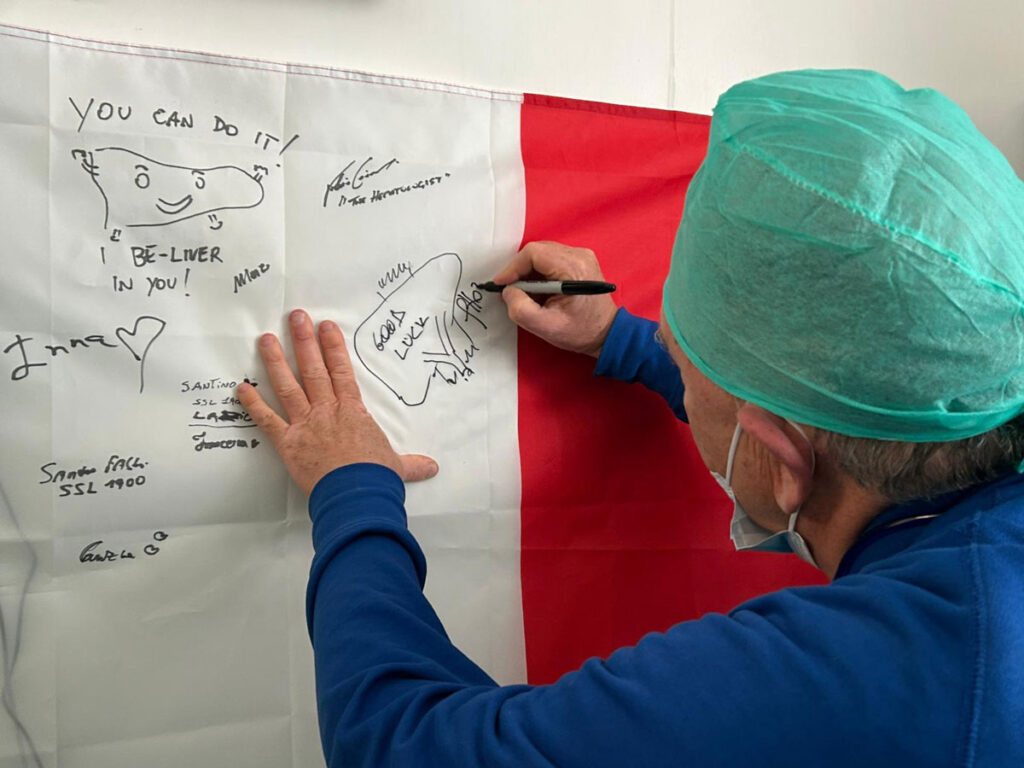
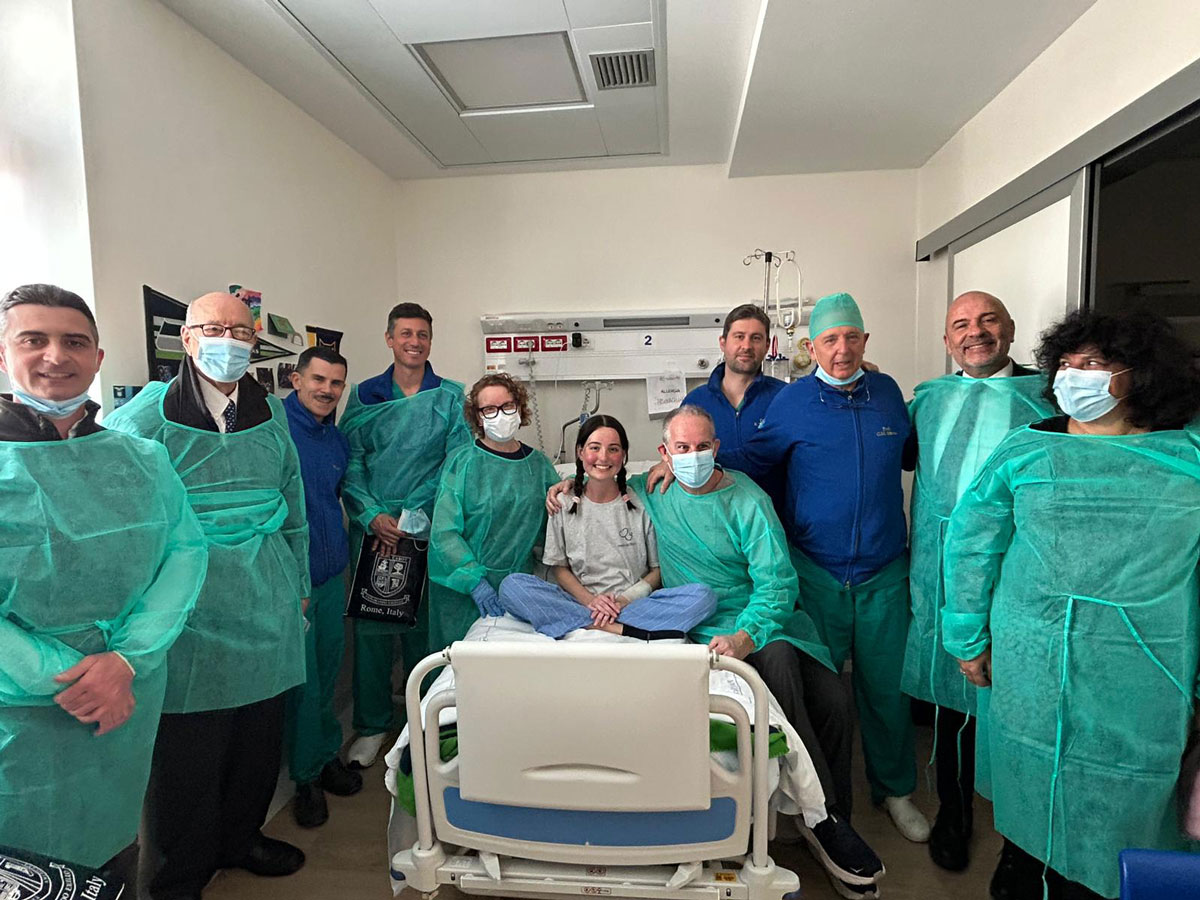
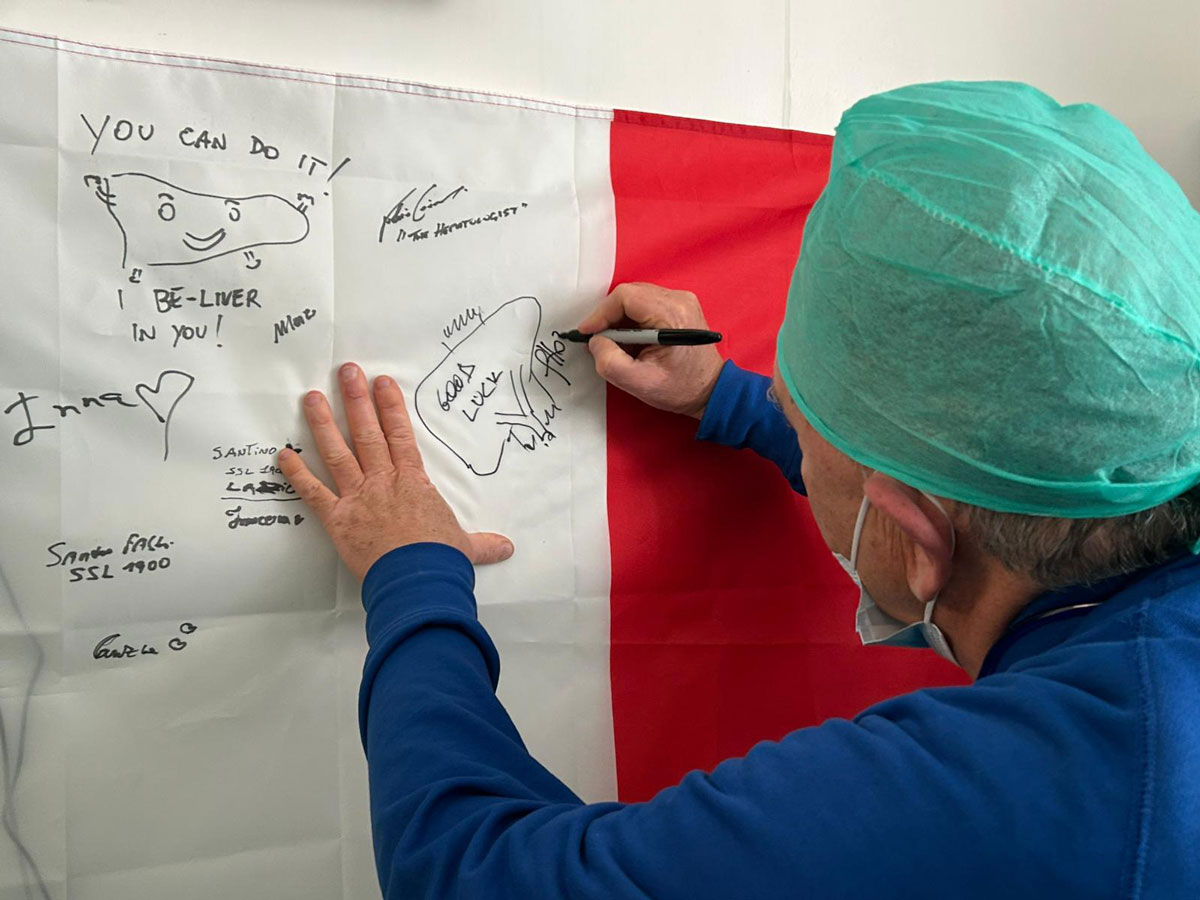
A semester abroad took an unexpected turn when a John Cabot University student developed acute liver failure and was saved by an urgent transplant in Rome
Studying abroad is meant to be a journey of discovery, adventure, and self-growth. But for 21-year-old Lucy McGovern from Seattle, her semester in Rome took an unexpected and life-altering twist.
What began as an exciting chapter in the eternal city quickly turned into a race against time, revealing the importance of quick medical response and the support available for international students far from home.
After arriving in Rome in January, Lucy began feeling unusually tired. At first, she assumed it was simply part of the adjustment that comes with change. But during a weekend trip to Budapest, her condition worsened dramatically: she became extremely fatigued, and her skin and eyes turned yellow.
At that point, scared, Lucy contacted Dr Andrea Guerriero, medical advisor to John Cabot University and Chief Medical Officer at MedinAction, a 24/7, English-speaking, on-demand medical service for travelers, expats, and students in Italy. Dr Guerriero sensed the possible seriousness of the situation and advised her to return to Rome immediately. From that moment, a rapid support and referral process was set in motion to ensure she received urgent care as quickly as possible.
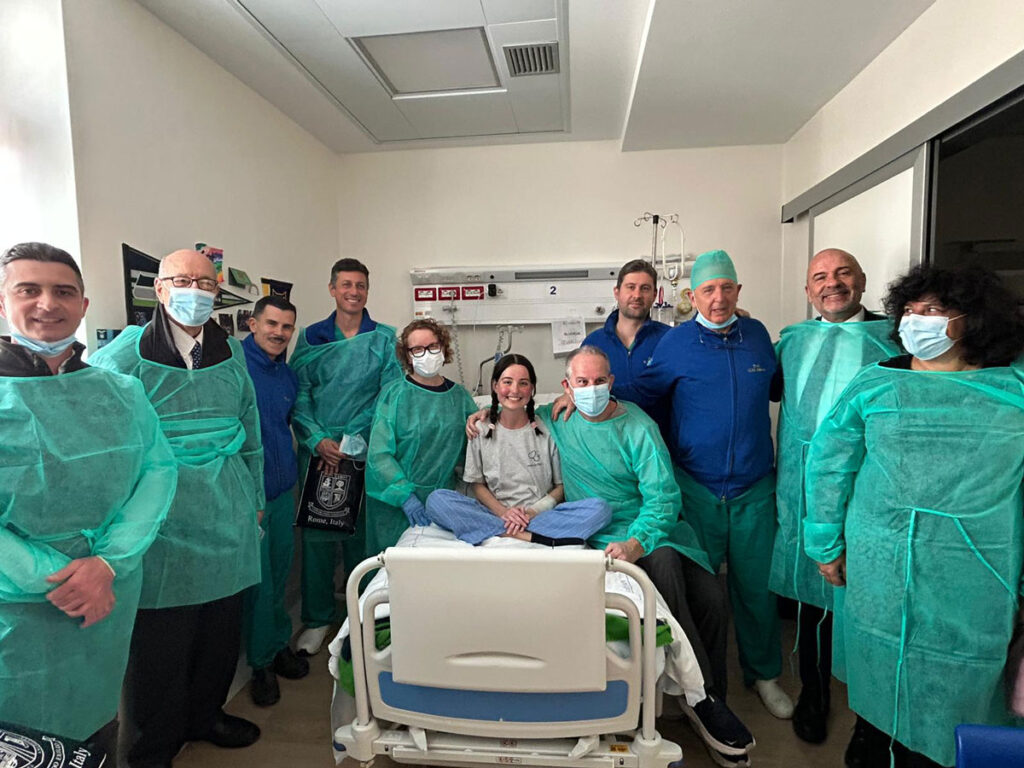
Once back in Rome, Lucy was first taken to UPMC Salvator Mundi International Hospital and then transferred to San Camillo-Forlanini Hospital. There, hepatologist Valerio Giannelli led the tests and examinations that resulted in the diagnosis of Wilson’s disease, a rare genetic disorder that in Lucy’s case had caused acute liver failure.
Acute liver failure (ALF) is a rare and serious condition where the liver stops working properly in a short amount of time, often in just a few days, even if the person had no previous liver problems. It can be life-threatening if not treated quickly. Therefore the only way to save her life was an urgent liver transplant.
Fortunately, thanks to the dedication of the medical professionals in the Italian health system, in a matter of days, a donor organ became available, and Lucy underwent transplant surgery performed byProfessor Giuseppe Maria Ettorre, Director of General Surgery and Organ Transplantation, together with his team at San Camillo-Forlanini.
The operation was successful. Weeks later, Lucy is now in the company of her parents and is reportedly recovering without complications from the intervention.
For Rome’s international community, this story is a powerful reminder of how essential it is to have timely medical guidance, clear communication, and reliable support when facing a health emergency abroad.
In unexpected critical moments, information, speed, and human care can make all the difference.
A new spin-off edition featuring open studios, a citywide exhibition format, and performances in one of Rome’s most creative districts.
After the success of the last edition in the Historic Center, Romadiffusa is back with a new spin-off edition and heads to San Lorenzo, one of the Roman neighborhoods with the highest concentration of creative spaces. On March 21–22, 2026, for an entire weekend the district will turn into a roaming cultural festival of open studios, pop-up exhibitions, performances, workshops, tours, and meetups with artists, curators, and gallerists, bringing contemporary art into everyday and unexpected places.
At the core of the program is a network of over 50 artists’ studios, artist-run spaces, and galleries, with special openings and dedicated events. Fondazione Pastificio Cerere will host a weekend centered on its current exhibitions, with guided visits, activities for children, and performative moments. Neighborhood galleries will welcome the public with meetups and evening openings, from MATÈRIA to Monitor, Monti8, and Gilda Lavia, while experimental spaces like ORO Project and LEMBI expand the route with installation-based research and new crossovers.
Among the most interesting highlights, Numero Cromatico will open its studios with a special activation featuring lecture performances and a participatory project linked to the festival’s official merch. Contemporary art will step outside its usual venues and weave into the neighborhood’s fabric: works by artists such as Paolo W. Tamburella, Quayola, and Pietro Ruffo will appear in some of San Lorenzo’s iconic everyday spots, while a dispersed exhibition curated by Gianni Politi will bring emerging artists’ works into workshops, bars, bookshops, and historic local addresses.
Visitors can also join guided tours to rediscover San Lorenzo, from street art to contemporary architecture, alongside a program dedicated to independent publishing, photography, and artisan practices, with workshops and special openings. The edition is supported by Soho House Rome, and the full program will be announced in the coming weeks and published on romadiffusa.com.
Carnival is celebrated all around the world, but like “all roads,” it likely has roots in Rome. Now a Roman Catholic celebration, Carnival takes place in the days before Lent, the 40-day period in which Catholics abstain from a chosen vice (the word Carnevale comes from carnovale, which means “removal of meat”). However, Carnival probably started as the pagan Saturnalia festival of ancient Rome.
Origins of Roman Carnival
Saturnalia suspended work and business, temporarily “freed” slaves, and eased moral restrictions. Saturn was the Roman god of agriculture, and the festivities honoring him involved decorative masks, rituals and drunken parties.
The festival was adopted in the age of Catholicism with a few adaptations. As early as 1143 AD, the Pope held ceremonies in today’s Testaccio neighborhood of Rome. This included jousting, duels, and hunting. However, it wasn’t until Pope Paul II came to power and relocated his residence to Piazza Venezia that Carnevale truly took off. The Carnival festivities moved there with him, making Via Lata (now Via del Corso) a natural setting for the most anticipated events of the Carnival: the Inaugural Parade and the Race of the Barbary Horses.
Via del Corso: track of the Berber horse race
Via del Corso was the central racetrack of Carnival. The races started in Piazza del Popolo and stretched down Via del Corso, ending at Piazza Venezia. There were races for children, elderly people, donkeys and buffaloes. One pope, Alexander VI Borgia, even introduced a race of prostitutes in 1501. Of all the competitions, the Barbary horses created the most chaos. La Corsa dei Berberi, “The race of the Berbers,” focused on a specific breed, known as the Berber horse, or Barb horse, which was bred prolifically in ancient Rome for its strength, stamina and speed. Those qualities made the animals the ideal chariot horses for competitors in Circus Maximus. Their reputation carried on into the Roman Catholic Carnival.
Noble families contributed male Berber horses to participate in the race and braided colorful ribbons into their manes. Spectators gathered at Piazza del Popolo to watch the preparation of the horses and make wagers. Uninhibited by riders, the horses galloped about a mile, finishing in Piazza Venezia, where the owners of the winning horse were presented with a decorative saddle.
Modern celebrations of Carnival across Italy
The equine race was abolished in 1874 by King Vittorio Emanuele II after a lethal accident, and since then, Rome’s Carnival festivities have gone mostly dormant. The spirit of the carnival, however, has survived through special celebrations such as those organised by cultural associations like “Il Carnevale Romano Storico”. This association operates in the fields of cultural promotion and strives to preserve the tradition of the Roman Carnival.
The last celebration of Carnival organised by “Il Carnevale Romano Storico” was held before the pandemic, but the celebrations organized in the past have included theater performances, historical re-enactments, the famous equestrian parade, fireworks, street art performances, concerts, and masquerade balls.
Jean Louis Baptiste Thomas, La festa dei Moccoletti, 1817
The modern carnival has even included the famous Candles Feast or “Festa dei moccoletti”, a group game which used to conclude the Roman Catholic Carnival. The feast took place at sunset on the evening of Mardì Gras. Participants wore decorative masks and carried a lit candle or a lantern, trying to maintain their flame while simultaneously attempting to extinguish other participant’s lanterns. If your flame went out, you were forced to take off your mask.
Some Carnival celebrations have revived in the rest of Italy too. Since its reinstatement in 1979, Venice’s Carnival has brought revellers to canals for parades in which colorful floats dance on water and acrobats twirl and balance on tightropes. Decorative masks and costumes shroud the city in mystery. The regions of Piedmont and Sicily are also known for their celebrations, which include similar events involving shiny masks, and elaborate costumes.
Today in Rome, you might see some costumed and masked characters around Piazza Navona and Via del Corso, but the holiday is mostly celebrated by children in school. Shrove Tuesday, or Martedì Grasso, falls on February 17 this year, so look out for Carnival festivities leading up to that date. Try popular Carnival foods like castagnole, the famous sugar-coated fried dough balls, or snack on frappe, which are crunchy strips of fried dough dusted with powdered sugar.
Il Carnevale dei Burattini (puppet show) | 7–15 Feb 2026 At Teatro San Carlino in Villa Borghese, this is one of the most reliable family picks: a Carnival-themed puppet show paired with a festive atmosphere designed for kids (with specific weekend showtimes and special matinées).
Tiber Carnival (Carnevale Tiberino) | Sat 14 Feb 2026, from 10:00 A playful, sport-meets-Carnival event along the river, starting at Scalo de Pinedo (Flaminio area). Expect masks, activities on the river (including canoes and similar gear), plus a costumed walk along the banks that heads toward Castel Sant’Angelo.
Carnevale for kids at Casina di Raffaello | Tue 17 Feb 2026, from 10:00 Casina di Raffaello (Villa Borghese) hosts a Carnival day for kids on Tuesday, February 17, 10:00 am–7:00 pm, with creative workshops and story readings to spark imagination and transform into funny animals and fantastic creatures. Price: €8 per child, per workshop.
Carnival Skate at the Pincio (in costume) | Sun 15 Feb 2026, 14:00 The Pattinatori del Pincio invite everyone to roll in costume. Meeting point is 14:00 at Ponte del Pincio (Piazzale dei Martiri). Families usually keep to Villa Borghese paths, while more confident skaters head farther out into the city for a noisy, confetti-filled ride.
Marconi Carnival Parade (Sfilata di Carnevale a Marconi) | Sun 15 Feb 2026, from 14:30 A classic neighbourhood parade with a very local feel: meet at 14:30 at the Parrocchia Santi Aquila e Priscilla (Via Blaserna), depart at 14:45, and follow the route through the Marconi area toward Parco Tevere Marconi, with music, masks and plenty of colour.
La Tarantella del Carnevale | Sun 15 Feb 2026, 18:00 A big folk-energy celebration at Auditorium Parco della Musica Ennio Morricone: traditional masks, dancers and live music culminating in the main concert at 18:00 in Sala Sinopoli. Many editions also include a pre-show masked parade in the outdoor spaces.
Carnevale A Mare | Fiumicino, Sun 8 Feb and Sun 15 Feb 2026 For an easy day trip: on 8 Feb, the programme includes a market (morning through late afternoon) and street entertainment. On 15 Feb, the big highlight is the grand parade along the waterfront area (Via Torre Clementina zone), with groups in costume and floats.
If you’re ready to have a good time, many clubs in Rome throw carnival parties and themed events. Don’t forget, you might need to wear a mask!
We all have that image in our minds, fostered by popular culture, of a beautiful woman standing in the dark, skin lit up by candles, her eyes glimmering behind an ornate mask that gives her added mystery. She is laughing at something a man has said, holding a cocktail in one hand and leaning against a balustrade with the other. Then we get a larger view of where she is standing, the balustrade is part of a bridge, a bridge that curves over a canal. Everyone is wearing masks, dressed to the nines, celebratingan old Italian tradition: Carnevale.
How old, exactly, is this tradition? According to popular myth, it began in Venice a thousand years ago, in honor of a military victory. But like many carnival celebrations around the world (for example, Mardi Gras) it centers around Easter, and is a celebration of the more wild and debaucherous side of life just before the Catholic observance of Lent, when the ritual of fasting begins.
In this list, you’ll learn about the best cities to visit during Carnival. Rome, unfortunately, doesn’t have the best Carnevale scene, but there are plenty of other places that do. Read on, learn which tradition suits you best, and book a train and buy tickets for events to your party place of choice!
Venice
31 January – 17 February 2026
Venice is the first place we think of when we think of Carnevale. Situated in the northeast of Italy, this dreamlike city is made up of 117 islands that are connected by bridges that cross canals. The effect? Moonlight reflecting on the water. Fog rising in the night that gives the streetlights halos. Slip on your mask and into a gown, attend a grand ball, and walk through the ornate streets at night, carousing with strangers and friends.
Viareggio is a colourful seaside town, which means that the Carnival celebrations take place right on its shores. Most famous is the parade of papier-mâché floats; but this is just one of the many activities that take place over the course of a month, including night festivals, fireworks displays and cultural, artistic and gastronomic events.
For a historical Carnival experience, head to Ivrea, a town near Turin in northern Italy. Don’t miss the Battle of the Oranges, a historically-themed spectacle depicting the liberation of the town’s people from a tyrant king a thousand years ago. In addition to this spectacle, which any history buff would appreciate, there are historical costumed characters throughout the city and crowds wearing Phrygian caps, representing freedom. Other events are children’s parties and gala balls.
The city of Acireale hosts what has been voted the most beautiful carnival in Sicily, and there is a reason for this. Acireale boasts one of the oldest carnival traditions on the island, with papier-mâché floats using a combination of lights, flowers and hydraulic systems. If you want to be amazed by endless beauty, not only of the floats but also of the island itself, this is the place to be. Some events: musical performances, street performers (e.g. magicians and acrobats).
In Putignano (Apulia) the celebrations seem never-ending! Four parades, with not only the typical papier-mâché floats but also masked dancers. The different historical social classes are represented in and protagonists of the festivities: clerics, priests, widowers, young savages, married women and married men… at the end of the celebrations, fake priests run around the city shouting ‘Carnival is dead!’. Some events: visits to wine cellars, readings of poetic satire, art exhibitions.
There are endless opportunities for Carnevale in Italy, these being the most famous—but you can also check out celebrations in Milan, Verona, Alto Adige, Fano, and Sciacca. Italy is the place to be for Carnevale—so get out and party!
Valentine’s day is just around the corner and lots of us are still trying to figure out how to impress our date! But if you live in the Eternal City, you’ve got a jump on most people. We live in the mecca of love. We’ve got temples, ruins, amazing views, yummy food and hidden gems all around. There are plenty of great ways to make this day special in Rome. Give one of these a go, and we know your date will be impressed!
Living in the Eternal City has its perks. For one, we have some of the best views in the world. And what’s more romantic than admiring the views with your loved one? Take your other half to the Orange Garden, perched on top of Aventine Hill, and don’t forget to peek into the keyhole of the Knights of Malta just footsteps away. Early morning is the best time to go.
Another must-stop is Terrazza Caffarelli, between the Capitoline Museums and the Campidoglio. It’s the ultimate place to admire a picture-perfect Roman sunset. Take a romantic walk along the paths of Villa Borghese and reach the Terrazza del Pincio, looking over Piazza del Popolo: from here you can enjoy one of the most stunning views on the city center. Also in Villa Borghese, what could be more romantic than renting a small boat in the park’s lake and rowing to the small Aesculapius Temple?
The view from the Gianicolo Hill is one of the most famous of the city too, and includes the Pantheon, Castel Sant’Angelo and St. Peter’s Basilica. We suggest you go there at noon to catch a cannon that has been fired at this time since 1847, to mark mid-day in Rome.
2) A luxury staycation
To celebrate Valentine’s Day, why not book a romantic staycation at one of Rome’s luxury hotels? Many of the most beautiful and iconic hotels in the city propose special offers for the most romantic day of the year.
Rome Cavalieri is the perfect place to celebrate love. Its restaurants and spa offer a wonderful blend of luxury and relaxation, creating an ideal setting for romantic moments. Couples staying at the hotel can immerse themselves in an atmosphere of pure elegance, enjoying refined rooms and suites that exude charm. Deluxe Room from €380
Castello della Castelluccia, a romantic castle just outside Rome, is opening the doors of its elegant rooms and suites for Valentine’s Day, each one different and decorated in its own original style. Surrounded by green meadows and rolling hills, it’s the perfect hideaway for a romantic escape just minutes from the city. Overnight stays start from €180, with breakfast included.
TH Roma Carpegna Palace (Via Aurelia) is a sweet Valentine’s staycation option, with a romantic candlelit dinner featuring local wines. The package includes an overnight stay in a double room plus breakfast for two, starting from €210.
For a chic Valentine’s staycation, D.O.M Hotel Roma (Via Giulia) pairs a one-night stay with a romantic dinner at VERVE Restaurant, plus a bottle of Prosecco in the room on arrival. The offer also includes artisan-style continental breakfast and late check-out until 4:00 pm, from €350 in a Deluxe Double (or €450 in a Junior Suite Double).
At 47 Boutique Hotel, celebrate Valentine’s Day in style with the “To Rome with Love” package, featuring a romantic stay, a welcome treat, and a four-course gourmet dinner at 47 Circus. Available February 10–18. Prices vary depending on room category and length of stay.
3) A romantic dinner
Il Giardino Restaurant, Eden Hotel
If you’d rather not have a staycation, you could always treat yourselves to a fantastic dining experience for Valentine’s Day 2026. The Roman restaurant scene has prepared some special menus, either to be enjoyed at restaurants for lunch or at home for dinner.
At La Pergola, enjoy a Michelin three-star culinary journey crafted by Heinz Beck, featuring Mediterranean-inspired dishes like Amberjack with rosehip-scented marinated celery, pomegranate and oxidised chocolate, lobster on liquorice extract, turbot with pumpkin and ultrasound-enhanced beetroot, and a Valentine’s Dessert. The evening is complemented by prestigious wine pairings and live music for a complete sensory experience. €750 per person.
Hotel Eden Rome by Dorchester Collection presents for Valentine’s Day: – At Il Giardino Ristorante, enjoy panoramic views of the city, an exquisite four-course menu, and the company of your loved one—the perfect recipe for a romantic evening. Cost: €170 – At La Terrazza, the Michelin-starred restaurant at Hotel Eden, enjoy a six-course tasting menu by Chef Salvatore Bianco for an unforgettable dining experience. Price: €340.
Castello della Castelluccia, the ultimate romantic destination, has planned a four-course seafood menu to celebrate Valentine’s Day in a truly special setting. Treat yourself and your loved one to a memorable experience immersed in the romantic ambiance of this stunning castle. €75 per person.
Follie, the fine dining restaurant at Villa Agrippina Gran Meliá, celebrates Valentine’s Day with an exclusive menu created by Chef Alfonso D’Auria that celebrates love through dishes that take guests on a journey. €120 per person.
Tiziano Terrace at Monti Palace Hotel offers a menu that includes a bottle of Franciacorta, house appetisers, a mixed platter of cured meats and cheeses, and a special Valentine’s dessert (€100 per couple). A second menu is also available for €70 per couple, including one cocktail, appetisers and the house dessert. All to be enjoyed with a view!
This Valentine’s Day, Aleph Boutique Hotel invites you to experience Vintage Romance at its Sky Restaurant on the 6th floor. Enjoy a menu inspired by tradition and reimagined with refined elegance, taking you on a sharing-style tasting journey, course after course. €109 per person.
For Valentine’s Day 2026, DonnaE Bistrot, the Elizabeth Unique Hotel’s dining concept in Via delle Colonnette, invites couples to celebrate with an elegant five-course tasting menu by Executive Chef Riccardo Pepe, blending contemporary creativity with standout flavours from Basilicata. Price: €65 per person (drinks excluded), with an optional wine pairing at €40 per person.
At Moma, Chef Andrea Pasqualucci has crafted a refined Valentine’s Day menu. Starting with grilled oyster with Margarita and dill, the tasting continues with rose, caviar and Moscato rosa sauce, followed by foie gras terrine with chocolate, rosehip and raisin bread, then “pici aglio e olio” with chilli pepper and breadcrumbs, spaghettino with beetroot, gobetti shrimps and basil, and beef with red fruits, candied turnip, Cognac and red onion. The meal concludes with sheep’s milk yogurt and raspberries. Price: €200.
At Les Étoiles, you can celebrate Valentine’s Day either on the terrace or inside the restaurant, with two dedicated tasting menus.
Restaurant menu highlights: golden cacio e pepe squid, turbot with coconut and lemongrass, royal crab tortello, and crispy red mullet with black ink, tomato fondant, and buffalo sauce.
Terrace menu highlights: sockeye salmon tartare, roasted scallops with wild mushroom parfait and truffle, and a crispy heart-shaped lasagna with scampi.
To view the full menus and reserve, visit terrazzalesetoiles.com/en/. Price €65 (terrace) – €165 (restaurant).
Il Marchese celebrates Valentine’s Day with a selection of off-menu, love-inspired cocktails created just for the occasion, perfect to toast the night in a stylish Roman setting.
For Valentine’s Day, Masa Rooftop offers a special menu crafted by the chef, perfect for sharing with your loved one. Enjoy the evening with live music, all while dining under the stars and taking in a breathtaking view of Rome. Read the menu here. Price: €120.
Anavà, the new restaurant bringing the most authentic cuisine to the heart of the Capital, is also offering two special set menus for Valentine’s Day, accompanied by live music. Read the menu here. Price: €95.
For Valentine’s Day, Avenida Calò (Francesco Calò’s wine-focused pizzeria in the Olimpico area) hosts a romantic candlelit blind tasting: six courses designed by the award-winning pizzaiolo, plus pre-dessert and dessert. €80 per person
In the heart of Prati, Antela is the restaurant and cocktail bar that turns the NH Collection Roma Centro’s garden into an urban-jungle oasis. Chef Natale Giunta serves a gourmet menu inspired by top Sicilian and Italian ingredients, alongside sushi and creative dishes, while mixologist Daniele Zandri crafts original cocktails inspired by Latin sayings. Naturally, there’s also a special Valentine’s Day offering to celebrate the night in style. Price: €95.
4) Romantic experiences
Looking for a unique way to spend Valentine’s Day with your loved one? How about enjoying a jazz concert and dinner at Rome’s oldest jazz club, Alexanderplatz? Nestled in the lively Prati district, this iconic venue hosts a variety of Italian and international artists daily. The intimate ambiance of the club provides a timeless escape for a romantic evening.
For a more thrilling experience, explore Rome on a fun panoramic ride on a vintage Vespa. Ride by the Colosseum, Vatican, the Temple of Venus and many more sights experiencing everything the Eternal City has to offer. Take amazing pictures from beautiful scenic viewpoints and taste a bit of Rome by stopping for gelato and Roman street food.
For wine enthusiasts, treat yourself to the ultimate wine tasting experience at a charming boutique wine bar just steps away from Campo de’ Fiori. Immerse yourself in the expertise of the sommelier as they guide you through a delightful journey across Italy’s diverse wine regions.
Uncover the timeless charm of the Aventine Hill, a perfect romantic escape in the heart of Rome. Wander through medieval Christian monasteries and historic basilicas, pause in the enchanting Orange Garden. Don’t miss the secret keyhole perspective, offering a magical, hidden glimpse of Rome. End your journey with a sweet treat while soaking in the views of the Circus Maximus. For couples who love history, culture, and a touch of romance, this is an experience not to be missed!
We all wanted our own treehouse as kids. A place where we could unwind, relax and feel disconnected. But who said treehouses are only for children? Imagine a secret hideout, tucked away in the woods with beautiful views. Your private wooden shack suspended 8 meters from the ground. Cozy wooden walls, a private balcony overlooking the trees, completely immersed in the sounds of nature. If that’s not romantic, I don’t know what is. The good news is you don’t have to build your own treehouse, this time. You just have to get yourself to Viterbo to La Piantata, where your treehouse awaits and they will arrange the rest.
6) A surprise day trip to the lake
As Romans, we’re so lucky to be an hour away from lakes, beaches and mountains. If you’re able to take the day off, a day trip to the beautiful Lake Bolsena is the perfect way to spend your Valentine’s Day. Just an hour and a half from Rome, you’ll come across the beautiful lakeside town of Capodimonte – the gem of Lake Bolsena. Take a romantic walk along its lakefront, filled with cafes and gelaterias. Have a gourmet lunch along the lake at Pepenero and unwind afterwards by strolling the streets of its charming centro storico.
7) A day full of relaxation and wellness at Roman spas
Villa Agrippina Gran Meliá Spa
Enjoy some relaxation with your partner by enjoying a thermal treatment together.
Cavalieri Grand Spa Club celebrates love with a wellness, art, and Dolce Vita experience designed to share with friends and loved ones. Choose one treatment, either a facial or a massage, then unwind in the wet areas, relaxation room, and indoor pool. Finish with a blowout, complete with a complimentary glass of Champagne, and reunite at the Tiepolo Lounge for a signature cocktail in a refined setting. Price: €500.
From 1 to 15 February, The Eden Spa presents “Abbraccio d’amore”, a couples’ ritual designed to promote deep relaxation and emotional connection, featuring warm HöbePergh body wraps followed by the application of the Rich Nourishment Body Cream to nourish and brighten the skin. The experience ends with a private toast in an intimate, refined atmosphere. €250 per person or €480 per couple.
The Villa Agrippina Spa, a true wellness boutique, invites couples to unwind with its “Couple Rituals” experience, available throughout February. Two hours of total relaxation include access to the heated outdoor whirlpool pool, Finnish sauna, Turkish bath, sensory showers, and relaxation area, followed by two fully customizable one-hour massages. The ritual ends with two flutes of Champagne served with strawberries. Couple Rituals for two: €320.
For couples looking to celebrate Valentine’s Day with pure relaxation and connection, Six Senses Rome Spa offers the SPA Cuddle Day Experience, including access to the Roman Baths, a 60-minute candle massage for two, and a Valentine’s aperitivo at BIVIUM Bar for a refined, intimate finale. A perfect way to slow down, reconnect, and share a truly restorative moment. €420 per couple
Discover the new Trevi Fountain access rules, and which museums are now free for Rome residents
From 1 February 2026, Rome will introduce a €2 ticket for tourists and non-residents who want to step into the Trevi Fountain’s inner perimeter (“catino”) – basically the close-up area by the water and steps where everyone lines up for the classic coin toss and selfie.
The key point: the Trevi Fountain remains free to see from the piazza. The new fee only applies if you want the front-row, right-by-the-water spot.
Online via the official site listed as fontanaditrevi.roma.it (not yet active)
Via Sistema Musei ticket offices
At Tourist Infopoints
Through affiliated/partner sales points
Planning tips (so you don’t waste time)
If you just want the iconic view: skip the ticket and enjoy the piazza.
If you want the “coin-toss spot” photo: go early (right after 9:00) or aim for later in the evening.
Expect the inner area to operate with regulated flows/capacity, meaning you may queue even with the €2 fee.
What’s changing for Rome’s civic museums
The Trevi ticket is part of a broader reform affecting museums and monuments managed by Roma Capitale.
Big change for locals
From 1 February 2026, residents of the Metropolitan City of Rome will get free admission to the city-run museums and archaeological areas (including major ones like the Capitoline Museums, Ara Pacis, Trajan’s Markets, Centrale Montemartini, and more).
Step into 2026 with flair by attending a cultural event at one of the city’s museums, libraries, cinemas, music halls, and more.
The central theme of ROMA CAPODARTE 2026 will be the celebration of the 80th anniversary of the Italian Constituent Assembly (1946–2026). Taking place on January 1, the initiative will once again enliven Rome with a city-wide cultural marathon featuring over 100 events, almost all free of charge, across every neighbourhood.
This fifth edition aims to honour the journey toward freedom that emerged from the resistance against Nazi-Fascism and laid the foundations for our democracy. To underline the value of this legacy, 10,000 copies of the Italian Constitution will be distributed free of charge throughout the day during events held across all 15 of the city’s districts (Municipi).
On January 1, the city hosts 100+ events across squares, museums, theatres and venues in every neighbourhood, with three main stages lighting up different areas of Rome.
Piazza Navona kicks off at 3:30pm with a comedy line-up (Beatrice Rigillo, Emanuela Cappello, Raffaello Corti “Faccestamagia”, and poet-performer Lorenzo Maragoni), then from 6–10pm becomes a tango ballroom for the New Year Milonga with tango icons Daiana Guspero and Miguel Ángel Zotto, followed by DJ Lavinia Livi.
Outside the centre, Rampa Prenestina (Municipio V) hosts a live concert-show from 6pm with Andrea Rivera, Margherita Vicario, Villa Ada Posse, StabLinda, and Baro (with vocalist Lyst), plus six art installations.
At Acilia Station (Municipio X), from 6pm there’s a K-POP show with dance and meet & greet, followed by hip hop/breakdance crews; from 8pm a rap-focused stage features Piotta, Nesli, Beba, and Jelecrois.
Live Music & Performances
On January 1, live events take over squares, museums and theatres across the city. In Via Margutta (3–6pm), an open-air concert alternates music with readings from the Italian Constitution. At the Capitoline Museums (6:30pm), actors Massimo Wertmüller and Anna Ferruzzo present a staged reading from Homer’s Iliad with live music, turning epic into a contemporary reflection on peace and the Constitution’s rejection of war.
At Auditorium Parco della Musica Ennio Morricone (3–8pm), Il Primo Ballo is a city-wide dance “invasion” featuring tango, swing, balfolk, urban dance and standard ballroom across indoor and outdoor spaces, plus a workshop-performance on manipulative rhetoric (Come parla il perfetto dittatore, 5pm). Elsewhere, concerts and shows continue in multiple districts—from swing with Constitution-themed readings (Piazza Balsamo Crivelli) to community performances (Piazza Roberto Malatesta), a Constitution-focused show with the inclusive Blind Inclusive Orchestra (Teatro Tor Bella Monaca), and an intergenerational programme of music, theatre, readings and comedy at Pinispettinati (Municipio VII). The day also includes a theatre piece on Artemisia Gentileschi (Ex Fabbrica Campari) and a musical marathon at Ponte Milvio featuring readings on freedom of expression, art and culture.
Talks, Readings & Cultural Itineraries
At Palazzo Esposizioni (6pm), a reading-performance tells the story of Adele Bei, one of the “mothers” of the Constituent Assembly. In Piazza Cina (3:30–6pm), Constitution readings are paired with a talk by social educator Azzykky. Teatro del Lido (6pm) hosts Madri Costituenti, a reading and discussion inspired by Piero Calamandrei’s 1955 speech and the stories of the women of the Constituent Assembly.
In Largo Alessandrina Ravizza (3:30–7pm), artists and residents co-create three murals, each dedicated to a constitutional value, accompanied by live readings. Four themed cultural itineraries explore symbolic places in Rome linked to specific constitutional articles (including routes in Villa Borghese, Porta Maggiore, and San Lorenzo), plus visits to the Bunker at Villa Torlonia (3pm and 4pm).
Cinema & Screenings
In Trastevere, Spazio S.c.e.n.a. presents a New Year film programme with a tribute to Gian Maria Volontè (Il terrorista, 4pm) followed by Paola Cortellesi’s C’è ancora domani (6pm). At Casa del Cinema (Villa Borghese), two Vittorio De Sica classics screen: Sciuscià (11am) and Ladri di biciclette (8pm), alongside the documentary Figlio di Giano (5pm). Nuovo Cinema Aquila hosts an event focused on Article 1 (“Italy is a democratic Republic founded on work”), with discussion and selected documentary excerpts, plus a screening touching on globalisation.
Activities for Children & Families
At La Pelanda (Mattatoio) from 3pm to 7pm, La Repubblica del gioco offers cooperative games, collective building activities, circus practices and performances inspired by constitutional principles such as community, participation and freedom. Palazzo Esposizioni hosts a kids’ art workshop (Dritti ai Diritti, 4:30–6pm) focused on imagining new rights and creating posters. In Municipio V, Teatro Biblioteca Quarticciolo runs a creative writing lab (4pm) linked to Article 21 (freedom of expression).
Several public libraries also join with themed readings and displays tied to key constitutional articles (work, peace, freedom of thought, culture/environment, equality).
Theatre, Music, Cinema & Encounters
The day opens with the traditional concert by Rome’s Local Police Band in Piazza di Spagna (12pm). The Teatro dell’Opera di Roma proposes La prima Opera buona dell’anno (from 3:45pm), with music, talks and guests, plus a photo exhibition in the foyer. Palazzo Esposizioni hosts a special literature–cinema–memory route that ends with a film screening, while Casa del Jazz features a live concert (6pm).
Across the city, additional concerts and events take place in museums and cultural venues, Ara Pacis, Capitoline Museums, Palazzo Braschi, Centrale Montemartini and Villa Torlonia, alongside talks, DJ sets, electronic music takeovers, theatre performances and monologues.
Many civic museums and the temporary exhibitions they host are free to visit throughout the day, along with major venues such as Palazzo Esposizioni, the Mattatoio and MACRO. A few flagship exhibitions are available with reduced admission, and some experiences require advance online booking (including Circo Maximo Experience, Villa Torlonia’s Bunker visits and Planetarium shows).
Several archaeological areas are also open, while curator-led visits and guided tours by the Sovrintendenza Capitolina offer deeper insights into exhibitions and collections, including special walkthroughs at the Capitoline Museums, Ara Pacis, GAM and Palazzo Braschi.
All information is available at www.culture.roma.it/romacapodarte, 060608 (daily from 9am to 7pm) or on social profiles #romacapodarte2026

 Connexion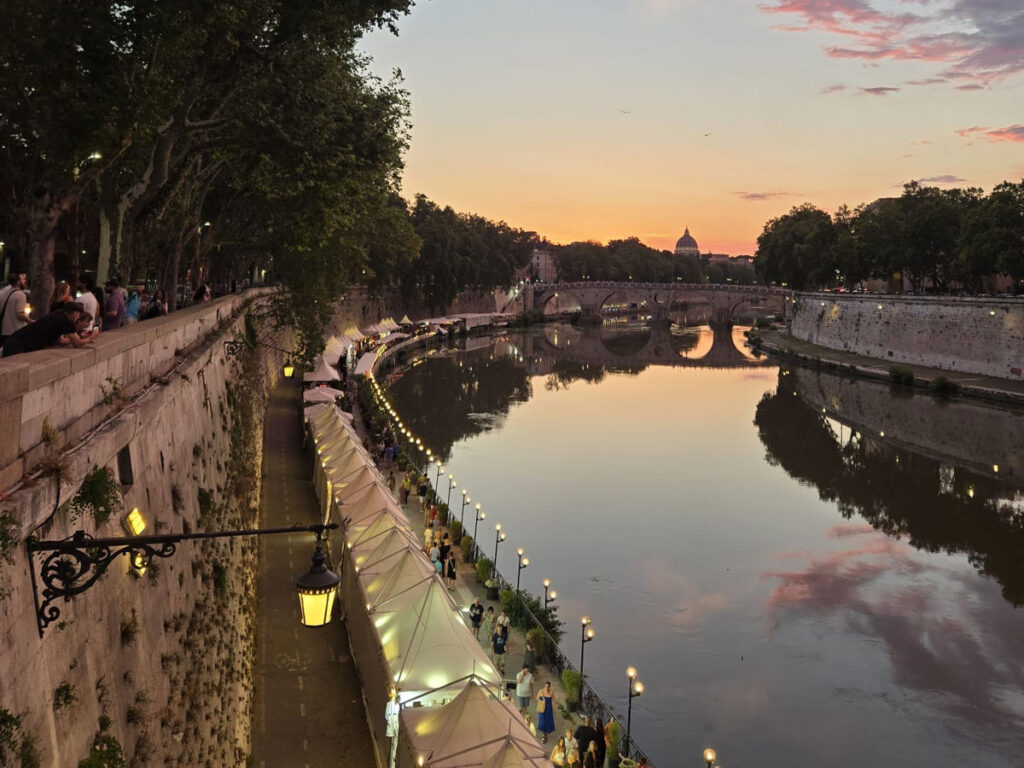
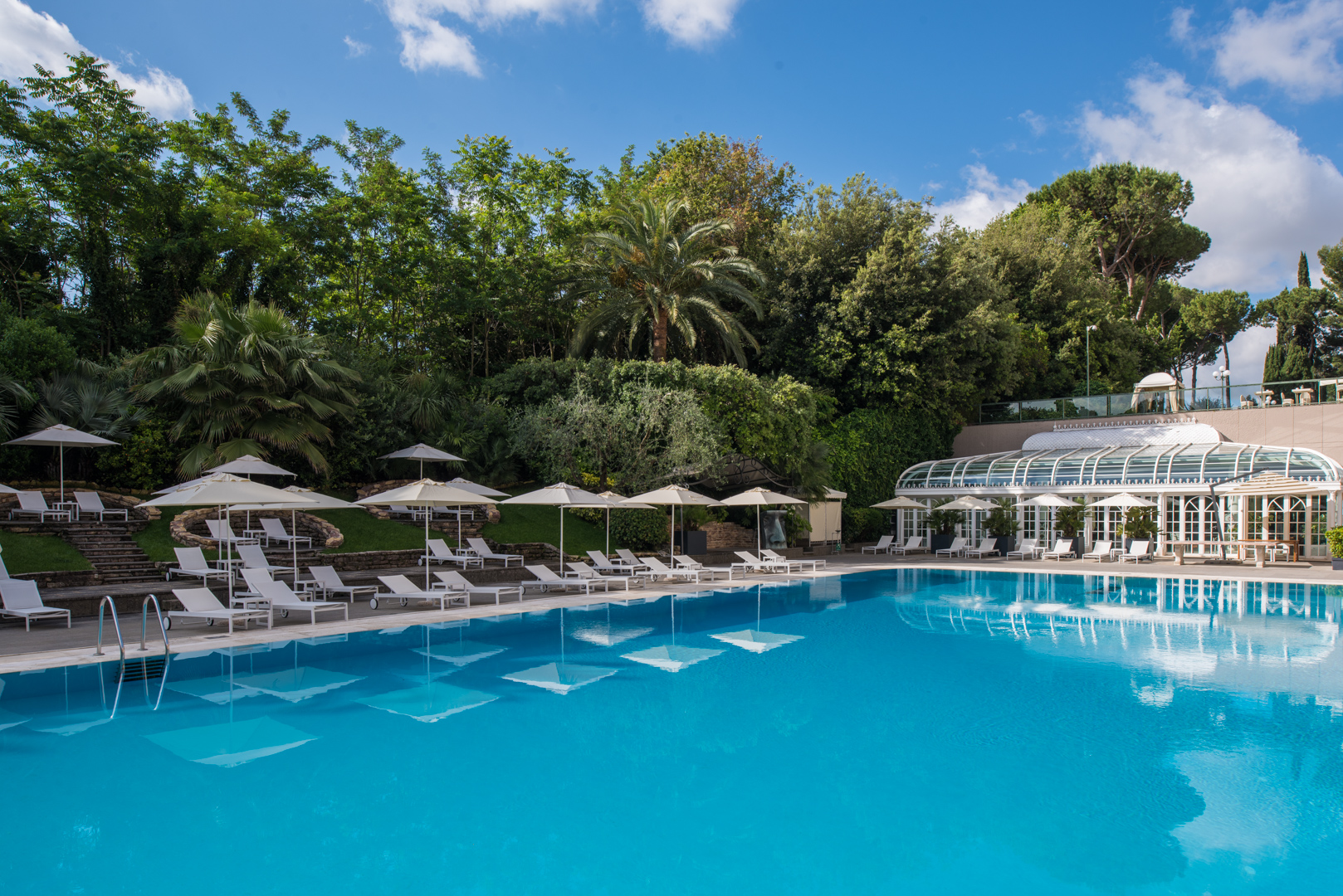
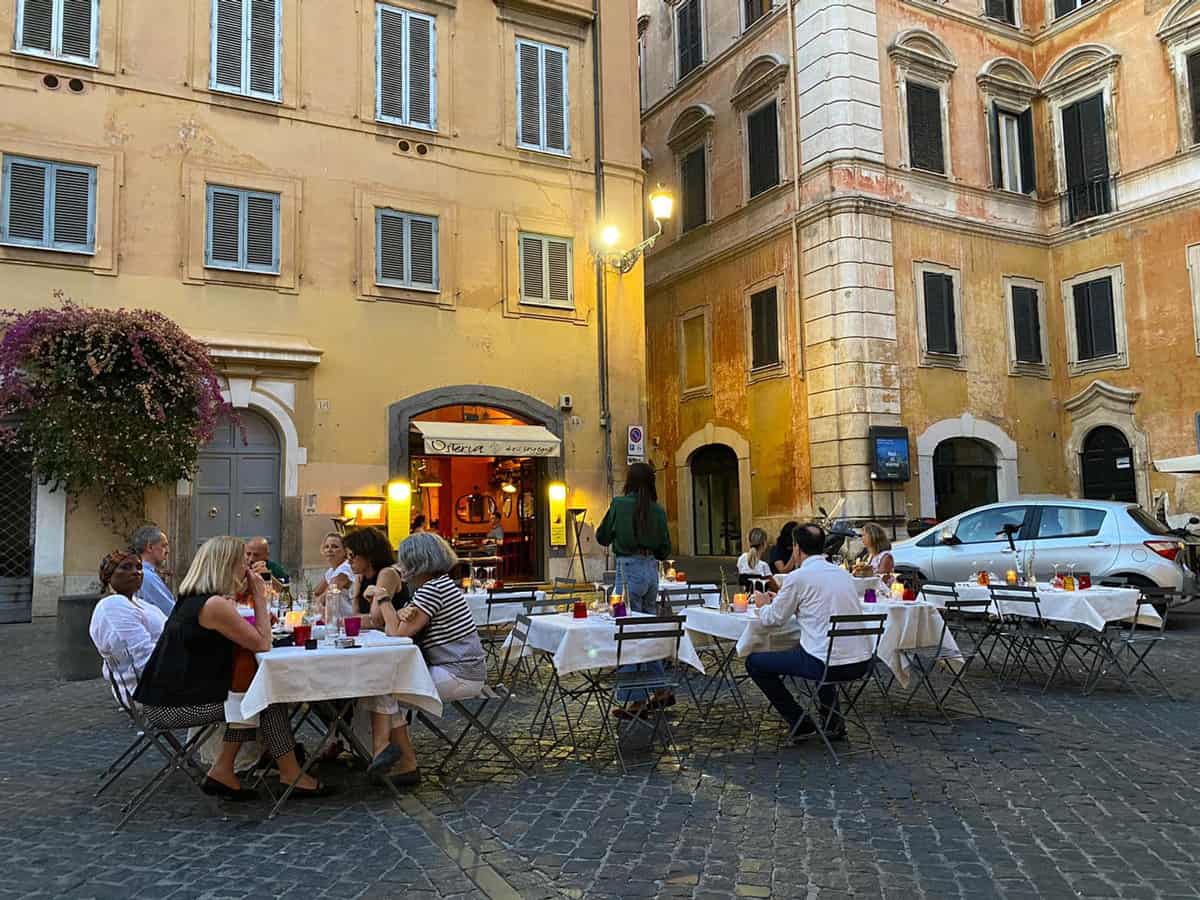
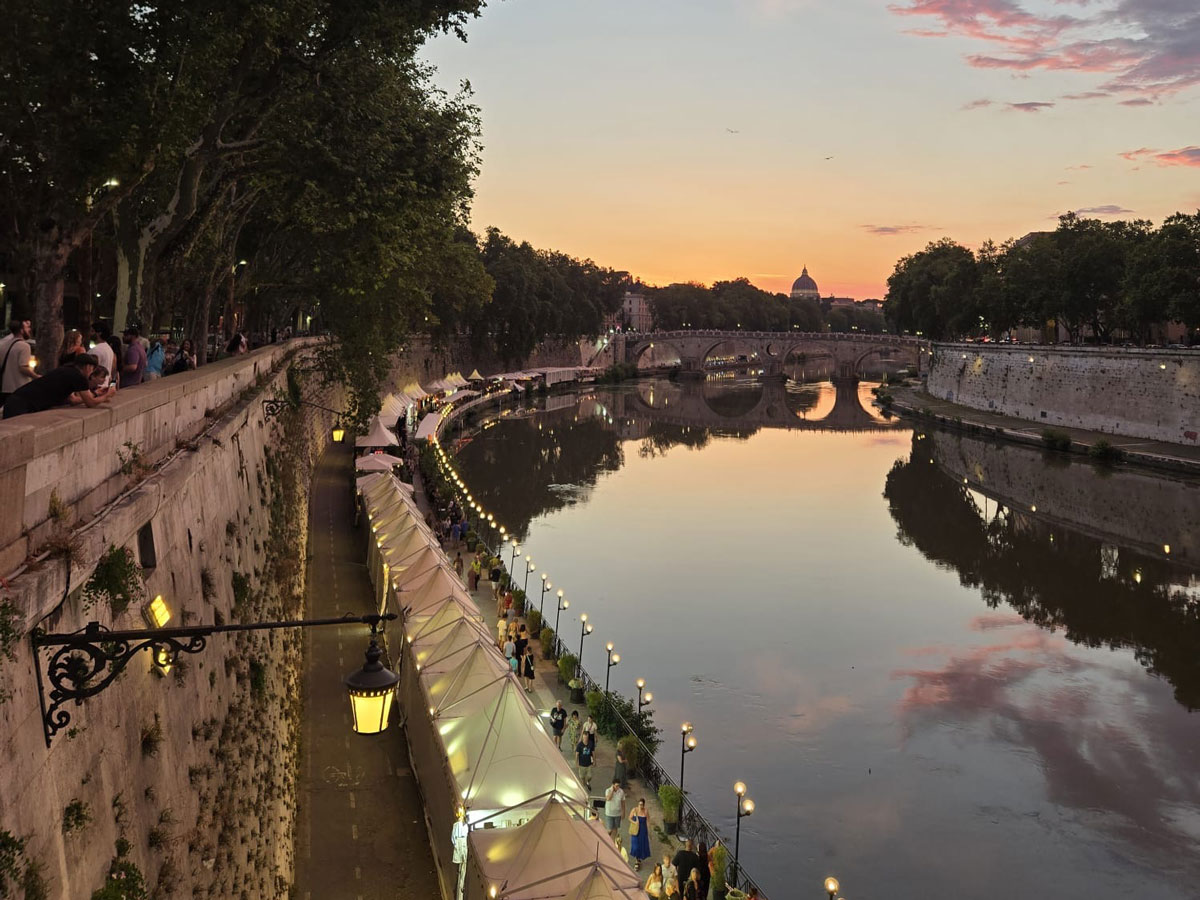


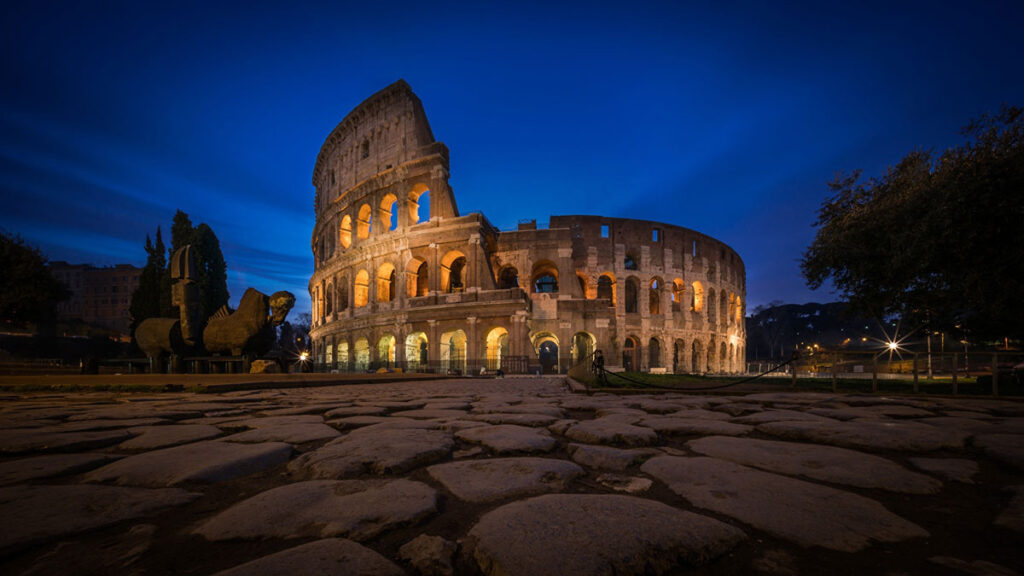

 Book your Pantheon Entry Ticket