The sweltering heat isn’t the only thing rising in Rome this summer. As of July 2026, the standard Pantheon entry ticket has officially gone up from €5.00 to €7.00. It’s not going to break the bank: an extra €2.00 to preserve 2,000 years of history is a small price to pay to stand inside the ancient world’s greatest architectural marvel. Even with the price hike, the Pantheon remains the cheapest major monument to visit in the entire city.
How Much Does It Cost to Visit the Pantheon in 2026?
The standard Pantheon ticket price is now €7.00. Reduced tickets and free entry categories (under 18s, Rome residents, worshippers attending mass) remain in place. For full visitor information, opening hours and history, read our complete guide to visiting the Pantheon.
When Is the Pantheon Free to Visit?
If you happen to be strolling past the coffee-scented streets of Piazza della Rotonda on a Sunday, you may be in luck: like the Colosseum and the Roman Forum, the Pantheon is completely free on the first Sunday of every month. Keep in mind you’ll have to queue for a physical ticket, as online booking isn’t available on free days.
On any other day, our advice is to book your Pantheon tickets online and in advance, when the piazza gets crowded, nobody wants to melt in line under the midday sun.
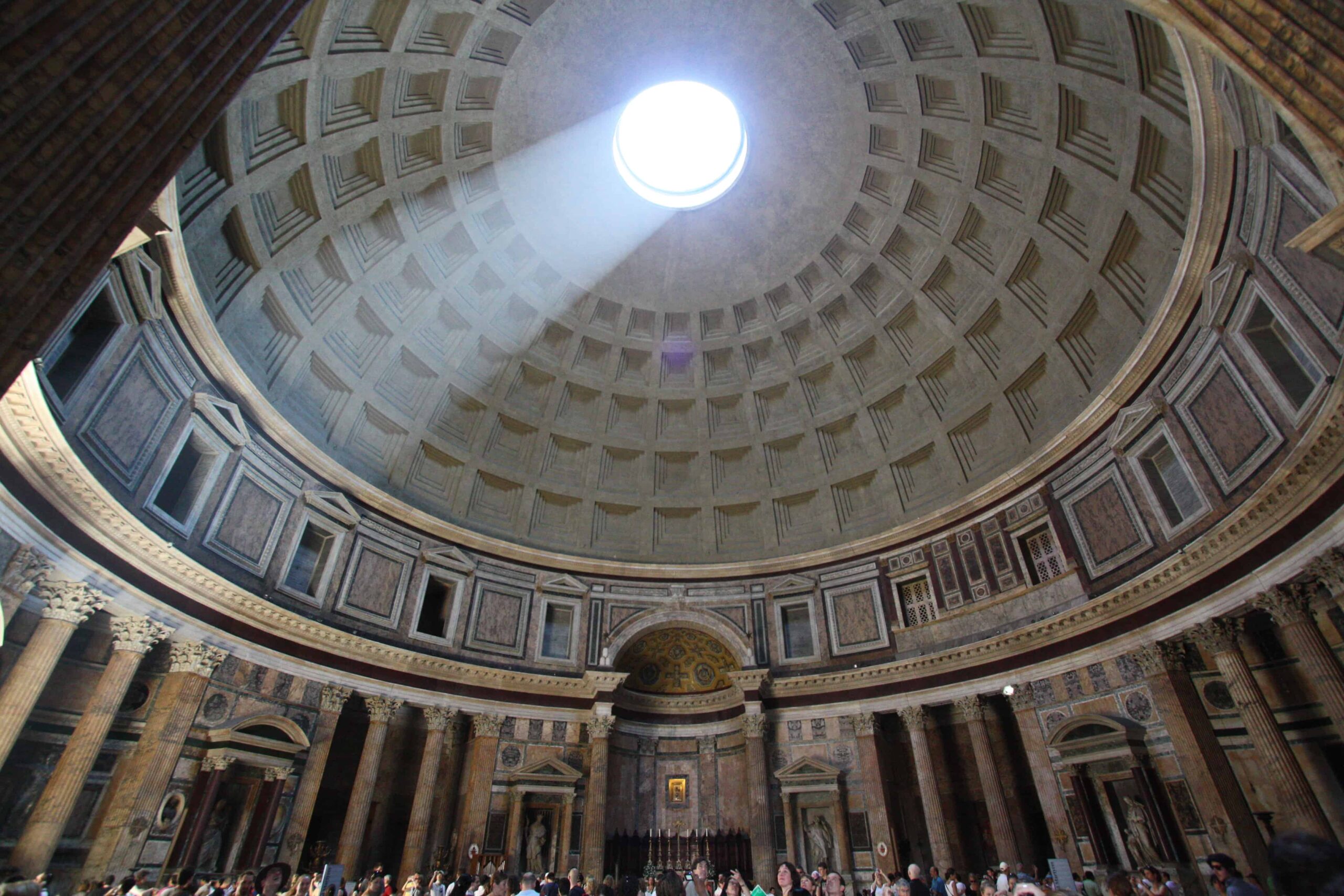
Absolutely. The dome of the Pantheon is still the world’s largest unreinforced concrete dome, rebuilt by Emperor Hadrian nearly two millennia ago. Born as a pagan temple dedicated to all the Roman gods, in 609 AD it was gifted to the Pope and consecrated as a Christian church, Santa Maria ad Martyres. The hole at the top of the dome, the famous oculus, is the building’s only source of light. And for those wondering what happens when the heavens pour: yes, it rains inside! Rain, hail, storms or religious upheaval, the most fascinating thing about the Pantheon is its survival story.
Want to Get More Out of Your Visit?
A guided visit brings the Pantheon’s 2,000 years of history to life. Here are two experiences we recommend:
Why Booking a Guided Colosseum Tour Is the Smartest Choice
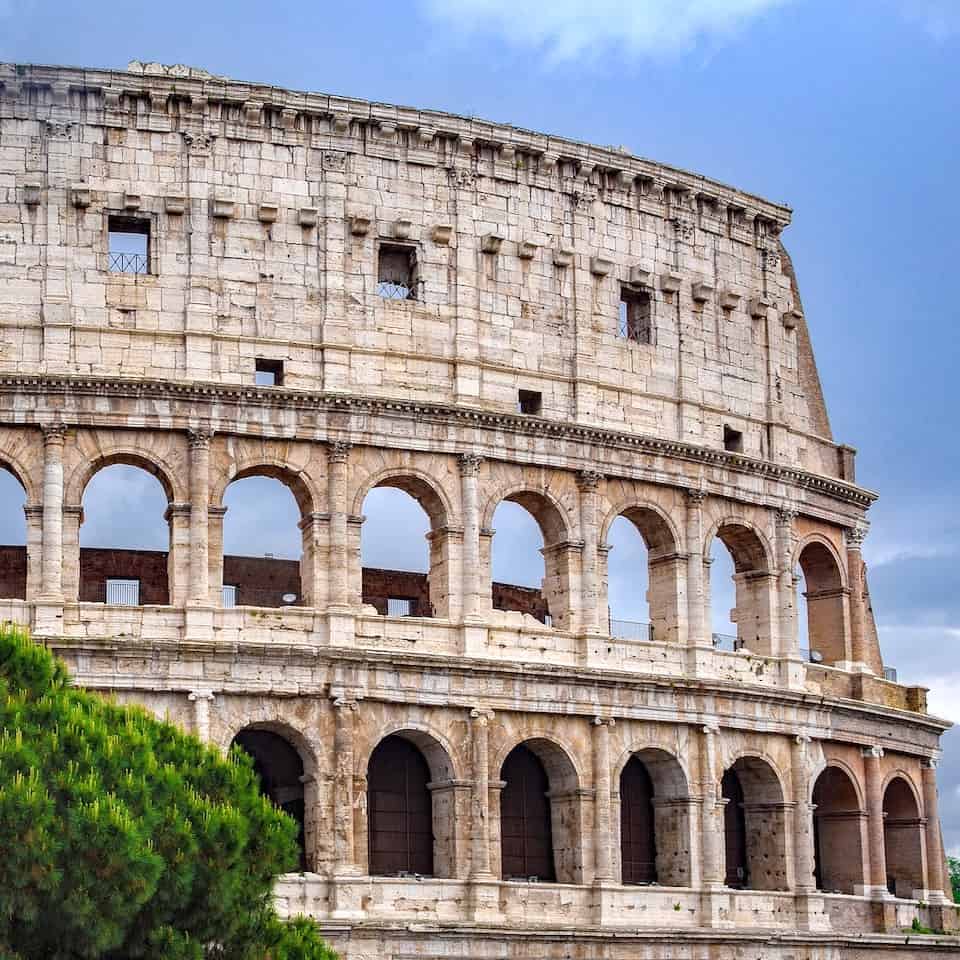
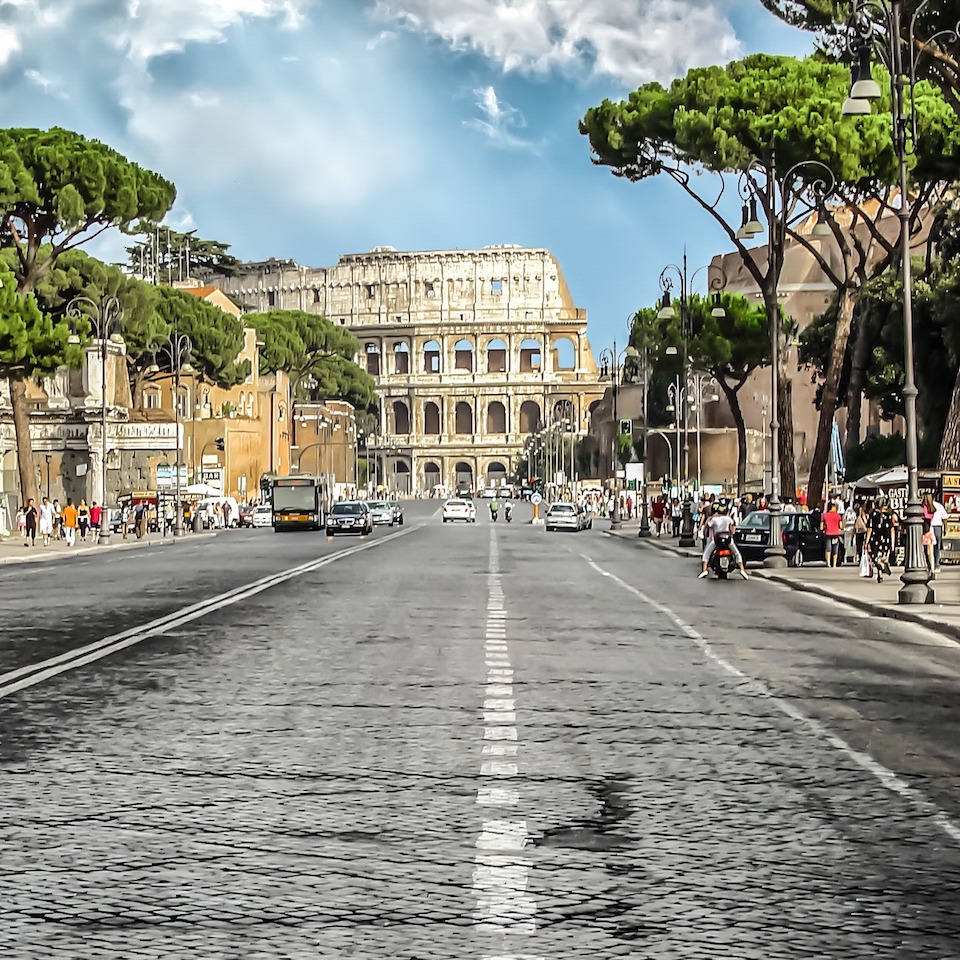
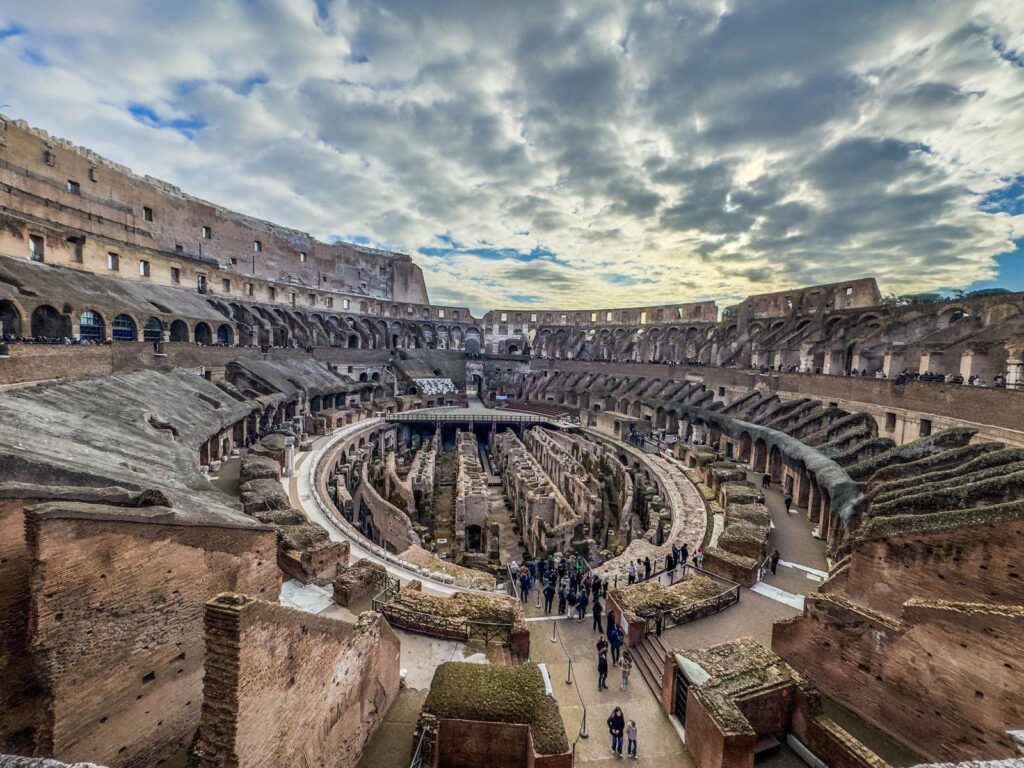
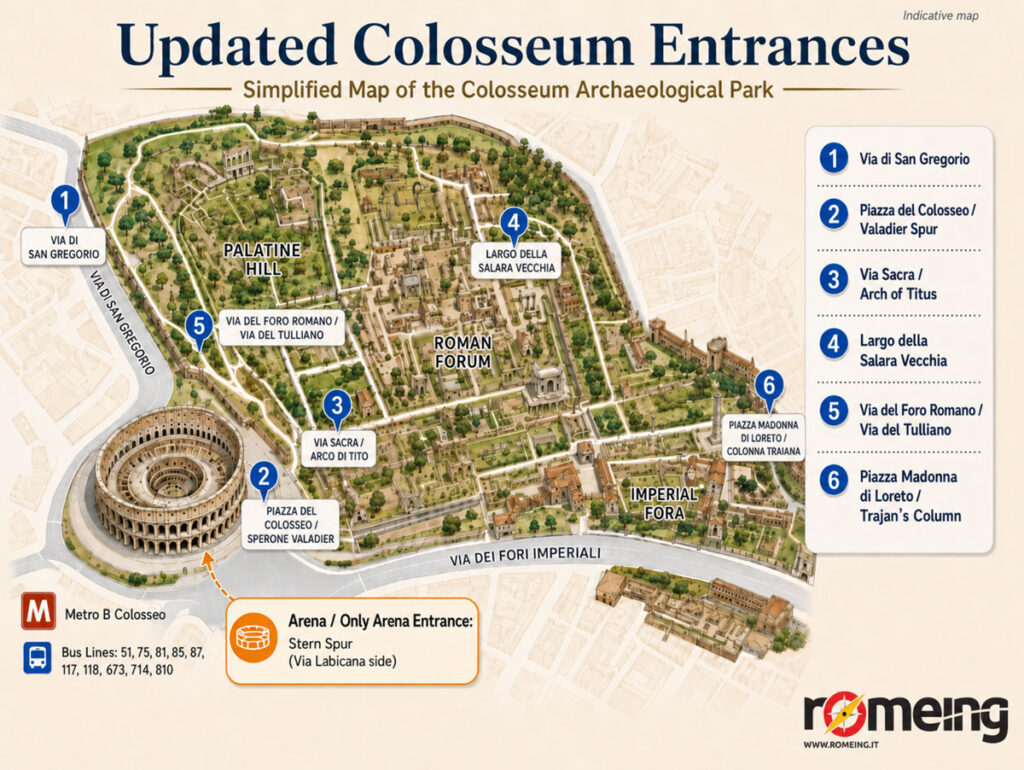
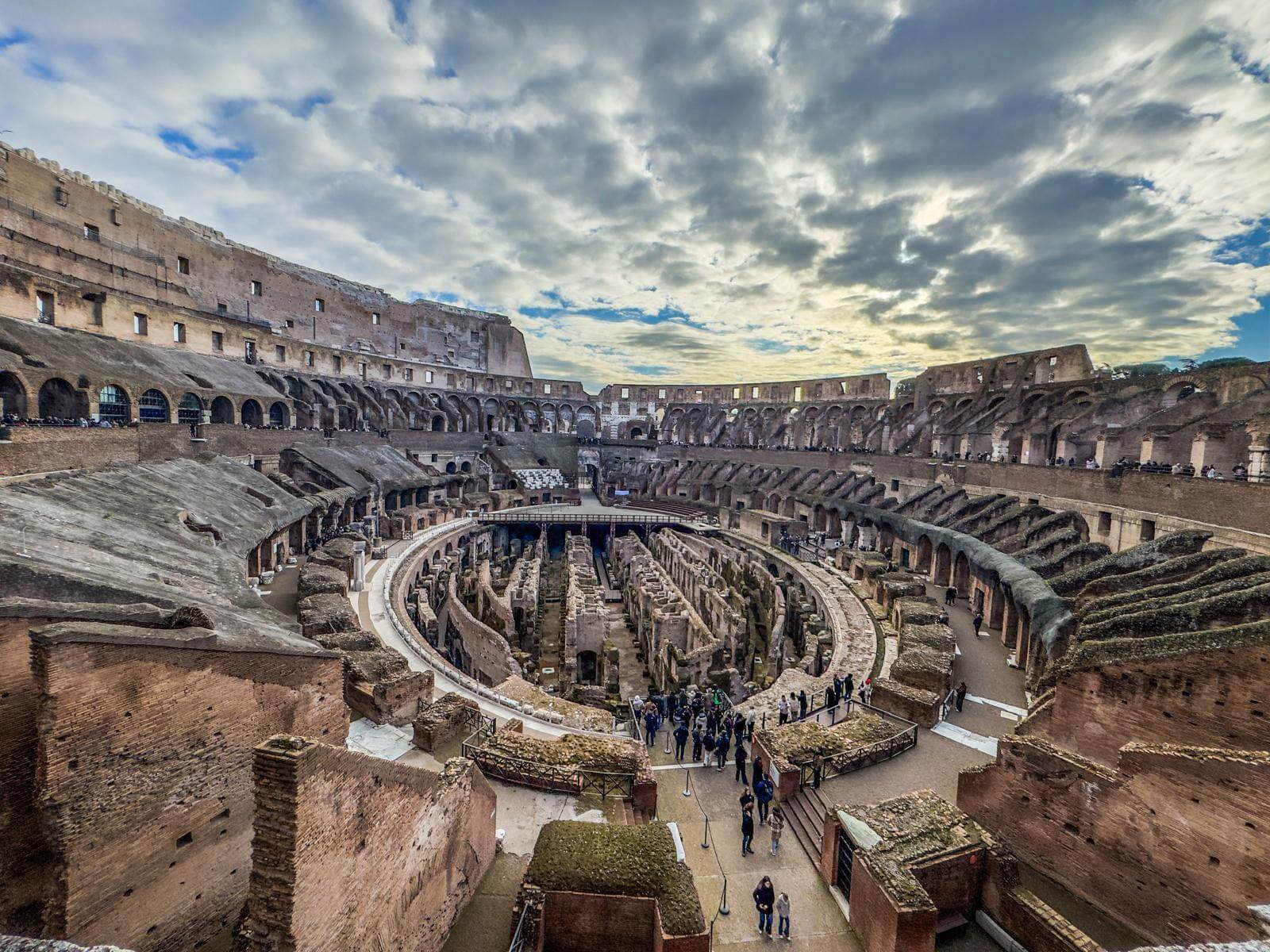
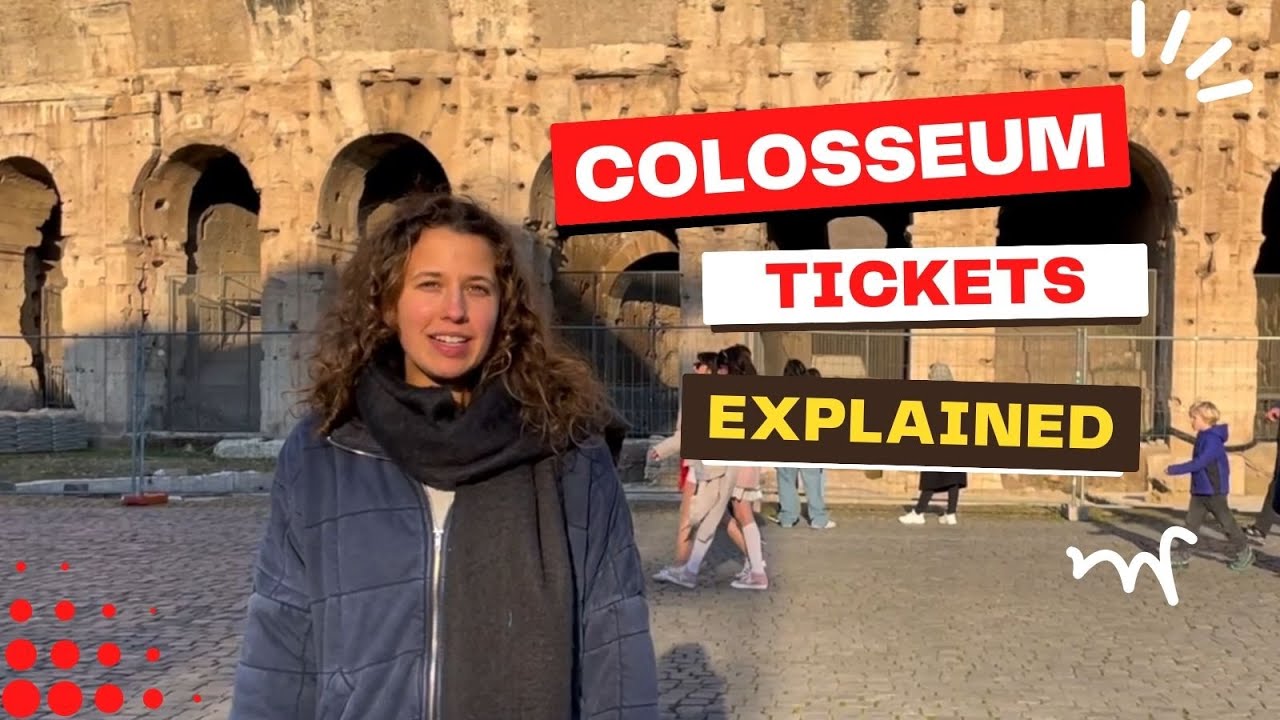
With around 25,000 visitors each day, the Colosseum Archaeological Park is a must-see when you’re in Rome. But how do you make the most of it? Let’s break down the best tips and tricks to avoid wasting your time, explore hidden gems, and experience the Colosseum like a pro.
How to get your Colosseum tickets
When planning a visit to the Colosseum, it’s important to know that tickets can sell out quickly, especially during the busy summer months. Tickets are released 30 days in advance, and new slots are available daily. For example, tickets for June 16 will be released on May 17. The time slot you book for the Colosseum is the only time you’ll be granted access to the monument, so it’s important to arrive on time!
Every Colosseum ticket includes access to the Roman Forum and Palatine Hill. You’ll have 24/48 hours (depending on your ticket) to explore these sites (but you can only access them once), giving you plenty of time to immerse yourself in ancient Roman history. Don’t forget to bring a government-issued ID that matches your ticket; without it, you won’t be allowed entry.
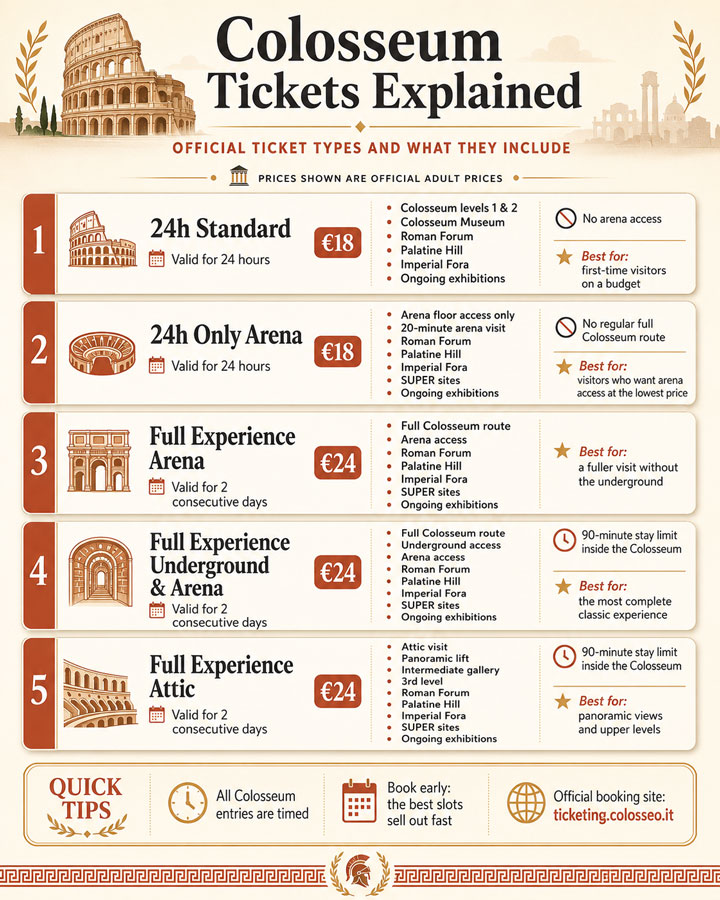
The ticketing system for the Colosseum has improved a lot recently, but with so many different ticket options, it can still be a bit tricky to navigate. To make your visit as smooth as possible, it’s important to choose the right ticket. Here’s a quick breakdown of your options.
1. 24h Colosseum, Roman Forum, Palatine Hill Ticket
As the standard ticket, you’ll get access to the first and second tier of the Colosseum, getting incredible views of the underground areas and the arena floor. However, this one doesn’t include access to them. It is perfect for seeing the most iconic parts of the Colosseum.
What’s included:
Admission to the Colosseum at the booked time
Admission to the Roman Forum-Palatine archaeological area and Imperial Forum
Entry to any exhibitions in progress at the Colosseum and in the Roman Forum-Palatine archaeological area
2. 24h Only Arena Ticket
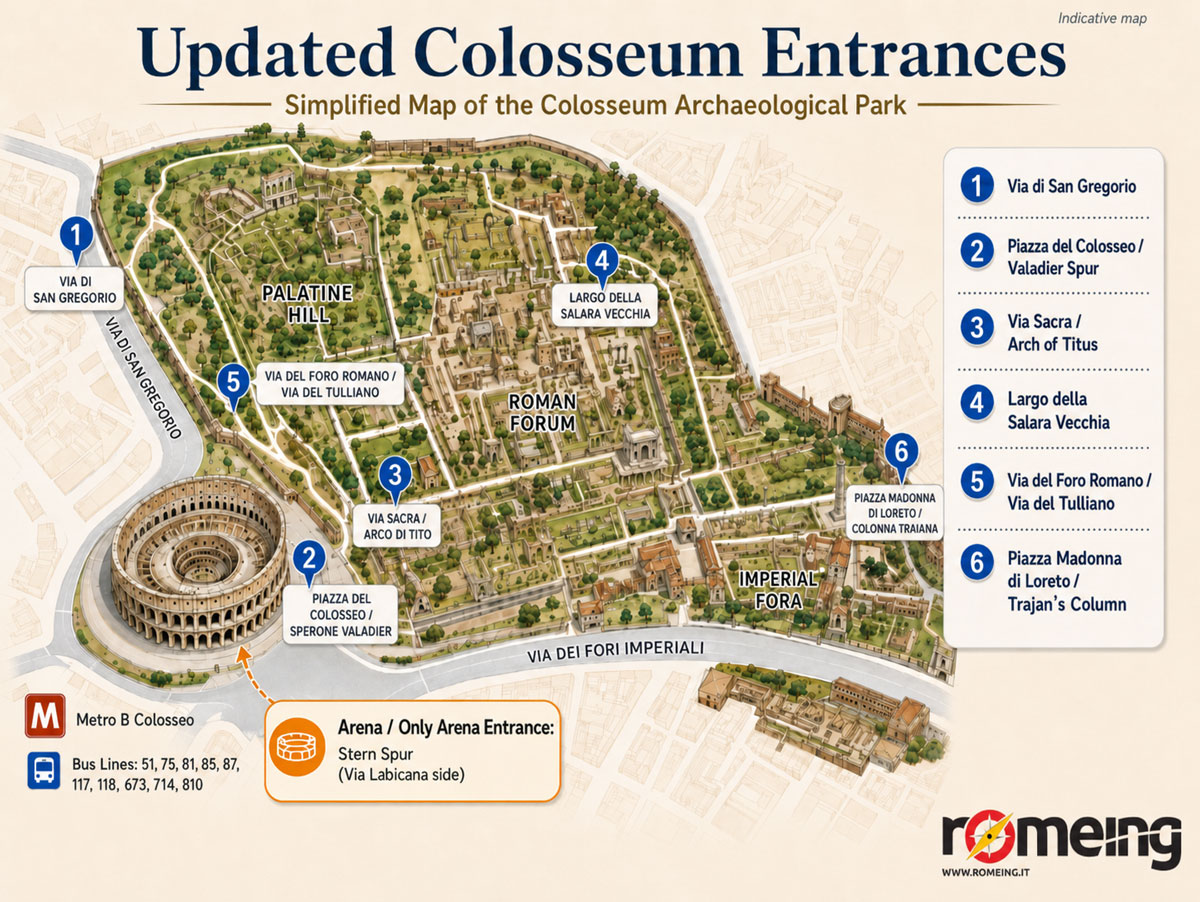
If you are short on time, this one is for you. You’ll enter through the Sperone Stern side, stepping onto the stage of ancient history, but don’t get access to the top tiers. This is ideal for people on a tight schedule or those who’ve already done a full tour.
What’s included:
One admission to the Arena floor only at the booked time for a duration of 20 minutes
One admission to the Roman Forum-Palatine archaeological area and Imperial Fora
Entry to any exhibitions that may be in progress in the Roman Forum-Palatine archaeological area
3. Full Experience – With Entry to the Arena of the Colosseum Ticket
Different to the standard ticket, this full experience includes access to the arena floor. Step into history and experience the heart of the Colosseum.
What’s included:
Admission to the Colosseum at the booked time
Entry to the Colosseum Arena
Admission to the Roman Forum-Palatine archaeological area and Imperial Fora
Entry to any exhibitions in progress at the Colosseum and in the Roman Forum-Palatine archaeological area
4. Full Experience – Underground Levels and Arena Ticket
For a truly 360-degree unique experience, this ticket lets you explore the hypogeum (the underground chambers where gladiators and animals waited before battle), and the arena as well!
What’s included:
Admission to the Colosseum with a permanence period of max 90 minutes
Entry to the Colosseum Arena
Entry to the Colosseum Underground levels at the booked time
Admission to the Roman Forum-Palatine archaeological area and Imperial Fora
Entry to any exhibitions in progress at the Colosseum and in the Roman Forum-Palatine archaeological area
5. Full Experience – With Entry to the Attic of the Colosseum Ticket
For stunning views of Rome, the Attico Ticket is your go-to. It gives you access to the Attic area with panoramic lift and upper-level views. From here, you’ll enjoy a bird’s-eye view of the entire arena.
What’s included:
Admission to the Colosseum
Entry to the Attic of the Colosseum at the booked time
Admission to the Roman Forum-Palatine archaeological area and Imperial Fora
Entry to any exhibitions in progress at the Roman Forum-Palatine archaeological area
7. Night Tour Ticket
If you’re looking for a magical experience, the Night Tour Ticket is usually available from May to November. It’s a unique way to explore the Colosseum under the moonlight.
Ticket prices vary depending on the experience you choose and where you buy them. To book your tickets, visit the official Colosseum website (ticketing.colosseo.it) or verified tour agencies. Getting a ticket can be challenging, especially during high-demand months. But here’s an easy solution: consider booking a guided tour.
Why Booking a Guided Tour of the Colosseum is a No-Brainer
Imagine stepping in the same footsteps as ancient Romans, gladiators, and emperors. A once-in-a-lifetime chance to immerse yourself in history. But all you see are old ruins, missing a storyteller to bring them to life.
The expertise that comes in handy with a professionally guided tour allows you to dive deep into the hidden gems that are mostly overlooked. Palatine Hill and the Roman Forum are the home of some of the most astonishing wonders of the archaeological park: the Roman Senate, the Santa Maria Antiqua Church, and the House of Livia (yes, Augustus wife). You do not want to miss out hearing the rich history of these timeless marvels.
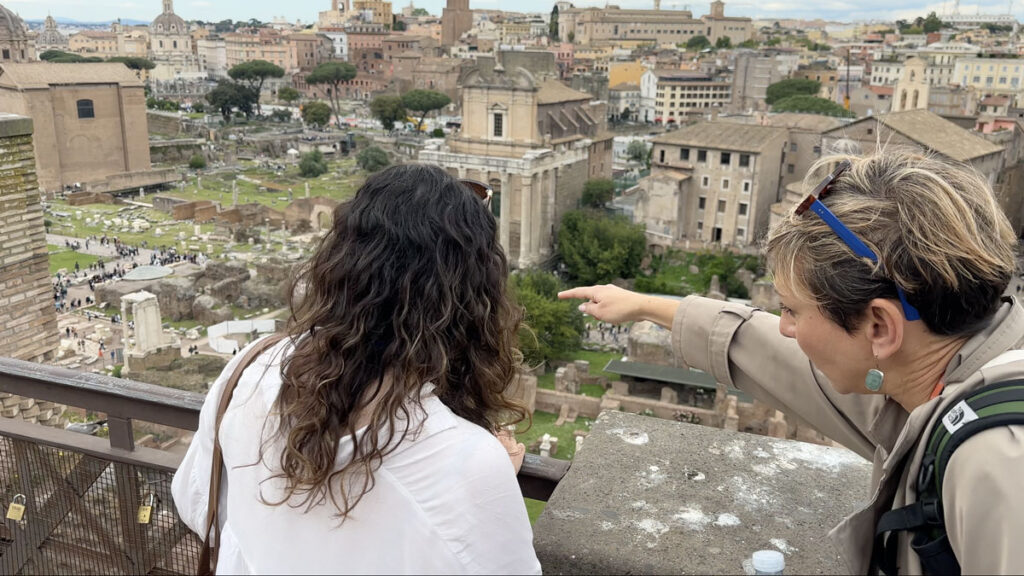
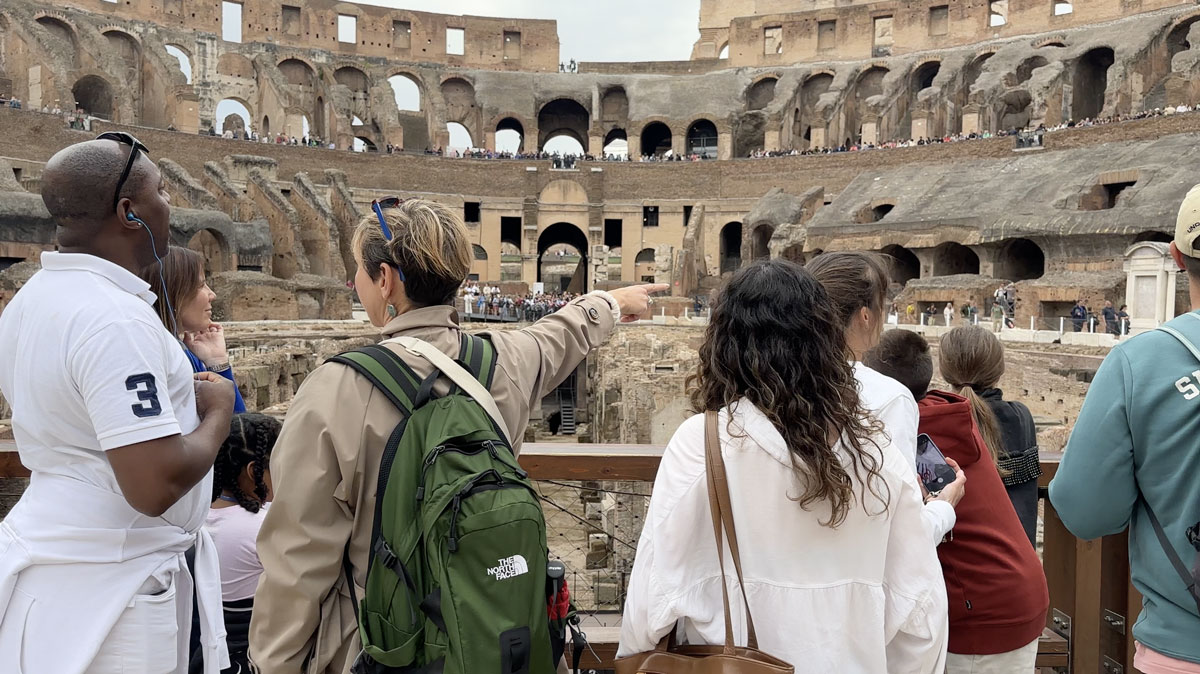
A professional guide will point out the gems, making you see beyond the Colosseum, further exploring the heart of ancient Rome. Plus, your guide is there to offer tips on where to eat, drink, and rest, ensuring that your entire experience is smooth and memorable.
Also, let’s face it: buying tickets on your own can be a headache. From long lines to ticket availability, booking a guided tour takes the stress out of the equation. With a professional guide, you don’t have to worry about tickets, as they are taken care of for you.
Super Sites
Colosseum SUPER sites are 8 exclusive, carefully curated areas within the Roman Forum and Palatine Hill that offer enhanced, immersive experiences. Using features like lightmapping and video projections, these sites bring history to life. Some highlights include the House of Augustus, Santa Maria Antiqua, and the Domus Tiberiana.
Recently, I had the chance to visit the Colosseum Archaeological Park with a tour guide (shout out to them!), and I can honestly say it was one of the most enriching experiences of my life. I’ve been living in Rome for four years and have visited the Colosseum a few times before. But this time, for the first time, I left with a deep sense of accomplishment, having learned so much about the cobblestones, columns, and frescoes I had been walking through.
Roman Forum
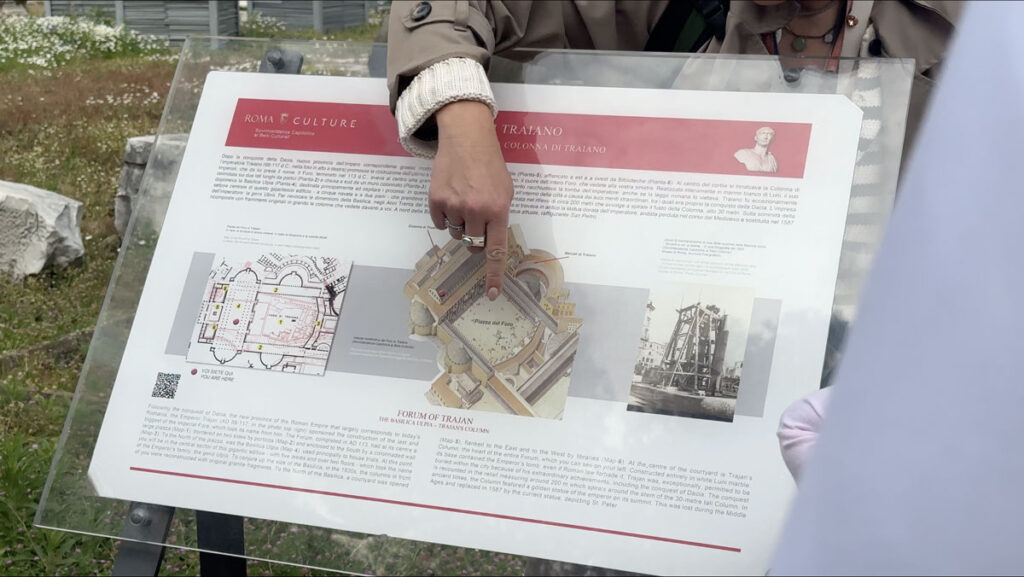
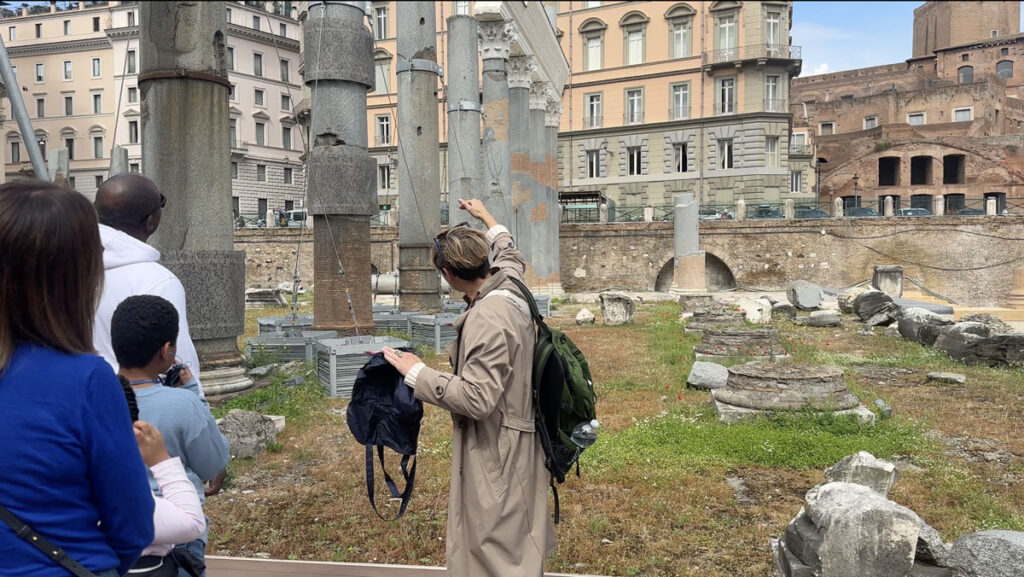
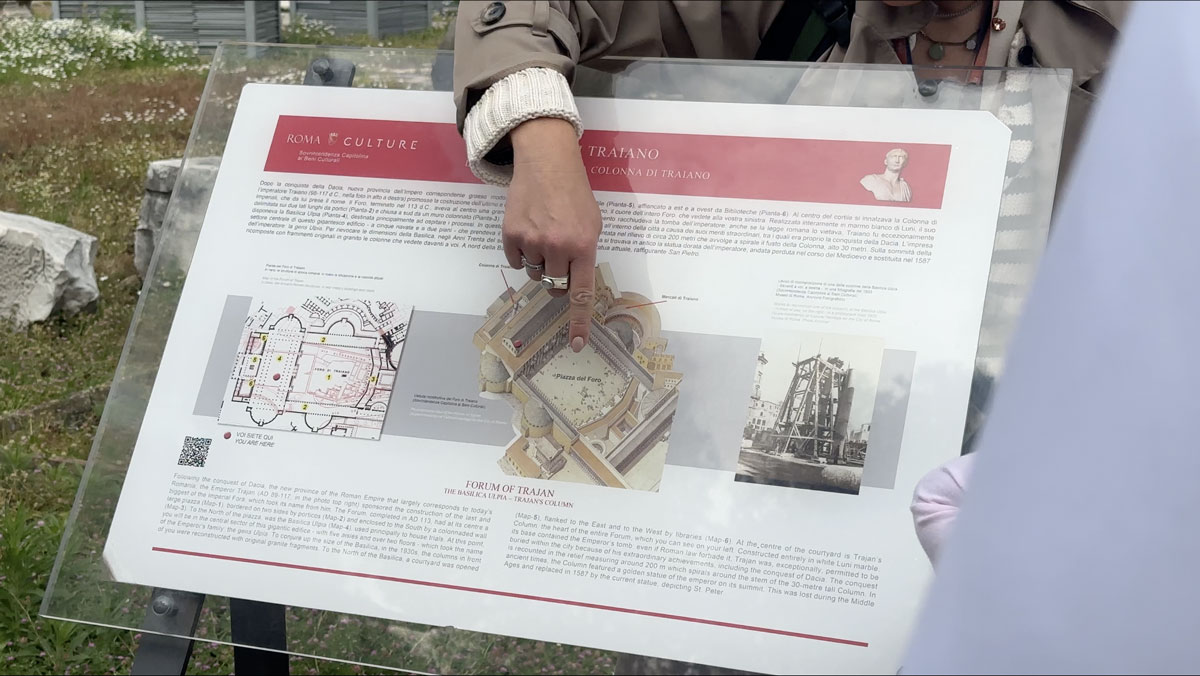
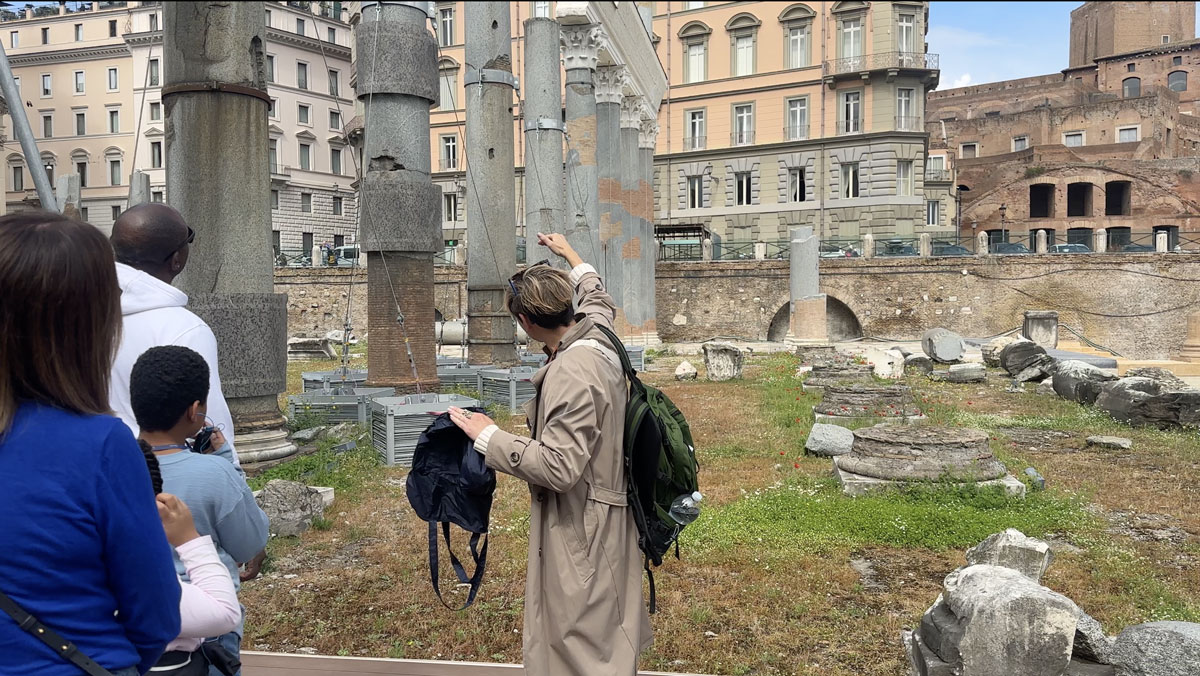
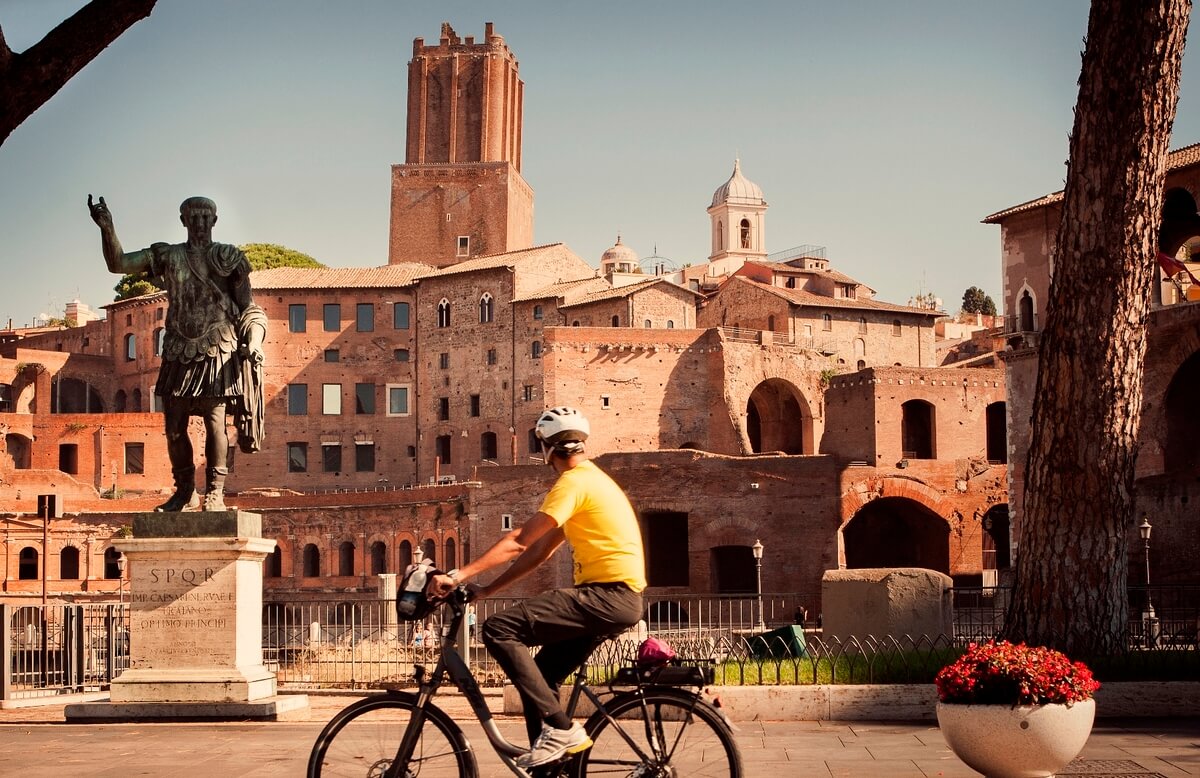
We began our tour of the Roman Forum at Trajan’s Column, a legendary Roman monument built in 113 AD, topped with a statue of St. Peter, the patron saint of the city. As we walked through this ancient site, we learned about how the city was once 20 meters lower than it is today due to centuries of flooding. Everything we see in the park is the result of the work of dedicated archaeologists, who have dug deep into the earth to uncover the hidden history beneath the modern Roman cobblestones. These pieces of the past are carefully unearthed and brought back to life, allowing us to connect with ancient Rome in ways we never thought possible.
As we made our way to Via Sacra, we heard the legendary stories of the Temple of Saturn and the House of the Vestal Virgins, the sacred residence where six young virgins were entrusted with maintaining the eternal fire of the Roman Empire.
Palatine Hill
At the foot of Palatine Hill, we entered the Church of Santa Maria Antica, home to some of the most beautiful frescoes that offer a glimpse into early Christianity in ancient Rome. The walls of the sanctuary are adorned with vibrant depictions of the Virgin Mary and infant Jesus, as well as saints and martyrs.
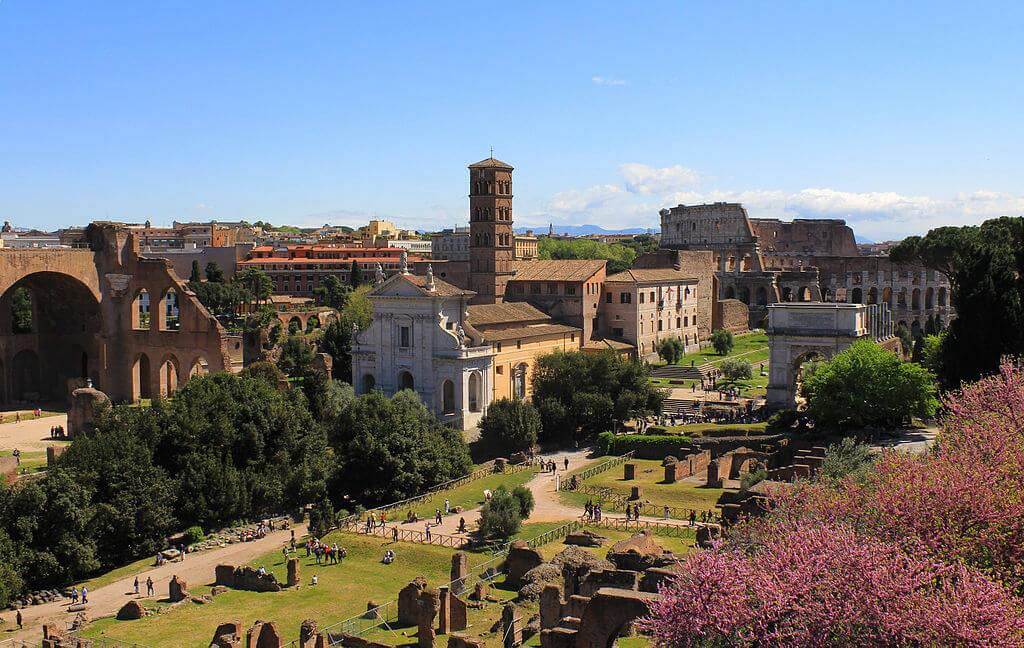
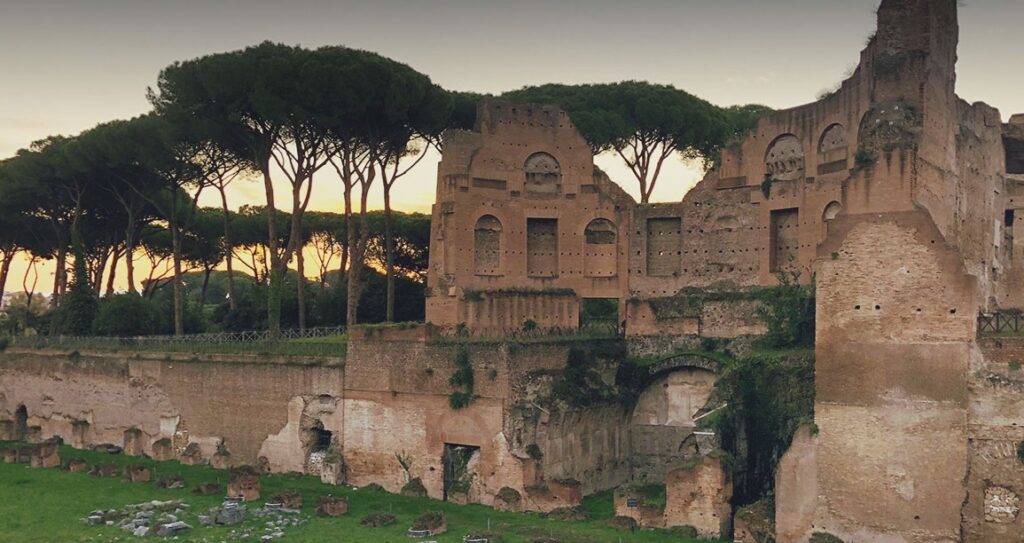
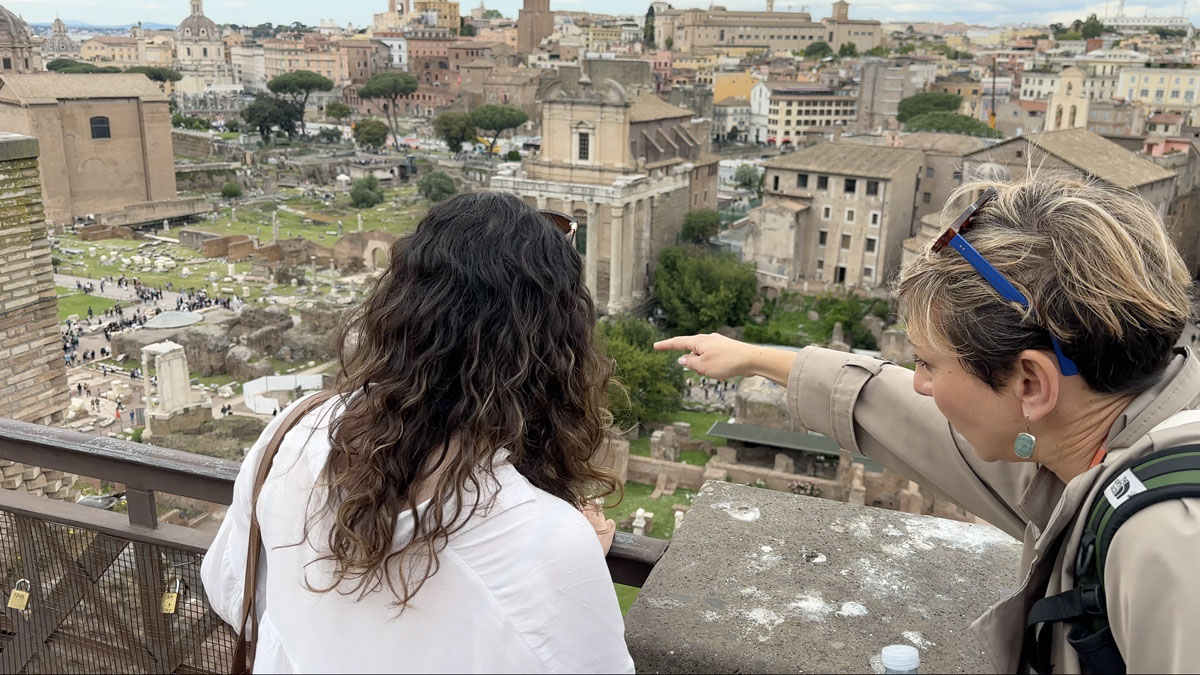
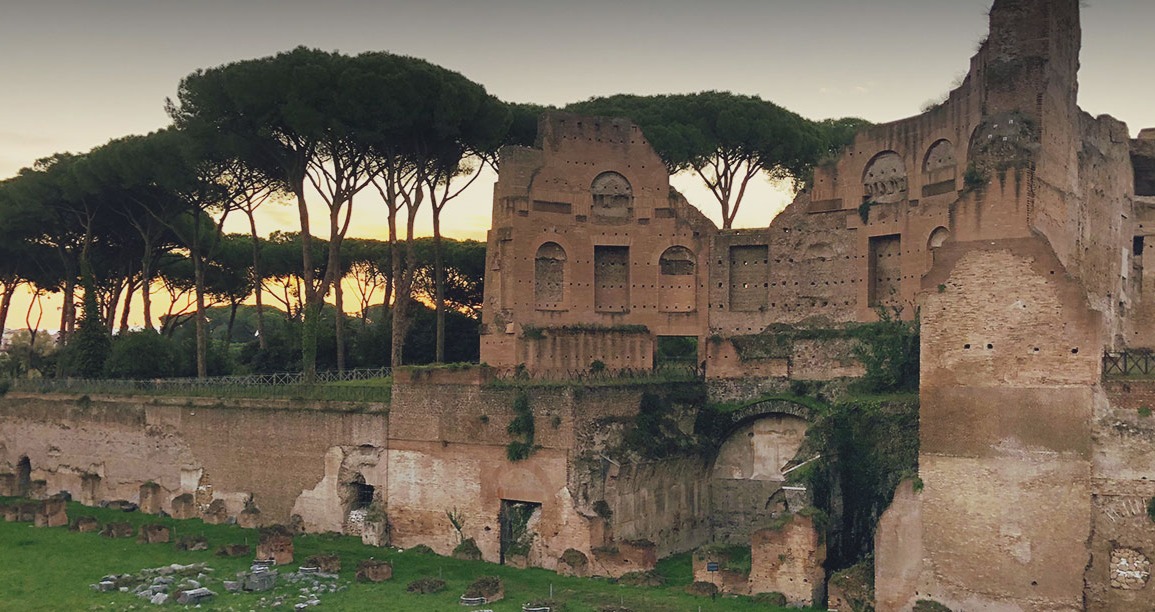
Continuing through, we reached a luxurious Roman domus (house) and then ascended to the Palatine Hill. This spot offers the most breathtaking panoramic view in Rome, overlooking the Roman Forum, the Colosseum, and the Vittoriano Monument. Palatine Hill is not only a place of beauty but also of romance. One of its most famous features is the Farnese Gardens, a stunning historical garden with a rich past that’s definitely worth visiting. The tranquil beauty and significance of this garden make it a must-see, offering a unique escape from the hustle and bustle of the city.
Colosseum
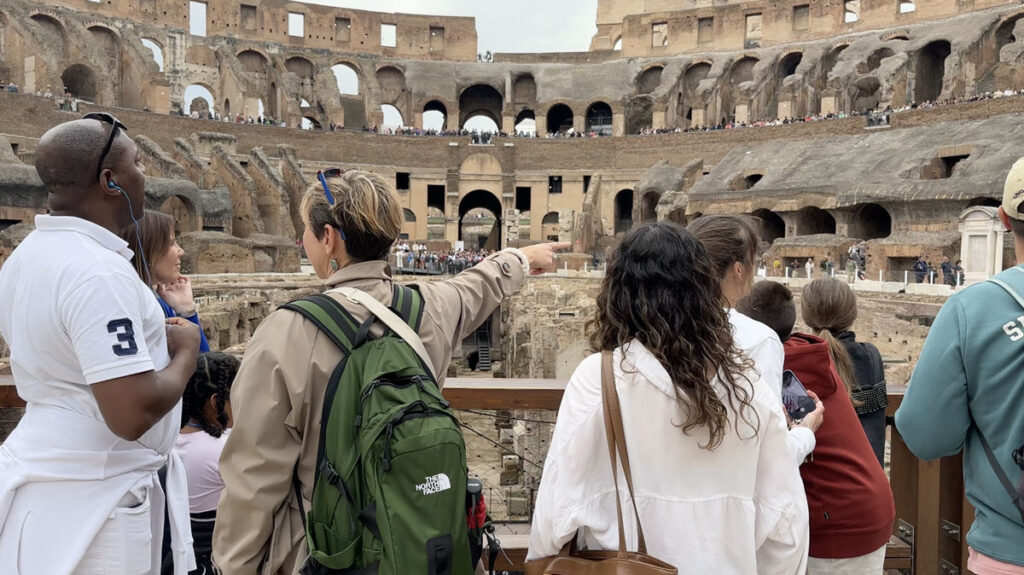
We wrapped up our tour at the Colosseum, where we had arena tickets, allowing us to access the heart of the structure first. Walking through the arena felt like stepping into a scene from a gladiator movie. Entering this majestic monument, one of the new 7 Wonders of the World, was an awe-inspiring moment. The entrance was smooth and quick, and our guide gave us a detailed explanation of the fascinating history of the animals, heroes, anti-heroes, slaves, and gladiators who once took center stage here. We learned about the Romans who filled the stands to watch these spectacular and brutal events, and even more intriguing to me, what happened to the Colosseum after the Roman Empire was gone. We then made our way to the second tier for a better view, where our guide continued to share the rich and sometimes tragic history of this mystical place
The tour concluded with a sense of awe, ready to unwind with a well-deserved Aperol Spritz.
Here are some extra essential tips to make your experience smoother, more enjoyable, and stress-free!
1. Beat the Heat: The park is vast, so wear comfortable shoes, a hat, and don’t forget sunscreen. Avoid Midday Sun. Summer midday heat can be brutal. It’s best to visit early in the morning or later in the afternoon. There are 8 water fountains around the park, so bring your bottle and stay hydrated. No need to buy overpriced water!
2. Skip the Crowds (But Not the Lines!): First Sundays of the month, entrance is free, but it’s chaotic. The Colosseum gets packed, and it’s tough to explore peacefully. Colosseum tickets have a specific time slot for entry. Once you’re in, you can stay max 75 to 90 min. So be mindful of your time! You can visit the Roman Forum and Palatine Hill at your leisure, but you can only enter once. Groups and individuals have separate entrances, but there’s no “skip the line” except for buying tickets on-site.
3. Bathroom Breaks: There are only 5 bathrooms in the entire park: one at the Colosseum, one at Palatine Hill, and the rest spread through the Forum. Plan ahead!
4. Get the Best Path: Guides offer the best routes to navigate the Forum and Colosseum. For maximum flexibility, consider booking a private tour.
5. Accessibility: The Roman Forum is tough to navigate for wheelchair users. However, inside the Colosseum and at some points of the Roman Forum, there’s an elevator for easier access. Visiting can be physically demanding, so it may not be the best experience for pregnant women. We recommend booking a private tour to enhance comfort and make your visit more enjoyable.
6. Snacks and Drinks: There are vending machines at Palatine Hill and the Colosseum, so you can grab a quick snack or drink during your tour.
Where to Go Once You’ve Conquered the Colosseum
Wondering where to go after exploring the heart of ancient Rome? Let us guide you to Monti, the charming neighborhood just steps from the Colosseum. Here, you’ll find the perfect spots to unwind with a bite or a drink, wrapping up your Colosseum adventure in the best way possible!
What to See in Prati, Rome: The Best Places to Visit
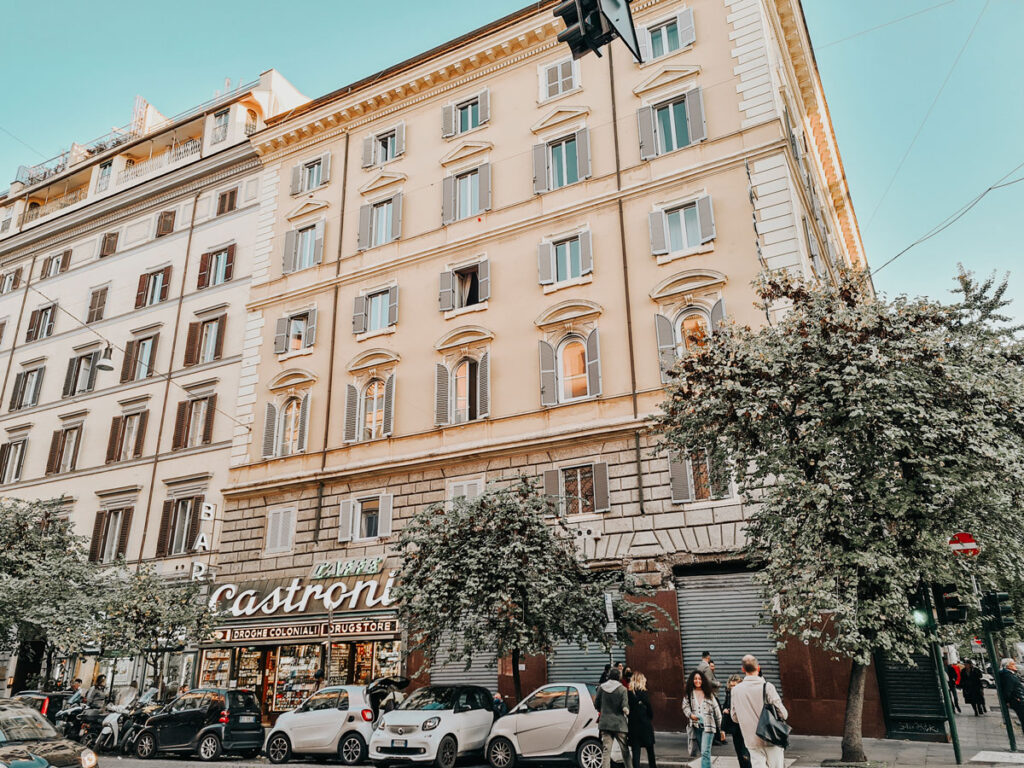
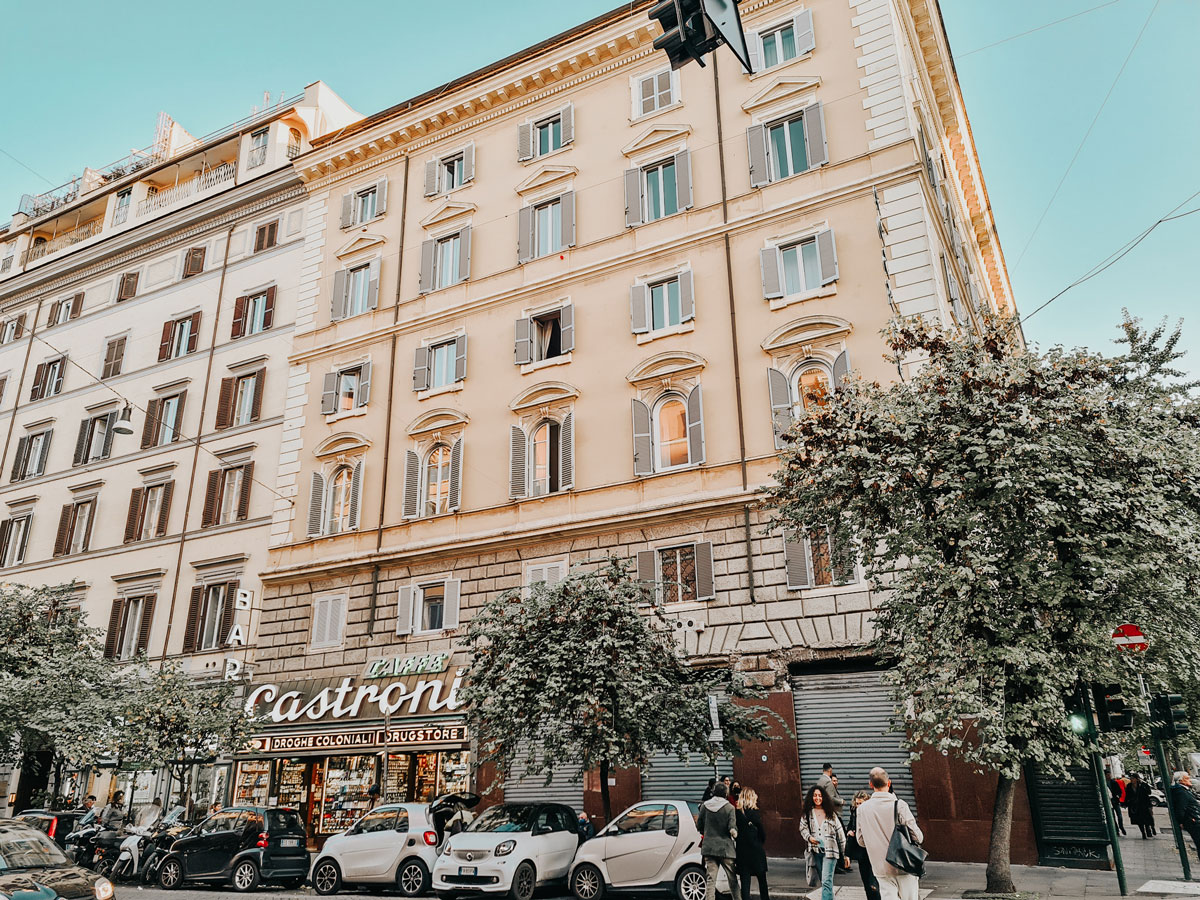
Prati is often associated with elegant streets, shopping, and its proximity to the Vatican, but the neighborhood offers much more than its polished first impression suggests. With its wide avenues, Art Nouveau details, local markets, monumental squares and riverside views, this district is one of Rome’s most pleasant areas to explore on foot.
The best way to discover Prati is to start around Piazza Cavour and the riverside, continue along Via Cola di Rienzo, then move toward the Vatican side for Mercato Trionfale and the Passeggiata del Gelsomino. Along the way, make sure to leave time for a coffee, aperitivo or lunch, as this is one of the best neighbourhoods in Rome for experiencing the city at a slower, more local pace.
From hidden churches and historic markets to panoramic walks and postcard-perfect bridges, here are the must-sees around Prati.
Via Cola di Rienzo
Via Cola di Rienzo is Prati’s main shopping street and one of the best alternatives to the busier Via del Corso. Wide, elegant and easy to walk, it is lined with well-known fashion and lifestyle brands, Italian boutiques, cafés and restaurants. It is also one of the best places to understand the neighbourhood’s everyday rhythm: refined, local, and less chaotic than the historic centre.
Mercato Trionfale
Via Andrea Doria, 41
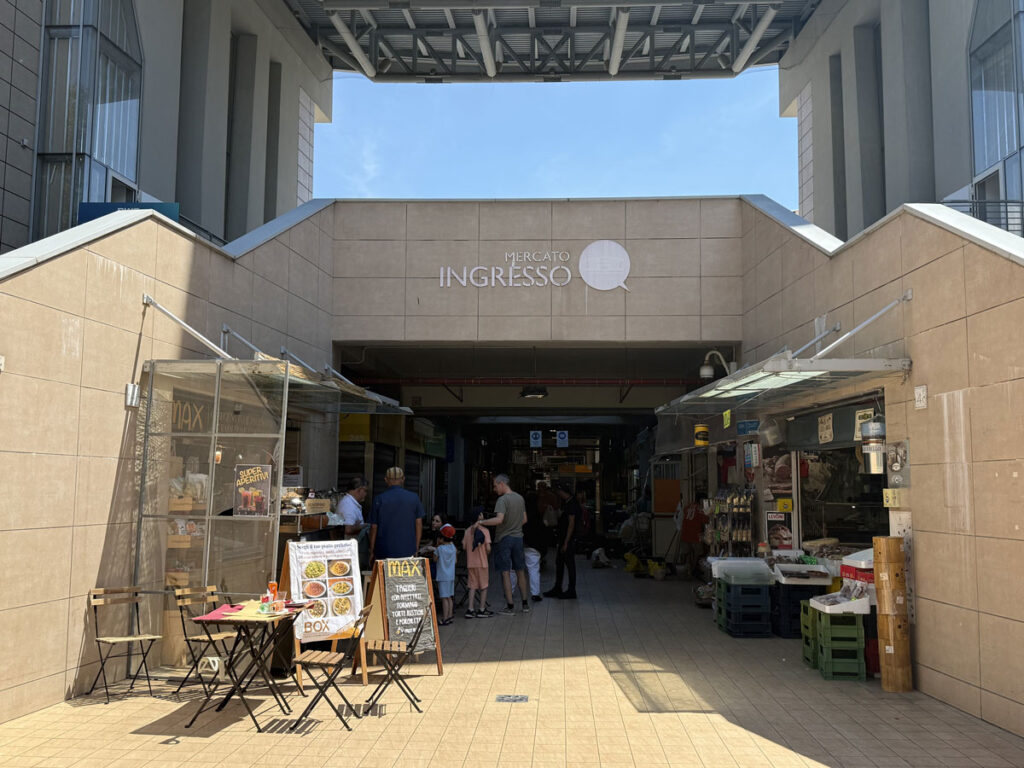
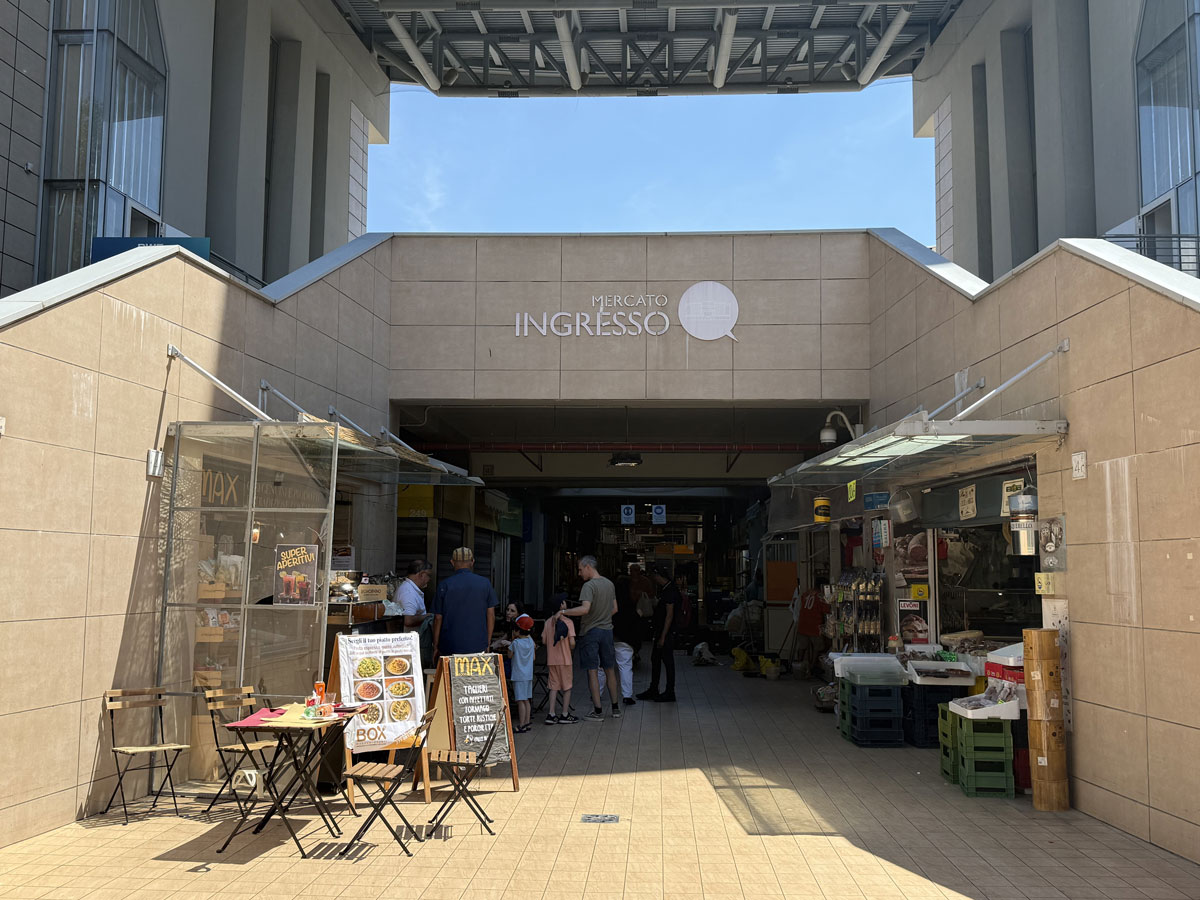
A short walk north from the Vatican Museums, Mercato Trionfale is one of Rome’s largest and most authentic food markets. With hundreds of stalls selling fruit, vegetables, cheese, meat, fish, fresh pasta and Roman specialties, it is the perfect place to see local life in action. Go in the morning, when the market is at its liveliest, and take your time wandering between the stalls.
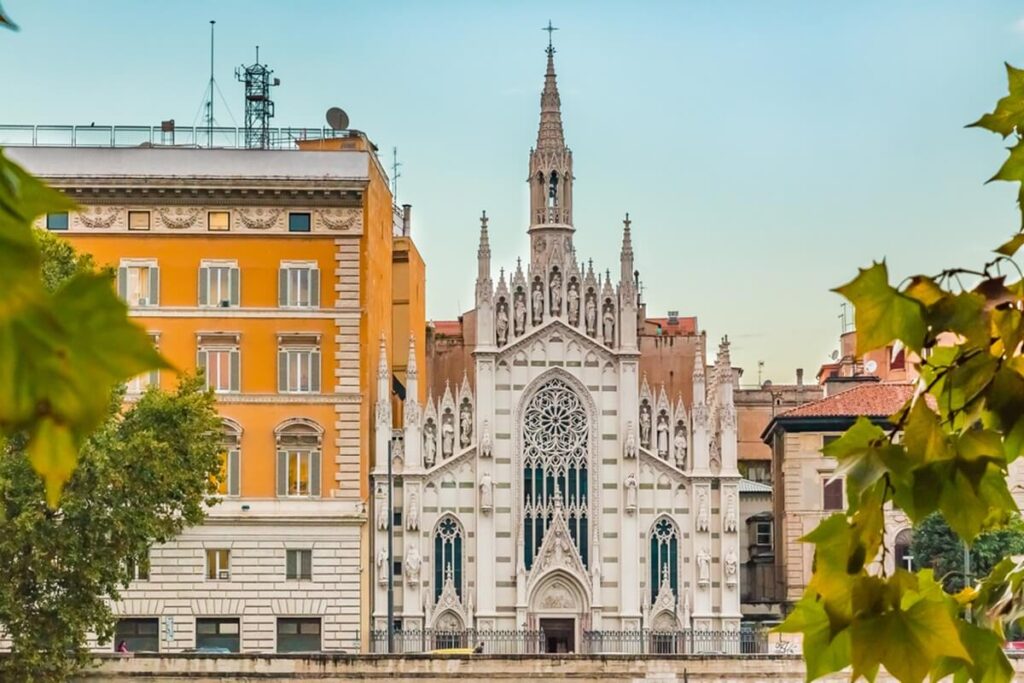
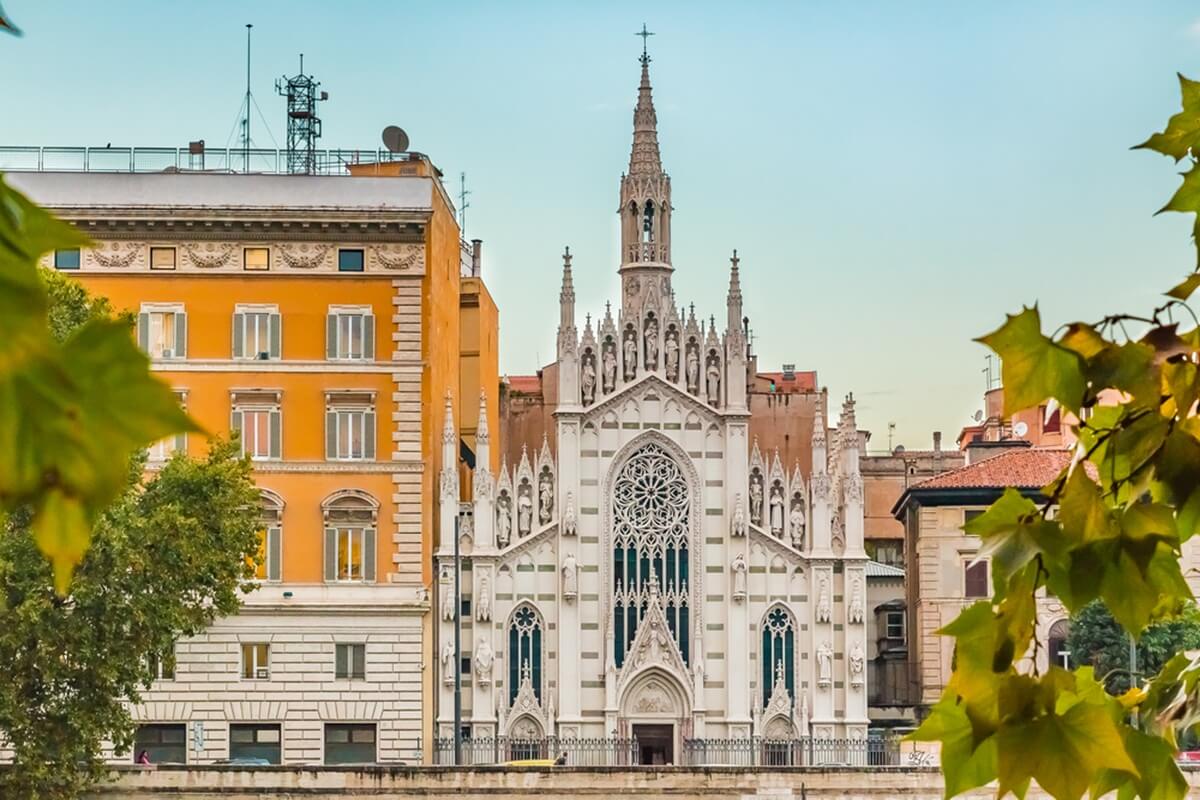
Facing the Tiber, the Chiesa del Sacro Cuore del Suffragio is one of Prati’s most curious landmarks. With its white, neo-Gothic façade, it bears striking resemblance to the Duomo di Milano, giving it the nickname of Rome’s “little Milan Cathedral”. In addition to its grand columns and vast chapel, inside the church is also home to the small Museum of the Souls of Purgatory, a peculiar and little-known collection that adds to the church’s mysterious charm.
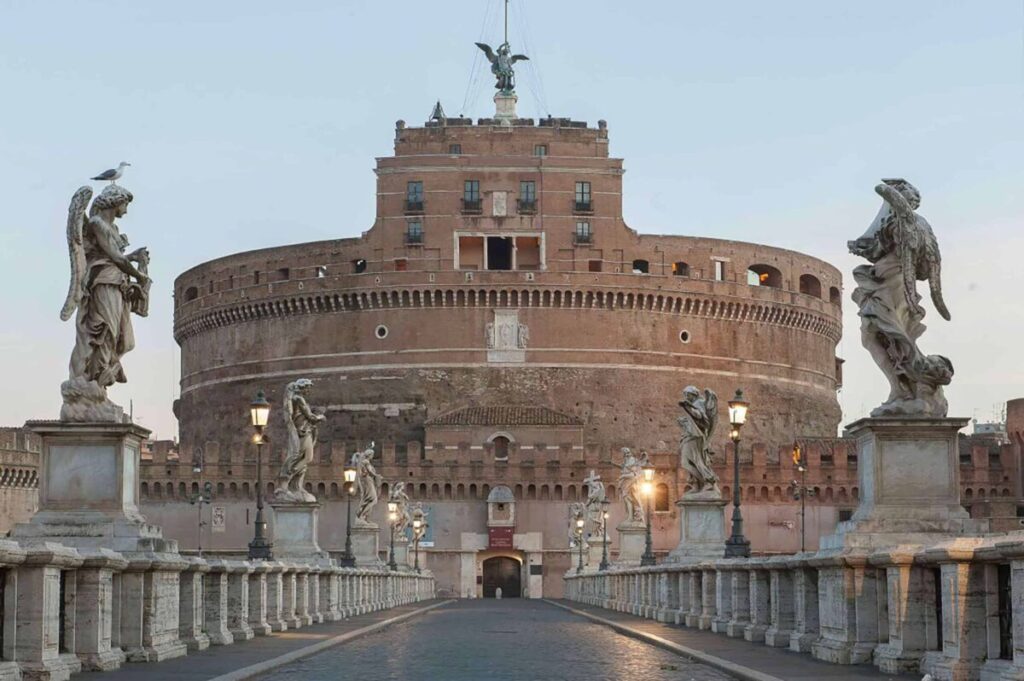
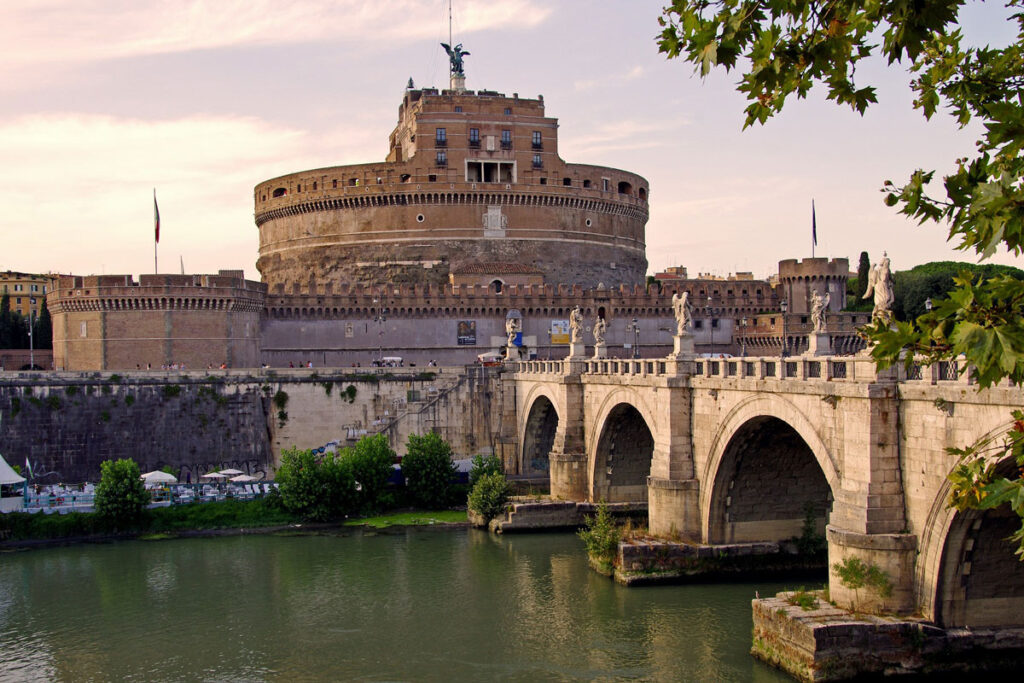
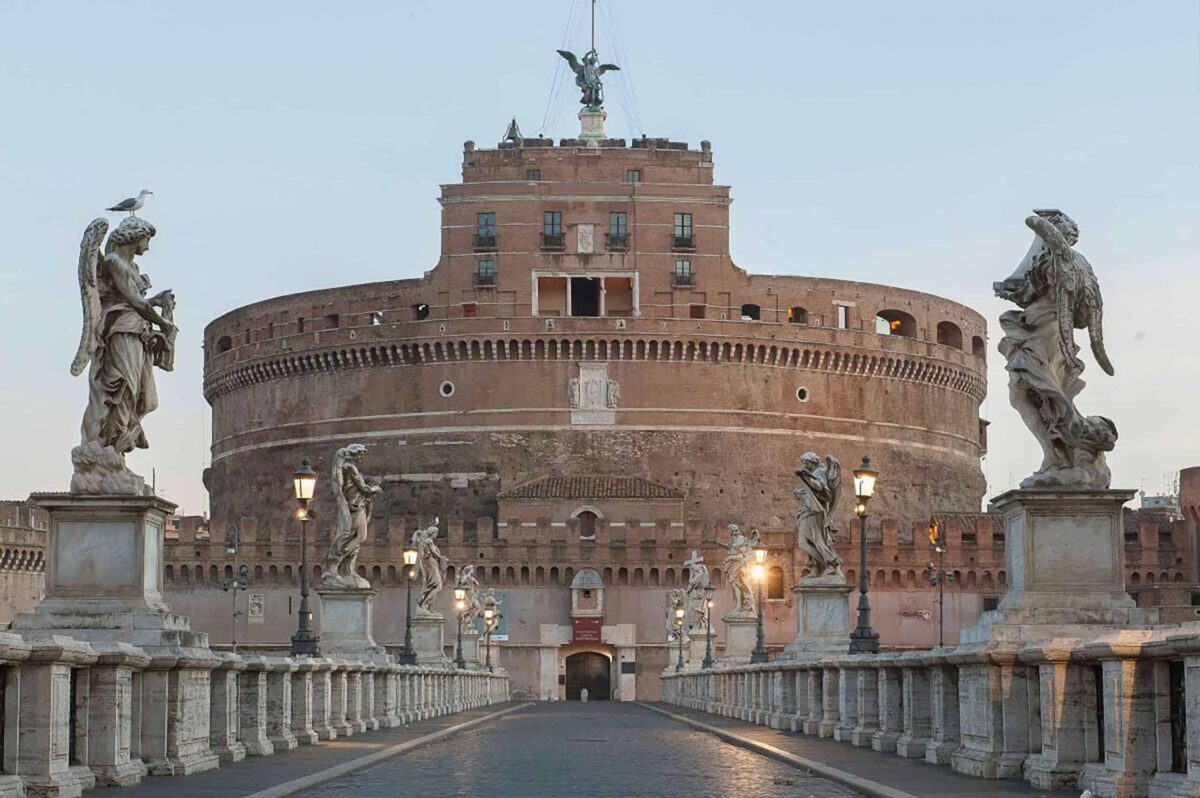
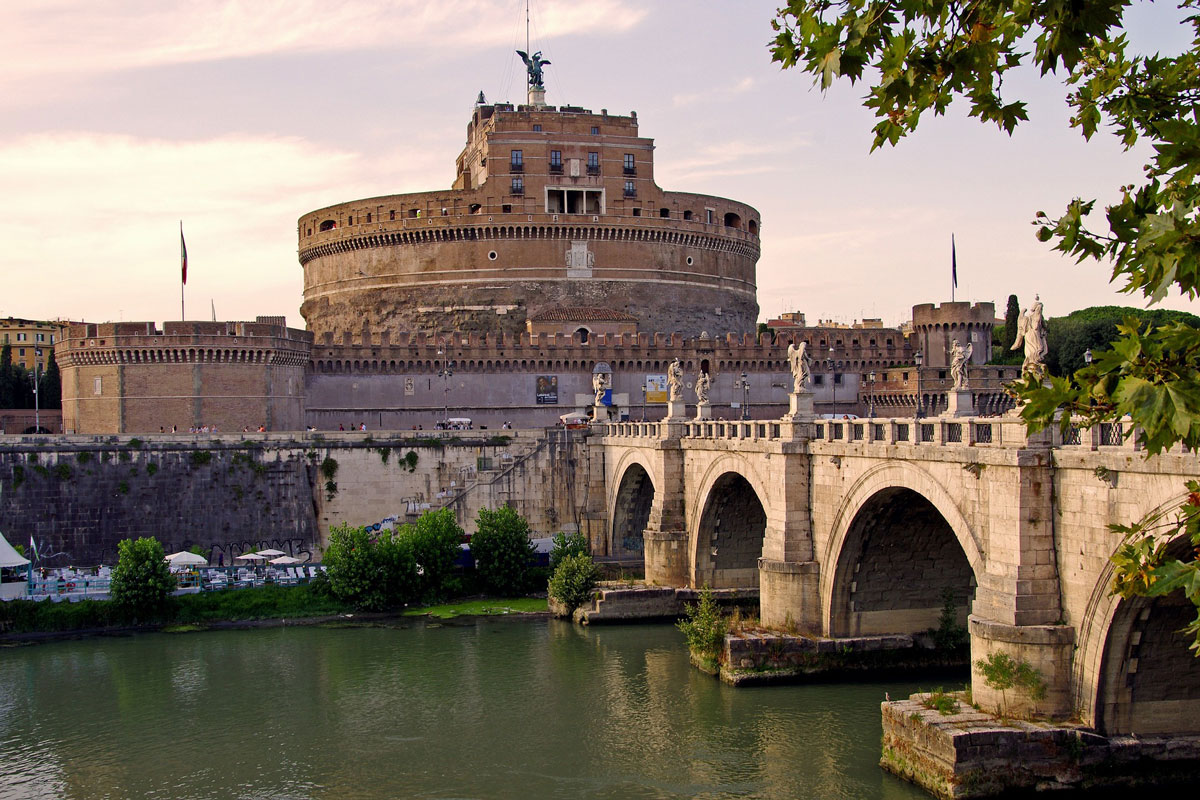
Technically just outside Prati, Castel Sant’Angelo is impossible to leave out. Originally built as Emperor Hadrian’s mausoleum, it later became a fortress, papal residence and prison. Today, it is one of Rome’s most fascinating monuments, with panoramic terraces offering beautiful views over the Tiber, St. Peter’s Basilica and the rooftops of the city. Go early in the morning to skip the crowds, or go an hour and a half before closing at 18:00 to see the sun begin to set over the city.
Leading directly to Castel Sant’Angelo, Ponte Sant’Angelo is one of the most scenic bridges in Rome. Lined with angel statues designed by Bernini and his workshop, it is especially beautiful at sunset, when the light falls over the river and the dome of St. Peter’s appears in the background. It is one of the best photo spots between Prati and the historic centre.
Piazza Cavour
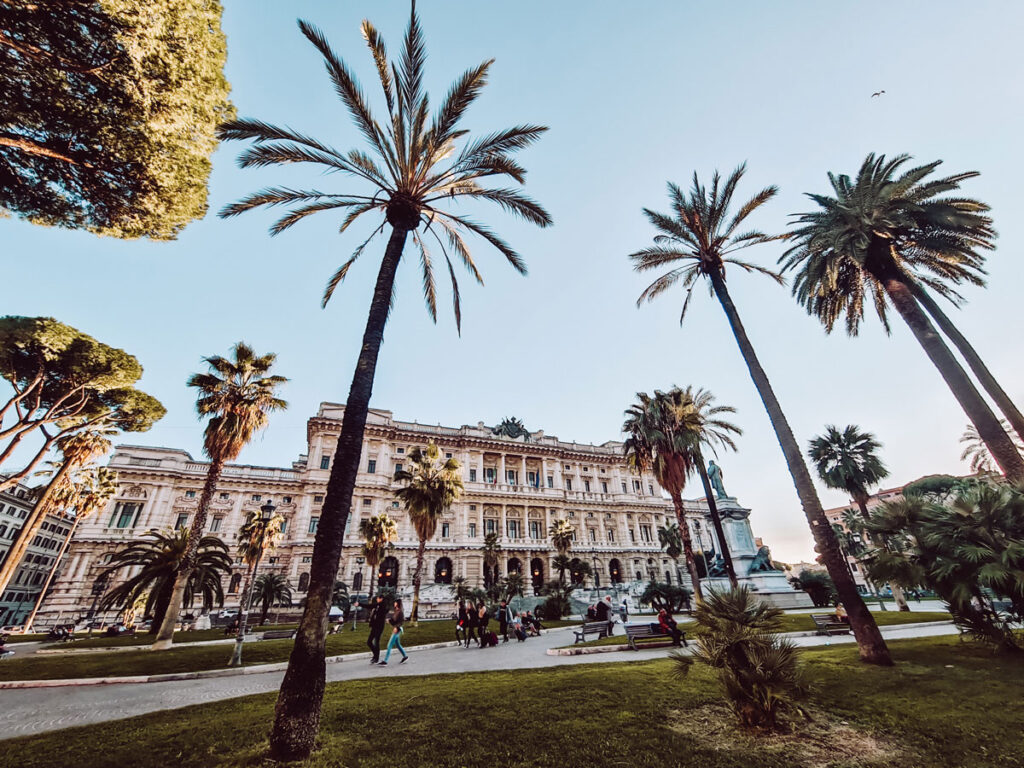
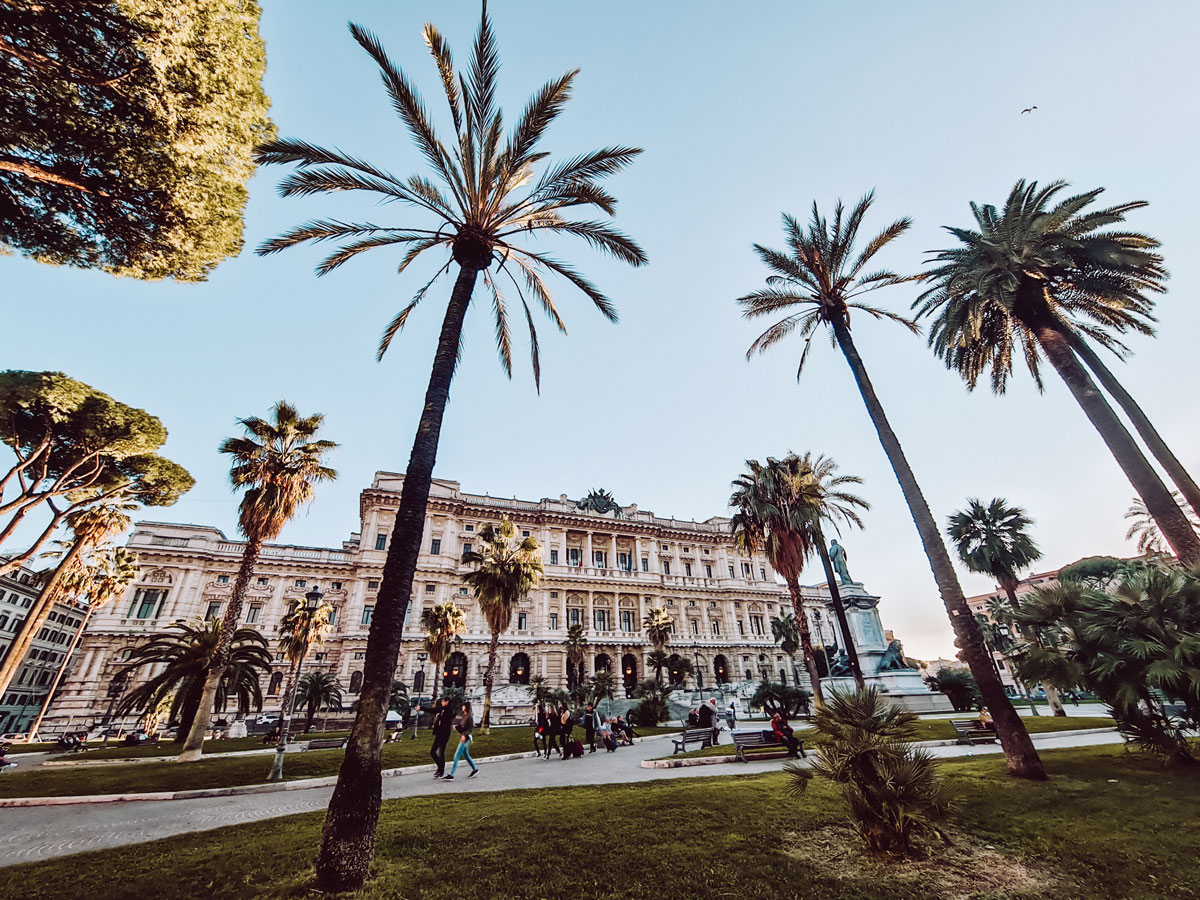
At the heart of Prati’s institutional side, near Sant’Angelo, Piazza Cavour is dominated by the monumental Palazzo di Giustizia, known by Romans as the “Palazzaccio”. The square itself is spacious and elegant, with gardens, cafés and a more local atmosphere than many of Rome’s central piazzas. It is a good starting point for exploring both Prati and the riverside.
Chiesa di San Gioacchino in Prati
Via Pompeo Magno, 25
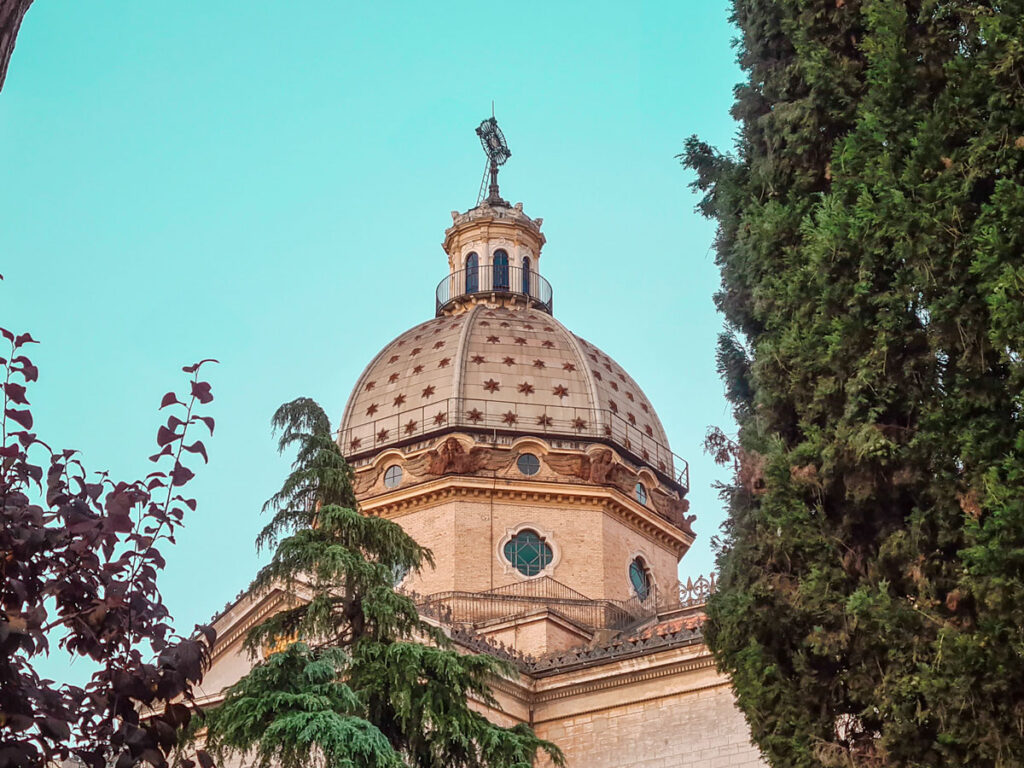
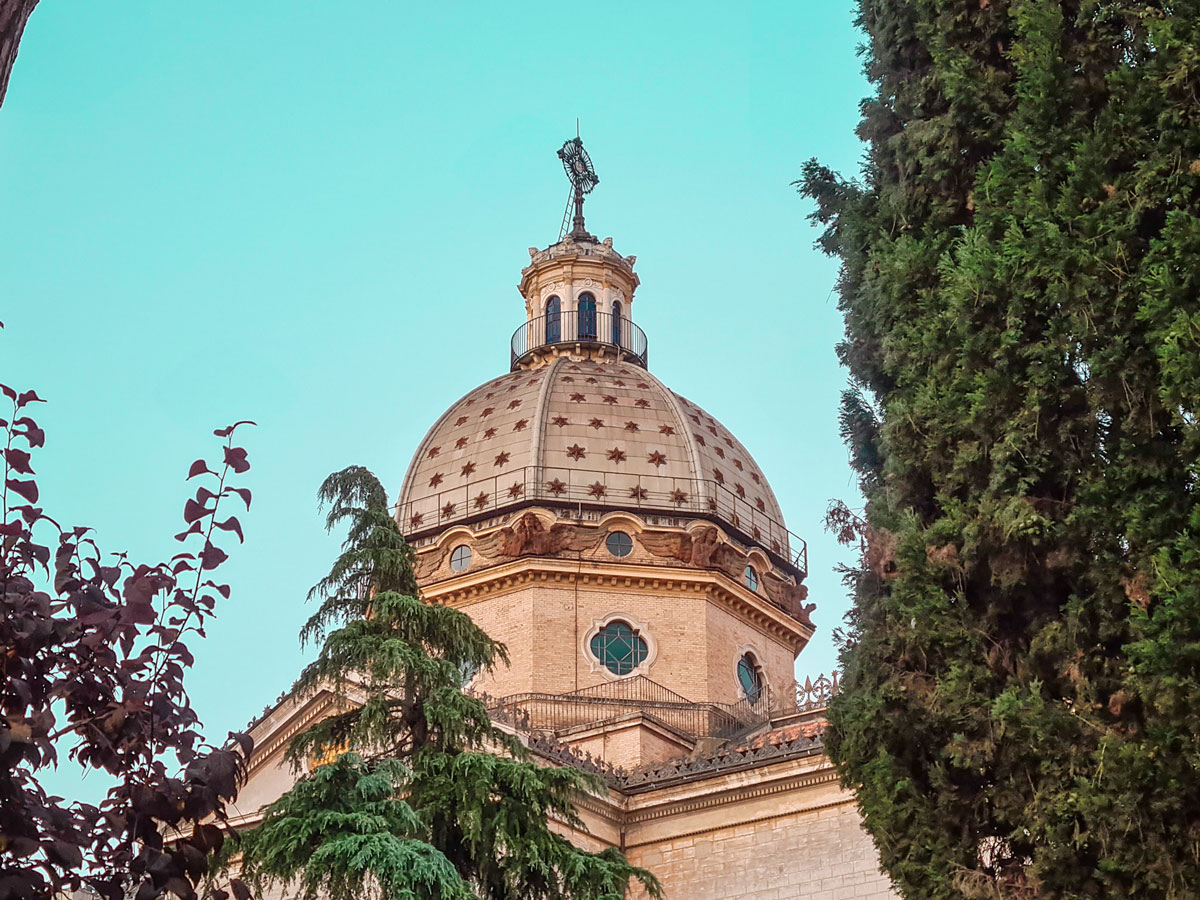
Often overlooked, the Chiesa di San Gioacchino in Prati is one of the neighbourhood’s most distinctive churches. Built at the end of the 19th century, it stands out for its large dome and richly decorated interior. It is worth stepping inside if you are nearby, especially for those interested in lesser-known religious architecture in Rome.
Passeggiata del Gelsomino
St. Peter’s Station / Via della Stazione Vaticana
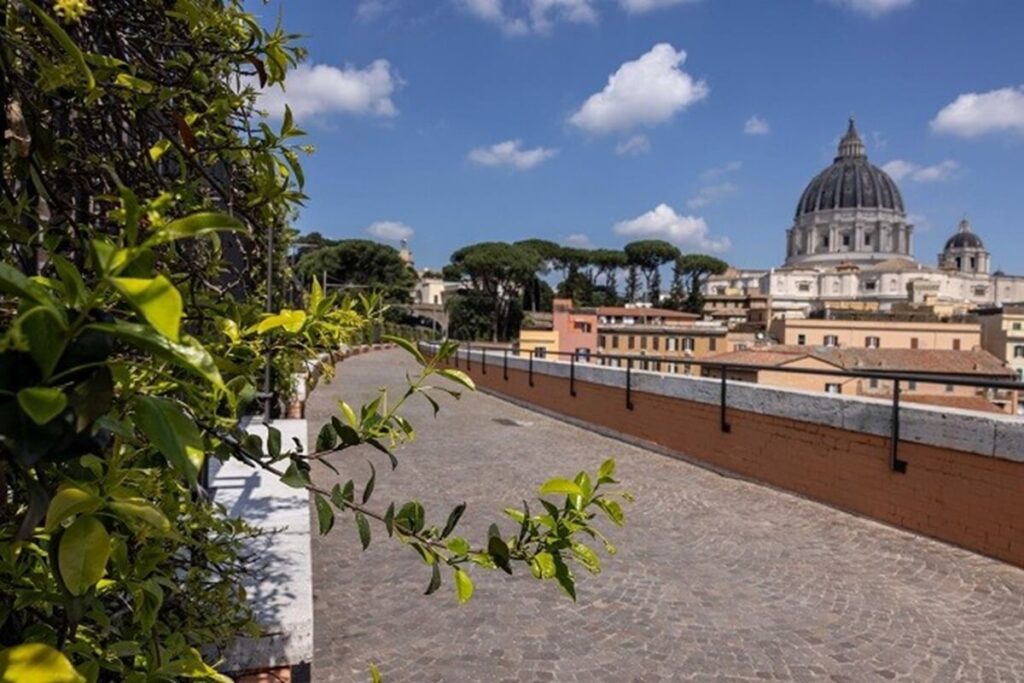
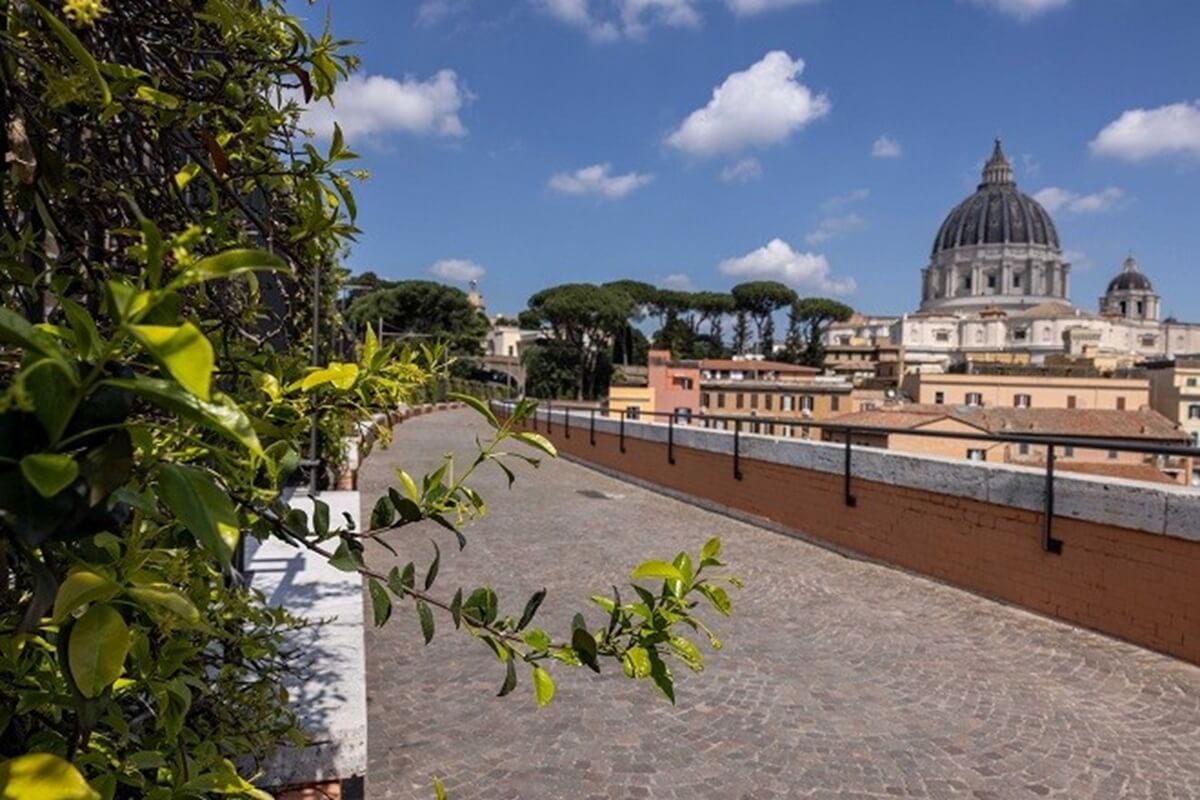
One of the area’s most surprising walks, the Passeggiata del Gelsomino follows a former railway path near the Vatican. Quiet and scenic, it offers unique views of St. Peter’s dome from a different perspective. It is a short but memorable detour, especially if you want to escape the crowds and discover a more hidden corner of the city.
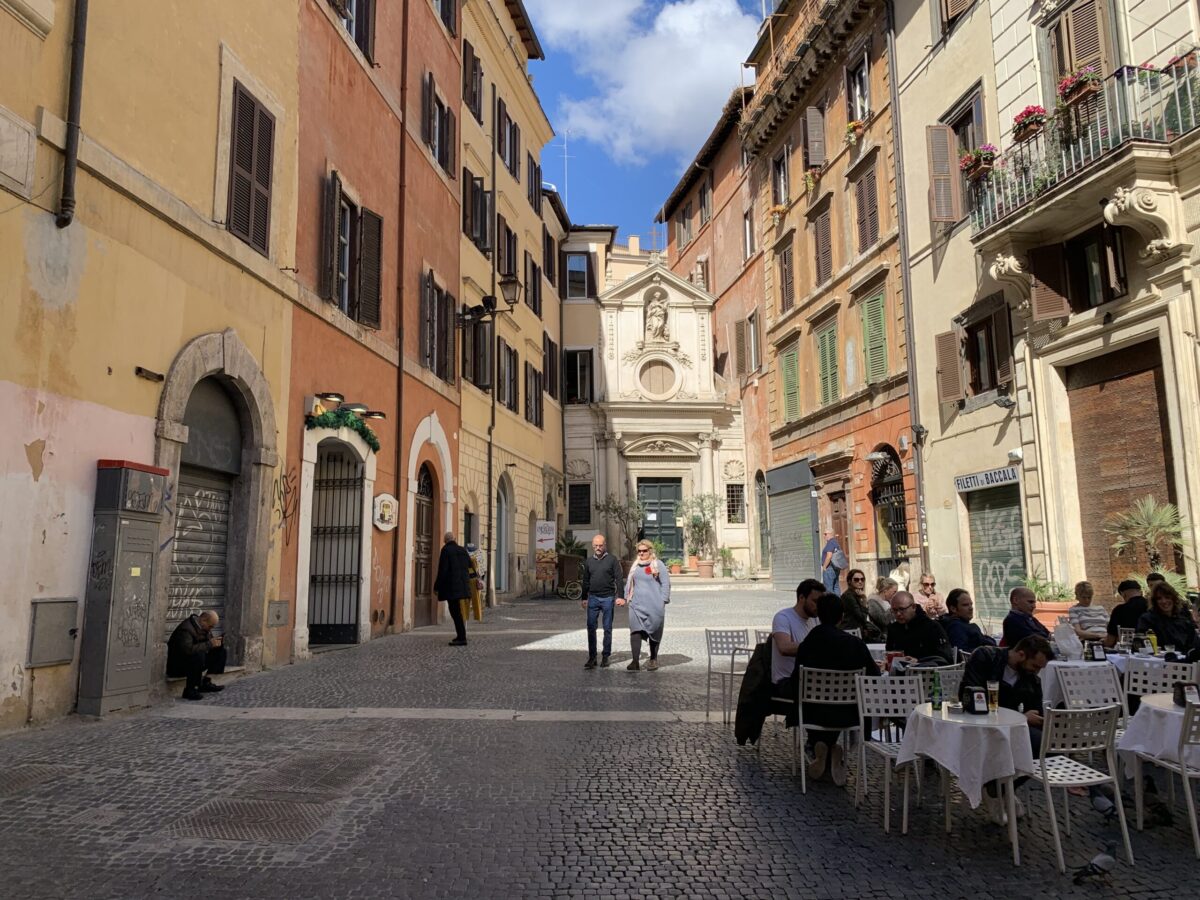
Campo de’ Fiori may be one of Rome’s most famous squares, but there’s much more to discover just beyond its market stalls and lively cafés. The surrounding streets are filled with elegant palaces, quiet churches, Renaissance architecture, artisan boutiques, and hidden courtyards that reveal the true character of this historic neighborhood. Here are some of the best things to see around Campo de’ Fiori.
Arco degli Acetari
Via del Pellegrino, 19
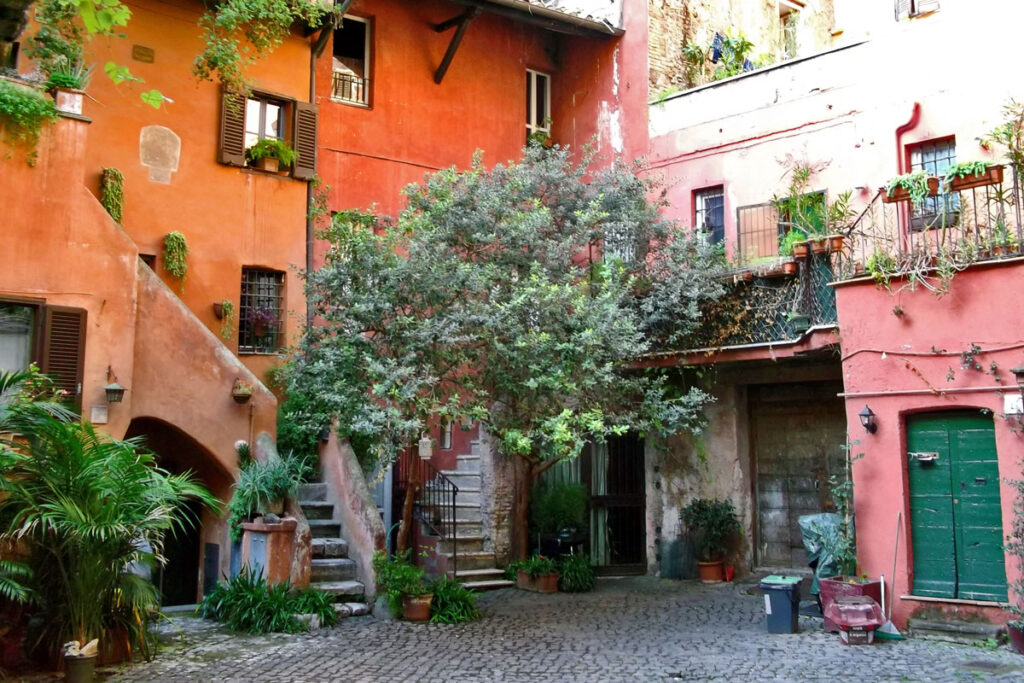
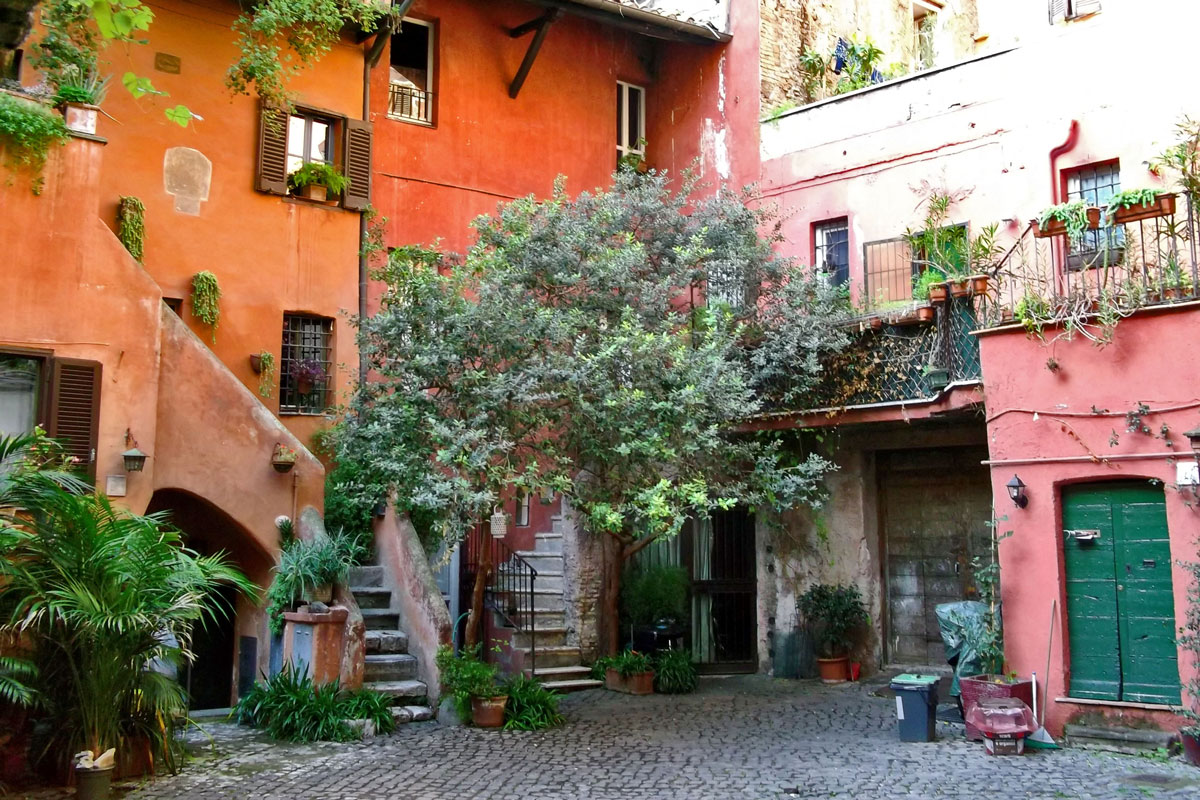
Within this tiny courtyard steps away from the bustling Campo, time seems to stand still. Arco degli Acetari is a peek into the medieval period of Rome, where external staircases and warm ochres fill the senses of a time long forgotten. Underneath laundry on clotheslines and blooming trees, the arco is a quiet place of refuge for those who seek it (but beware, residents still live within the buildings!)
Set in the former Chiesa di Santa Maria di Grotta Pinta, the Cappella Orsini is a cultural production center that supports independent creative projects through exhibitions, installations, and more. The aim of the Living Museum is to foster cross-cultural exchange and create a space where new ideas can blossom freely.
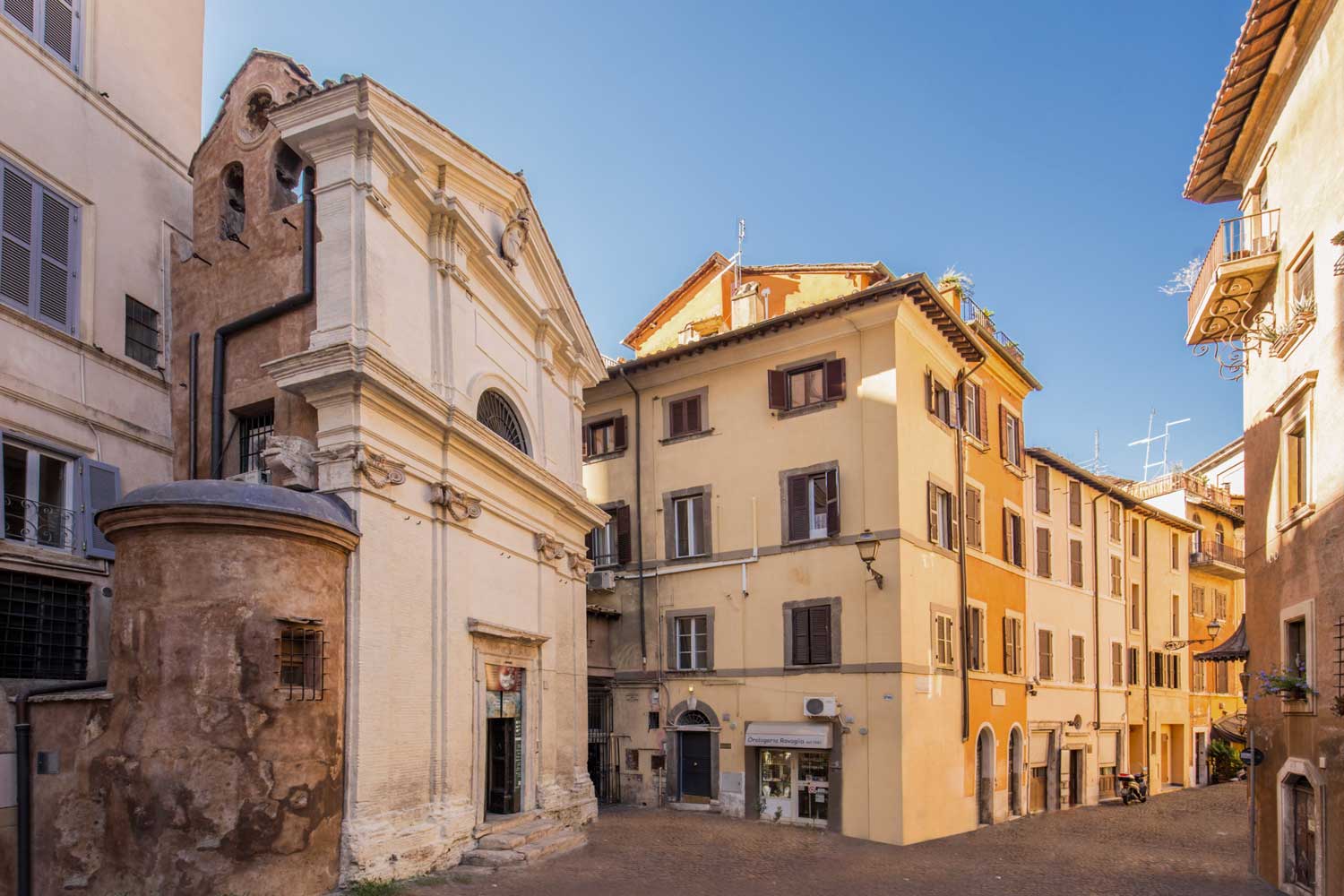
Chiesa Santa Barbara dei Librai
Largo dei Librari, 85 Open daily, 9am-12pm, 4pm-6pm
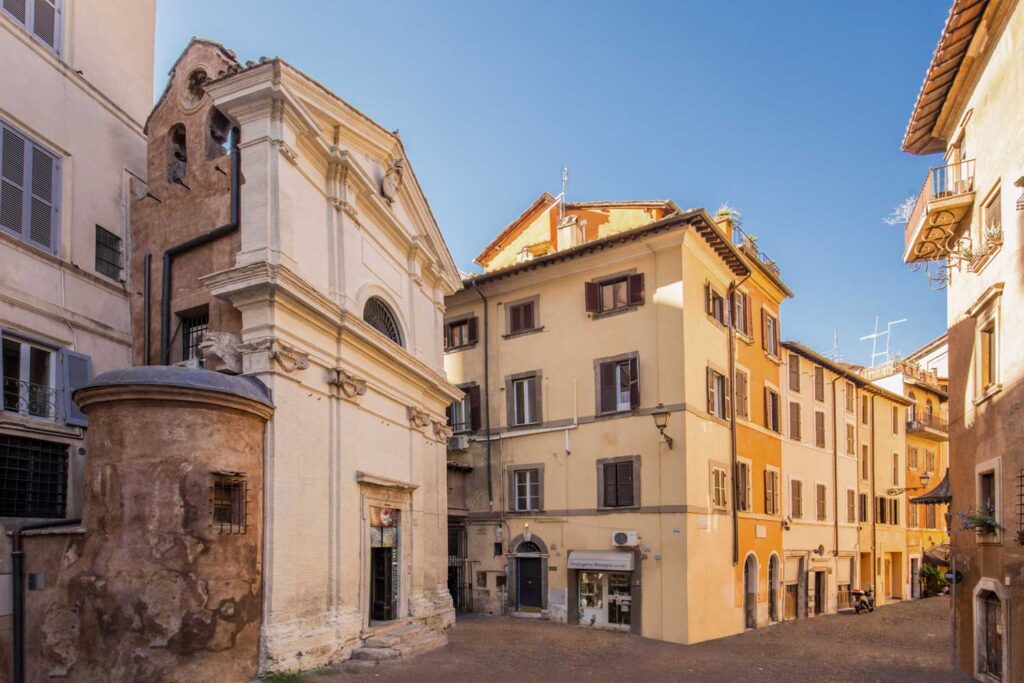
Nestled at the back of a small piazza off Via dei Giubbonari lies this little gem of a chiesa. Though it was consecrated in the 14th century, some believe the church may have been built centuries earlier. Once part of the ruins of the ancient Teatro Pompeo, Chiesa Santa Barbara is home to a 15th century triptych by Leonardo da Roma.
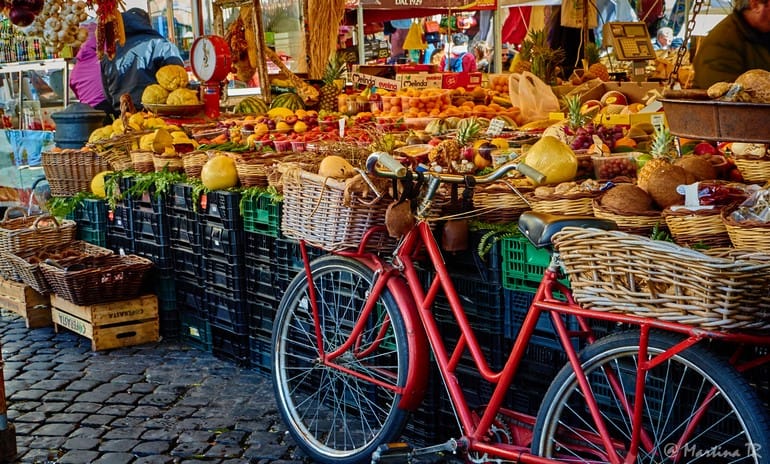
A staple since 1869, the iconic Campo market opens its canopies every morning to welcome visitors in search of local produce – think puntarelle, scarole and broccoletti –, meats and cheeses, and fresh flowers. Set in one of Rome’s most recognizable piazzas, the mercato offers a colorful snapshot of everyday Roman life; it is just as much about the spectacle as it is the shopping, with vendors calling out and locals haggling over prices.
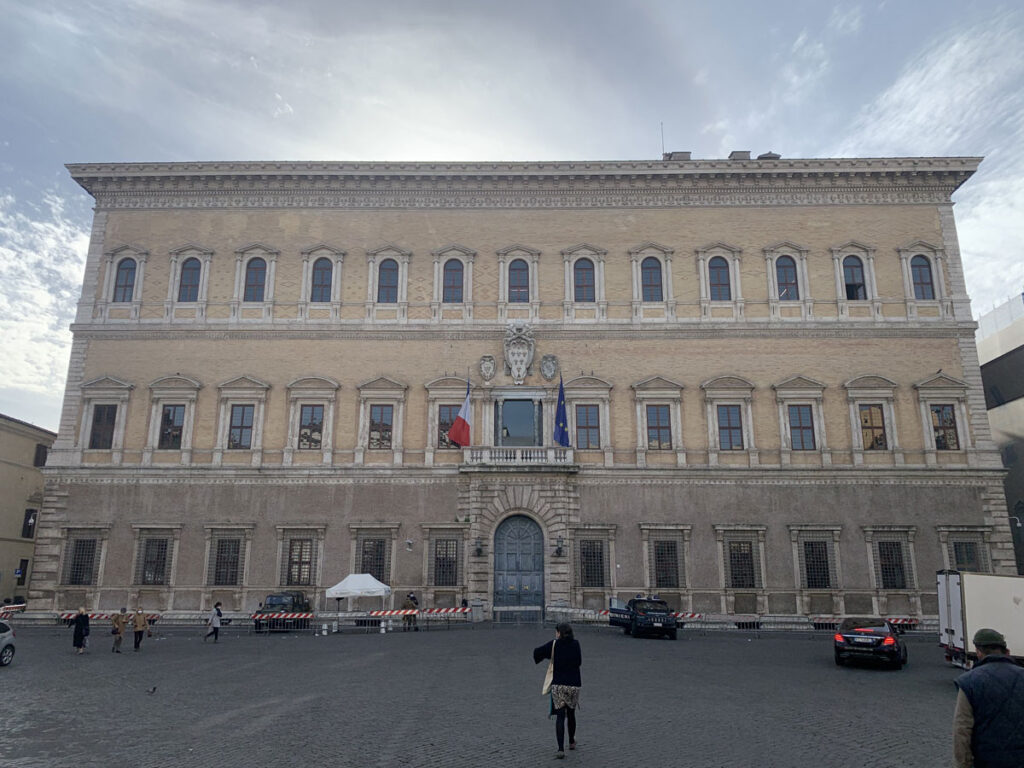
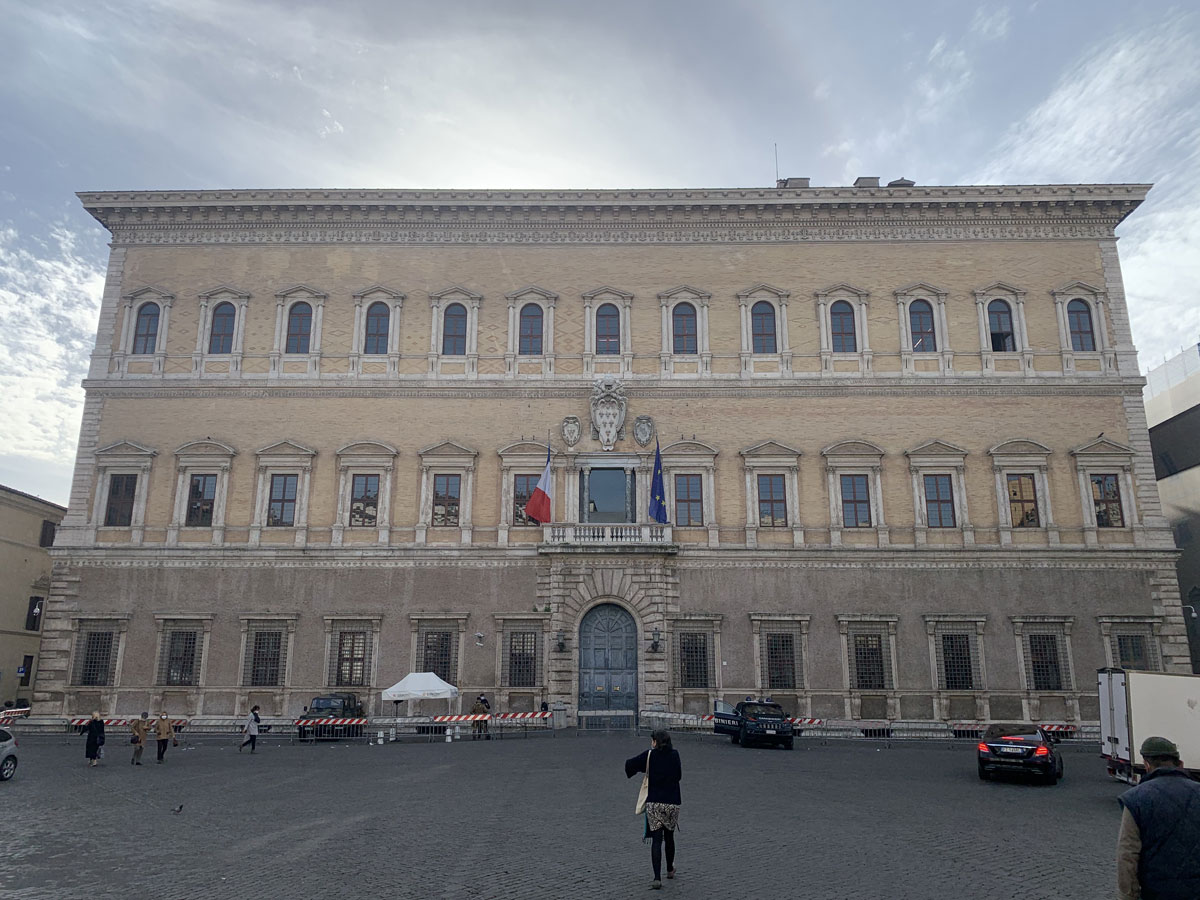
The Palazzo Farnese, now the French Embassy in Rome, is an example of high Renaissance architecture. Alessandro Farnese – the Cardinal at the time – commissioned its construction in 1514, with later expansion upon his papacy as Pope Paul III. The inside, with frescoed ceilings by Carracci and Zuccari, can be visited by guided tourpurchased exclusively through their website.
Piazza Capo di Ferro, 13 Mon-Sun 8.30am-7.30pm; Tues Closed Entry fee €6
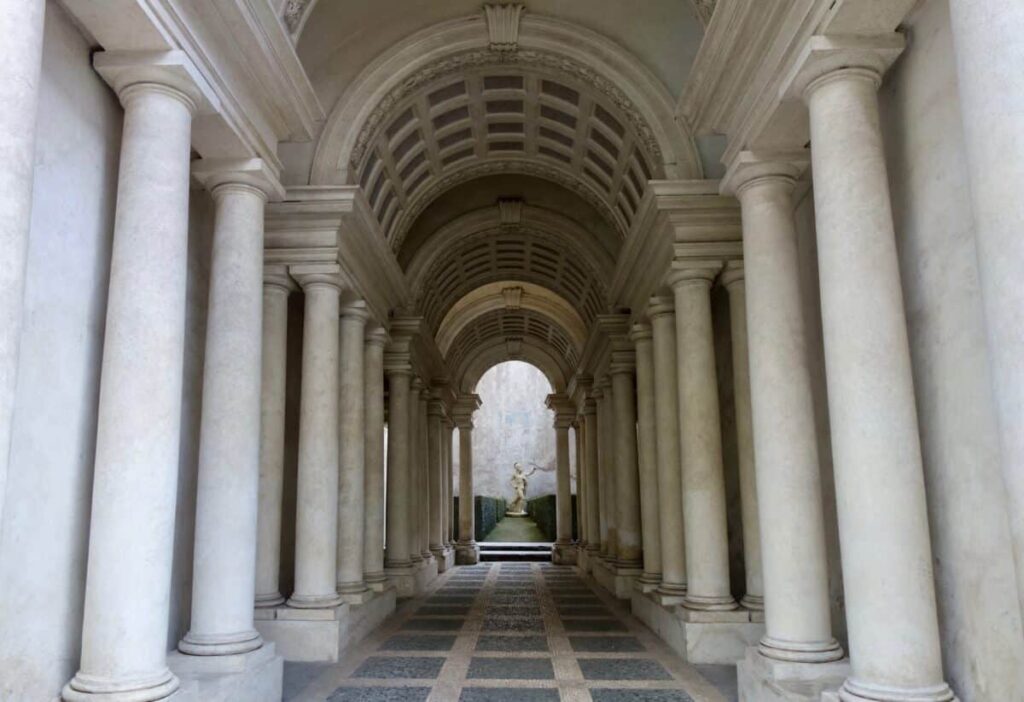
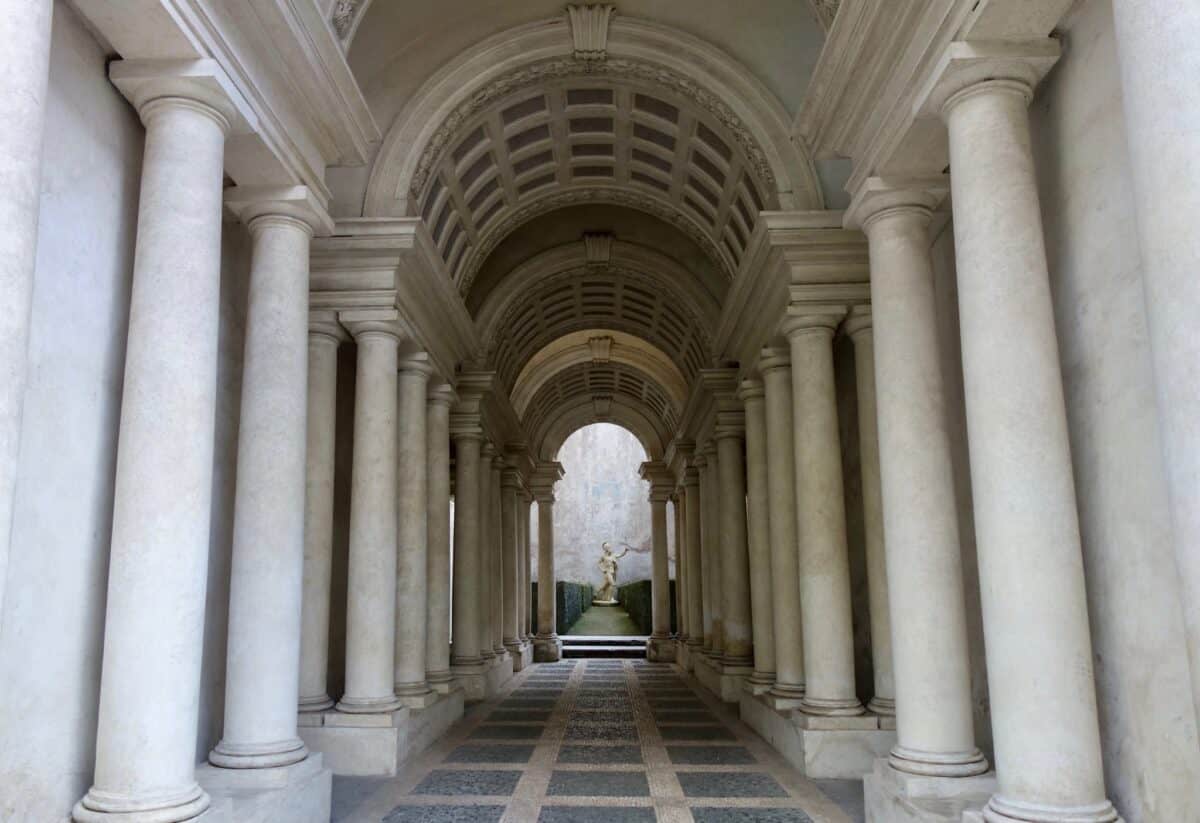
The palazzo, purchased by Cardinal Bernardino Spada (1594-1661) in 1632 is perhaps best known for Francesco Borromini’s infamous trompe l’oeil (forced perspective) near the courtyard’s entrance. The artistic collection houses 16th and 17th century pieces by artists such as Reni, Gentileschi, Baccicio, and the Caravaggisti.
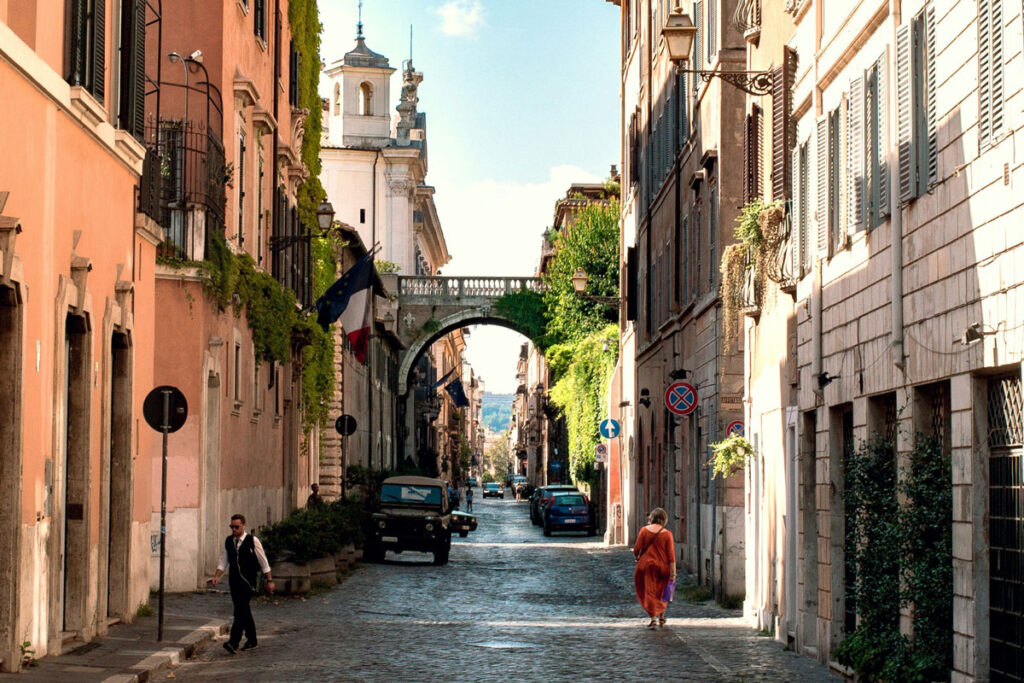
Commissioned by Pope Julius II and executed by Bramante, this long street runs from Ponte Sisto to the church of San Giovanni dei Fiorentini. Built during the reorganization of Rome’s older medieval plan. Via Giulia today is lined with artisan shops and vintage boutiques. Quiet and shadowy, it is the perfect place for a romantic stroll, no matter the season.
Via Giulia, 262 Open by appointment only For the visits please contact the Amici del Tevere association
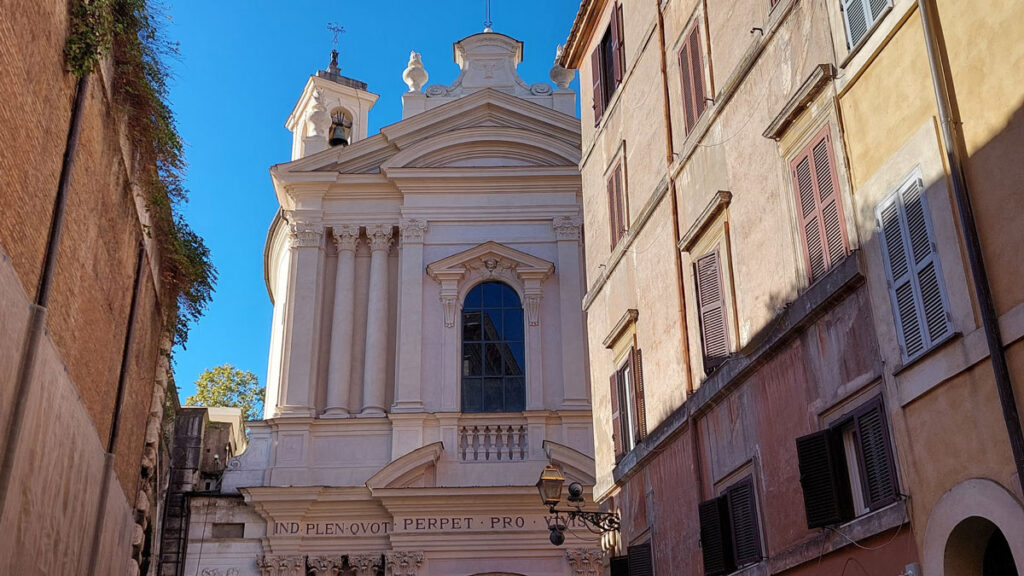
Santa Maria dell’Orazione e Morte is one of Via Giulia’s most unusual churches, a Baroque monument to mortality once linked to a confraternity that buried Rome’s abandoned dead. Its skull-decorated façade and haunting underground ossuary make it one of the city’s most fascinating hidden sights.
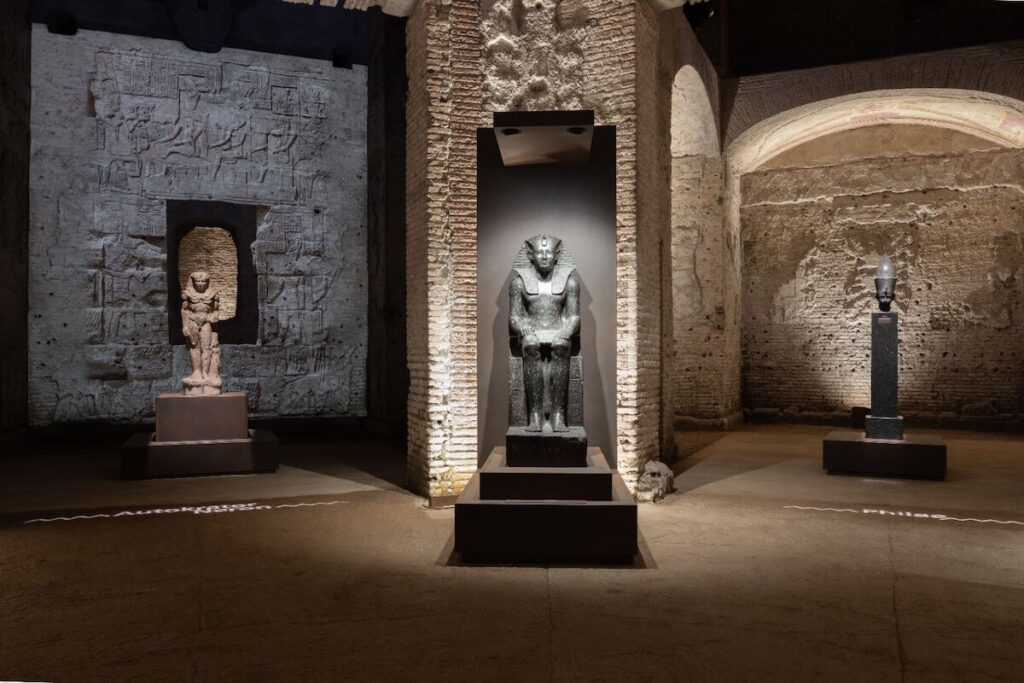
Experience Nero’s Golden House as it looked back in the day
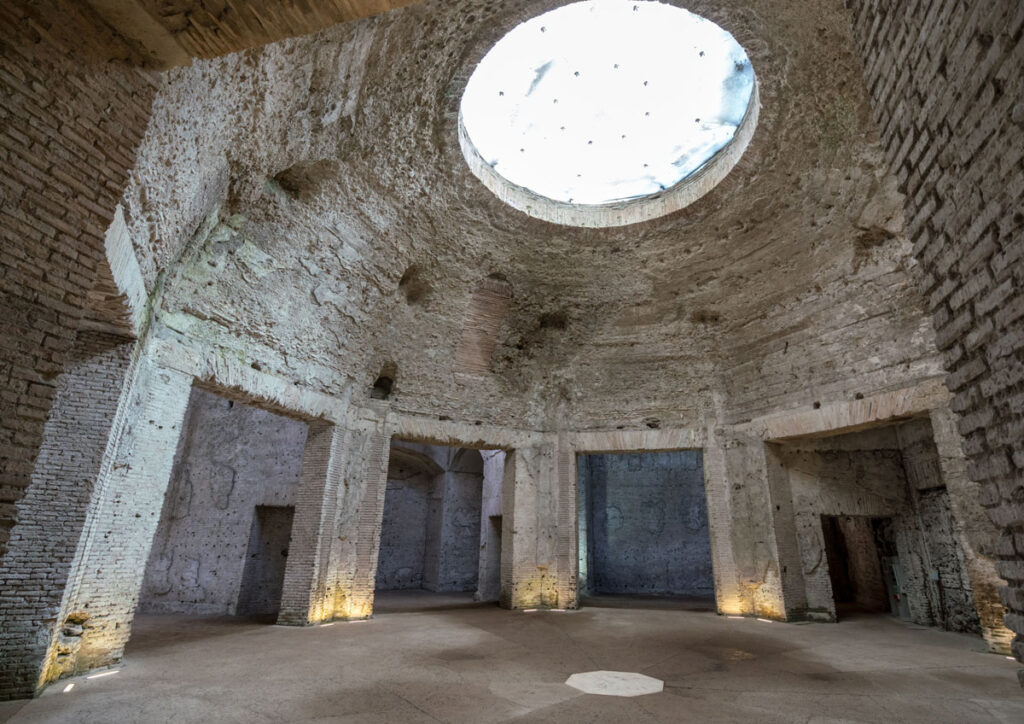
From the outside, Rome’s Oppian Hill is unassuming, home to a humble public park which is easily outshone by its neighbor, the Colosseum. But what lies beneath it is one of the Eternal City’s greatest treasures: the Domus Aurea.
History of the Domus Aurea
In 64 AD much of the centre of Rome was destroyed by an enormous fire. While there remains some discussion on whether Nero himself caused the fire, it is certain that it gave him the opportunity to build a huge new residence: the Domus Aurea, also known as ‘’The Golden House’’.
The entire complex occupied a space almost 25 times as big as the Colosseum—the opulent imperial residence sprawled from the Palatine Hill to the Colle Oppio and Caelius Mountain, spanning one square mile.
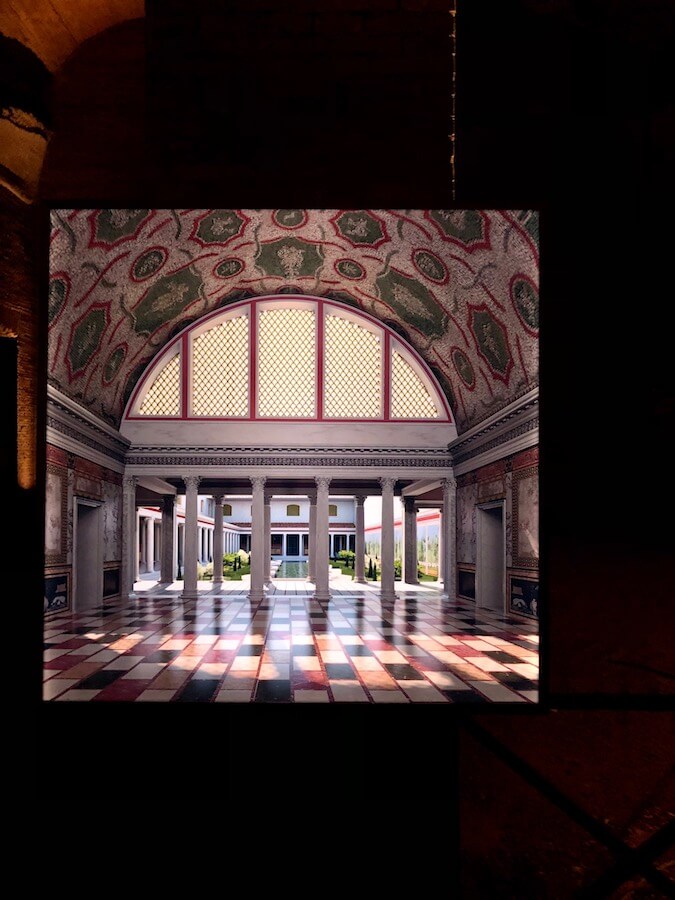
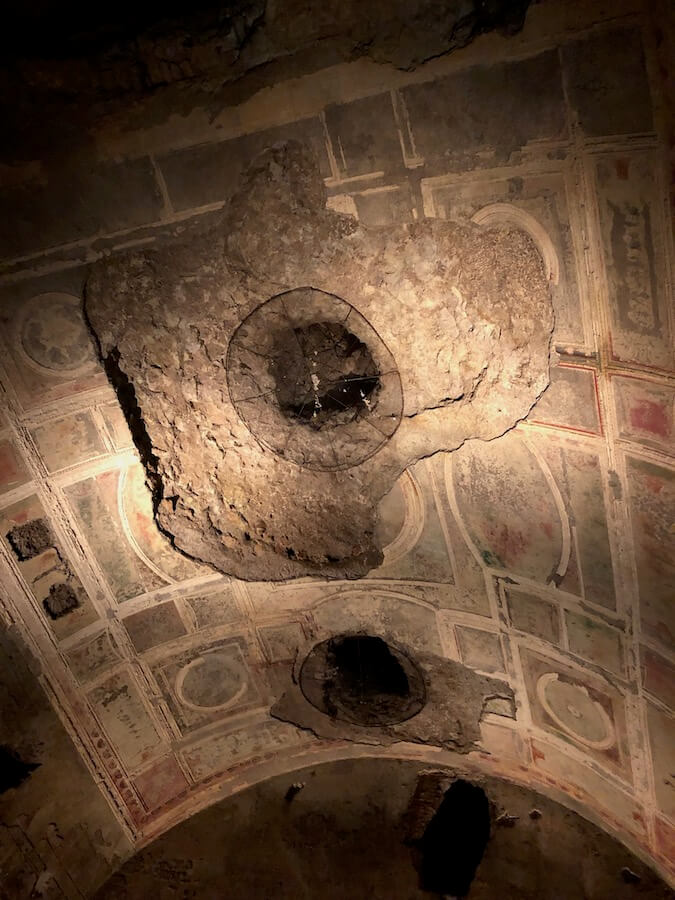
At its peak, the Domus boasted gardens, woods, and even artificial lake on the spot where you can find the Colosseum today. Statues hailing from Greece and Asia Minor adorned its rooms; gold and marble quarried from Egypt and the Middle East covered walls and vaulted ceilings; and even a grandiose, octagonal chamber with a domed roof graced the grounds, built sixty years before the completion of the Pantheon. Some of the dining rooms had mechanisms in the ceilings through which petals or perfume descended onto the dinners.
The Golden House: a hidden beauty
Following Nero’s death in 68, his successors wanted to distance themselves from the former emperor and his palace, and tried to erase every trace of it. The palace was stripped of all its luxury and treasures, after which the rooms were filled with earth and levelled to serve as a building ground for the Baths of Titus and later also for the Baths of Trajan. On the site of the lake the Colosseum was built.
Nero’s sumptuous quarters themselves were forgotten for the next 1,400 year, until late in the 15th century, when a Roman boy fell through a hole on the Oppian Hill and he saw a glimpse of painted figures.
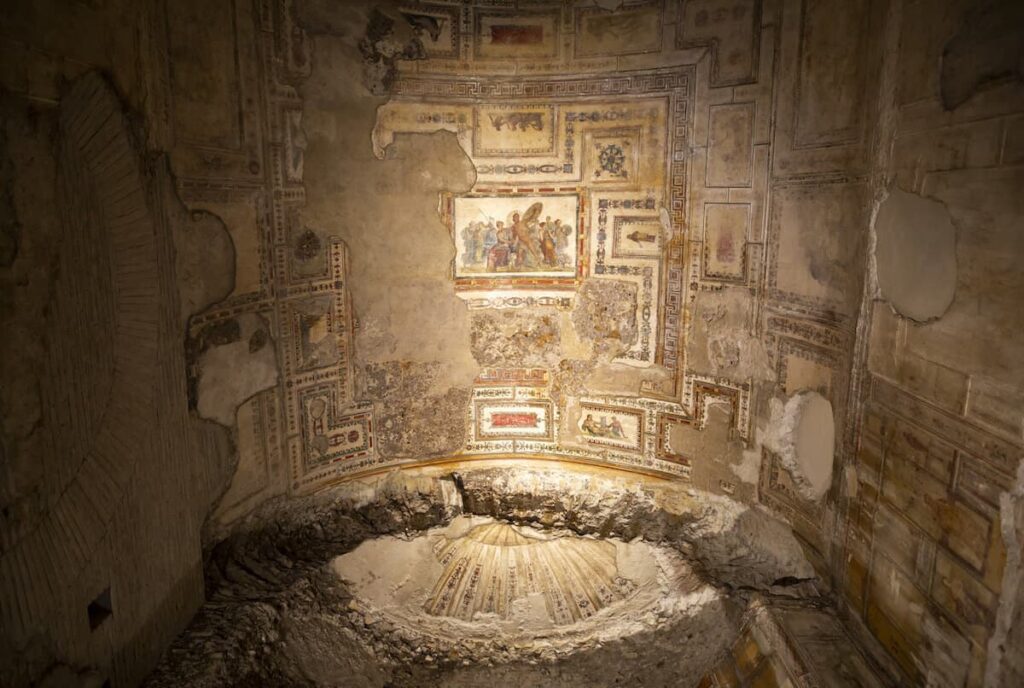
Soon after, a host of adventurers and legendary artists of the Renaissance, Raphael among them, made pilgrimages to the site, studying and later recreating the Domus’s motifs and designs (called ‘grotesques’) in their own work. The paintings were highly influential and ‘Grotesque painting’ is still an existing term for Roman wall decoration (as well as carpets and furniture motifs), much seen in the 16th century.
Fast forward to the present century: after extensive renovation, the palace finally opened its gates to visitors in 2014. Although there are still excavations and construction work going on, the place is open for visitors during the weekends when guided tours are organized.
When in Rome, this fascinating tour is highly recommended. The guides take you along the large and incredibly high rooms where some frescoes can be seen, and they tell you all about the history and architecture of the Domus Aurea. On weekends, there is even a Virtual Reality experience included in the tour–with the aid of visual headsets, the 3D, multimedia experience provides a glimpse into how the Domus looked in its heyday. The Volta Dorata Hall and the exterior bordering the gardens are the focus of the guided walks, which must be booked in advance.
A tour through the Domus Aurea offers a unique experience in Rome. Inside the Domus, the temperature is around 10 degrees Celsius, so we recommend wearing appropriate clothing and comfortable shoes. Please note that admission is only granted with a guided tour, and reservations are essential.
This 15th century palazzo came into the possession of the Altemps family in 1568 and houses a collection of Greek and Roman art, as well as a small section of Egyptian art.
The collection of the Galleria Borghese, which was defined as "the most beautiful collection in the world", is still collected in the place that was created and designed for that collection - the Borghese Gallery.

 Connexion
 Book your Pantheon Entry Ticket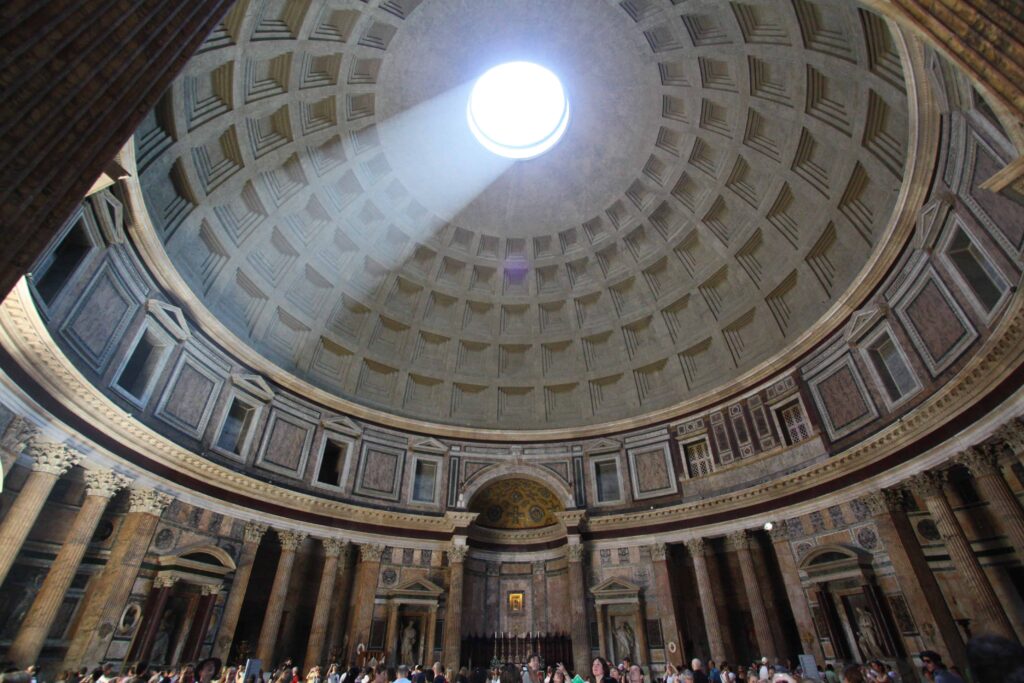

 Rome City Center Walking Tour with Pantheon Guided Visit